Mexico boasts one of the world's most diverse reptile cultures, home to numerous unique species of lizards, snakes, turtles, and crocodiles. These reptiles are widely distributed across deserts, jungles, wetlands, and mountains, playing an indispensable role in maintaining ecosystem balance and biodiversity. Below is a selection of 25 of Mexico's most representative reptile species and their ecological value.
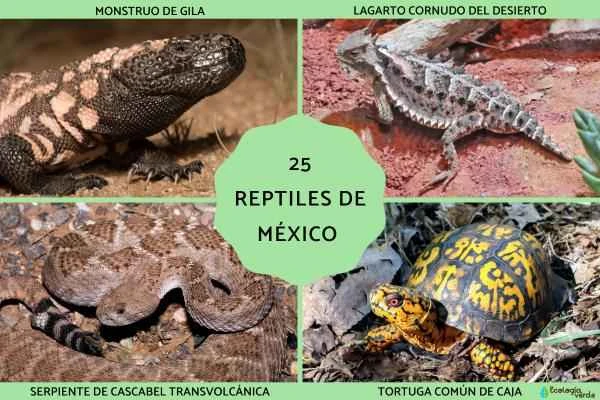
Table of contents
Introduction to representative reptiles of Mexico
More common reptiles in Mexico
Ecological role of reptiles in Mexico
1. Introduction to representative reptiles of Mexico
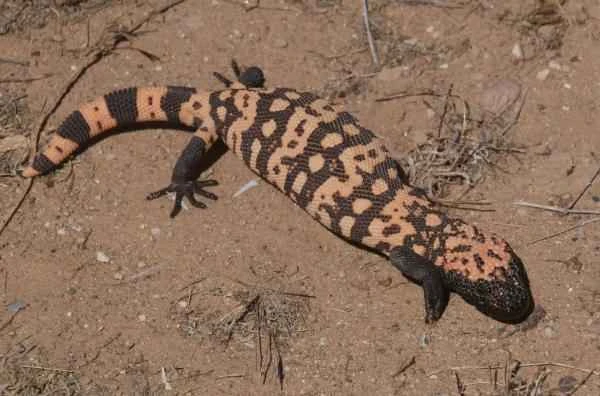
(1) Heloderma suspectum
One of only two species of venomous lizards in the world, it is robust in shape, black with orange or red markings, and lives in the desert regions of northern Mexico and the southern United States. It moves slowly, and its venom is not fatal to humans.
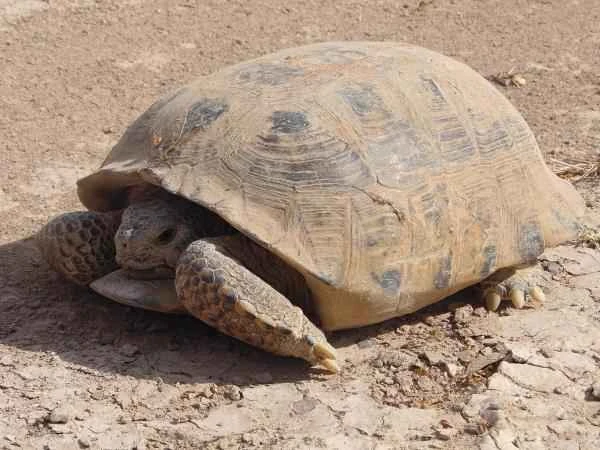
(2) Borsund turtle (Gopherus flavomarginatus)
Inhabiting the Borzon Desert in northern Mexico, they can tolerate extreme drought and temperature fluctuations. Adapting to harsh environments through burrowing and hibernation, they are one of the world's most endangered turtle species.
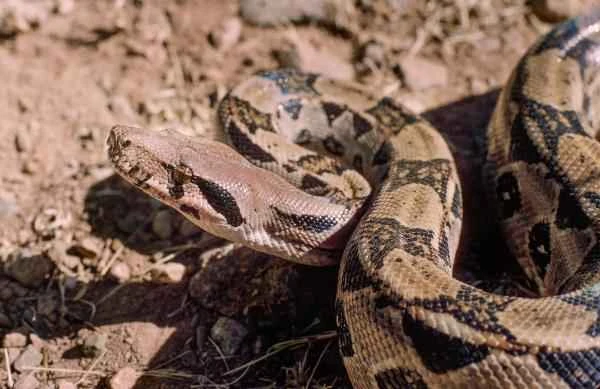
(3) Boa constrictor imperator
Distributed in Central America and southern Mexico, it hunts small mammals such as rodents by constricting itself. Reaching up to 2.5 meters in length, it is a well-known large, non-venomous python.
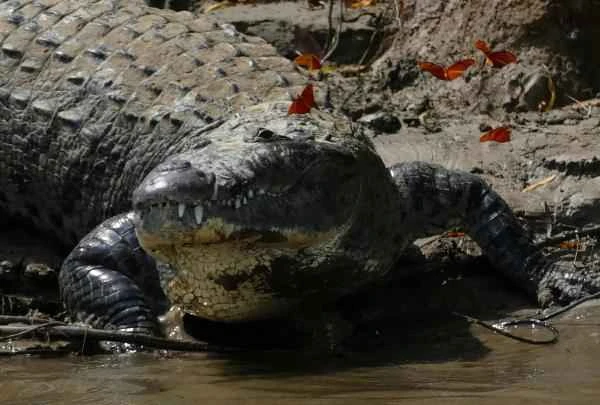
(4) Mexican alligator (Crocodylus moreletii)
Primarily inhabiting freshwater wetlands and swamps in southeastern Mexico, it reaches a length of about 3 meters. It is fierce and one of the important apex predators in the region.
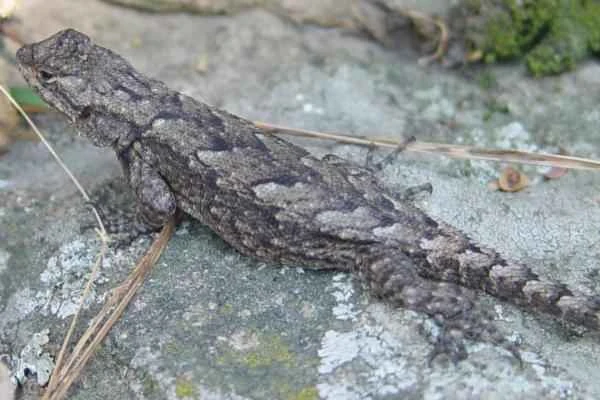
(5) Leguminosae (Sceloporus grammicus)
Widely distributed in Mexico and the southern United States, it adapts to various climates. The male has a jewel-blue belly and is the most common lizard in Mexico.
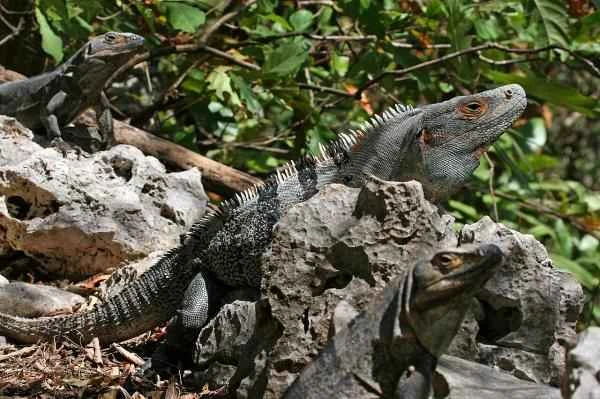
(6) Spinous-tailed iguana (Ctenosaura similis)
Found from northern Mexico to Nicaragua, these animals can reach lengths of up to 1.5 meters and have prominent spiny scales on their backs. They are adaptable to a variety of habitats.
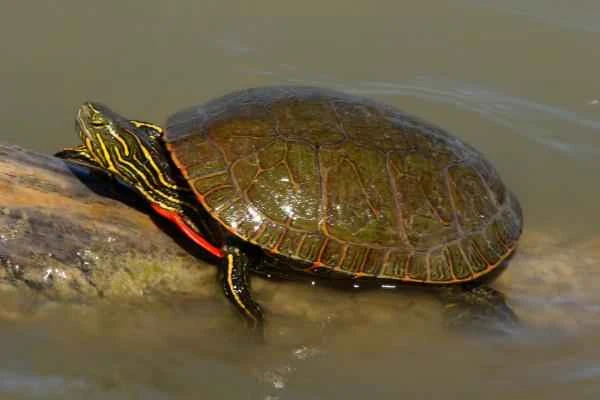
(7) Brazilian turtle (Chrysemys picta)
Widely distributed, it is the most widespread freshwater turtle in North America, commonly found in wetlands and lakes. It has red stripes along the edge of its shell and can tolerate low temperatures.
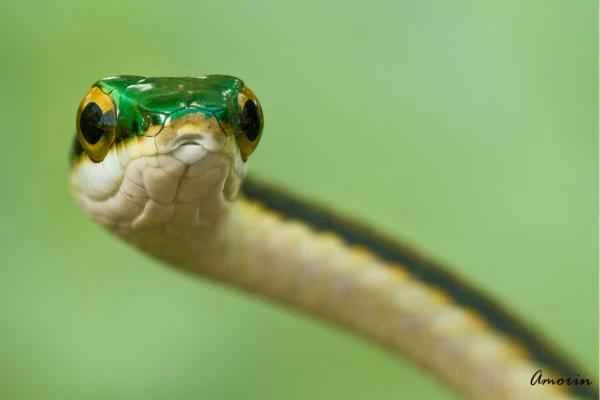
(8) Mexican parrot snake (Leptophis mexicanus)
It has a slender body, is bright green, and camouflages itself in dense vegetation to prey on frogs and toads. It is distributed from southeastern Mexico to Costa Rica.
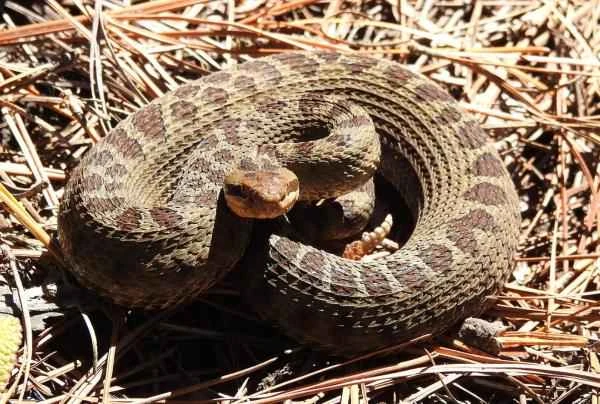
(9) Cross-volcanic rattlesnake (Crotalus triseriatus)
It is found only in the Transverse Mountains of Mexico, in forest and grassland ecosystems, and has a distinctive rattle ring on its tail, which is one of the national symbols.
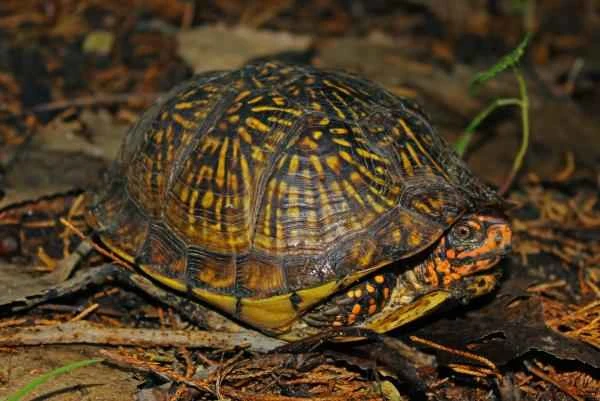
(10) Box turtle (Terrapene carolina)
Native to Mexico and the United States, it can retract its entire body into its shell for self-protection. It is terrestrial, often digging burrows in soft soil.
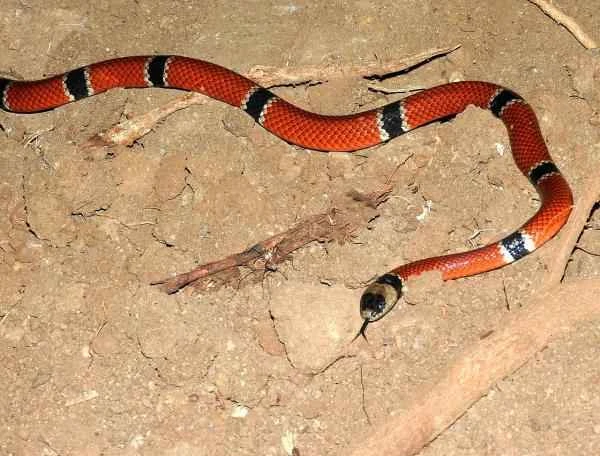
(11) Mexican western coral snake (Micrurus distans)
It has ring-shaped red, black, and white markings on its body and is extremely venomous. It is protected under Mexican law to prevent overhunting and habitat destruction.
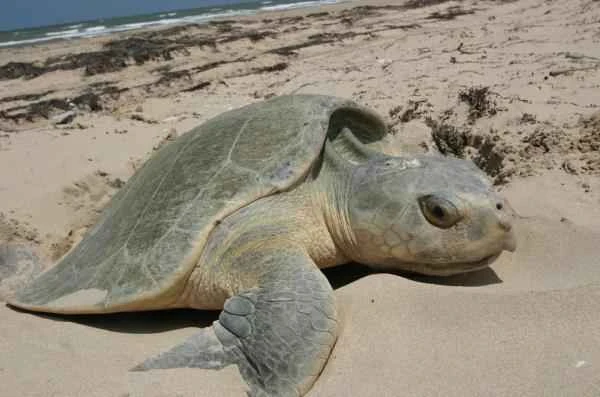
(12) Lilac turtle (Lepidochelys kempii)
The sea turtle with the narrowest global distribution, it mainly lives along the Gulf Coast and is a critically endangered species, occasionally migrating to the Atlantic coast.
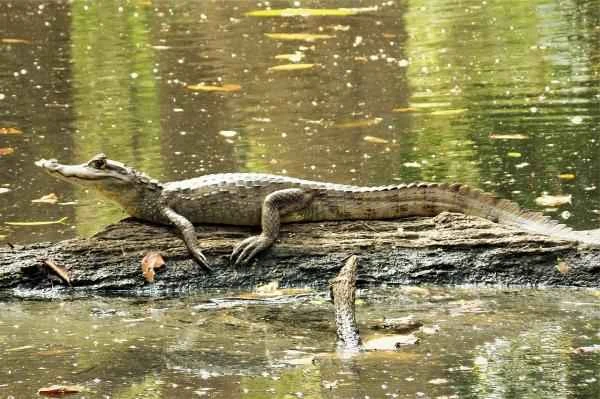
(13) Spectacled Caiman (Caiman crocodilus)
Distributed from southern Mexico to northern South America, it is of medium size and is named for its arched eyes that resemble glasses.
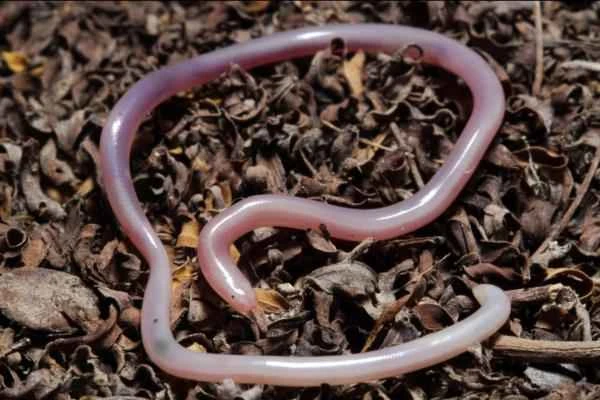
(14) Yucatan blind snake (Amerotyphlops microstomus)
It has a limited distribution only on the Yucatan Peninsula, is terrestrial, has extremely degenerated eyes, and is commonly found in dry and wet forests and degraded areas.
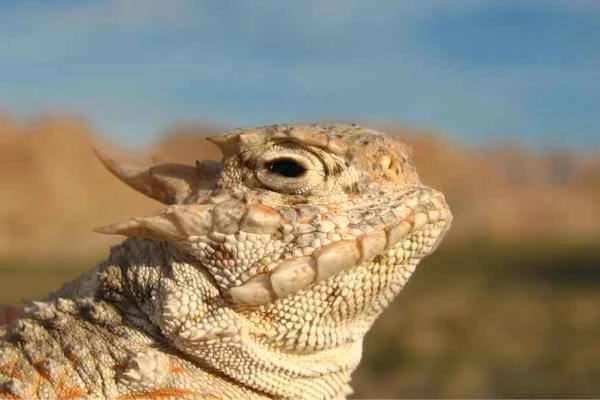
(15) Desert Horned Lizard (Phrynosoma platyrhinos)
Distributed in the deserts of northern Mexico and the southern United States, it is covered with small thorns and has a distinctive horn-like protrusion on its head, making it adept at camouflage.
2. More common reptiles in Mexico (some examples)
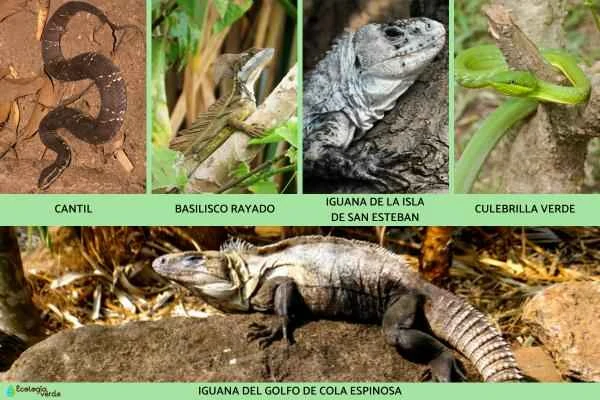
Two-banded brown-necked viper (Agkistrodon bilineatus)
Striped King Lizard (Basiliscus vittatus)
Saint Esteban Island iguana (Ctenosaura conspicuosa)
Green vine snake (Oxybelis fulgidus)
Gulf spiny-tailed iguana (Ctenosaura acanthura)
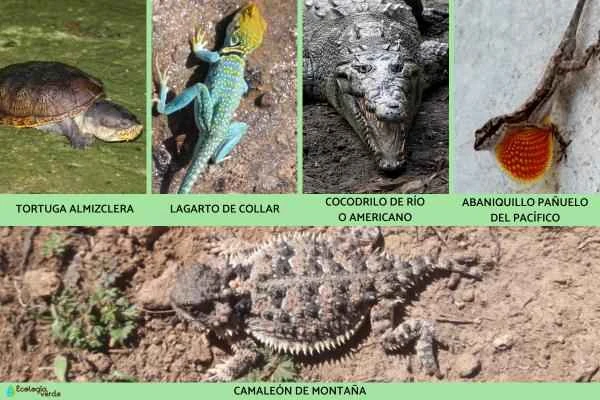
Musk turtle (Claudius angustatus)
Collared Lizard (Crotaphytus collaris)
American crocodile (Crocodylus acutus)
Pacific fan lizard (Anolis nebulosus)
Mountain horned lizard (Phrynosoma orbiculare)
3. Ecological Roles of Reptiles in Mexico
Reptiles are an important part of Mexico's ecosystem. They participate in controlling pest populations, maintaining food chain stability, and providing food sources for birds of prey and large mammals. In addition, the presence of some reptiles also promotes seed dispersal and maintains wetland ecological health.