Voles are small rodents often mistaken for mice or squirrels. Despite sharing many similarities with other rodents, voles have their own unique habits and ecological functions. They typically live in underground burrows and are important components of various ecosystems. Whether you are interested in the ecological value of voles or are facing a problem of vole invasion, this article will provide detailed answers to help you understand how to better coexist with voles.
Table of contents
What is a field mouse?
Field Mouse Species Analysis: 5 Types of Field Mice You May Not Know
Vole Habitat: What environments do voles prefer?
The food chain of field mice: What do field mice eat?
Behavioral habits of field mice: What are the unique living habits of field mice?
Field mouse reproduction: How do field mice reproduce?
Field mice's natural enemies: Who are the field mice's predators?
The difference between field mice and rats: What are the differences between them?
Differences between field mice and rats: What are the differences?
Field mice pose a threat to your garden: How can you protect your plants?
How to eliminate field mice: Effective methods to deal with field mouse invasions
Ecological value of voles: Why are voles so important in ecosystems?
The role of field mice in traditional cuisine: where and how they are eaten.
Summary: Key facts about field mice
What is a field mouse?
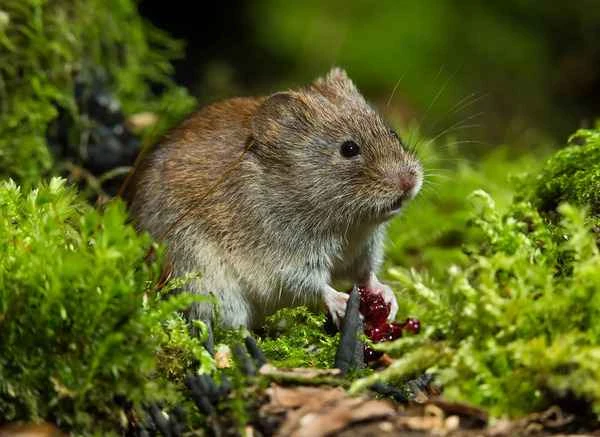
Voles are small rodents belonging to the family Cricetidae. They share some similarities with mice and rats, but are more robust, have shorter tails, and thicker fur. They primarily live in underground burrows and are adept at digging complex tunnel systems.
Voles are typically small, generally measuring 8 to 20 centimeters in length, with tails much shorter than their bodies. They usually inhabit grasslands, farmlands, wetlands, and forests, particularly favoring areas with lush vegetation and moist soil. Voles are highly adaptable animals, capable of surviving in extreme climates, especially relying on underground temperatures for warmth during winter.
Field Mouse Species Analysis: 5 Types of Field Mice You May Not Know
There are many types of field mice. Here are some common types. Understanding their differences can help you better deal with field mouse-related problems:
Field mouse (Microtus agrestis)
Field voles are the most common type of vole, typically inhabiting vast fields and grasslands. They are small in size, with fur that is generally gray or brown, short tails, and short limbs. They are adept at darting quickly and digging tunnels.Water vole (Arvicola amphibius)
Water voles typically live in wetlands and near water. They are larger than field voles, reaching up to 20 centimeters in length, and have relatively long tails. They are semi-aquatic species and prefer to dig burrows in the moist soil near water.Orange field mouse (Microtus xanthocryptus)
These voles are orange-yellow in color and mainly inhabit warm grasslands and wetlands. They are highly adaptable to climate change and can survive in arid environments.Forest vole (Myodes glareolus)
Forest voles primarily inhabit forests, scrublands, and wetlands. They are highly dependent on warm, humid environments and are an important component of forest ecosystems.Mountain vole (Microtus montanus)
Primarily living in high-altitude regions, these voles are adapted to cold climates, and their habitat is typically grasslands at high altitudes.
Vole Habitat: What environments do voles prefer?
Habitat selection by voles is closely related to food availability and safe refuge. Voles typically prefer areas with lush vegetation and moist soil; their habitats are commonly found in:
Grasslands and farmlands: Field mice prefer to inhabit grasslands and farmlands, especially those with abundant plant resources. They make their homes in these areas by digging underground burrows.
Wetlands and watersides: Semi-aquatic voles such as water voles usually inhabit wetlands and watersides, and prefer to find food and build nests in damp environments.
Forests and scrublands: Forest voles tend to inhabit the moist soil of forests, using abundant plant resources and relatively concealed environments to avoid predators.
Voles' underground burrows typically consist of multiple entrances and exits, helping them escape predators. The temperature inside the burrow is usually relatively constant, providing a good sheltered environment.
The food chain of field mice: What do field mice eat?
Field mice are typical herbivores, their main food sources including various grasses, seeds, roots, and plant leaves. Especially during spring and summer, field mice actively forage and store food for winter use. Common foods include:
Herbaceous plants: Field mice eat a variety of grasses and weeds, especially tender leaves and stems.
Rhizomes and underground stems: Field mice often dig up underground plant roots and stems in winter to survive.
Seeds and nuts: Field mice also eat fruits, seeds and nuts.
Bark and wood: In winter, when food is relatively scarce, voles will also gnaw on tree bark or wood.
Field mice are efficient food storers, especially during seasons when food is plentiful. They store excess food in storage chambers near their nests for use during the colder seasons.
Behavioral habits of field mice: What are the unique living habits of field mice?
Field mice are typically nocturnal animals; they spend most of the day in their underground burrows and forage at night. Their behavioral habits include:
Territoriality: Voles are highly territorial animals, typically establishing a complete network of food and nests within their habitat and defending their territory through scent marking and fighting.
High activity level: Voles are most active, especially in spring and summer. They actively expand their territory, search for food, and build nests.
Digging habits: Voles are good at digging underground tunnels. Their nests are usually complex and have multiple entrances and exits, which helps them escape predators.
Field mouse reproduction: How do field mice reproduce?
Voles are highly prolific breeders. They can reproduce multiple times a year, typically producing 4 to 6 pups each time. The gestation period for voles is short, generally around 20 days, and they reach sexual maturity at about 6 weeks of age, rapidly expanding their population. Characteristics of vole reproduction include:
High reproductive rate: Voles can reproduce multiple times a year, so their population expands very quickly.
Mother mice raise their young: Mother mice usually provide protection for their young in underground nests until they can survive independently.
Short incubation period: Vole pups are able to find food and habitat on their own within a few weeks of birth.
Field mice's natural enemies: Who are the field mice's predators?
Field mice, though small, have many natural enemies:
Birds of prey: Eagles, owls and other birds of prey use their sharp eyesight and hunting skills to catch field mice.
Mammals: Carnivorous mammals such as foxes, squirrels, and weasels, especially adept at digging up the burrows of field mice.
Snakes, such as grass snakes and ground snakes, will lie in wait near the habitat of field mice, waiting for an opportunity to hunt them.
The difference between field mice and rats: What are the differences between them?
Although field mice and house mice share some physical similarities, there are still significant differences between them:
Body shape and tail: Field mice are usually sturdy with short tails, while rats are more slender with relatively long tails.
Habitat: Field mice mainly inhabit the wild, farmland and grassland, while rats tend to live in human environments such as cities and homes.
Behavioral habits: Field mice are mainly nocturnal and primarily herbivorous, while rats are omnivorous and have more flexible activity times.
Differences between field mice and rats: What are the differences?
Voles and rats (Rattus) also differ in appearance and behavior:
Size: Rats are significantly larger than voles, typically reaching over 30 cm in length, while voles are smaller.
Habitat and food: Rats often live in human-inhabited environments and have a wide range of food sources, while voles prefer to live in the wild and mainly feed on plants.
Tail length: Rats have long tails, which are suitable for balance, while voles have shorter tails.
Field mice pose a threat to your garden: How can you protect your plants?
Field mice can pose a threat in gardens, especially since they like to eat the roots, stems, and tender leaves of plants. To protect your garden, here are some effective control methods:
Setting up a fence: Installing a fine mesh fence around the garden can effectively prevent field mice from entering.
Use traps: Set live traps or mousetraps to catch invading field mice.
Use rodenticides or poison baits: If traps are not effective, you can use professional rodenticides to eliminate field mice.
Plant rodent-repelling plants: such as mint, garlic and other aromatic plants, which can effectively repel field mice.
How to eliminate field mice: Effective methods to deal with field mouse invasions
The main methods for dealing with voles invading the field are as follows:
Mouse traps: Field mice are captured by live traps or instant kill traps.
Clean up the environment: Keep the yard or farmland clean, reduce clutter, and reduce the space for field mice to live.
Poison bait use: If the field mouse population is large, poison bait can be used for large-scale rodent extermination.
Professional control: Please hire a professional pest control company for regular inspections and treatments.
Ecological value of voles: Why are voles so important in ecosystems?
Field mice play an indispensable role in the ecosystem:
Food chain center: Field mice are an important food source for many predatory animals, especially birds of prey and foxes.
Soil health: The activity of voles promotes soil aeration and drainage, which helps plant growth.
Seed dispersal: By consuming plant seeds, field mice unintentionally help spread plants, promoting ecological diversity.
The role of field mice in traditional cuisine: where and how they are eaten.
In some regions, field mice are considered a traditional food source, particularly in some Asian and Eastern European countries. For example:
In China, field mice are made into delicious stews or soups with spices and herbs, resulting in a unique flavor.
Siberia and Russia: In traditional folk cuisine, field mice are often used to make roasted or stewed dishes, becoming a local specialty.
Summary: Key facts about voles
Voles not only play an important role in the ecosystem, but their habits and behaviors also provide us with many interesting observations. By understanding the types of voles, their habitats, their roles in the food chain, and their predators, we can better protect the environment and effectively address its potential impacts.