Sharp claws and their relationship to animal survival: How do they help with hunting, defense, and climbing?
In the animal kingdom, sharp claws are essential survival tools for many species. Whether used for hunting, defense, or climbing, animal claws play a vital role in daily life. This article will delve into the relationship between sharp claws and animals, revealing how these claws help them obtain food, protect themselves, and adapt to various environments in nature.
1. Sharp claws and hunting
For many carnivores, sharp claws are a key weapon for successful hunting. With sharp claws, animals can easily grasp prey, tear apart carnivores, or subdue enemies.
a. Big cats (such as lions, tigers, and cheetahs)
Claw function : Big cats have extremely sharp and retractable claws. When they are ready to hunt, they extend their sharp claws to firmly grasp their prey. During the hunt, the claws help them maintain their balance and exert greater force when pouncing on their prey.
Claw structure : These animals' claws are curved and sharp, enabling them to firmly grip the skin or flesh of their prey and prevent them from escaping.
b. Birds of prey (such as eagles, owls, and falcons)
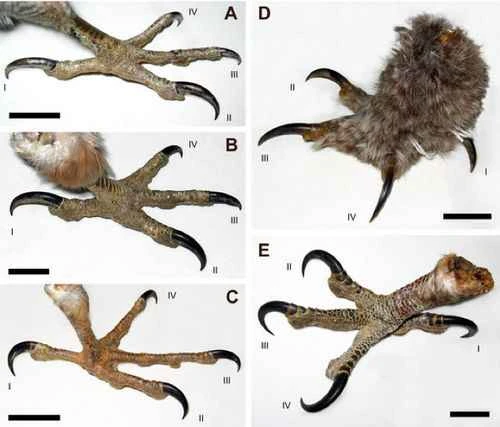
Claw function : The claws of birds of prey are called "sharp claws," which are not only used to catch prey, but can also pierce directly into the body of the prey. These birds use their sharp claws to swoop down quickly from the air and accurately grab their prey, such as rodents or small birds.
Claw structure : Raptors' claws are very hard, with curved tips, enabling them to firmly grasp their prey and prevent them from escaping.
c. Reptiles (such as lizards and chameleons)
Claw function : Although not as sharp as those of birds of prey, some lizards and reptiles also use sharp claws to catch insects or small animals. Sharp claws allow them to quickly grasp their targets, especially enhancing their mobility when climbing trees or rocks.
2. Sharp claws and defense
Animals not only use their claws to hunt, but also to protect themselves from predators or enemies. Sharp claws become their first line of defense when facing danger.
a. Self-defense of felines
Claw function : The claws of both domestic and wild cats are used not only to catch prey but also for defense. When threatened, they will quickly extend their claws, adopting an aggressive posture to warn enemies to keep their distance.
The function of claws : Claws can quickly inflict damage and prevent opponents from getting close when fighting with other animals.
b. Bears' defense and offense
Claw Function : Bears have very large and sharp claws, primarily used for digging for food, but they can also serve as powerful defensive weapons when facing threats. Bears can use their claws to attack enemies quickly, causing significant damage.
The power of the claws : A bear's claws are not only long and hard, but can also easily tear through the skin or bite through the body of its prey when defending or attacking.
c. The Porcupine's Self-Defense
Claw function : Although porcupine claws are not as sharp as those of other predators, they work effectively with the quills on their bodies to protect themselves. Porcupines use their claws to grip tree trunks or the soil, helping them to escape quickly in the event of an attack.
3. Sharp claws and climbing
For many arboreal animals, sharp claws are an essential tool for daily climbing. These animals rely on their claws to stabilize themselves on vertical surfaces, find food, or avoid predators.
a. Sloths and arboreal animals
Claw function : Sloths' long, curved claws allow them to grip branches tightly, helping them move at heights. Sharp claws also allow sloths to hang securely from trees, preventing them from falling.
Function of claws : Although these claws are not used for hunting, they serve a protective function in their habitat, helping them stay in safe, elevated positions away from predators on the ground.
b. Monkeys and Primates
Claw function : While most primates have nails rather than claws, some monkeys still retain sharp, claw-like structures. Their claws allow them to move quickly between trees and make it easier to grab branches for jumping or climbing.
4. Sharp claws and foraging
Sharp claws not only help animals catch their prey, but also play an important role in the foraging process. Some animals use their claws to dig for food or gather plants, helping them obtain resources more efficiently.
a. Bear foraging
Claw function : Bears use their claws to dig in the soil, destroy beehives, and search for food. Sharp claws help them dig out roots, insects, and even small mammals hidden underground.
b. Armadillos and Burrowing Animals
Claw function : Armadillos and other burrowing animals like moles use their claws to quickly dig into the ground in search of insects and other food sources. Their sharp claws allow them to easily penetrate the soil and find food hidden underground.
Conclusion: The importance of claws in animal survival
Sharp claws are essential tools for survival for many animals. They not only help animals hunt for food but also protect them from predators and even help them move or forage within their habitats. The structure and function of claws vary among different species due to environment and needs, but their role in nature is crucial. As a product of animal evolution, sharp claws demonstrate the power of natural selection, helping various animals adapt to their unique ecological environments.