Fat plays a vital role in animal diets, serving not only as an energy source but also participating in numerous important physiological processes, including cellular function, vitamin absorption, and hormone production. This article will explore the multiple roles of fat in animal diets, including how fat supports health, promotes growth and development, and its importance in overall health.
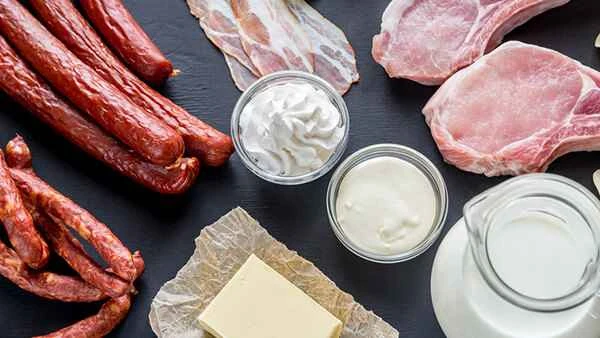
Table of contents
The basic role of fat in animal diets
Fat as an energy source
Essential fatty acids: Healthy fats needed by animals
Fat-soluble vitamins: The relationship between fats and vitamins
Fat and cell membranes: the building blocks of life
Hormone production: How fat supports endocrine function
Fat storage: How animals store energy
Insulation and Body Temperature Regulation: The Natural Insulation Function of Fat
Brain Health: The Impact of Fat on Cognitive Function
Immune System Support: The Role of Fat in Immunity
Fatty acid metabolism: How animals digest and utilize fats
Obesity and Health: The Impact of Excess Fat on Health
Summary: The key role of fat in animal diets
1. The basic role of fat in animal diets
When we discuss animal diets, fats often don't receive the same attention as proteins or carbohydrates. However, fats are just as crucial for an animal's health and well-being. They not only provide energy but also participate in vitamin absorption, cell membrane construction, and hormone synthesis. Understanding the role of fats in an animal's diet can help us provide more comprehensive nutrition for pets or livestock.
2. Fat as an energy source
Fat is one of the most important energy sources in an animal's diet. Compared to carbohydrates, which provide 4 calories per gram, fat provides 9 calories per gram, making it the nutrient with the highest energy density. This means that animals can store large amounts of energy through fat and provide long-term energy support when needed.
When animals consume more energy than they need immediately, the excess is stored as fat to ensure they have enough energy when food is scarce or their activity level increases.
3. Essential fatty acids: Healthy fats required by animals.
Essential fatty acids (EFAs) are fats that animals cannot synthesize on their own and must obtain through their diet. The most important essential fatty acids are omega-3 and omega-6 fatty acids, which are crucial for maintaining healthy cell membranes, promoting growth, and regulating inflammatory responses.
Omega-3 fatty acids are especially important for brain health and are mainly found in deep-sea fish, flaxseed, and walnuts.
Omega-6 fatty acids contribute to skin health, reproductive function, and the immune system.
These two types of fatty acids need to be kept in the correct ratio to support the health and normal physiological functions of animals.
4. Fat-soluble vitamins: The relationship between fats and vitamins
Some vitamins (such as A, D, E, and K) are fat-soluble, meaning they require fat for absorption and transport within an animal's body. These vitamins are crucial for aspects such as visual health (vitamin A) and immune function (vitamin E).
If an animal's diet lacks fat, it may not be able to effectively absorb these key fat-soluble vitamins, leading to health problems. Therefore, ensuring an adequate amount of fat in the diet is crucial for animals.
5. Fat and Cell Membranes: The Building Blocks of Life
Fat is an important component of the cell membrane. The cell membrane is composed of fat molecules such as phospholipids and cholesterol, which help maintain the shape, stability, and function of the cell. They ensure that the cell can function properly, regulate the entry and exit of substances, and communicate with other cells.
Without enough fat, cell function will be impaired, leading to a range of health problems.
6. Hormone Production: How Fat Supports Endocrine Function
Fat is essential for hormone synthesis; many hormones (such as sex hormones and adrenaline) are derived from cholesterol, which is itself a type of fat. Hormones have a significant impact on various aspects of animal development, including growth, reproduction, stress response, and immune function.
A lack of sufficient fat in the diet can lead to hormonal imbalances, which can affect an animal's reproduction, immunity, and growth.
7. Fat storage: How animals store energy
Fat is the most efficient form of energy storage in animals. Unlike glycogen stored in the liver and muscles, fat can store large amounts of energy in a more compact and long-term manner. This allows animals to obtain energy by breaking down fat when food is scarce or activity levels increase.
For example, many wild animals and marine mammals rely on fat reserves to survive seasons of food scarcity or extreme environments.
8. Insulation and Body Temperature Regulation: The Natural Insulation Function of Fat
Fat also plays an important role in thermoregulation, especially in cold environments. Many animals have a thick layer of fat (such as the blubber layer of whales and seals), which not only serves as an energy reserve but also effectively insulates against heat loss, helping animals maintain a stable body temperature.
This natural insulating property is especially important for animals living in cold regions, helping them survive in harsh climatic conditions.
9. Brain Health: The Effects of Fat on Cognitive Function
Fats, especially omega-3 fatty acids, are essential for brain health. The brain is composed of about 60% fat, most of which is omega-3 fatty acids, particularly DHA (docosahexaenoic acid). These fats contribute to the structure and function of the brain, promote neuronal development, and protect the brain from aging and degenerative diseases.
Healthy fat intake is crucial for improving memory, learning ability, and overall cognitive function.
10. Immune System Support: The Role of Fat in Immunity
Fat also has a positive impact on the immune system. Omega-3 fatty acids can regulate the immune system, reduce inflammation, and help the body fight infection. In addition, fat helps the body absorb fat-soluble vitamins, which are crucial for enhancing the function of the immune system.
Therefore, a moderate amount of fat not only helps maintain overall health, but also helps animals maintain a strong immune system.
11. Fatty acid metabolism: How animals digest and utilize fats
The process of fat digestion in animals involves multiple stages. First, fat is broken down into fatty acids and glycerol in the gastrointestinal tract, and then transported throughout the body via the bloodstream. The liver plays a crucial role in fat metabolism, responsible for converting fat into a form that can be used for energy.
The health of fat metabolism directly affects an animal's energy levels and body fat storage.
12. Obesity and Health: The Impact of Excess Fat on Health
While fat is essential for animal health, excessive fat intake, especially saturated and trans fats, can lead to obesity and health problems. Obesity increases the risk of heart disease, diabetes, and joint problems. Therefore, animal fat intake needs to be moderate, and healthy fat sources should be chosen.
For example, healthy fat sources such as fish oil, flaxseed oil, and vegetable oils are more beneficial to the longevity and health of animals.
13. Summary: The key role of fat in animal diets
Fat is an essential nutrient in animal diets, providing energy and participating in various physiological functions such as cell structure, hormone production, and immune support. Ensuring that animal diets contain adequate amounts of healthy fats is key to maintaining their health and well-being.
To ensure animals get enough fat, it is recommended to choose a balanced diet and adjust fat intake according to the individual animal's needs. If you have any questions about how to provide your pet or livestock with adequate fat intake, it is best to consult a professional veterinarian or animal nutritionist.
This article provides a comprehensive understanding of the multiple roles of fat in animal diets, helping you optimize your animal diet management to promote their health and well-being.