In today's world, due to the combined effects of human activities and global climate change, an increasing number of wild animals are becoming endangered or critically endangered . These include polar bears, Javan rhinoceroses, tigers, mountain gorillas, leatherback turtles, brown bears, and black storks, among many others. Despite the efforts of numerous organizations to protect them, they continue to face multiple pressures, including habitat loss, illegal hunting, pollution, and global warming.
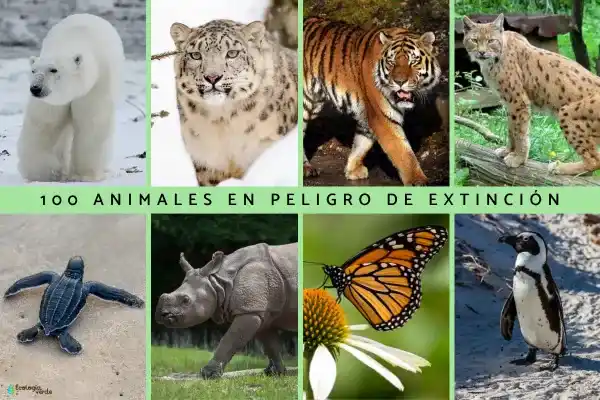
This article will provide an overview of which animals are endangered , why they are endangered , and what we can do . It also includes key points from an interview with an environmental and animal protection lawyer to help readers understand and act more systematically.
Table of contents
What are "endangered species"?
A quick overview of typical endangered species
polar bear
Elephants (African elephants and Asian elephants)
Javan rhinoceros
tiger
kangaroo
Red tuna (Atlantic bluefin tuna)
mountain gorillas
penguin
African wild dogs (African wild dogs)
Monarch Butterfly
More global endangered species list (extended)
How do we protect endangered animals?
Key points from expert interviews (environmental lawyers)
Further reading: Overview of the current status of leatherback turtles, pandas, and koalas.
What are "endangered species"?
When a species is identified as endangered , it means that its population and distribution range have shrunk to a high-risk level, and without effective protection, it may become extinct naturally within a foreseeable time.
The factors that lead to endangerment are usually not a single cause, but rather a combination of multiple threats : habitat destruction, climate warming, pollution, invasive alien species, overexploitation and illegal trade, etc.
A quick overview of typical endangered species
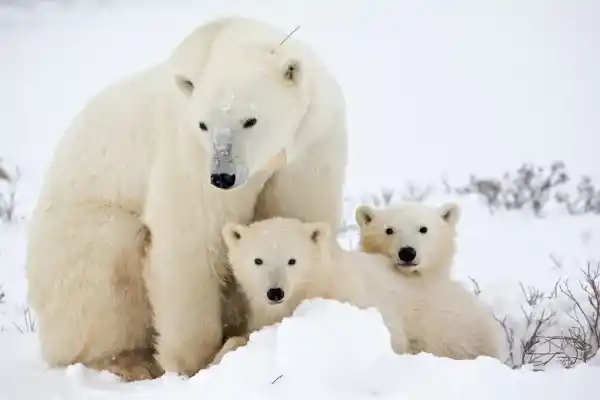
Polar bear (white bear)
Key threats : Arctic sea ice melt (disappearance of predation platforms), pollutant accumulation, industrial disturbance, and human-bear conflict.
Population Overview : It is estimated that there are only about 20,000 to 30,000 individuals left globally, and the population is generally declining. If warming continues, the population may decline further this century.
Key takeaways : Protecting sea ice is protecting polar bears; emissions reduction and the construction of marine and polar protected areas are of paramount importance.
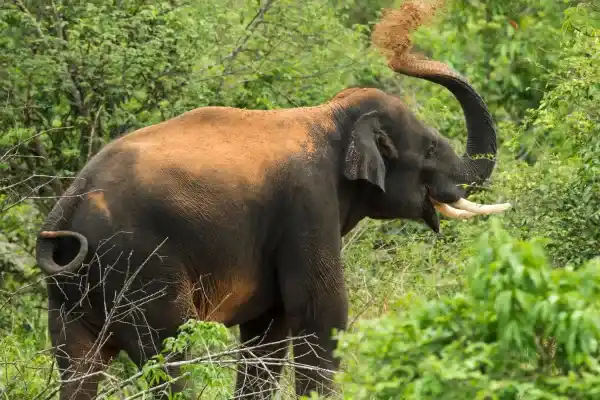
Elephants (African elephants and Asian elephants)
Classification : African elephants (Loxodonta africana) are generally classified as vulnerable ; Asian elephants (Elephas maximus) have several populations that are endangered , such as the Sumatran elephant.
Key threats : Illegal trade in ivory and body parts, habitat fragmentation, and human-elephant conflict.
Key approaches : cracking down on illegal trade, building ecological corridors, and establishing community co-management and compensation mechanisms.
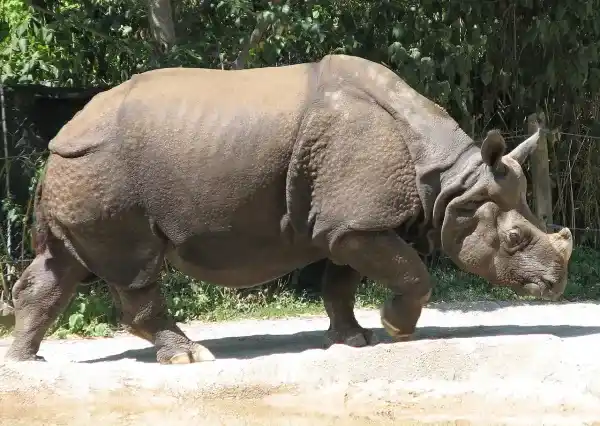
Javan rhinoceros (Rhinoceros sondaicus)
Status : Critically endangered , with very few individuals in the wild.
Main threats : poaching (high-priced rhinoceros horn demand on the black market), extremely limited habitat and concentration in a single location (high risk per individual site).
Key points : Strengthen anti-poaching efforts and expand habitat and genetic diversity management.
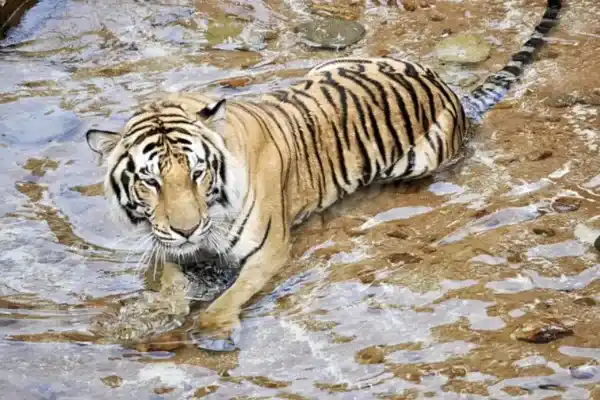
Tiger (Panthera tigris)
Number : Fewer than 4,000 in the wild, with many subspecies at high risk; Javan tiger and Bali tiger are extinct.
Key threats : poaching and the illegal fur/bone trade, and deforestation leading to habitat and prey loss.
Key points : anti-poaching, restoration of game populations, transnational conservation networks, and community engagement.
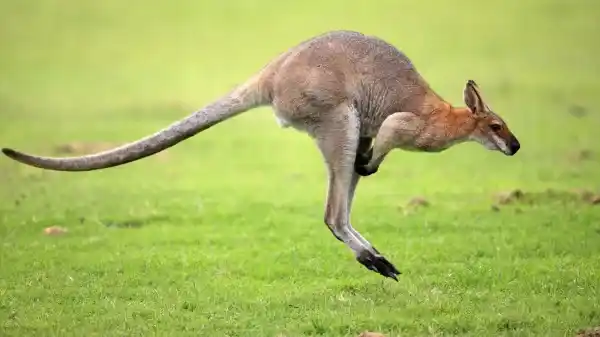
Kangaroo (Macropodidae)
Current status : While not universally listed as endangered, high temperatures and drought, habitat change, and development and hunting pressures threaten some populations, requiring close monitoring .
Key points : climate adaptation management, habitat connectivity, science-based quotas and local management.
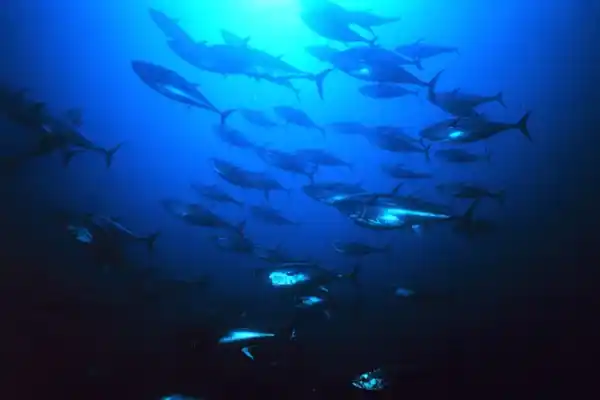
Red tuna (Atlantic bluefin tuna, Thunnus thynnus)
Problem : Overfishing and "netting for fattening" have led to a significant decline in its resources, especially driven by the high-end sushi market.
Countermeasures : Total quota, minimum body length limit, fishing ban during the breeding season, and crackdown on IUU (illegal, unreported, and unregulated) fishing and trade.
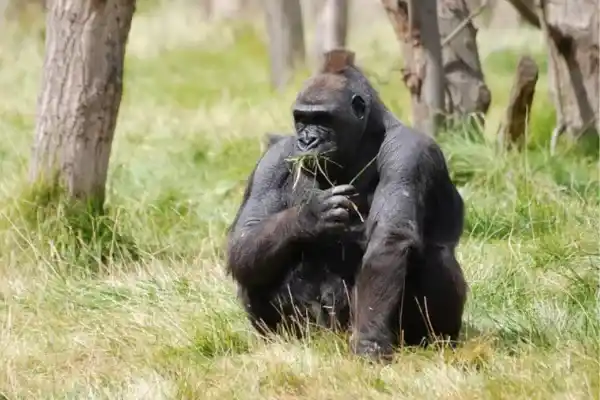
Mountain gorilla (Gorilla beringei beringei)
Status : Critically endangered , with fewer than 800 individuals remaining in the wild (slight fluctuations in different years).
Threats : poaching, disease, human activity, and habitat loss.
Key elements : anti-poaching patrols, ecotourism funding support, cross-border conservation, and disease monitoring.
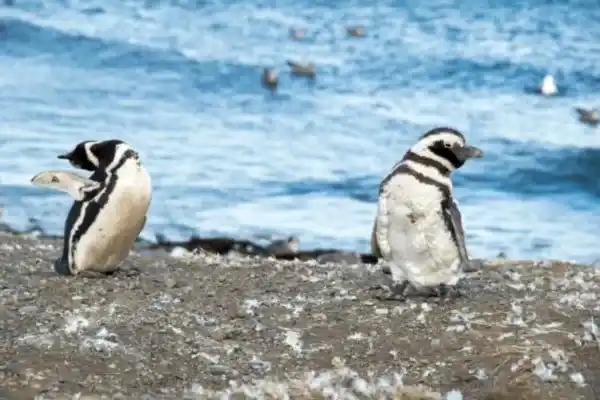
Penguin (Spheniscidae)
Problems : Sea ice retreat and ocean warming are altering food webs, leading to high mortality rates during migration; some populations are entering high-risk areas .
Key points : marine protected areas, fisheries management, climate mitigation and seabird breeding ground protection.
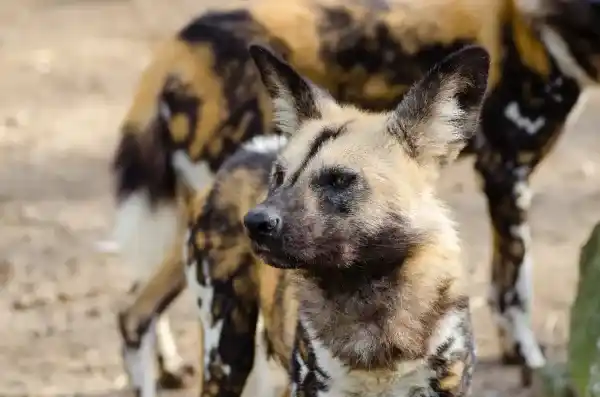
African wild dog / African wild dog (Lycaon pictus)
Status : Endangered and declining .
Threats : Habitat fragmentation, poaching and bycatch, conflict with domestic dogs/livestock, and disease transmission.
Key points : large-scale ecological connectivity, community collaboration, disease prevention and control, and mitigation of human-wildlife conflict.
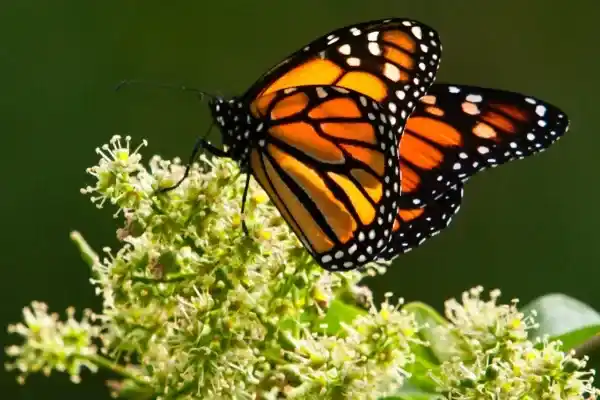
Monarch Butterfly (Danaus plexippus)
Problem : Extreme weather, reduced nectar/host plants along migration routes, and habitat loss lead to huge interannual fluctuations .
Key points : Restoring milkweed (host plant) and flower source corridors, protecting transnational migration routes, and managing pesticides.
More global endangered species lists (excerpt and classification)
Large mammals : brown bear, Asiatic black bear (Malaysian sun bear/Tibetan bear), American black bear, snow leopard, Amur leopard, Asiatic lion, cougar, jaguar, cheetah, tapir, okapi, giraffe, manatee, etc.
Primates : common chimpanzees, Mandrills, golden monkeys (including Yunnan golden monkeys), various lemurs, spectacled bears (Andean bears), giant anteaters, etc.
Rhinoceroses and even-toed ungulates : white rhinoceros, black rhinoceros, Sumatran rhinoceros, saiga antelope, guanacus and camel (including Bactrian camel), etc.
Cetaceans and marine mammals : blue whales, killer whales, pink dolphins, porpoises/vaquitas (including the critically endangered Gulf porpoise), giant otters, and various seals (hooded seals, Caspian seals, Hawaiian monk seals, Mediterranean monk seals, etc.).
Birds : California condor, crowned crane, Philippine eagle, harpy eagle, imperial eagle, shoebill stork, queetzal, etc.
Reptiles and amphibians : Galapagos penguins (listed as birds but related to reptile symbiosis), Komodo dragons, Indian crocodiles, various sea turtles (including hawksbill turtles and loggerhead turtles), purple frogs, etc.
Fish and marine life : whale sharks, sturgeon (including Caspian sturgeon), manta rays, various sharks, angel wing sea slugs, etc.
Invertebrates and endemic species : regionally endemic and endangered species such as European mink, Mexican newt (Ajolote), and Tobiano grebe.
Psittaciformes : Many types of macaws (red, green, shrike, blue macaw, etc.) are in dire straits due to both habitat loss and the pressure of being hunted for pets.
The above is a summary and examples of the long list. The specific species list and protection level will be updated with the new assessment. The actual list should be based on the endangered lists of each country and the IUCN Red List.
How do we protect endangered animals?
Personal level
Green living : Reduce single-use items, prioritize reusable and recyclable products, and join "zero waste" practices.
Low-carbon travel : Replace short-distance driving with walking, cycling, or public transportation.
Consume rationally : Refuse to buy wildlife products (fur, tusks, shells, coral, etc.) and choose certified sustainable products.
Reporting and participation : Report any clues of illegal trading or poaching in a timely manner ; join or donate to conservation organizations, volunteer, and share science information.
Community Action : Explore local conservation projects in your city/community to promote waste sorting, ecological restoration, and science education in schools.
Social and policy level
Strict law enforcement : Increase penalties for illegal trade and poaching , and improve evidence collection and cross-border cooperation.
Habitat protection and ecological corridors : Restoring connectivity and reducing population isolation through protected areas and ecological corridors.
Industrial and land use transformation : Promote the transition of forestry, fisheries, and tourism to sustainable models and reduce the encroachment on key habitats.
Education and intergenerational transmission : Strengthen biodiversity education in schools and media to establish a public awareness that " species extinction is irreversible ."
Key points from expert interviews (from the perspective of environmental lawyers)
Regulatory framework : At the EU level, the Habitat Directive (92/43/CEE) sets minimum standards for species and habitat protection for member states, which each member state must implement and tighten through its domestic laws.
Reform demands : Many species still face a " protection vacuum " at the list and implementation levels. Resistance from economic departments and insufficient local implementation are key reasons why protection efforts are "unable to move forward".
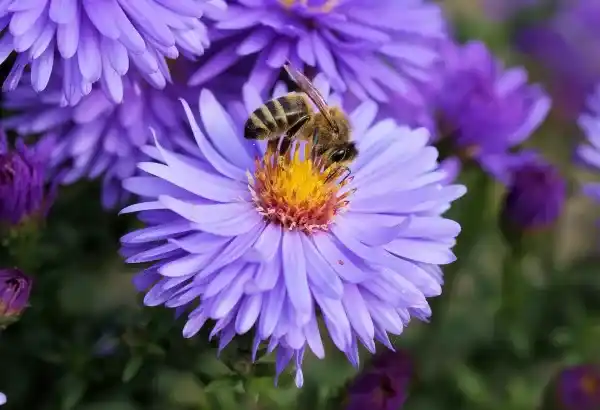
Priority should be given to pollinators such as bees , as rising temperatures and the impact of invasive species (such as Asian wasps ) could pose a systemic risk to food security if the situation continues to worsen.
Public suggestion : Information and dissemination are crucial. Even without the financial means to donate, science communication can be expanded through social media and community activities to build social consensus and policy pressure.
Extended Topic Overview
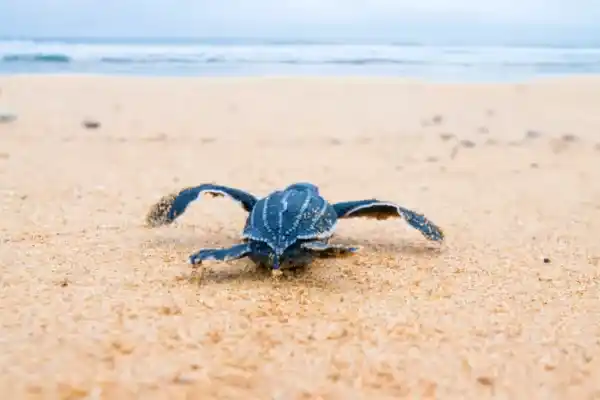
Is the leatherback turtle endangered?
Status : Rated as highly vulnerable/endangered (with significant regional variations), with approximately 20,000–30,000 individuals worldwide.
Threats : Incidental fishing (longline fishing, gillnetting), loss of spawning grounds, light pollution, and marine debris.
Countermeasures : Improve fishing gear and limit fishing, protect spawning beaches and migration corridors, and reduce plastic use by the public.
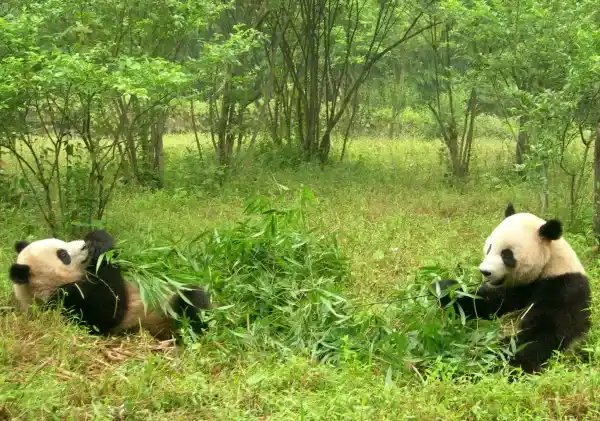
Are giant pandas endangered?
Current status : It has been downgraded from endangered to vulnerable , and its overall status is slowly recovering .
Key points : Bamboo forest habitat protection, national park system, and scientific breeding/release. Downgrading does not equate to safety; continued protection is still necessary.
Are koalas endangered?
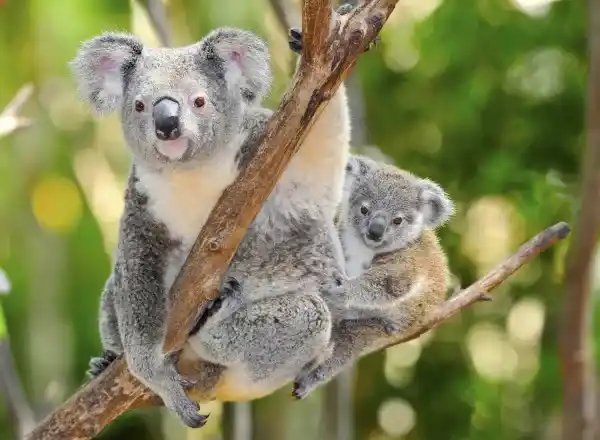
Status : IUCN Classified as Vulnerable and Declining .
Controversy and Updates : There has been discussion about "functional extinction," but mainstream research suggests that the species is not on the verge of extinction overall , although habitat loss, fires, and diseases have caused populations to shrink rapidly in some areas.
Countermeasures : Habitat conservation, disease monitoring, fire management, and urban expansion regulations.
Conclusion
Every extinction of a species is an irreversible loss.
Protecting endangered animals is not a "small matter for hobbyists," but a public issue closely linked to our food security, climate resilience, and economic future. From everyday choices to policy participation, each of us can be a part of making a difference:
Reject illegal wildlife products
Support for guardianship organizations and scientific research
Promoting green transformation and strict law enforcement
Participating in environmental education for the community and the next generation
Only when social consensus and policy efforts work together can endangered species have a chance to escape the brink of disaster.
Referencias
Australian Koala Fundation (AKF) en mayo de 2019. Australian Koala Foundation calls on the new Prime Minister to protect the koala. Rescatado en mayo de 2019:
https://www.savethekoala.com/sites/savethekoala.com/files/uploads/AKF_press_release_10_may_2019.pdf
Michael Le Pag. New Scientist mayo de 2019. No, koalas are not 'functionally extinct', but they are in trouble.
Bibliografía
The IUCN Red List of Threatened Species. Disponible en: https://www.iucnredlist.org/