The tiger (scientific name: Panthera tigris ) is the largest cat species in the world. Adult males can weigh up to 300 kilograms and be more than 4 meters long (including the tail). They are the top predators in forests and grasslands.
However, due to overhunting by humans, habitat destruction, and a decrease in prey, the number of wild tigers worldwide has plummeted— only about 3,200 remain , facing extinction.
Data from the World Wildlife Fund (WWF) shows that the number of captive tigers is also declining .
If poaching and habitat destruction continue, scientists predict that tigers may disappear within the next 15 to 20 years .
This not only means the loss of a rare species, but also disrupts the balance of the ecosystem.
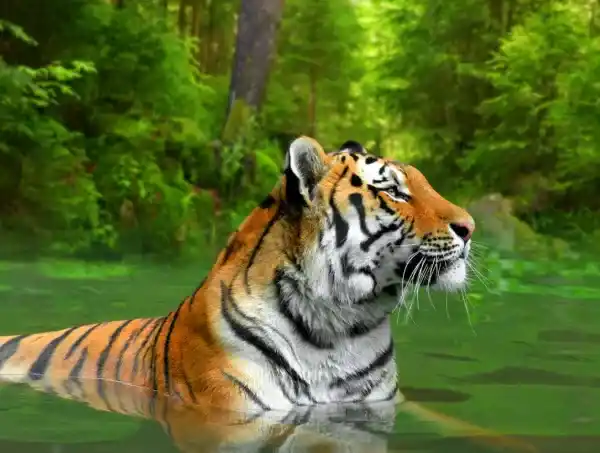
Key characteristics and habitat of tigers
Before understanding why tigers are endangered, let's first learn about their biological characteristics and habitat in order to better understand the necessity of conservation efforts.
Basic characteristics of tigers
Scientific name : Panthera tigris
Weight : 100–300 kg; males are usually larger than females.
Body length : Males approximately 2.5–4 meters (including tail), females approximately 2–3 meters.
Shoulder height : 70–120 cm
Lifespan : Approximately 15 years in the wild
Sexual maturity : 3–5 years old
Pregnancy period : approximately 4 months
Number of pups per litter : usually 2–3
Diet : Purely carnivorous, capable of consuming up to 6 kilograms of meat per day.
Lifestyle habits : Adults live alone and have a strong sense of territory.
Stripe characteristics : Each tiger has a unique stripe pattern, like a "fingerprint," which provides excellent camouflage.
Aquatic Habits : Contrary to common belief, tigers enjoy playing in the water and are excellent swimmers.
Tiger habitat
Tigers are mainly distributed in Asia , especially:
India
China
In addition, they can live in a variety of terrestrial ecosystems in the Russian Far East, including:
Tropical and subtropical rainforests
Humid forests and temperate forests
coastal mangroves and marshes
savanna and shrubland
High mountain forests and snow-covered areas
Reasons why tigers are endangered
Human activities are the primary factor leading to the sharp decline in tiger numbers, specifically including:
1. Poaching and Illegal Trade
Tiger fur, bones, and body parts have long been traded at high prices on the black market.
Illegal hunting still exists in some regions (such as southwest China, the Russian Far East, and Nepal).
According to the Save the Tiger Foundation, tiger bone powder can sell for about 65 euros per kilogram , while a complete tiger skin can fetch more than 60,000 euros in Tibet and Russia .
2. Habitat loss
Large-scale deforestation, agricultural expansion, urbanization, and infrastructure construction have severely reduced the range of tigers.
Habitat fragmentation hinders gene flow between populations and reduces reproductive success.
3. Reduced prey supply
Overhunting of medium-sized mammals such as wild boar and deer has deprived tigers of a stable food source, leading to further decline in their population.
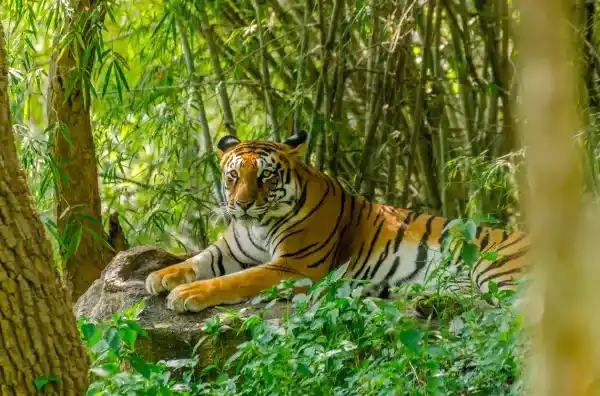
Tiger distribution and endangered status
Wild tigers primarily inhabit Asia and are a national symbol of India and Bangladesh .
The six existing subspecies include:
Bengal tiger ( Panthera tigris tigris )
Indochinese tiger ( P. t. corbetti )
Malayan Tiger ( P. t. jacksoni )
Siberian tiger (Amur tiger) ( P. t. altaica )
Sumatran tiger ( P. t. sumatrae )
South China tiger ( P. t. amoyensis ) – now considered functionally extinct in the wild.
Today, the number of captive tigers exceeds the number of wild individuals , and they are mostly kept in zoos or wildlife sanctuaries.
Although some protected areas offer relatively spacious activity areas, human intervention and continuous monitoring are still necessary.
Most endangered subspecies: Bengal tiger
Of the existing subspecies, the Bengal tiger is the most numerous but also faces the greatest threat.
It is mainly distributed in the dense forests and wetlands of the Indian subcontinent , preying on medium-sized mammals such as wild deer and wild boar.
Adult males can exceed 4 meters in length (including the tail) and weigh up to 390 kilograms ;
The females are relatively small, weighing about 180 kilograms .
Habitat destruction and poaching have caused their numbers to decline sharply, leading to their listing as an endangered species .
Measures to protect tigers
Saving tigers requires global cooperation and public participation .
For the most critical subspecies, such as the Bengal tiger, protection should be prioritized while also taking other subspecies into consideration.
Actions that the public can take
Resist the illegal wildlife trade . Do not buy goods containing tiger skins, tiger bones, or related products, and report illegal trade.
Support conservation organizations by donating to charitable organizations such as WWF and Save the Tiger, or by participating in volunteer activities.
Technology aids conservation : The use of technologies such as artificial intelligence, infrared cameras, and satellite tracking is being promoted to monitor tiger populations and poaching activities.
Promote policy and legal reforms . Call on governments to strengthen law enforcement, increase penalties for poaching and smuggling, and protect critical habitats.
Strengthen public education and awareness campaigns to enhance people's understanding of the ecological value of tigers and the necessity of their protection, especially environmental education for young people.
Choose eco-certified products .<br />Buy sustainable products that have government or international certifications to avoid indirectly funding industries that destroy wildlife habitats.
Conclusion: The King Who Guards the Forest
Tigers are not only magnificent apex predators, but also key species in maintaining the balance of Asian forest ecosystems.
Their decline not only represents a loss of biodiversity, but also foreshadows a deterioration in the health of the ecosystem.
By combating poaching and illegal trade, protecting and restoring habitats, and promoting public participation and international cooperation ,
We still have the opportunity to allow tigers to continue to exist on Earth and to protect the ecological balance of forests and grasslands.
Protecting tigers is protecting the natural home on which humanity depends for survival.