Smell is an extremely important survival instinct for animals. This sense not only helps them find prey in the vast wilderness, but also allows them to sense danger, identify mates, recognize offspring, and mark and identify territory. In comparison, the human sense of smell seems insignificant.
So, which animals have the most powerful sense of smell? In this article, we'll introduce you to 25 of the most sensitive animals and explain how they use this sense to adapt to their environment and improve their survival efficiency.
1. Great White Shark (Carcharodon carcharias)
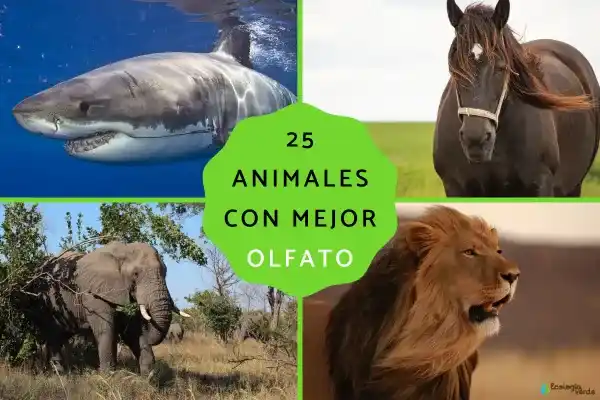
Great white sharks possess an extremely keen sense of smell, capable of detecting a single drop of blood in millions of liters of seawater across vast oceans. They can sense injured prey within a range of 100 to 800 meters, a key reason for their high hunting efficiency.
Their olfactory organs are located below their snout and consist of symmetrical olfactory sacs. However, the great white shark's sense of taste is almost completely degenerate, and it relies almost entirely on its sense of smell to detect prey.

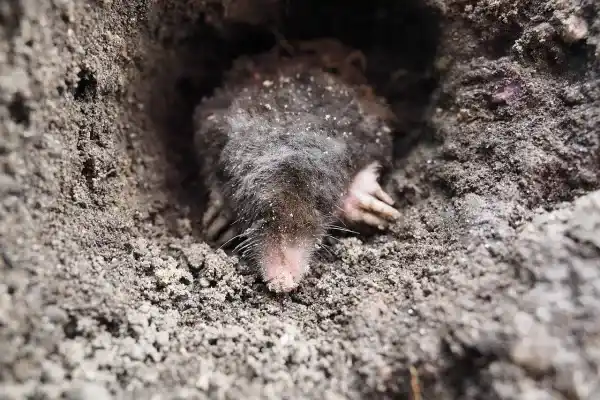
2. Mole (Talpidae)
Moles live underground and have degenerated eyesight, but a highly developed sense of smell. Their nostrils can perceive different information from the left and right sides, allowing their brains to accurately locate prey through "stereoscopic olfaction." Some species are only 2.5 centimeters long, yet they still manage to survive and reproduce successfully by relying on their sense of smell.
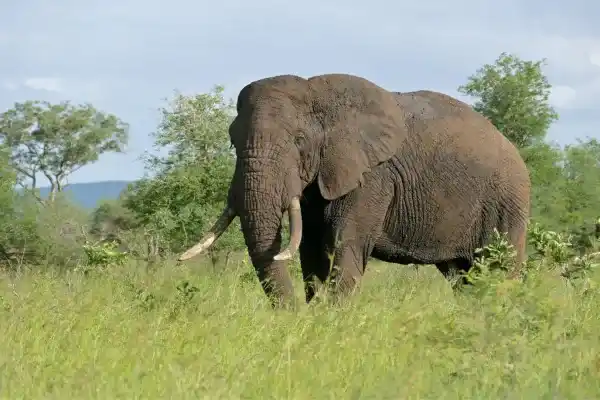
3. African elephant (Loxodonta africana)
African elephants are considered to have the most sensitive sense of smell in the entire animal kingdom. Their trunks are not only used for breathing and carrying objects, but also as super "sniffers," capable of detecting water sources or food several kilometers away.
African elephants possess over 2,000 olfactory receptor genes, far exceeding those of humans and other mammals, making them the "kings of smell."
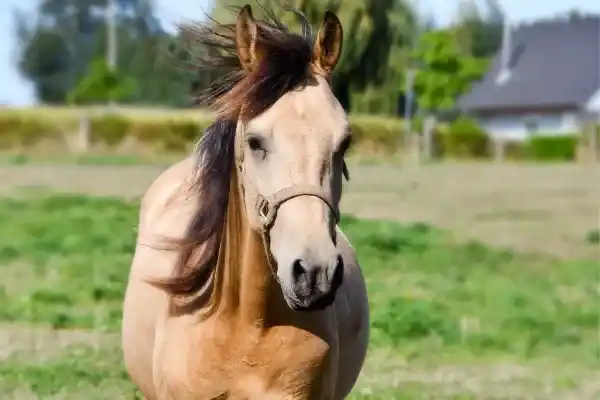
4. Horse (Equus ferus caballus)
Horses possess nearly 1,000 olfactory receptor genes, enabling them to sense the location of underground water sources. They are extremely sensitive to the smell of death and can avoid approaching areas of decay. Furthermore, horses can distinguish between familiar and unfamiliar humans by smell, exhibiting excellent olfactory memory.
5. Lion (Panthera leo)
While lions are best known for their vision, their sense of smell is equally remarkable. During the dry season, they can detect prey up to 1.6 kilometers away by smell, and they also use scent to find mates or avoid trespassing into the territory of other prides.

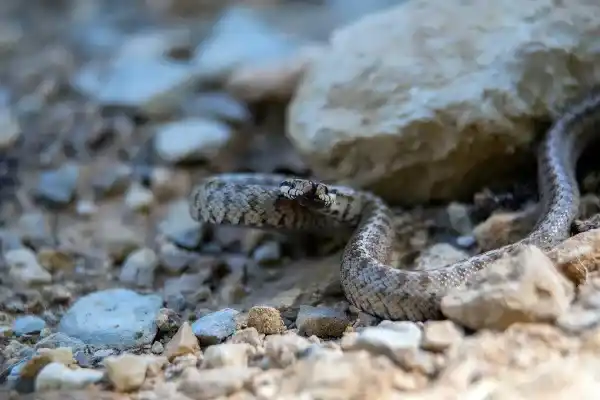
6. Snakes (Ophidia suborder)
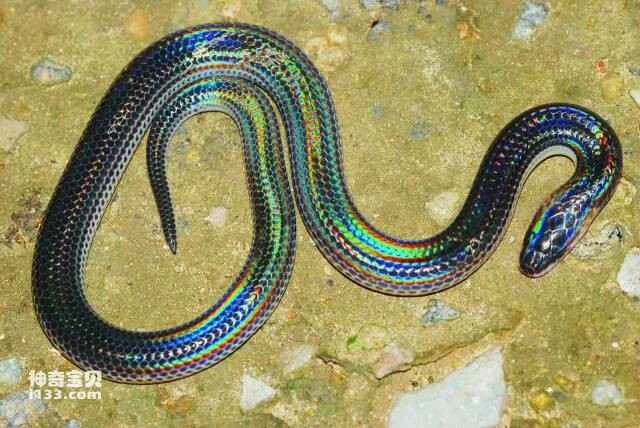
Snakes do not smell through their nostrils; instead, they use their forked tongues to lick chemical particles in the air, then transmit the information to their brains via the Jacobson organ for analysis. This highly efficient method of olfaction is a key means for them to hunt and identify their environment.
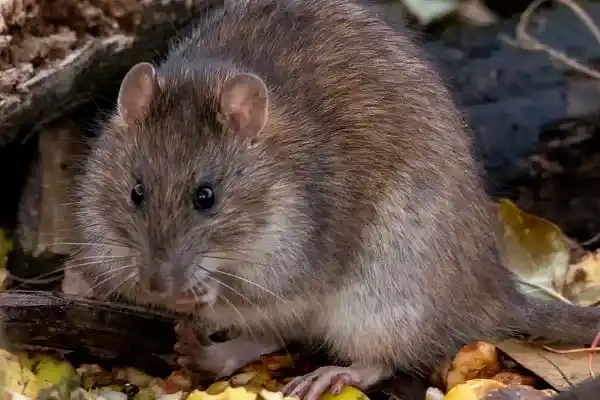
7. Mouse (Rattus spp.)
As nocturnal animals, mice have poor eyesight but an extremely keen sense of smell. They possess a large number of olfactory receptor genes and also use the Jacobson organ to assist in identifying information, enabling them to quickly perceive information about food, predators, or the sex of their own kind.
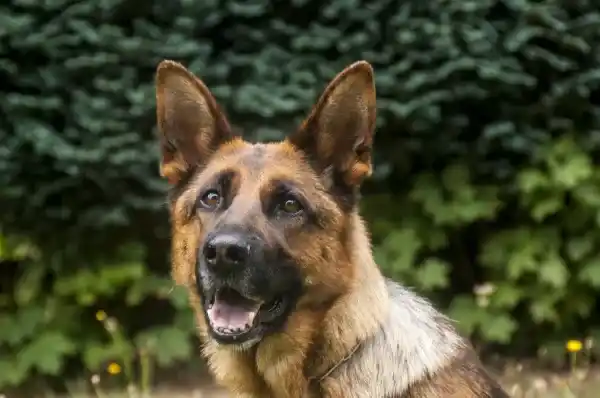
8. Dog (Canis lupus familiaris)
Dogs are the most famous "smell champions." Scent dogs such as Spanish Shepherds, German Shepherds, and Basset Hounds can detect scents from two days ago. The wrinkles on their faces and their abundant saliva help to capture and enhance scents, making them invaluable assets in law enforcement and search and rescue operations.
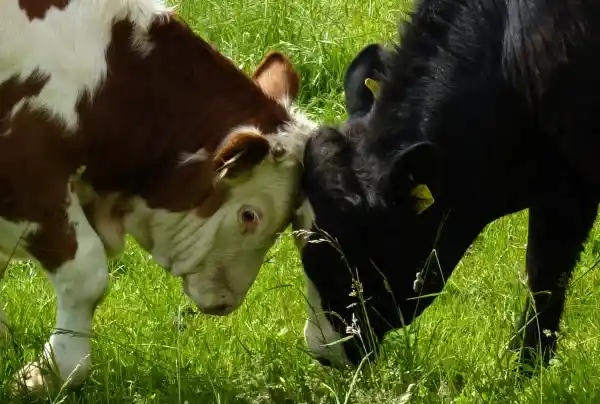
9. The cow and the bull (Bos primigenius taurus)
Cattle possess approximately 1,000 olfactory receptor genes, enabling them to detect scents up to 10 kilometers away. They can remember their owner's scent and use their sense of smell to return to their dwelling on their own. This instinct is very common in pastoral areas.
10. Pigs and wild boars (Suidae family)
Pigs and wild boars have an exceptionally developed sense of smell, making them "professionals" at finding underground truffles. They have nearly 1,100 olfactory genes, comparable to those of cows and horses, giving them an extremely strong ability to distinguish scents.
11. Rabbit (Lagomorpha order)
Rabbits use their sensitive noses to continuously explore their environment, detecting the presence of food and predators. They also use their sense of smell to identify reproductive information from their companions or mates.
12. Gray Wolf (Canis lupus)
As apex predators, gray wolves possess a keen sense of smell that can detect prey or companions several kilometers away, making it a core tool in team hunting.
13. Guinea pig (Cavia porcellus)
Guinea pigs can not only recognize the scent of their own kind, but also sense changes in their owner's body odor, making them a subject of many experiments studying olfactory behavior.
14. Grizzly bear (Ursus arctos horribilis)
Grizzly bears are considered to have one of the strongest senses of smell on land, capable of detecting carrion or schools of fish up to 30 kilometers away.
15. Vulture (family Accipitridae and Cathartidae)
Vultures are among the few birds with a strong sense of smell, which allows them to locate carcasses at high altitudes with astonishing precision.
16. Domestic cat (Felis silvestris catus)
While cats are known for their keen eyesight, their sense of smell should not be underestimated, especially in recognizing their owners, companions, or prey.
17. Frog (Ranidae family)
Some frogs use their sense of smell to find food and mates in both aquatic and terrestrial environments, especially at night or in murky waters.
18. Kiwi (Apteryx spp.)
This bird, unique to New Zealand, relies primarily on its sense of smell to find insects and maggots, making it one of the very few birds that depend on their sense of smell to find food.
19. Tortoise (Chelonia order)
Both aquatic and terrestrial turtles can locate food or familiar habitats using their sense of smell and are extremely sensitive to chemical signals in the environment.
20. Ants (Family Formicidae)
Ants rely on their powerful chemical communication abilities to sense odors, pheromones, and route markers through their antennae, making them the most representative "olfactory masters" among social insects.
21. Possum (order Didelphimorpha)
Opossums rely heavily on their sense of smell to find fruit or small prey when they are active at night, and their olfactory system is highly adapted.
22. Albatross (family Diomedeidae)
These seabirds can detect the scent of food thousands of meters away while flying, making them the champions of smell among ocean predators.
23. Polar bear (Ursus maritimus)
Polar bears can sniff out seals under the ice several kilometers away, making them one of the most olfactory mammals in the polar environment.
24. Bee (Antophila)
Bees use their sense of smell to identify flower scents, pheromones, and the location of their nests, making their sense of smell among the best of all insects.
25. Guinea pig (Cavia porcellus)
This underscores the importance of guinea pigs, which have demonstrated remarkable olfactory adaptability in both laboratory and pet settings.
If you enjoyed this article, "The 25 Animals with the Most Sensitive Sense of Smell," please continue browsing our website's "Wildlife" section to discover more amazing survival instincts in the animal kingdom!
References
Niimura, Y., Matsui, A., & Touhara, K. (2014). Extreme expansion of the olfactory receptor gene pool in African elephants and evolutionary dynamics of orthologous genomes in 13 placental mammals. Genome Research, 24(9), 1485-1496.
Beatty, R., Beer, A., and Deeming, C. (2010). Nature Library. Dorling Kindersley, UK.