Insects are the most abundant group of animals in the world, with an estimated 5.5 million species globally, of which over 1 million have been discovered, representing more than half of all described eukaryotes. Insects play a variety of roles in ecosystems, such as loosening and aeration, pest control, seed production, and serving as a food source for other animals. Today, we'll introduce some of the world's most remarkable insects, including the world's largest insect (Titan beetle), the world's highest-jumping insect (bubble bug), the world's loudest-sounding insect (cicada), the world's smallest insect (fairy wasp), the world's fastest-flying insect (Australian dragonfly), the world's shortest-lived insect (mayfly), the world's most prolific insect (hepial moth), the world's longest insect (stick insect), the world's fastest-flapping wing insect (midge), and the world's most camouflaged insect (orchid mantis). Let's take a look at the details below.
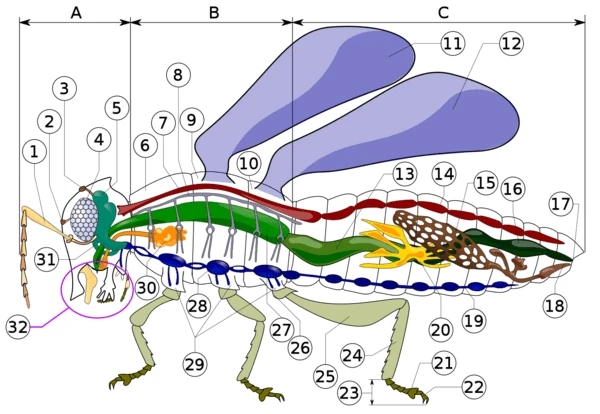
Insect Anatomy Diagram A - Head B - Thorax C - Abdomen 1. Antennae 2. Oculum (anterior) 3. Oculum (superior) 4. Compound Eye 5. Brain (Cranial Ganglia) 6. Prothorax 7. Dorsal Artery 8. Trachea 9. Mesothorax 10. Metathorax 11. Forewing 12. Hindwing 13. Middle Viscera (Stomach) 14. Heart 15. Ovary 16. Posterior Viscera (Intestine, Rectum, and Anus) 17. Anus 18. Vagina 19. Ventral Nerve Cord 20. Malpighian Tubes 21. Claw Pads 22. Claws 23. Tarsus 24. Tibia 25. Femur 26. Trochanter 27. Anterior Viscera (Crop) 28. Thoracic Ganglia 29. Coxae 30. Salivary Glands 31. Hypopharyngeal Ganglia 32. Mouthparts
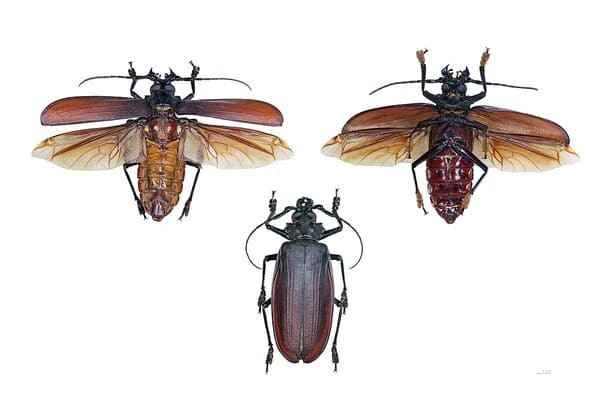
1. The world's largest insect (Titan beetle)
Titan beetles, considered one of the largest insects in the world, are primarily found in the tropical rainforests of Colombia, Peru, Guyana, Ecuador, and north-central Brazil. In these areas, male Titan beetles are easily attracted using mercury lamps. Adult Titan beetles can reach lengths of 12 to 17 centimeters! Including their antennae, they can even reach 18 to 23 centimeters! It is said that the Titan beetle's mandibles are powerful enough to bite through a pencil and even cut into human skin.
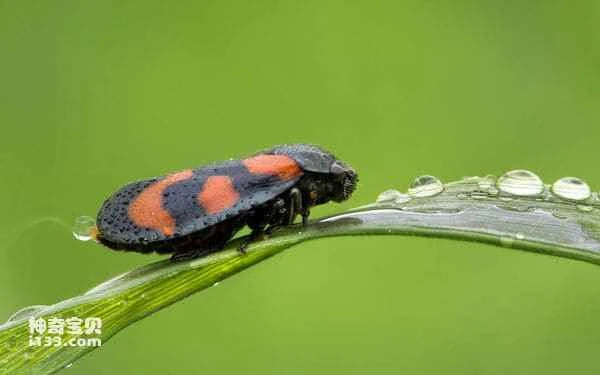
2. The world's highest-jumping insect (bubble bug)
The bubble blower is one of the strongest jumping insects. It feeds on plants, and female bubble blowers often lay their eggs on plant stems, protecting their offspring with a foamy substance they secrete. This insect rarely flies, primarily moving by leaping between plants.
Traditionally, scientists have considered fleas to be the most powerful jumping insects, capable of leaping with a force 136 times their own body weight, making them top high jumpers. However, research by Dr. Malcolm Barros of the University of Cambridge in the UK has revealed a startling discovery: bubble bugs can jump with a force 414 times their own body weight. This extraordinary power allows these tiny insects to leap to a height of approximately 68.6 centimeters.
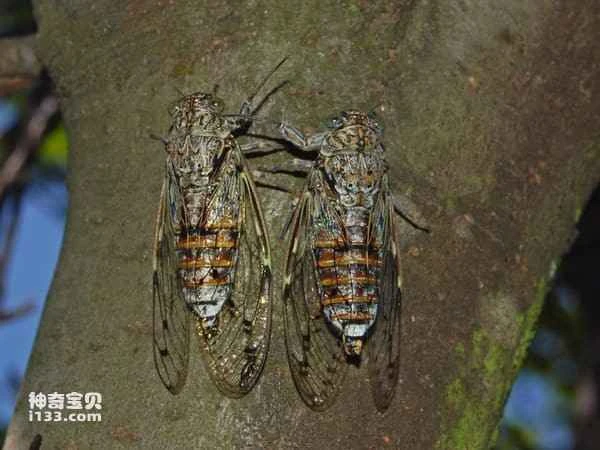
3. The loudest insect in the world (cicada)
Cicadas are insects that live in temperate to tropical regions of the world. They are known for their loud calls and are therefore considered one of the most annoying insects. Cicadas have two pairs of membranous wings that are basically the same shape, a relatively wide and short head, and a prominently protruding base to the frontal labrum. They have fairly good eyesight, with small compound eyes located on the sides of their head and spaced apart, as well as three simple eyes.
Male cicadas attract females by singing. Their vocal organs, located in their abdominal muscles, resemble a large drum covered by a thin membrane. Sound is produced when the tympanic membrane vibrates. Because the cicada's vocal muscles can contract and expand approximately 10,000 times per second, air vibrations occur between the tympanic membrane and the cover plate, creating a resonance effect that makes their calls particularly loud. Cicadas can also take turns using various different tones to sing rousing songs.
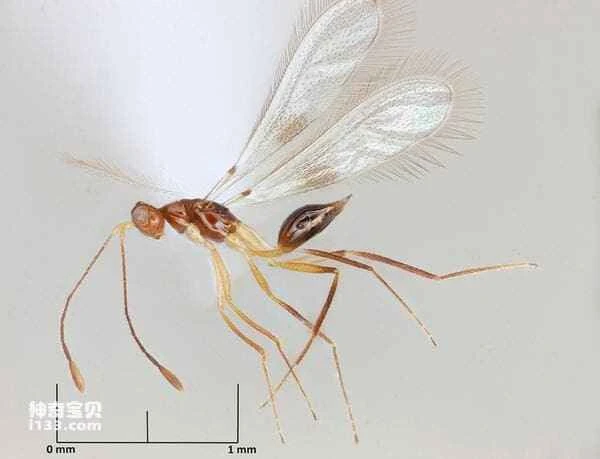
4. The world's smallest insect (fairy bee)
The fairy wasp is one of the smallest insects in the world, measuring only 0.2 millimeters in length. As the world's smallest flying insect, the fairy wasp primarily feeds on the eggs of other insects. It mainly parasitizes thrips, absorbing their nutrients to meet its own needs and laying its eggs inside the host to complete its reproduction.
Many thrips are pests of crops, so fairy wasps are often used as an effective strategy for the biological control of thrips pests. By utilizing fairy wasps as a biological control method, the damage caused by thrips pests to crops can be effectively controlled and reduced.
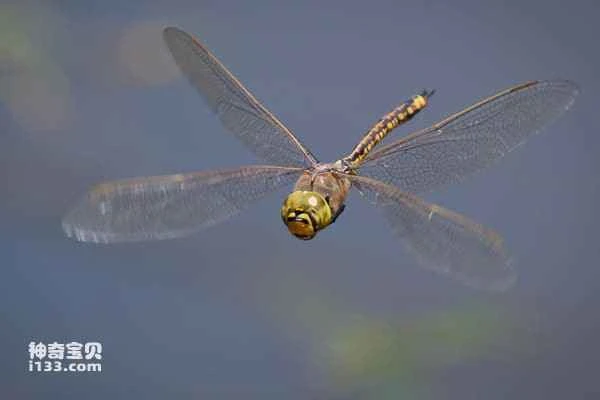
5. The world's fastest flying insect (Australian dragonfly)
The Australian dragonfly is one of the fastest insects in the world, capable of reaching speeds of up to 58 kilometers per hour in short sprints. As the largest of the more than 5,000 dragonfly species, the Australian dragonfly can reach a length of 12 centimeters. They have slender, cylindrical bodies and transparent, thin wings with clearly visible reticulated veins. The Australian dragonfly's flight speed is extremely fast, especially in short sprints, reaching speeds of up to 58 kilometers per hour, making it arguably the fastest flying insect.
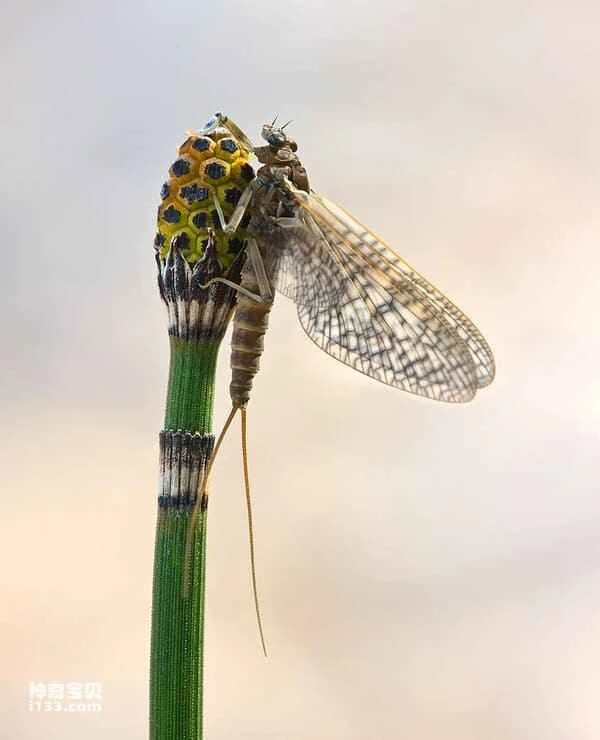
6. The shortest-lived insect in the world (mayfly)
Adult mayflies are among the shortest-lived insects, living for only a brief day. They belong to the order Ephemeroptera, and these insects possess unique and ancient characteristics, belonging to the most primitive winged insects. They are small to medium-sized, with slender, soft body walls, small heads, and short, bristle-like antennae.
Mayfly larvae live in water, typically inhabiting freshwater lakes or streams. After a larval stage of about 24 hours, they molt and become adults. Adults have extremely short lifespans and do not feed, generally living only a few hours to a few days; hence, they are sometimes described as "born in the morning and dying at dusk." During their short lives, the primary responsibility of adult mayflies is reproduction.
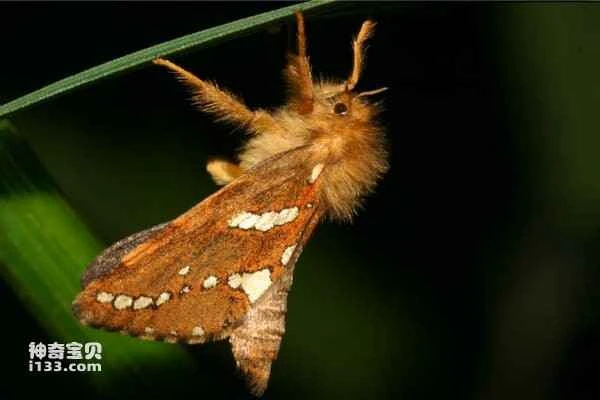
7. The most prolific insect in the world (the bat moth)
Hepialus moths are among the most prolific insects, with a single female capable of laying over 29,000 eggs. Taxonomically, they belong to the family Hepialidae, genus Hepialus, and their scientific name is *Hepialus chinensis*. To date, more than 20 similar populations have been discovered, resulting in nearly 300 different species worldwide, each distributed across different habitats, thus exhibiting a degree of variation.
The larvae of the ghost moth are crucial to the growth of Cordyceps sinensis. These larvae typically parasitize Cordyceps, feeding on it. Cordyceps is a herbaceous fungus that parasitizes insects. The larval stage is vital to the growth of Cordyceps sinensis within the ghost moth's life cycle.
There are many species of ghost moths, some of which are among the largest moths, with wingspans exceeding 22.5 centimeters. In Europe and North America, ghost moths are typically brown or gray with silver spots; while in regions like Africa, New Zealand, and Australia, they are brightly colored. Ghost moths are fast fliers, but they do not follow a fixed flight path and fly randomly.
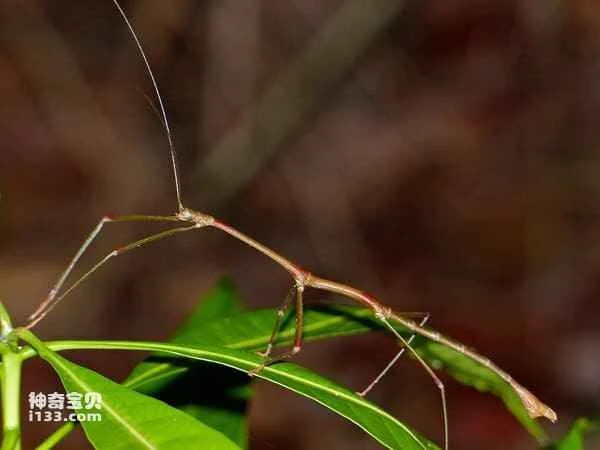
8. The world's longest insect (stick insect)
Stick insects, also known as stick crickets, are among the largest insects in the world, with a maximum body length of up to 62.4 centimeters. They belong to the subclass Pterygota within the superorder Orthoptera and are known for their slender bodies. Some species are winged, while others are wingless. Stick insects are typically medium to large-sized insects, with a body length generally between 6 and 24 centimeters.
Stick insects are slow-moving, remaining still on branches during the day and becoming active at night to feed on leaves. They are primarily nocturnal, so they are usually motionless during the day. Because their shape closely resembles small twigs, they are generally difficult for enemies to spot. Stick insects are very adept at camouflage, only revealing their true identity when they move. This camouflage strategy allows them to effectively evade potential threats.
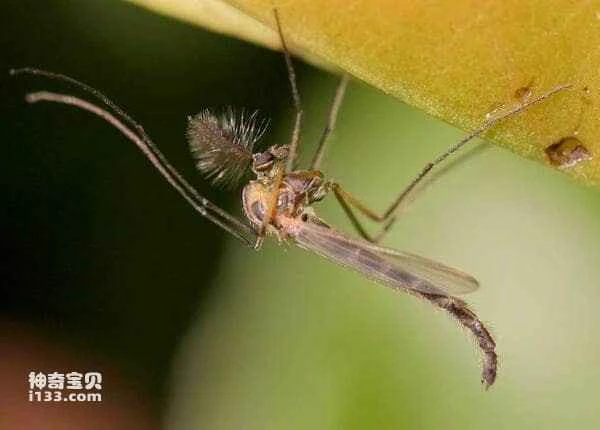
9. The insect with the fastest wing flapping in the world (midge)
Midges are insects that flap their wings at an extremely fast rate, estimated at about 63,000 times per minute. If the tips of a midge's wings are removed and it is placed in a high-temperature environment of 99 degrees Fahrenheit (about 37.2 degrees Celsius), the wing-flapping speed can reach about 130,000 times per minute. Midges are a very common and tolerant group of aquatic insects, widely distributed in various water bodies. They make up more than half of the total number of benthic invertebrates and account for 70% to 80% of the biomass of aquatic benthic animals.
Midges are abundant and play a vital role in the ecological balance of freshwater areas and in fish farming. They exert a crucial ecological influence in the water, playing a vital role in maintaining the stability of aquatic ecosystems. At the same time, midges provide abundant food resources for many aquatic organisms, promoting the proper functioning of the aquatic food chain.
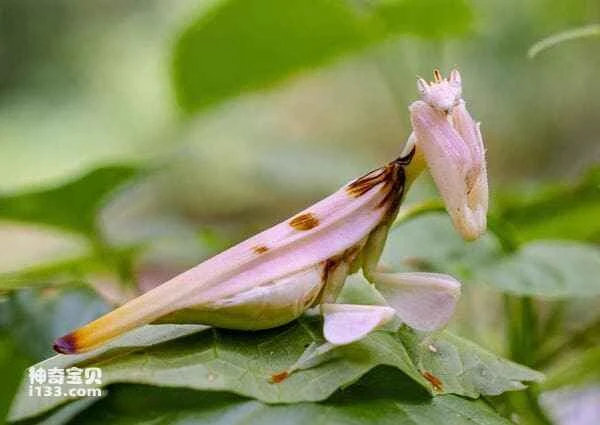
10. The world's most camouflaged insect (orchid mantis)
The orchid mantis is an insect with perfect camouflage. They exhibit extreme sexual dimorphism; adult females are about 6-7 cm long, while males are only about 2.5 cm. Males are significantly smaller than females and have distinct appearances. The male orchid mantis's legs have evolved to resemble petals in structure and color. Many different orchid species attract various orchid mantises, which can adjust their body color to match the flower's camouflage.
The orchid mantis is considered one of the most striking and beautiful species in the order Mantises. Its limbs have evolved petal-like structures in shape and color, allowing it to blend seamlessly into orchids and remain undetected by predators. This camouflage strategy enables the orchid mantis to employ highly effective ambush hunting methods, making it one of the most adept predators.
This list of the world's top ten insects is primarily based on the size, abilities, and other relevant information of various insects, and also references other online lists. This list is for reference only and aims to help you understand various world-record insects. If you have any questions, please feel free to comment or offer corrections at the end.