The Quietest Animal in Nature: A Miracle in Silence
2026-03-23 19:31:40··#1
In the animal kingdom, sound is a vital tool for survival and communication. However, some animals exhibit unique adaptations through silence. This article will explore the quietest animals, starting with the least vocal, and gradually reveal how these creatures survive and reproduce in nature through silence.
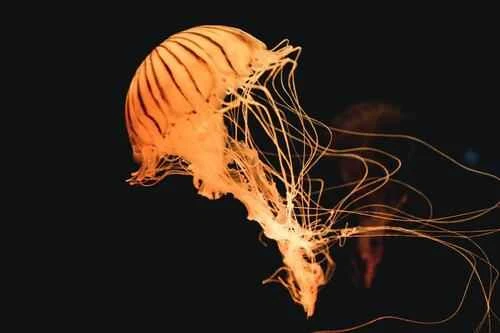
1. Jellyfish - Silent floaters
Jellyfish are among the oldest multicellular organisms on Earth. They are not only beautiful in appearance but also remarkably quiet. As skeletonless aquatic animals, jellyfish lack any means of vocalization. They move slowly, propelled by water currents, and prey on tiny marine creatures using stinging cells on their tentacles. The jellyfish's life is almost entirely silent, perfectly embodying the concept of "power in stillness."
Survival advantages of jellyfish
Silent Operation : Jellyfish drift and hunt with almost no sound, reducing the risk of being detected by predators.
Passive predation : They do not need to actively chase prey, but wait for the prey to touch their venomous tentacles, which greatly saves energy.
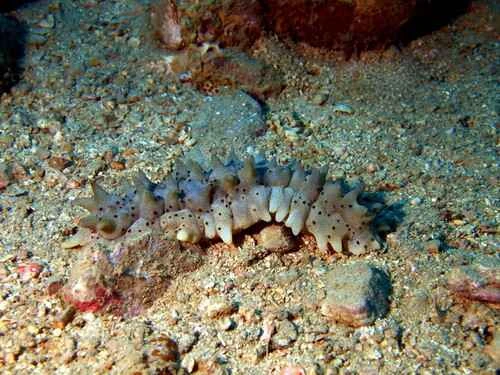
2. Sea Cucumber - The Tranquil Seabed Cleaner
Sea cucumbers are also extremely quiet creatures, inhabiting the seabed and playing an important role as scavengers in the marine ecosystem. They feed by ingesting sediment on the seabed, absorbing the organic matter within. During this process, the sea cucumber's activities produce almost no sound.
The uniqueness of sea cucumber
Silent environmental protectors : Sea cucumbers maintain the balance of the marine ecosystem by filtering organic matter from the seabed. Although they work silently, they have a profound impact on the environment.
Quiet survival strategy : Their slow and silent movements allow them to forage and reproduce without being detected by predators.
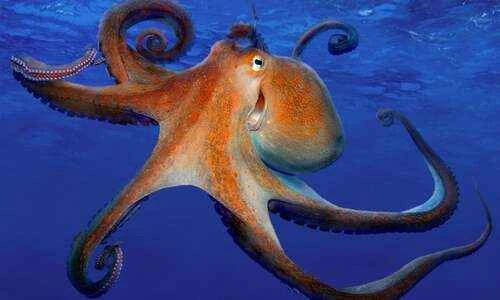
3. Octopus - A combination of wisdom and silence.
Octopuses are among the most intelligent marine creatures and also remarkably quiet predators. They can evade predators by changing color and squirting ink, and move with remarkable agility and silence. Octopuses do not communicate with their own kind or other creatures through sound, but rather rely on visual cues and touch to interact.
The Octopus's Silent Technique
Color change and camouflage : Octopuses can quickly change their skin color to blend into their environment and wait quietly for their prey to approach.
Silent movement : They propel themselves through the water using their tentacles, making almost no sound, which makes them extremely stealthy predators.
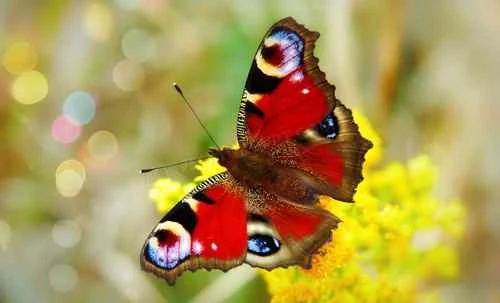
4. Butterfly - A silent dancer among the flowers
Butterflies are not only symbols of beauty but also remarkably quiet insects. Their delicate wings produce almost no sound when they flutter. Butterflies communicate with each other using visual cues and chemical scents, without relying on sound. This silent lifestyle allows butterflies to fly freely among flowers without disturbing their surroundings.
The quiet qualities of butterflies
Silent flight : Butterflies have thin wings that do not cause noticeable air disturbance when they flap, making them silent fliers.
Quiet courtship : Butterflies attract mates by the color and pattern of their wings, rather than by making sounds.
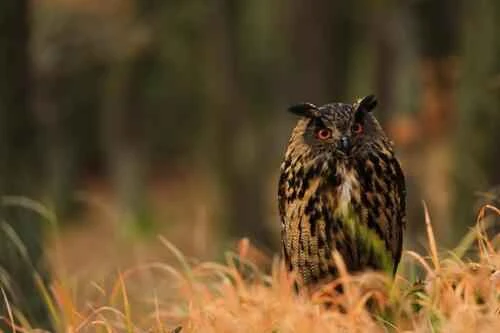
5. Owl - The silent hunter of the night.
Owls are known as "silent killers" because their flight is almost silent, making them ideal for ambushing prey at night. The special structure of an owl's feathers effectively reduces the sound of its flight, allowing it to approach its prey silently at night.
The Silent Hunt of the Owl
Feather structure : The surface of an owl's feathers has fine downy hairs, which reduces the air friction noise generated during flight, making their flight almost completely silent.
Silent hunting : Owls rely on their extremely keen hearing to locate their prey, rather than using sound to guide or confuse it.
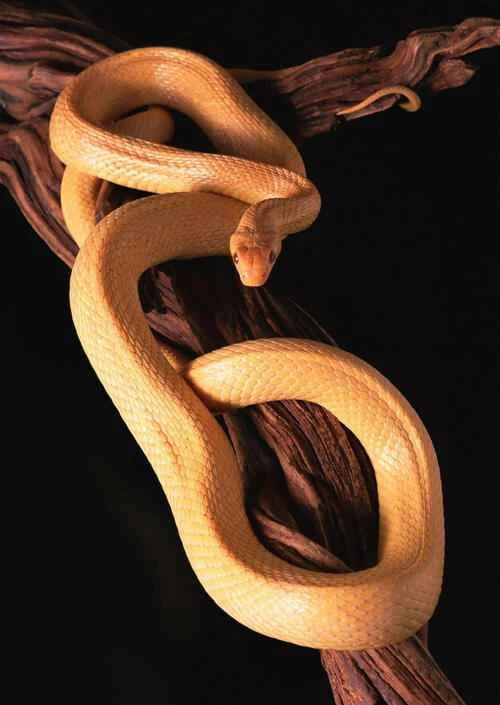
6. Snake - The silent ambush predator
Snakes are among the quiet predators in nature. They lack vocal cords and therefore cannot produce sounds like birds or mammals. Snakes hunt entirely by ambush and sudden strikes, making almost no noise during their actions and quickly subduing their prey.
The Snake's Silent Strategy
Silent gliding : Snakes slide forward using the scales on their bellies, reducing the noise of friction against the ground and quietly approaching their prey.
Ambush hunting : Snakes usually hide in grass or trees, waiting for their prey to pass by, and then attack with lightning speed.
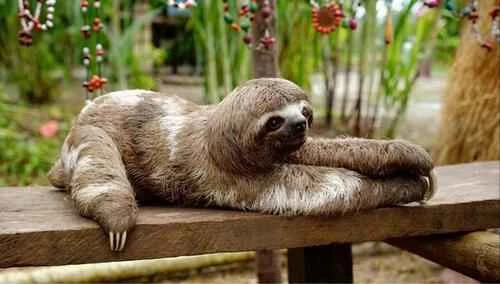
7. Sloth - The slowest and quietest mammal
Sloths are known for their slow movements and quiet lifestyle. They live in the rainforests of Central and South America and spend almost their entire lives hanging in trees. Sloths rarely make a sound, and often remain silent even when in danger, to reduce their chances of being spotted by predators.
The Silent Life of a Sloth
Slow movement : Sloths move at an extremely slow speed, which not only saves them energy but also allows them to move almost silently in the trees.
Secretive Lifestyle : Sloths use their green algae-covered fur to camouflage themselves, living quietly in the trees to avoid becoming targets of predators.
In nature, the quietest animals have gained a unique survival advantage through silent adaptations. Whether moving stealthily or hunting silently, their silence is a powerful weapon for survival. From jellyfish to sloths, these animals showcase an unusual aesthetic of quietude in nature. Although they make no sound, their presence is vital to the ecosystem.
The noisiest animal in nature: the king of sounds that resound throughout the natural world.
In nature, sound is a vital means of survival and communication. While some animals are silent, others have carved out their place in the wild with their enormous vocal range. Below is a ranking of the noisiest animals in nature, starting with the loudest and most awe-inspiring.
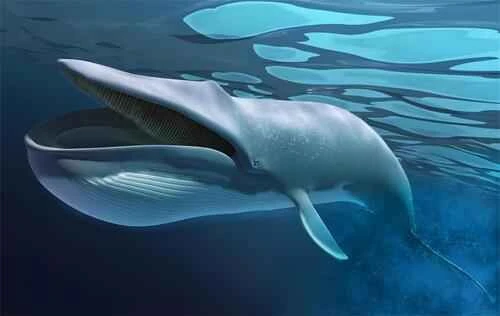
1. Blue Whale - The loudest singer in the ocean.
Sound volume: 188 decibels
Sound travel distance: over 500 miles
Blue whales are the largest and heaviest animals on Earth, and they are also the loudest. Their calls can reach 188 decibels, louder than a jet engine. They primarily communicate over long distances using low-frequency sound waves, which can travel over 500 miles (800 kilometers) through water. These powerful sound waves help blue whales communicate with other whales in the vast ocean, find mates, and coordinate migrations.
Blue whale's sound characteristics
Low-frequency sounds : Blue whales have very deep voices, as low as 10-40 Hz, which are frequencies that humans cannot hear directly, but these sounds can travel extremely far in water.
Purpose : Blue whales use these sounds to locate other whales, find food, and maintain group communication.
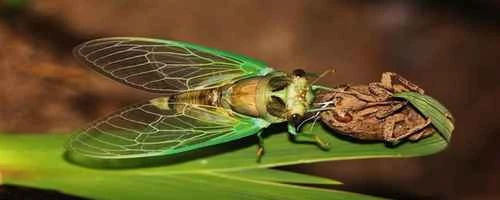
2. Cicada - A master of chirping in the trees.
Sound volume: 120 decibels
Sound travel distance: 2.5 kilometers
The giant cicada is one of the loudest insects on Earth, especially in summer, when its call can almost drown out all other background noise. Male cicadas attract female mates by rubbing their abdominal sound-producing organs together to create a high-pitched call. The giant cicada's call can reach 120 decibels, equivalent to the sound level of a rock concert.
Cicada's sound characteristics
Collective chirping : In many regions, tens of thousands of cicadas chirp simultaneously, their sounds enveloping the entire environment like a tidal wave.
Purpose of their calls : Cicadas primarily use their calls for courtship, but in the hot summer, their collective calls can also scare away predators.
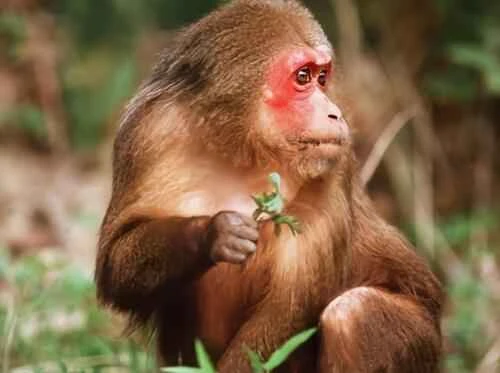
3. Howler Monkey - The noisiest land animal
Sound volume: 140 decibels
Sound propagation distance: 5 kilometers
Howler monkeys are the loudest land mammals, named for their roars. They live in the rainforests of Central and South America, and their roars can carry throughout the forest, reaching up to 140 decibels. The roars are primarily used to mark territory and communicate with other groups, helping to prevent conflicts between them.
Howler Monkey's vocal characteristics
Powerful glottis : Howler monkeys have a special glottis in their throats that amplifies their sounds, making their roars particularly loud.
Use of sound : Howler monkeys use sound to mark their territory, assert their dominance, and warn potential intruders to keep their distance.
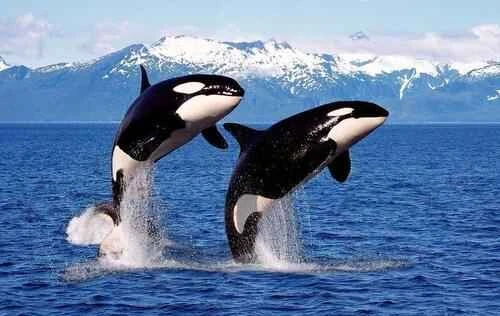
4. Orca - The social giant of the ocean
Sound decibels: 110-130 decibels
Sound travel distance: tens of kilometers
Orcas are highly social and intelligent predators in the ocean, communicating through a complex sound system. Their calls include calls, clicks, and whistles, which they use for navigation, hunting, and social interaction. Orca sounds can travel tens of kilometers across the ocean, reaching volumes of 110 to 130 decibels.
Orca sound characteristics
Complex acoustic language : Orcas possess a complex acoustic structure, and each group has a unique "dialect" for communication.
Navigation and hunting : Orcas use echolocation by making clicking sounds to detect the location of prey and obstacles.
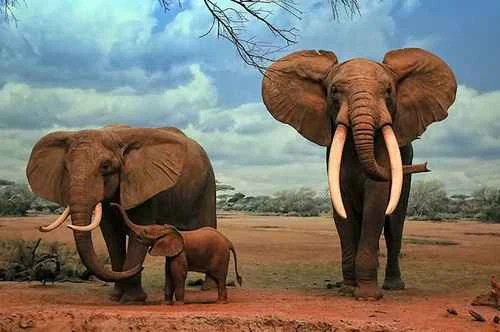
5. African Elephant - A massive land animal with a loud voice.
Sound decibels: 85-117 decibels
Sound propagation distance: 10 kilometers
African elephants are the largest land mammals, and their voices are incredibly loud. An elephant's roar and trembling can reach 117 decibels; these low-frequency sound waves (infrasound) can travel over 10 kilometers, even through ground vibrations. Elephant herds use these low-frequency sound waves to maintain communication, especially in dense jungles or open fields.
African elephant vocal characteristics
Low-frequency infrasound : Sounds with frequencies as low as 14-35 Hz are often inaudible to the human ear, but these low-frequency sounds can travel long distances.
Social communication : Elephant herds maintain contact with each other through low-frequency sound waves, especially during migration, to ensure that the entire herd remains in harmony.
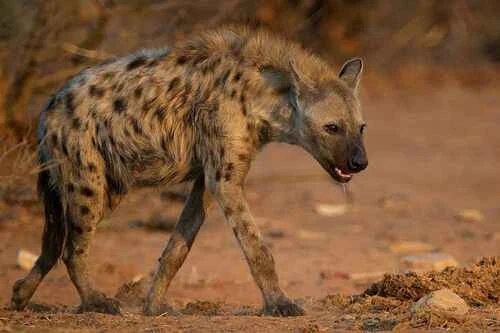
6. Hyena - A terrifying laugh
Sound volume: 112 decibels
Sound travel distance: several kilometers
Hyenas are known for their "laughter," a distinctive call that sounds like a human's manic laughter. Hyena calls can reach up to 112 decibels and are used for group communication, marking territory, and coordinated hunting. They use these calls to coordinate hunting activities or summon other members of the group to share prey.
Hyena vocal characteristics
Laughter and hierarchy : The laughter of hyenas reflects an individual's status within the group, with dominant individuals often making louder noises.
Group cooperation : Hyenas coordinate their hunting by using vocalizations to ensure more efficient teamwork.
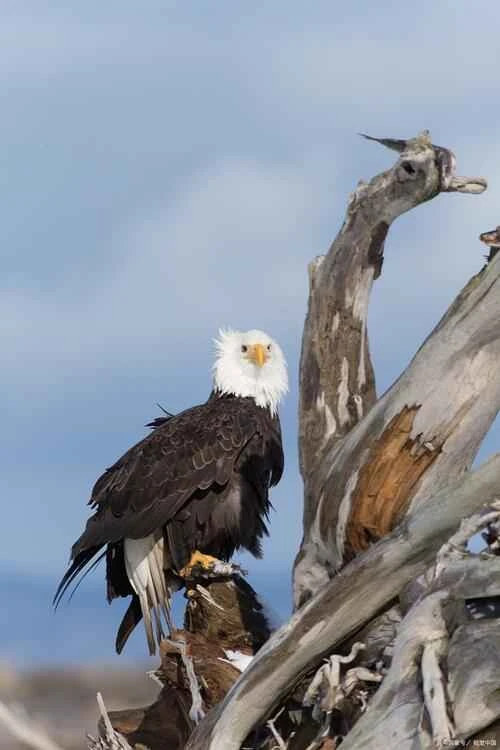
7. Bald Eagle - The Screamer of the Sky
Sound decibels: 100 decibels
Sound travel distance: several kilometers
The bald eagle's call is shrill and loud, typically used to assert territory and communicate with its mate. As a symbolic bird of North America, the bald eagle's call echoes through forests, lakes, and coastal areas, demonstrating its territorial control and mate attachment.
The sound characteristics of bald eagles
Territorial calls : Bald eagles frequently emit sharp calls, especially during nest building and defense, to warn other intruders.
Sounds during courtship : They also use sounds to attract mates during courtship, demonstrating a strong presence.
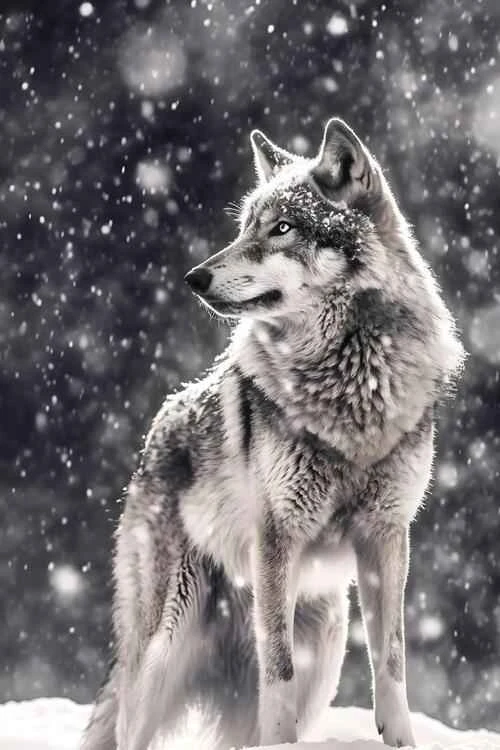
8. Wolf - Howling in the wilderness
Sound decibels: 90-115 decibels
Sound travel distance: 16 kilometers
Wolves are known for their distinctive howls, which they use to communicate with each other, organize hunts, or assert territory. A wolf's howl can travel over 16 kilometers, and this long-distance communication is crucial for their survival, especially in open wilderness.
wolf vocal characteristics
Signals of teamwork : Wolves use howling to summon members of the pack to hunt together or to protect their territory.
Unique howling frequencies : Each wolf's howl is slightly different, which allows them to identify members of their own pack.
In nature, sound is a core tool for survival and communication for many animals. From blue whales in the deep ocean to howler monkeys in the rainforest, these animals dominate their environment through powerful vocalizations. The "loudest" animals in nature demonstrate the enormous role of sound in communication, hunting, marking territory, and reproduction.