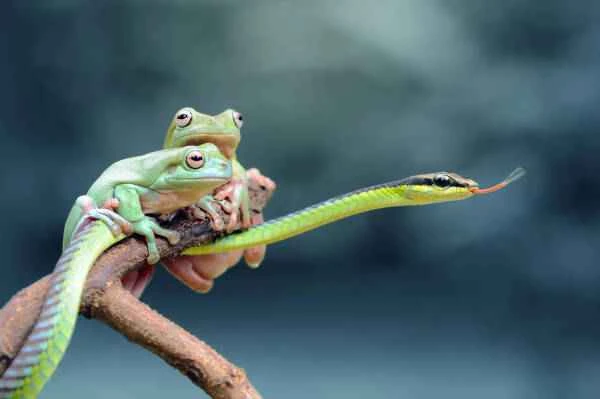
Smell is a vital sense in the animal kingdom, with many creatures relying on it to find food, mates, and even navigate. Today, we'll list the 10 animals with the most sensitive sense of smell in the world, including elephants, sharks, bears, catfish, pigs, rats, and dogs.
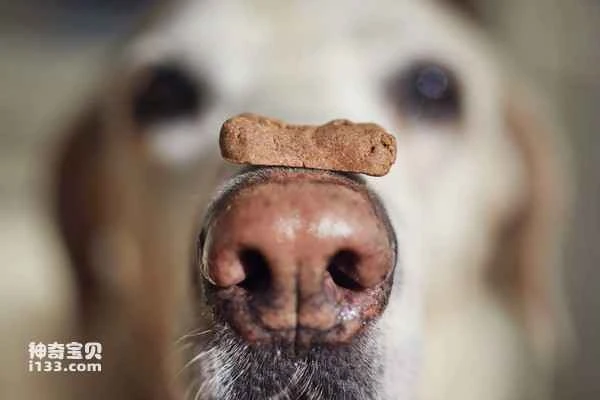
Elephants: Elephants are known for their large trunks and highly developed sense of smell, which enables them to track water and food.
Sharks: Sharks have a keen sense of smell, enabling them to detect the scent of prey from a distance and locate them.
Bears: Bears have an extremely sensitive sense of smell, which helps them find food sources and even identify potential dangers.
Catfish: As a freshwater fish, catfish have an excellent sense of smell, which helps them hunt in murky waters.
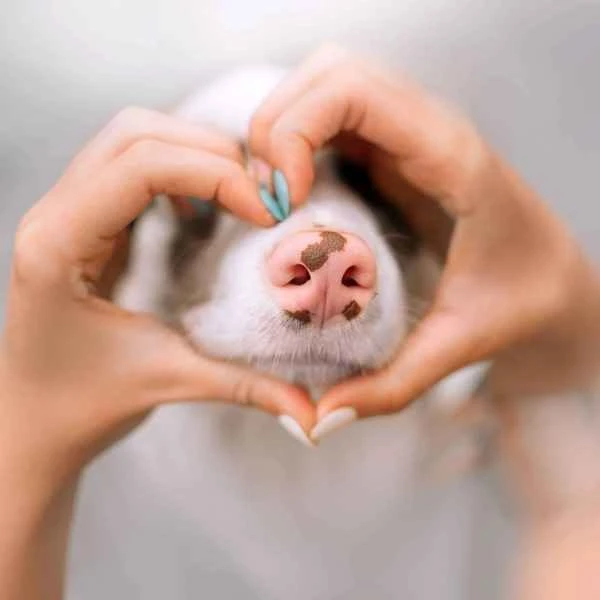
Pigs: Pigs have a very keen sense of smell, which allows them to easily find food buried underground.
Rats: Rats are known for their precise sense of smell, which allows them to detect minute changes in odor, helping them avoid threats.
Dogs: As loyal companions to humans, dogs have a highly developed sense of smell and are widely used in tasks such as tracking, search and rescue, and drug detection.
These animals are renowned worldwide for their exceptional sense of smell, demonstrating its crucial role in animal survival and reproduction. Let's learn more about them below.
1. Elephants (nearly 2000 olfactory receptor genes)
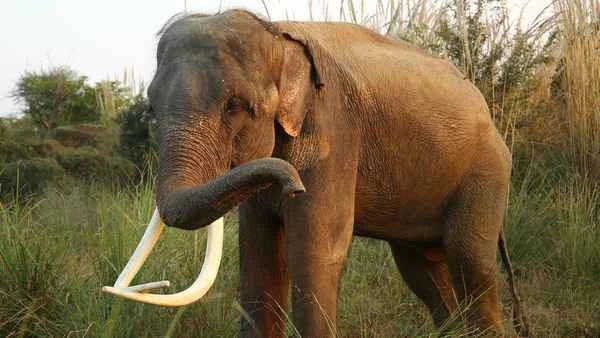
Elephants have one of the world's most powerful senses of smell, possessing nearly 2,000 unique olfactory genes that enable them to identify a wide variety of odors in their environment. Their olfactory sensitivity is astonishing; they can even detect water from 12 miles away, thanks to their highly developed olfactory system and ability to detect odors over long distances.
Previous research has shown that African elephants are able to detect minute changes in the structure of odor molecules that are imperceptible to humans and other primates. This may partially explain why these enormous animals have such a superior sense of smell, surpassing other creatures. In comparison, while dogs also have an exceptionally keen sense of smell, they have only half the number of olfactory genes as elephants, and humans have one-fifth the number of olfactory genes.
2. Shark (detected a single drop of blood in one million drops of seawater)

In the animal kingdom, sharks are undoubtedly among the creatures with an extremely keen sense of smell. Considered one of the most threatening predators in the ocean today, sharks rely on their exceptional sense of smell to hunt prey. This marine creature's olfactory system plays a vital role in its survival, occupying two-thirds of its massive brain and demonstrating its crucial importance for survival.
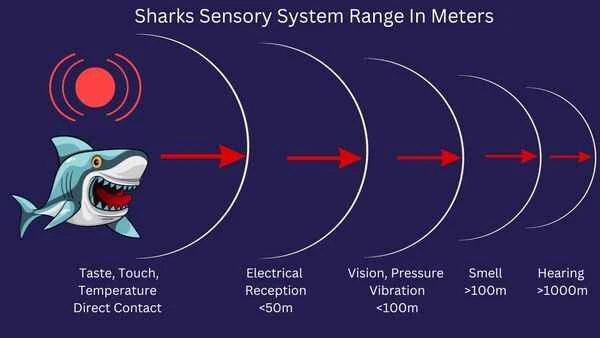
A one-meter-long shark's nasal cavity is covered with an olfactory nerve ending area of up to 4,842 square meters, a clear indication of its exceptionally developed olfactory system. For ferocious sharks that are 5-7 meters long, their sense of smell is even more astonishingly acute, capable of detecting injured humans and other marine life from thousands of meters away, and able to smell a single drop of blood in a million drops of seawater.
3. Bears (their olfactory bulb area is five times that of humans)

Bears are also a prominent player in the animal olfactory rankings. Although a bear's brain is only one-third the size of a human's, its olfactory center is five times the size of a human's, making them exceptionally good among many animals, enabling them to accurately locate companions, avoid danger, and track cubs.

When humans camp in the forest, bears can quickly smell the aroma of food prepared by humans, demonstrating the importance of their keen sense of smell in their behavior. Polar bears and silver-capped grizzly bears, in particular, have an exceptionally sharp sense of smell, allowing them to detect animal carcasses from distances of up to 30 kilometers.
4. Catfish (its entire body is covered with taste buds)
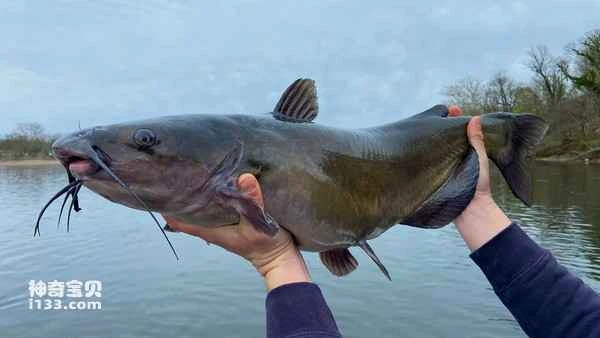
Fish, especially wild fish, are often overlooked in rankings of animal olfactory abilities. In contrast, many farmed fish have a less developed sense of smell. Typically, at night, fish rely solely on their sense of smell to find food. This suggests that the flavor of bait is particularly important when night fishing, especially for fish like catfish with severely degenerated vision, where smell becomes their primary means of finding food. These fish possess a greater number of taste buds than other animals, distributed throughout their entire bodies.
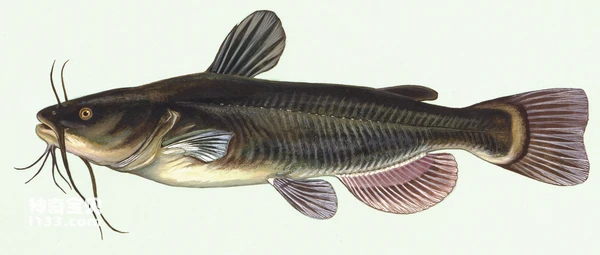
For example, a catfish about 15 centimeters long has more than 250,000 taste buds. These taste buds not only grow in the mouth and gills, but are also distributed throughout the barbels, fins, back, abdomen, sides, and tail. In addition, catfish possess extraordinary senses of taste, touch, and hearing. They can smell compounds diluted to as low as one part per ten billion, demonstrating the sophistication and excellence of their olfactory system.
5. Pigs (with a highly developed and complex olfactory system)
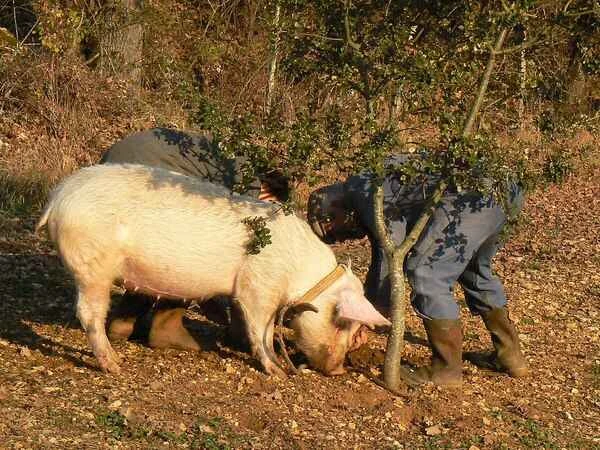
Pigs are renowned for their highly developed and complex olfactory system. Their nasal groove system is exceptionally sensitive, capable of sensing not only odors but also taste and tactile information, making them among the most olfactory animals. A pig's nose boasts a vast surface area of olfactory mucosa villi, a high density of olfactory nerves, and a wide distribution of olfactory regions.
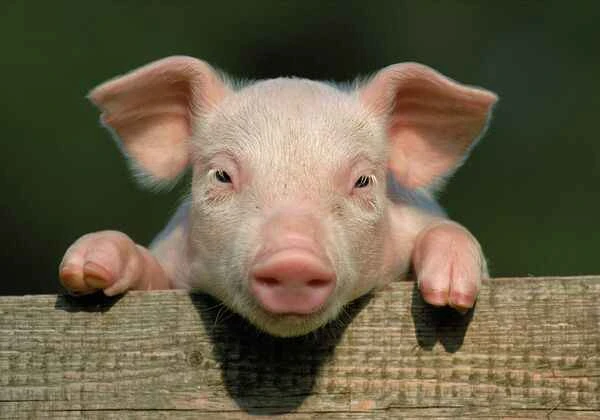
Scientists' research shows that the area of a pig's brain responsible for smell is roughly the same size as the areas responsible for hearing and vision, making its sense of smell significantly more developed than that of dogs and other animals. Through specific training methods, pigs can use their noses to detect landmines buried in the soil, and sometimes even perform customs detection work, partially replacing the functions of police dogs. This demonstrates that pigs possess excellent olfactory abilities and potential, enabling them to play an important role in a variety of tasks.
6. Mice (1207 olfactory receptor genes)
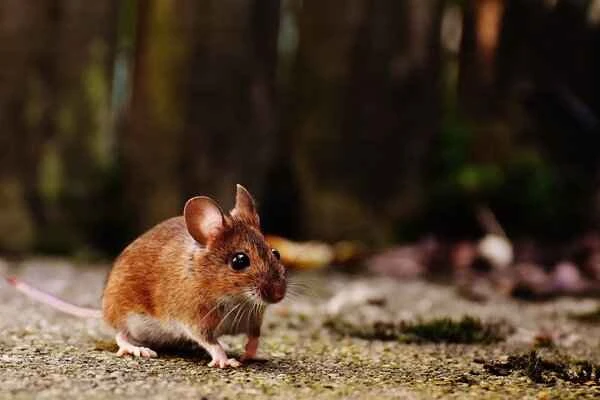
Rats are among the most troublesome of the many animals with an exceptional sense of smell, likely due to their rodent nature and general expertise in sniffing. Rats have a wide and flexible diet, and they possess 1207 olfactory receptor genes, which help support their remarkable olfactory system.
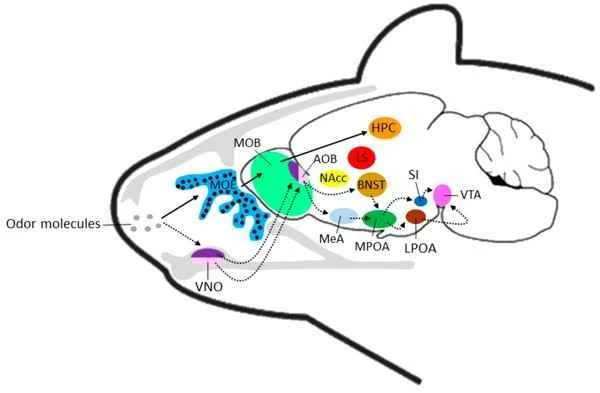
Of particular note is the presence of olfactory receptors on a patch of skin at the back of a mouse's neck, allowing air to enter its nasal cavity. When a mouse smells an odor, the odor molecules are transmitted to its vomeronasal organ, where the odor signal is processed. Furthermore, mice use this specialized sensory organ to detect pheromones, thereby identifying and distinguishing different individuals of the same species.
7. Dogs (with the strongest sense of smell)
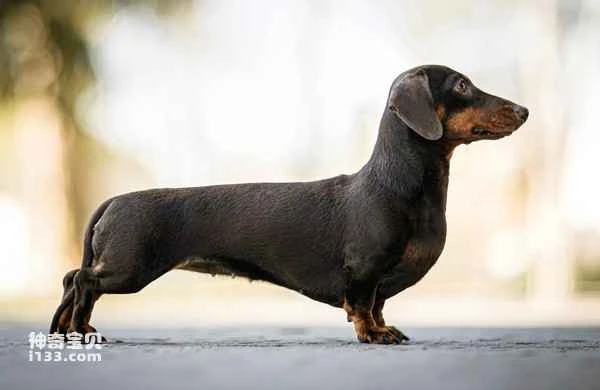
While dogs don't possess the most outstanding sense of smell among animals, there isn't a clear direct correlation between the number of olfactory genes and olfactory sensitivity. Compared to elephants, dogs may not be able to match the variety of scents an elephant can detect, but their noses are far more sensitive, enabling them to detect the scent of specific substances even in extremely low concentrations. Different breeds of dogs also exhibit slight differences in their olfactory abilities; bloodhounds are considered one of the breeds with the most exceptional sense of smell, capable of tracking scents for over 14 days, demonstrating remarkable tenacity.
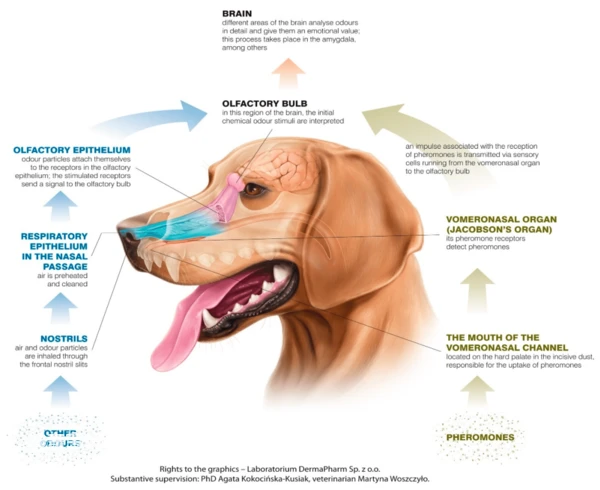
In the global ranking of animal olfactory abilities, the Bloodhound stands out for its exceptional comprehensive sense of smell, which is extremely acute. This breed has set amazing records, continuously tracking scents for up to 220 kilometers, demonstrating its unparalleled olfactory talent.
8. Snake (using its tongue to catch scent particles)
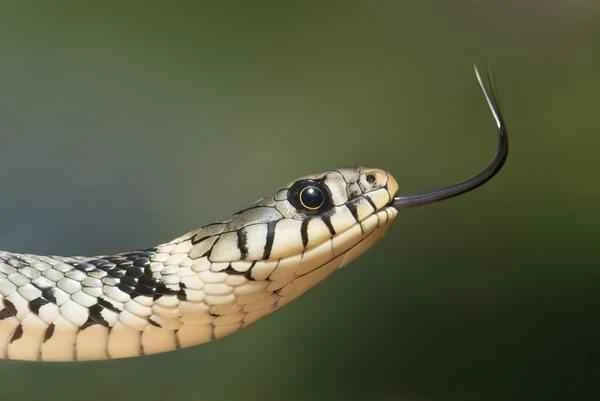
Snakes are an animal with a highly developed sense of smell that I hadn't considered before. Like sharks, snakes rely on their excellent sense of smell to be alert to their surroundings and ensure their survival. They use this sense of smell to compensate for their poor eyesight and limited hearing. Although they also sniff through their noses, snakes' olfactory perception is more related to a pair of organs located at the top of their mouths, known as the Jacobson organs or vomeronasal organs.
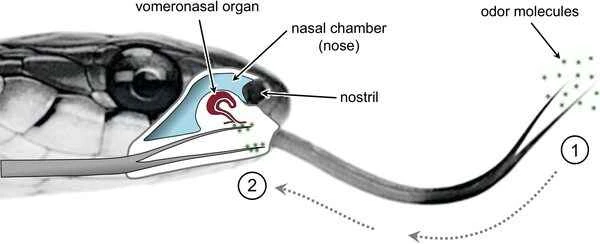
When snakes smell a substance, they flick their tongues to better understand the scent. Snakes have a pair of sharp teeth on their forked tongues that capture odor molecules in the air. Their brains then quickly process this odor information to track the location and trail of their prey.
9. Dairy cows (1186 olfactory receptor genes)
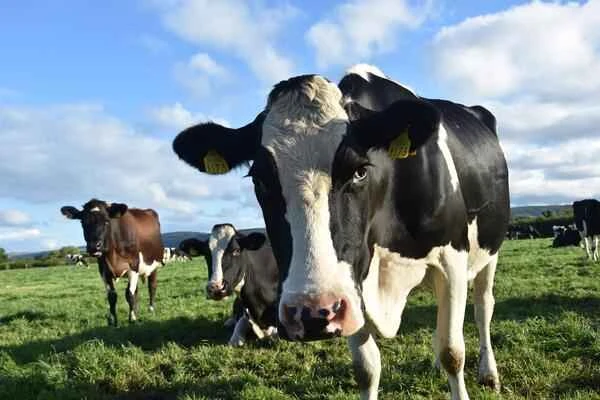
Cows are animals with 1,186 olfactory receptor genes, giving them the most powerful sense of smell among all herbivores. They can smell odors from 8 kilometers away, allowing them to perceive their surroundings and detect upcoming events. In addition to their keen sense of smell, cows also possess excellent hearing, comparable to that of dogs.
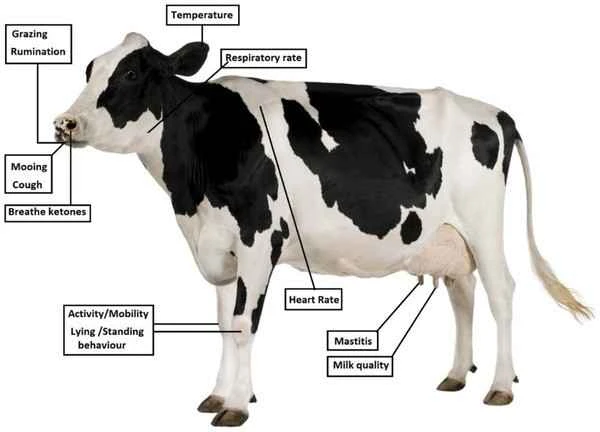
Because their eyes are located on the sides of their heads, cows can observe their surroundings and rear, with a field of vision exceeding the human's 180 degrees, reaching an astonishing 300 degrees. When cows lower their heads to graze, their field of vision almost covers 360 degrees, achieving near-panoramic vision. These acute senses allow cows to easily detect danger or potential attacks.
10. Moths (possessing specialized odor receptors)
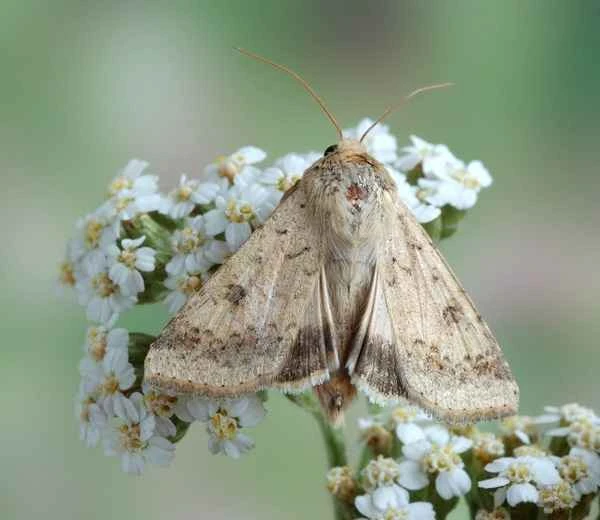
Even small animals can possess an exceptionally keen sense of smell, like moths. Male moths, in particular, may be champions in their olfactory abilities, likely holding records for sensitivity. While male moths lack an organ like a nose, they possess enormous antennae that are extremely sensitive to odors. These creatures can detect individual pheromone particles released by females, even from 10 kilometers away. All of this is thanks to the unique olfactory receptors within their large, vibrant, feathery antennae.
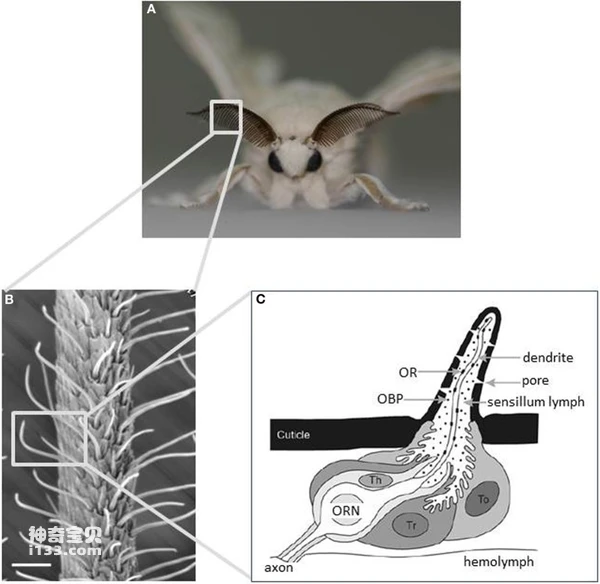
Some female moths deliberately alter their movement paths, releasing minute amounts of pheromones so that only male moths with exceptionally sensitive touch can track their location. The record holder for the highest olfactory sensitivity is likely the Polyphemus moth: its brain reacts to the mere reception of a single pheromone molecule on its antennae, demonstrating unprecedented olfactory acuity.
This list of the 10 animals with the most sensitive sense of smell in the world is mainly based on their olfactory recognition ability/sensitivity and also takes into account relevant internet rankings/lists. This list is for entertainment and reference only, and comments and corrections are welcome at the end of the article!