Warthogs are fascinating creatures that inhabit the African savanna and grasslands. Renowned for their distinctive appearance and behavior, these wild boars attract the interest of wildlife enthusiasts and researchers alike. This article will explore the warthog's characteristics, habitat, behavior, diet, and conservation status, providing a comprehensive overview of this remarkable animal.
What is a warthog?
Physical characteristics
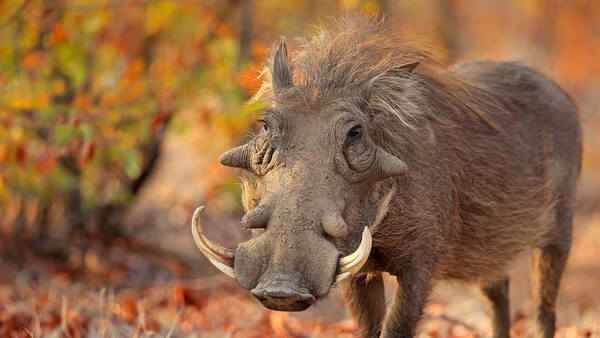
Warthogs (Phacochoerus africanus) are easily identifiable by their distinctive features:
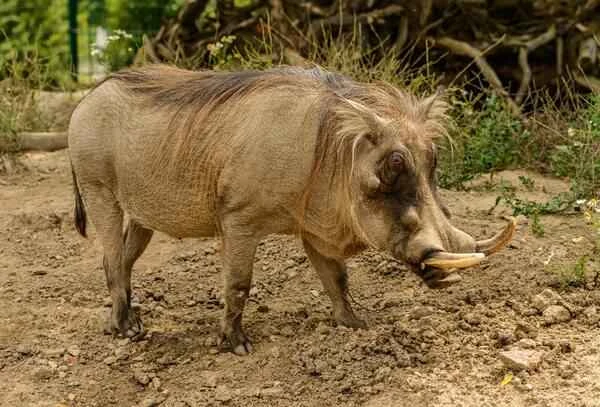
Body structure : Warthogs are robust with long, large heads. Adult warthogs typically weigh between 110 and 250 pounds (about 50 to 113 kilograms) and stand about 2.5 to 3.5 feet (about 0.76 to 1.07 meters) tall at the shoulder.
Facial warts : The most distinctive feature of warthogs is the large fleshy warts on their faces, especially noticeable in males. These warts not only serve as identification features but also provide protection, shielding the warthog's face during fights.
Tusks : Warthogs have a pair of tusks. The upper tusks grow continuously, reaching up to 10 inches (about 25 cm) in length. Males use these tusks when fighting and displaying dominance.
hair and color
Warthogs have coarse hair, typically gray or brown. Their thick skin helps protect them from harsh environments, including sunlight and thorny plants. Their sparse hair also helps them camouflage themselves on grasslands.
Warthog habitat
distributed
Warthogs are mainly distributed in sub-Saharan Africa. Their habitats include countries such as Botswana, Kenya, Tanzania, and South Africa. Warthogs prefer open and semi-open habitats, including grasslands, meadows, and woodlands.
Nesting habits
Warthogs do not build traditional dens like other animals. Instead, they often use abandoned burrows of other animals, such as aardvarks or hyenas, as shelters. These burrows provide them with protection from predators and harsh weather.
Behavior and social structure
Social media
Warthogs are social animals and typically live in groups called "sound clumps." A sound clump usually consists of several females and their young, while adult males tend to live alone or form temporary single groups.
comminicate
Warthogs communicate through a variety of sounds, including grunts, sneezes, and growls. They also use body language, such as tail movements, to convey feelings and intentions. When threatened, warthogs may exhibit aggressive postures, including raising their tails and baring their tusks.
Activity Mode
Warthogs are primarily diurnal animals, meaning they are most active during the day. They spend a significant amount of time foraging and rest in shady areas during the hottest part of the day.
Warthog diet
Foraging habits
Warthogs are omnivorous, primarily feeding on grasses, roots, tubers, and fruits. They are highly adaptable and can use their tusks and snouts to dig for food underground.
Eating behavior
Warthogs feed in a unique way. They often lie on the ground to eat grass, which makes it easier for them to reach the grass and roots. This feeding behavior not only helps them find food but also reduces their risk of being caught by predators while foraging.
Protection status
Threats to warthogs
Warthogs face multiple threats in the wild, including habitat loss due to agriculture and urban development. Furthermore, they are hunted for meat and prey, which could further impact their population numbers.
Warthog predators
Warthogs have several natural enemies, including:
Lions : These powerful big cats are one of the main threats to warthogs, especially when hunting in groups.
Hyenas : Known for their predatory and hunting abilities, hyenas also target warthogs, especially young or weak individuals.
Leopards : These lone hunters can ambush warthogs when they are least expecting it.
Crocodiles : Crocodiles can pose a significant threat to warthogs near water sources.
African wild dogs : These highly social and efficient hunters work together to hunt warthogs.
Warthogs rely on their speed, agility, and burrowing behavior to evade these predators, often retreating into abandoned burrows for safety.
Conservation work
Fortunately, warthogs are listed as "Least Concern" by the International Union for Conservation of Nature (IUCN). Many protected areas and national parks provide safe habitats for warthogs, allowing them to thrive in their natural environment. Conservation organizations are also working to raise awareness of the importance of protecting warthogs and their ecosystems.
Interesting facts about warthogs
Unique adaptation : Warthogs possess a unique adaptation that enables them to quickly escape predators. When threatened, they typically run in a zigzag pattern, making them more difficult for predators to catch.
Facial warts : The warts on a warthog's face are not just decorative; they provide protection when fighting with other males. Dominant males tend to have larger warts.
Mother-child relationship : Female warthogs are very protective of their piglets. They have a close bond with their offspring, teaching them important survival skills and protecting them from danger.
Are warthogs faster than lions and cheetahs?
Warthogs are relatively fast, but they are not faster than lions or cheetahs. Here is a simple comparison:
Warthogs : can run at speeds of up to 30 miles per hour (about 48 kilometers per hour) over short distances.
Lions : They can reach speeds of about 35 miles per hour (about 56 kilometers per hour), but can only maintain this speed for a short time.
Cheetah : The fastest land animal, capable of running at speeds of up to 60 to 70 miles per hour (about 97 to 113 kilometers per hour) over short distances.
Therefore, although warthogs can run fast, they are still not as fast as lions and cheetahs.
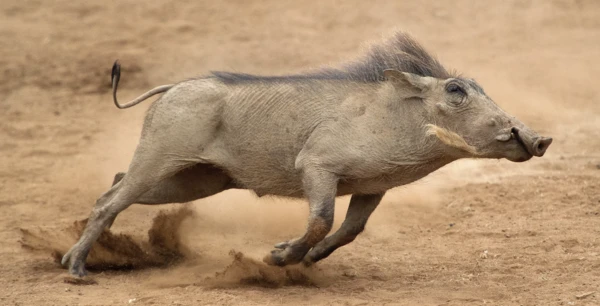
Warthogs are remarkable animals that play a vital role in the ecosystem. Their unique adaptations, social behaviors, and foraging habits make them worthy of study. As we continue to protect their habitats and raise awareness, we can ensure that future generations have the opportunity to admire these magnificent wild boars on the African savanna. Whether you are a wildlife enthusiast or simply curious about nature, learning about warthogs will enrich our understanding of sharing the Earth's diverse species.