Human ears can perceive vibrations between 20 Hz and 20,000 Hz, but cannot perceive other frequencies. Animals use a much wider range of sound frequencies than humans, actually exceeding the range of human perception; humans can only hear less than 10% of the sounds animals produce. Recent research has compiled a list of the ten animals with the most developed hearing, including moths, bats, dolphins, beluga whales, mice, wolves, and cats. Let's learn about them.

1st Place: Moth (maximum 300,000 Hz)
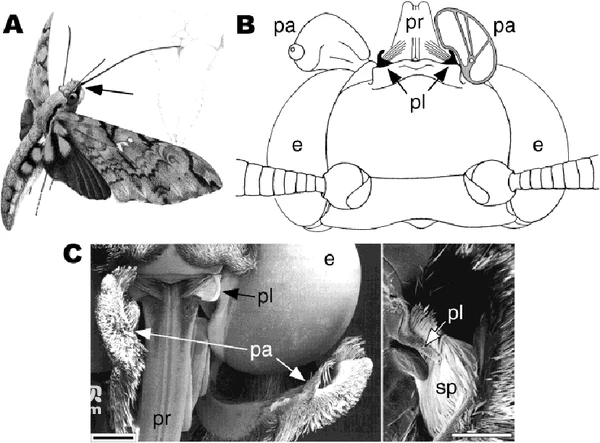
Many people are unaware that moths are actually animals with exceptional hearing. This remarkable hearing is primarily due to co-evolution. This is because bats, the moth's main predator, are among the most hearing-sensitive vertebrates. There are approximately 160,000 species of moths in the world, most of which can hear sounds ranging from 1000 Hz to 240,000 Hz. This allows many moths to evade bat predation, and one species, the Great Wax Moth, can even perceive ultra-high-frequency sound waves up to 300,000 Hz. Researchers at the University of Strathclyde suggest that these creatures may be the most acutely hearing animals in the world.
2nd place: Bats (1000-200,000 Hz)
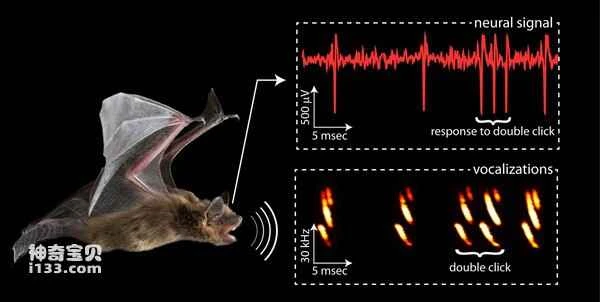
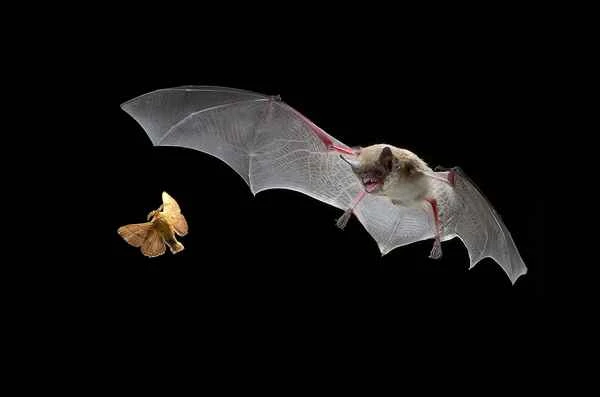
Bats are widely recognized as animals with exceptional hearing, and are unique among mammals in their ability to truly fly. They are masters of sound manipulation, possessing both powerful hearing and the ability to continuously emit ultrasonic waves during flight. These ultrasonic waves interact with their environment and are received and analyzed by the bat's auditory system, helping them distinguish prey from obstacles, thus enabling hunting or evasion maneuvers. Bats have a very wide auditory range, capable of perceiving sounds from 1000 Hz to 200 kHz. While less sensitive to sounds below 10,000 Hz, common bats are relatively sensitive to sounds from 15,000 Hz to 90,000 Hz.
3rd place: Dolphins (75-150 MW)

Dolphins hold a prominent place in the top ten of animal hearing rankings because hearing is one of their most sensitive senses. Dolphins rely on hearing for hunting, swimming, and recreation. They can use echolocation to "listen" to where they are about to arrive. When a dolphin emits a high-decibel sound, surrounding objects reflect the sound waves, and the dolphin analyzes these echoes to understand its surroundings. Using this skill, dolphins can locate and identify nearby prey and detect creatures buried in the seabed sediment. The porpoise is particularly renowned for its exceptional hearing within the dolphin population, with a range from 75 Hz to 150,000 Hz.
4th place: Beluga whale (1000~123,000 Hz)
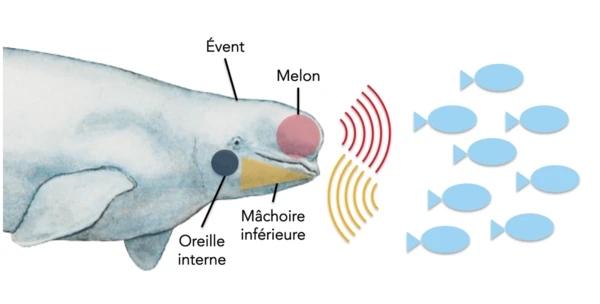
Beluga whales are affectionately known as "canaries of the sea" due to their distinctive calls, and the unique hump on their heads is called the "melon-headed whale." Despite lacking vocal cords, beluga whales possess an astonishing talent for language, capable of mimicking the sounds of other animals and producing 11 completely different sounds. While their sense of smell isn't particularly developed, this doesn't hinder their highly developed hearing. In fact, their exceptional hearing places them among the most remarkably perceptive animals in the animal kingdom. While the average human hearing ranges from 20 Hz to 20,000 Hz, beluga whales have a hearing range of 1,000 Hz to 123,000 Hz, a remarkably high upper limit, making them among the most acutely hearing mammals. Therefore, beluga whales can hear ultrasonic waves in the ocean that are imperceptible to humans.
5th place: Mouse (200-91,000 Hz)

Among animals with exceptional hearing, mice are arguably one of the most troublesome for humans. They can not only hear ultrasonic frequencies far beyond human perception, but they can also generate their own ultrasonic waves and communicate using these inaudible sounds. Especially in the quiet of the night, even the slightest noise is enough to alert them.
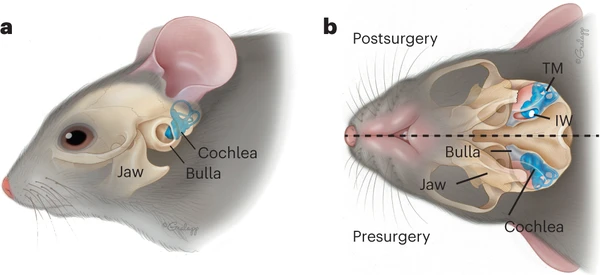
No matter how faint the sound, mice will immediately stop all activity and carefully try to discern the source and cause of the sound. Typically, if one mouse is injured, the other mice nearby will immediately hide.
6th place, Wolf (100,000-80,000 Hz)

Wolves also possess exceptional hearing, which plays a crucial role in their hunting. Studies indicate that wolves can hear sounds ranging from approximately 10 Hz to 80 kHz, meaning they can hear frequencies lower and higher than humans. In nature, many animals produce sounds within the wolf's auditory range, allowing them to concentrate on important sounds in noisy environments, such as prey calls or potential danger signals. In open areas, they can hear sounds up to 16 kilometers away, and in forested areas, this distance can reach 10 kilometers.
7th place: Cat (45-65 MW)

Cats have exceptionally good hearing among common pets, capable of hearing higher frequencies than most humans or other animals like dogs, and are particularly sensitive to high-frequency sounds. Therefore, cats will react much more strongly to a high-pitched shout. Sometimes, a domestic cat will suddenly raise its head, widen its eyes, and remain motionless without any apparent target. This doesn't necessarily mean it's staring at something; it could be listening for sounds from a direction beyond human hearing range.
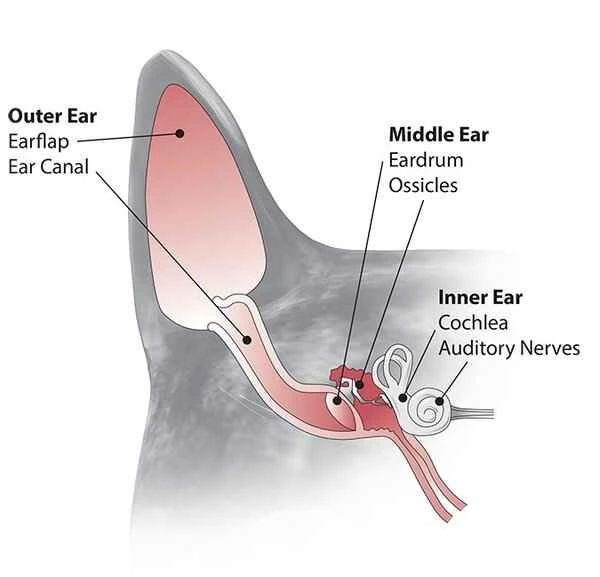
In addition, as an evolutionary adaptation to their excellent hearing, cats have very well-developed muscles around their ears, which allows their ears to rotate up to 180 degrees, thereby expanding the range of sound waves they can collect and further enhancing their hearing coverage.
8th place: Opossum (500-64 MW)

Opossums are known for their remarkable ability to play dead. Despite their resemblance to mice, opossums have pointed snouts, hairless ears, and long, hairless tails. These tails are used not only for balance but also as a kind of "hand," helping them grip tree trunks or reach for small objects. With their fluffy fur, clean coat, and innocent eyes, opossums are often considered more appealing than mice.
Opossums are known as "brake makers" for their unique trick of suddenly stopping while running, confusing their pursuers, and then leaping away again. Opossums have many natural enemies, including wolves and dogs, so their hearing is comparable to that of these predators, remaining at a high level to help them be alert to danger.
9th place: Rabbit (500,000-60,000 Hz)

When it comes to animals with sensitive ears, many people, including myself, think of rabbits. Rabbits typically have long, large ears, some erect and some drooping, which is often part of their breed characteristics. Besides serving as auditory organs, rabbit ears also help regulate body temperature; when erect, they help dissipate body heat, while when flat against the sides of the body, they help retain warmth. Rabbits have a hearing range of approximately 50 to 60,000 Hz, with the most sensitive range being between 1,000 and 16,000 Hz. Within this range, domestic rabbits can distinguish sounds of about 3 decibels.

Rabbits are timid animals, easily startled by sudden noises, strangers, and other unknown animals (such as cats and dogs). This sensitivity is also an adaptive response for their survival in the wild.
10th Place: Dog (150,000-50,000 Hz)

Dogs are renowned for their exceptional hearing, ranking among the top in animal hearing ability. Their hearing capacity is closely related to breed and age. Similar to humans, the hearing range of some dog breeds decreases with age, particularly German Shepherds and Miniature Poodles.

Dogs have a hearing range of approximately 3000 Hz to 12000 Hz, meaning they can hear sounds 5 to 15 decibels weaker than humans. Their sensitivity to high-pitched sounds allows them to quickly detect the loud cries of small animals, but this also makes them more sensitive and uncomfortable than humans to the high-pitched sounds of vacuum cleaners, lawnmowers, hair dryers, and power tools. Because dogs hear sounds at higher frequencies than humans, their auditory perception of the world differs. Sounds that seem loud to humans often originate from high-frequency sounds, which can frighten dogs.
This ranking of animals with the most developed hearing primarily considers the range of their hearing and also references various online rankings and lists. Please note that this list is for entertainment purposes only, and comments are welcome at the end of the article!