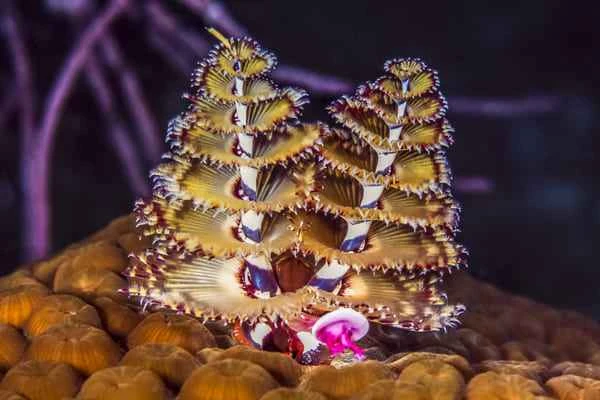
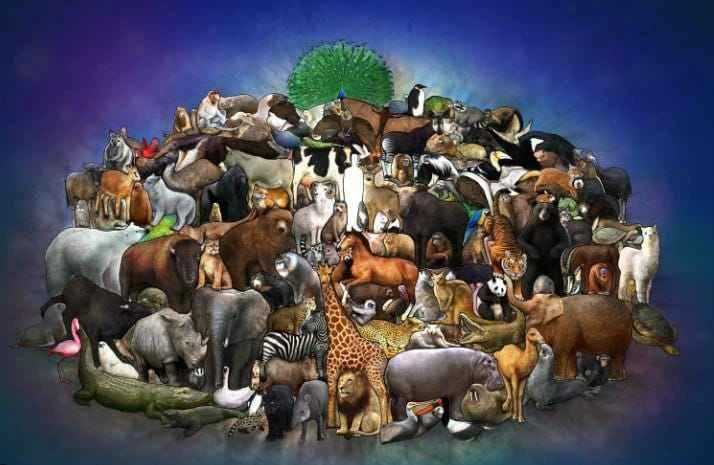
In nature, some animals possess superhuman survival abilities, capable of surviving in extreme environments and even surpassing the survival limits of conventional species. These incredibly resilient animals demonstrate the wonder and wisdom of nature's adaptation to its environment. Today, we'll delve into ten of these tenacious creatures, whose astonishing adaptability and survival skills seem tailor-made to meet various environmental challenges.
1. Rotifer: A microscopic miracle of life.
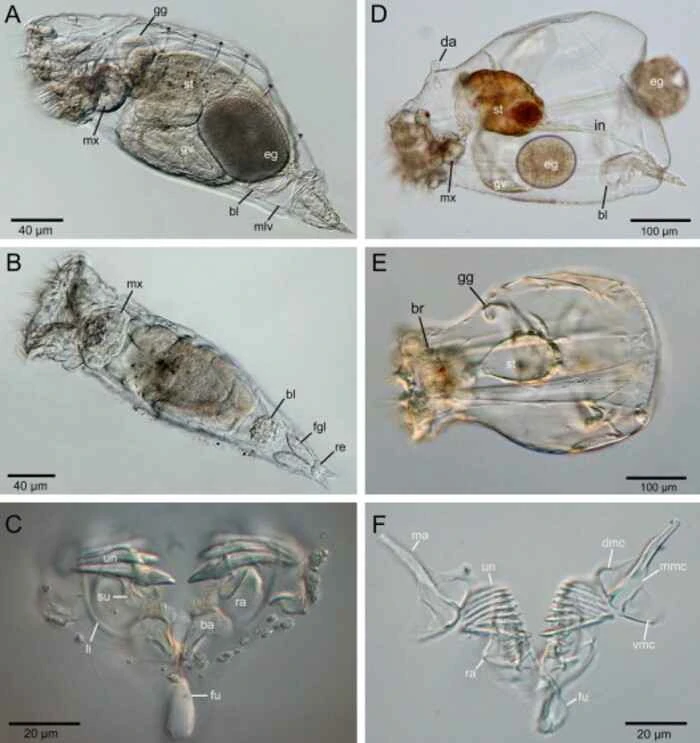
Survival ability: extreme drought, low temperature, radiation, etc.
Rotifers are a group of tiny invertebrates, measuring approximately 0.1 to 0.5 millimeters in length. They are considered among the most resilient organisms on Earth. Their survival ability allows them to "cryptobiosis" for decades in extremely arid environments, and they quickly revive once the environment recovers. Especially in environments of extreme drought, extremely low temperatures, and high radiation, rotifers can enter a state of extreme dormancy, ceasing all physiological activities to preserve their survival capabilities. This process, known as cryptobiosis, enables them to tolerate extreme external environments. Scientists have also found traces of rotifers in lunar meteorites, proving that they can even survive in space.
2. Planarian: A Miracle of Regeneration
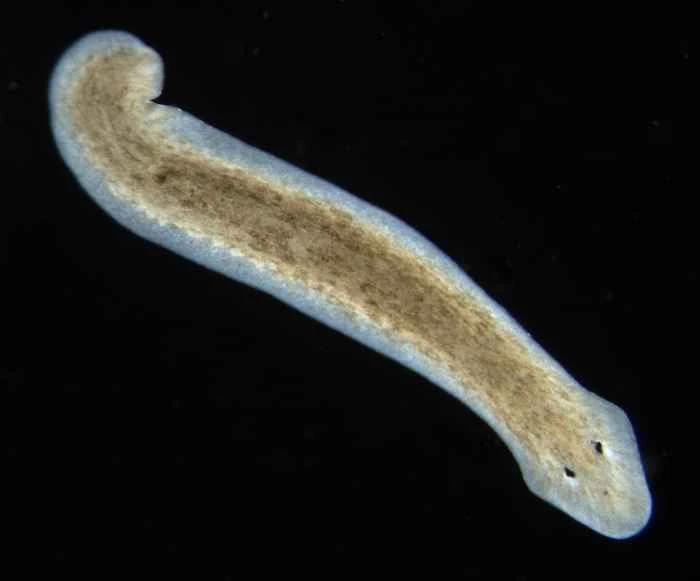
Survivability: Regeneration and recovery ability
Planarians are a group of mollusks with extraordinary regenerative abilities. Their most remarkable characteristic is their powerful body regeneration: when a planarian's body is injured, or even cut into several pieces, each piece will grow into a complete new individual. Even after losing a head or tail, they can regenerate to their original state. This ability makes them a model for studying regenerative biology, allowing scientists to understand more about the mechanisms of cell differentiation and regeneration.
3. Tardigrade: A super creature that has survived to the extreme.
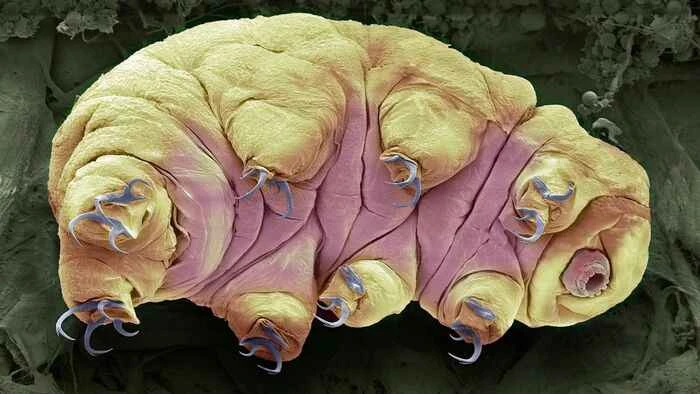
Survivability: Resistant to extreme temperatures, radiation, and vacuum.
Tardigrades, also known as water bears, are tiny organisms capable of surviving in extreme environments. They can survive in extreme temperatures (as low as -272°C), high temperatures (as high as 150°C), intense radiation, and even the vacuum of space. Tardigrades have a very unique survival mechanism: when faced with extremely harsh environments, they enter a dormant state called cryptobiosis. In this state, they almost completely expel water and cease all life activities, maintaining this state for decades or even longer. When the environment becomes suitable again, they can quickly resume normal physiological activities.
4. Turritopsis dohrnii: A miracle of life reversal
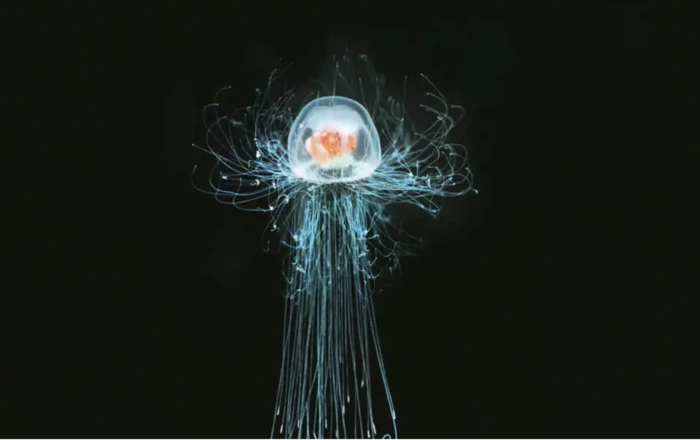
Survival ability: biological anti-aging, potential for immortality
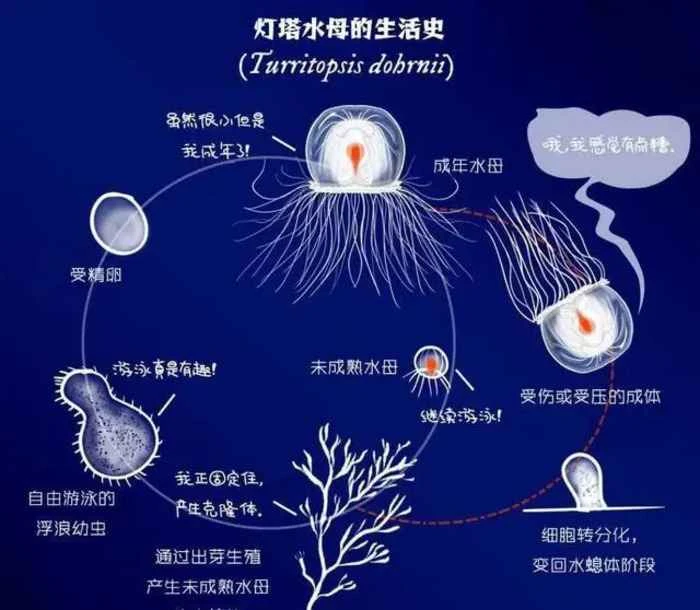
The Turritopsis dohrnii jellyfish is an incredibly fascinating aquatic creature, unique in that it can almost "reverse life." When encountering adverse environments or injuries, the Turritopsis dohrnii undergoes a process called "retrogradation," reverting to its larval stage and restarting its life cycle. This ability allows them to remain almost perpetually "young," earning them the title of "immortal jellyfish." This peculiar biological mechanism of reversal of age is not yet fully explained biologically, but it is undoubtedly a miracle of vitality in nature.
5. Earthworm: The ecological scavenger of the soil.
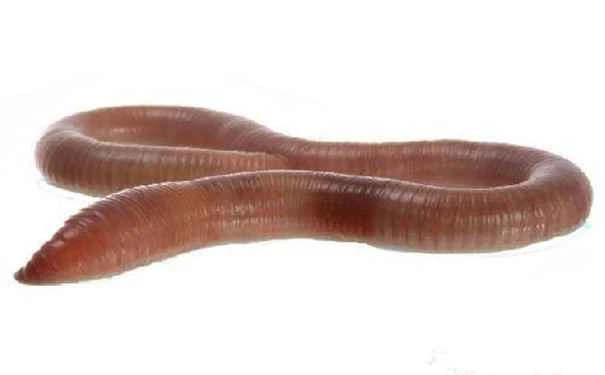
Survival ability: Adaptable to barren soil and low-oxygen environment
Earthworms are indispensable organisms in the soil, possessing remarkable resilience. They can survive in oxygen-deficient soil, improving soil aeration and promoting water penetration by burrowing underground. Earthworms contain abundant antioxidants, enabling them to survive in low-oxygen and arid conditions. Their food sources are humus and organic matter such as plant roots, allowing them to thrive even in barren soil. Earthworms have a high reproductive rate, a short lifespan, and can quickly adapt and restore their populations.
6. Cockroach: A master of survival in harsh environments.
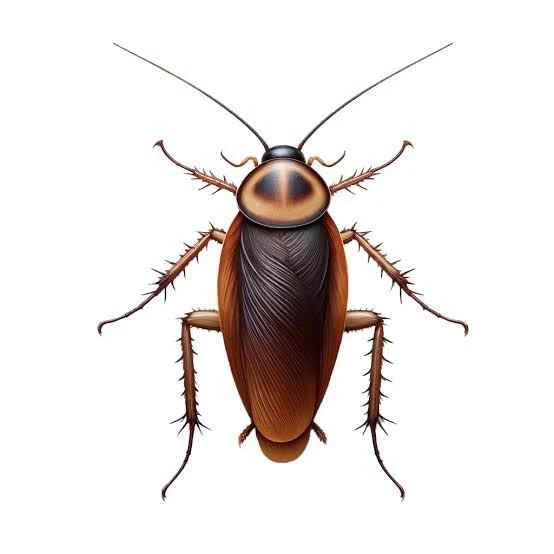
Survival ability: extreme environments, radiation and food shortages
Cockroaches are incredibly resilient insects, capable of tolerating extreme environmental changes and resisting numerous threats. They can survive for weeks or even months under conditions of water scarcity, extreme heat, extreme cold, and food shortages. They possess remarkable adaptability and survival intelligence, finding living spaces in diverse environments. Cockroaches are exceptionally radiation-resistant, able to survive in extremely high radiation levels, far exceeding the tolerance limits of humans. Their nervous and respiratory systems are independent, allowing them to survive for several days even after losing their heads.
7. Camel: The master of desert survival
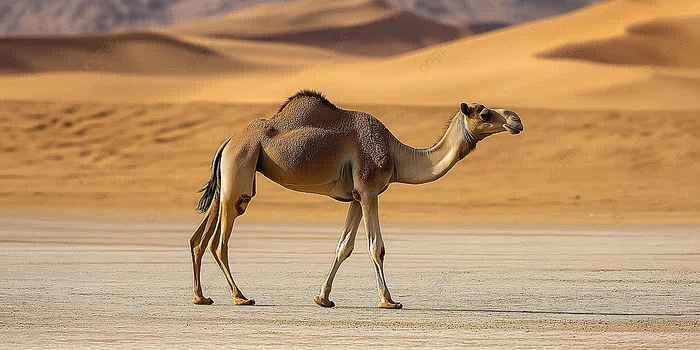
Survivability: Resistant to high temperatures, water shortages, and extreme environments
Camels are "survival masters" of the desert, their bodies having undergone remarkable adaptive evolution that allows them to survive in the extreme conditions of the desert. Camels have an exceptional water storage capacity, enabling them to survive for weeks without drinking water. They cope with dehydration by storing fat in their bodies, the breakdown of which provides hydration. Furthermore, the special structure of their nasal passages reduces water loss, and their sweat glands have evolved to minimize water evaporation when their body temperature is high. Their footpads are adapted to the soft desert ground, aiding them in walking.
8. Crucian carp (Carassius auratus): A "survival expert" in low-oxygen environments.
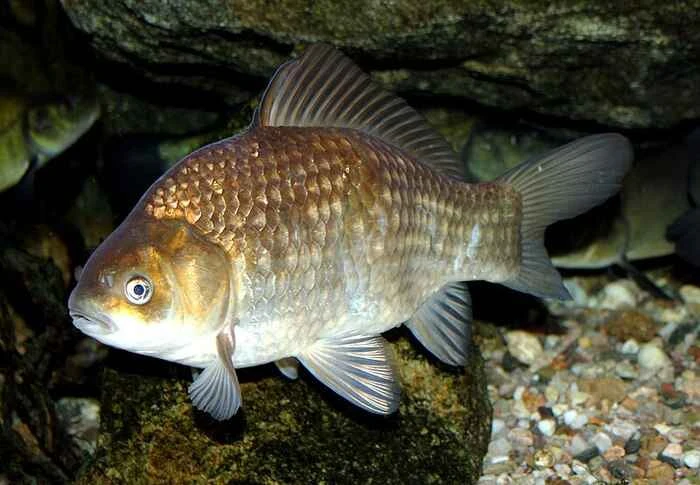
Survival ability: Tolerance to low-oxygen environments
Crucian carp are aquatic animals highly adapted to low-oxygen environments, commonly found in eutrophic waters. They can survive in waters with low oxygen levels thanks to their unique metabolic mechanisms. Crucian carp's metabolic processes reduce their oxygen requirements, allowing them to supplement their physiological needs by ingesting dissolved oxygen from the water. Furthermore, crucian carp can adapt to waters with varying oxygen concentrations by altering their respiratory methods.
9. Coyote: A highly adaptable predator
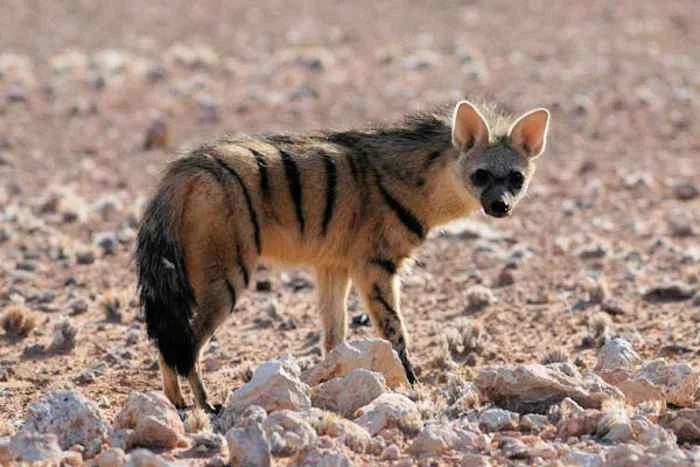
Survival ability: Strong adaptability and foraging ability
Coyotes are highly agile and adaptable predators, capable of surviving in a variety of environments. Whether in the suburbs of cities or in wilderness areas, coyotes can always find suitable habitats. Their diet is extremely diverse, ranging from small mammals and insects to plants. Coyotes are prolific breeders, typically adapting to environmental changes and adjusting their hunting strategies to thrive in various climatic and ecological conditions.
10. House Sparrow: A Master of Urban Adaptation
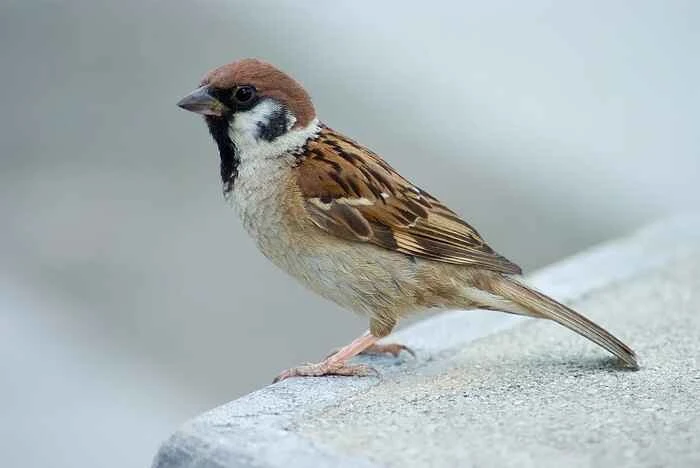
Survival ability: Highly adaptable to urban environments and has a high reproductive rate.
Sparrows are highly adaptable small birds that can thrive in diverse environments, including cities, rural areas, and even suburbs. They have a wide range of food sources, consuming seeds, insects, and more. Sparrows are prolific breeders, typically multiplying multiple times a year, and they can quickly adapt to changing environments and various climatic conditions. Sparrows are also gregarious birds, enhancing their survival through collective living and sharing food sources.
Summary: The "Survival Kings" of Nature
These animals demonstrate remarkable adaptability and tenacious vitality, thriving in extreme climates, radiation environments, and conditions of food and water scarcity. From microscopic rotifers and planarians to macroscopic camels and ahyenas, their survival wisdom and abilities surpass our common imagination. Through the study of these animals, scientists have not only revealed the adaptive mechanisms of organisms in nature but also provided new insights into how to cope with environmental changes and protect biodiversity.