Untrained human reaction time is typically between 200 and 300 milliseconds, while a human blink takes about 100 milliseconds. However, many animals far surpass humans in reaction speed. Today, we've compiled a list of the world's ten most agile animals, including the Camilla ant, the spread-necked spider, the giant ant, the hummingbird, the Portuguese man-of-war, fleas, and flies. Let's take a look at these amazingly fast animals!
1. Camilla Mimic Ant (completes one bite in 0.023 milliseconds)
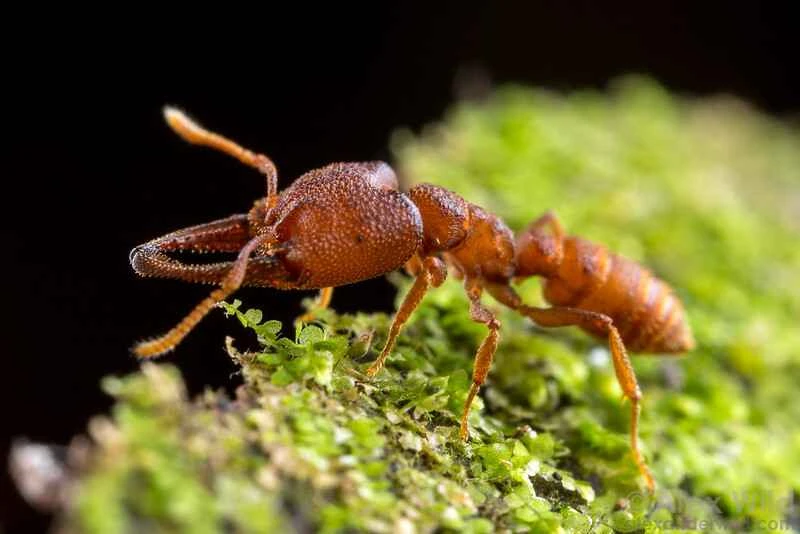
The Camilla ant, also known as the vampire ant, is mainly distributed in Australia, Southeast Asia, and tropical Africa. It is currently the animal with the fastest known opening and closing of its appendages. From a standstill to fully opening its jawbone, this process takes only 0.000015 seconds, equivalent to a speed of 320 kilometers per hour, which is 5,000 times faster than a human blinking.
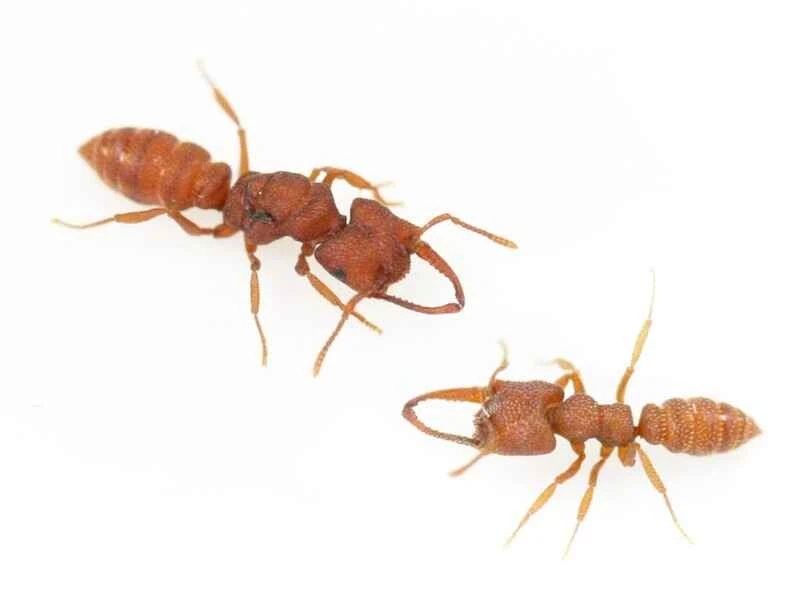
These ants' bites are not only extremely fast but also possess a powerful impact, capable of stunning termites and other larger insects over short distances. As of 2024, the Camilla ant still holds the title of the world's fastest-reacting animal.
2. Spread-necked spider (completes one bite in 0.07 milliseconds)
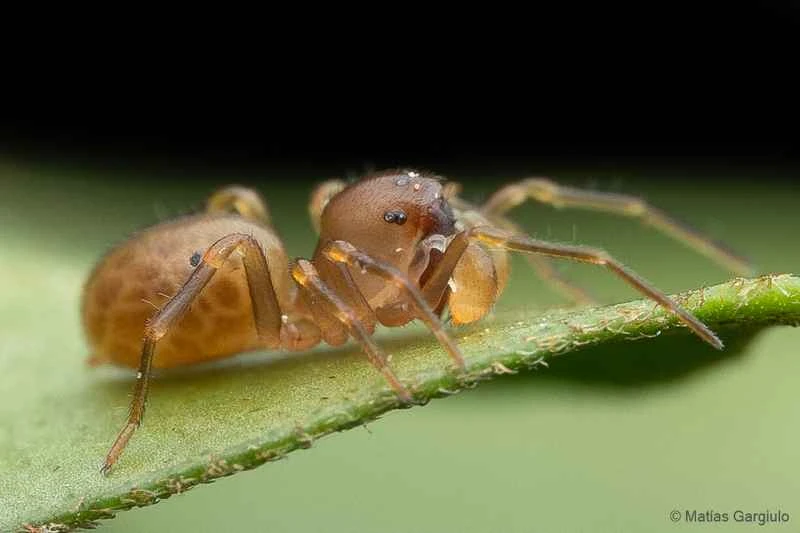
The spread-necked spider topped the list of animal sensitivity rankings for two consecutive years. In 2016, a research paper published in Current Biology, a journal under Cell, used high-speed photography to measure the bite speed of the spread-necked spider in detail.
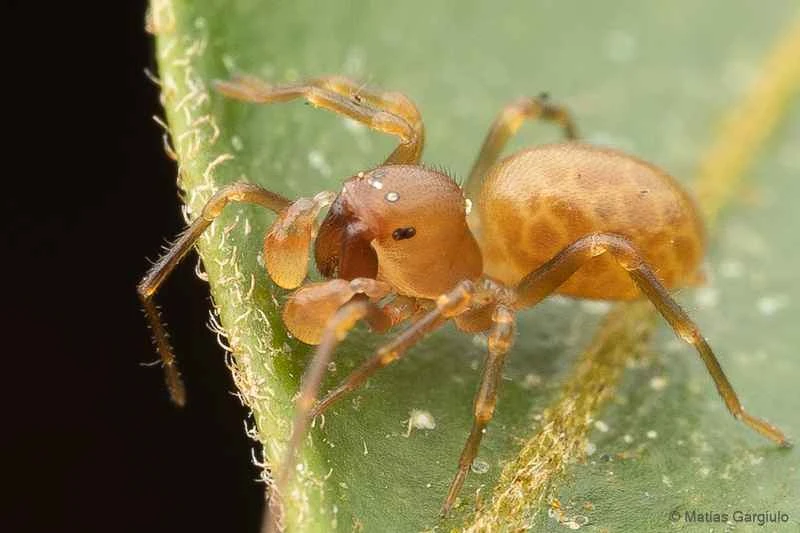
Research has found that the spread-necked spider can complete a bite in 0.12 milliseconds (the average speed of three individuals, with the fastest recorded speed being 0.07 milliseconds). Its most powerful attack exerts approximately 200 times the maximum force of a human leg muscle during a jump, successfully breaking the record held by the giant ant of Boehringer's tussock for 10 years.
3. Giant-toothed ant (bites its prey in 0.13 milliseconds)
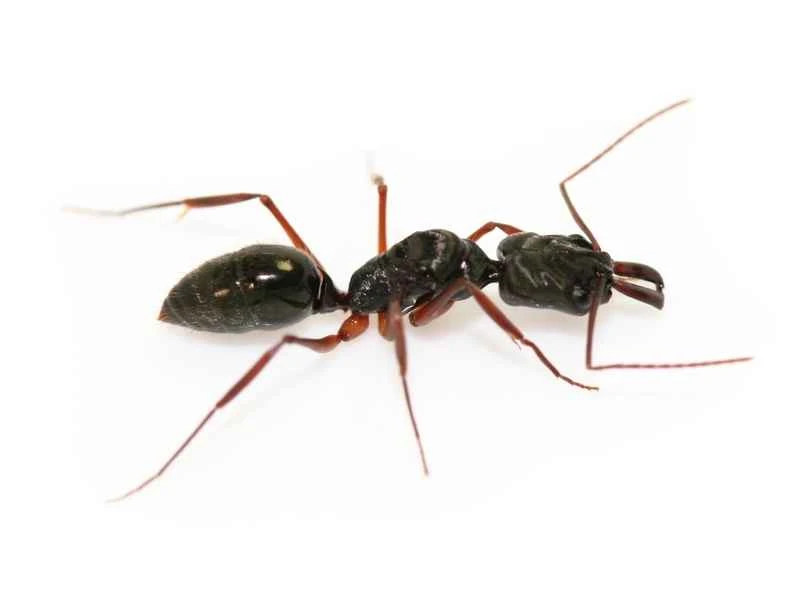
The giant toothed ant was once the champion of animal nerve reaction speed, a record it held for 10 years. Scientific research shows that it is one of the fastest-attacking animals on Earth and one of the most lethal species among ants. The giant toothed ant can close its mandibles and bite its prey in 0.13 milliseconds, 2300 times faster than a human blink.
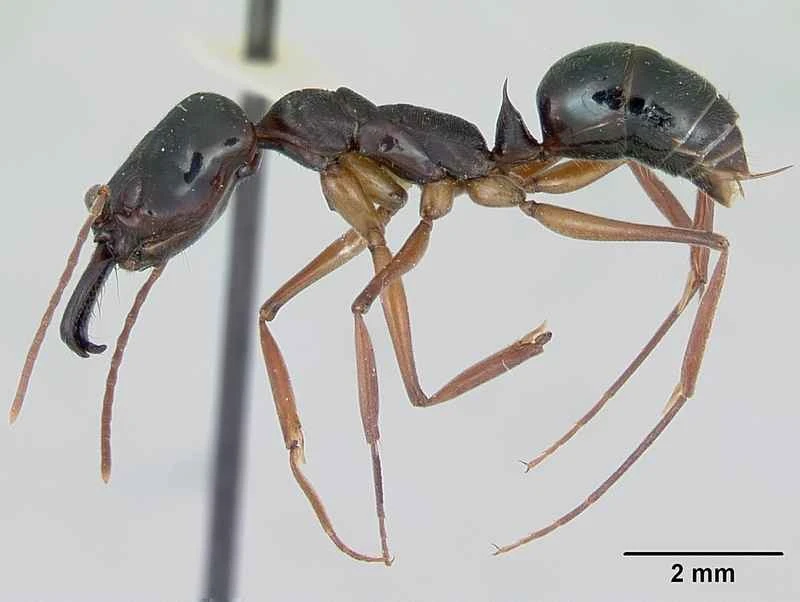
Moreover, these ants' bites are not only rapid but also extremely powerful. Despite weighing only 12.1 to 14.9 milligrams, the force of their jaws closing each time they snap their jaws together can reach 300 times their body weight. To put it figuratively, the speed at which the mandibles of the giant ant close is equivalent to closing at a speed of 125 to 233 kilometers per hour.
4. Hummingbird (jumps within 0.2 milliseconds)
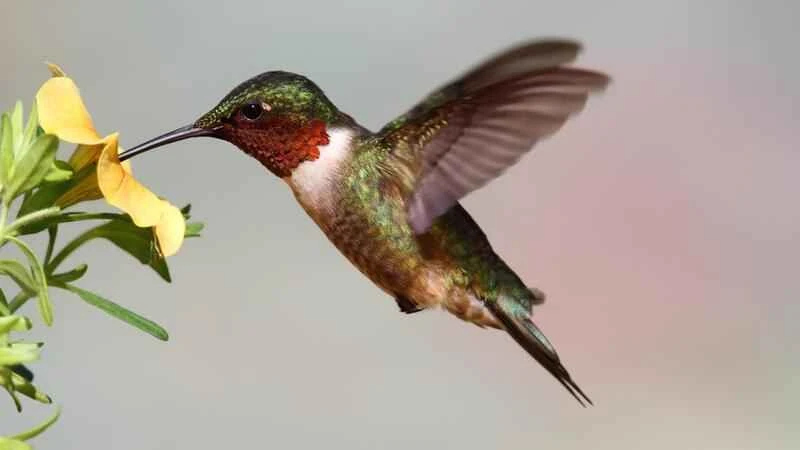
Hummingbirds are not only among the smallest birds in the world, but also among the fastest-reacting animals. They can fly at speeds of up to 90 kilometers per hour, and even exceed 100 kilometers per hour when diving. Hummingbirds have an extremely high metabolic rate, one of the fastest of all animals, with a heart rate of up to 500 beats per minute. Muscle contractions for flight take only 8 milliseconds, while each wing flap takes 16 milliseconds.

When faced with danger, a hummingbird's muscle reaction time is 4 to 10 milliseconds. In extremely dangerous situations, a hummingbird can jump in 0.2 milliseconds, a speed so fast that the pause is almost imperceptible to the naked eye.
5. Portuguese Mantis Jellyfish (attacks within 1 millisecond)
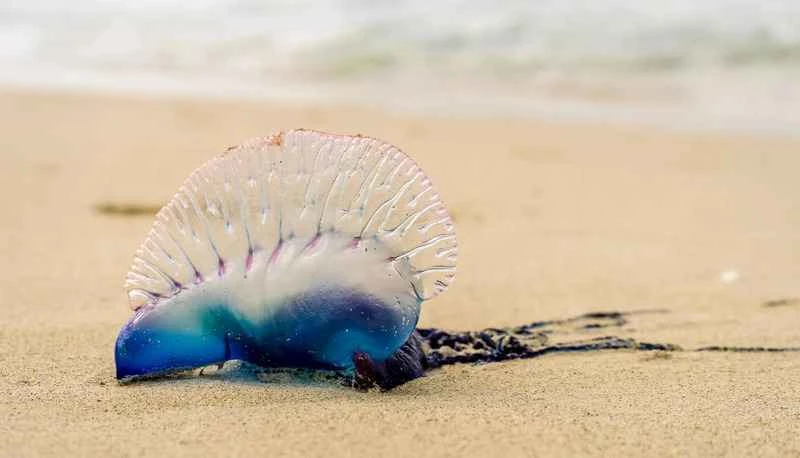
Portuguese man-of-war is one of the fastest-reacting animals, possessing powerful muscles to respond to commands from its nervous system. Its long, slender tentacles, which sway in the sea, can reach lengths of up to 30 meters, each covered with thousands of stinging cells. Once a small fish touches these deadly tentacles, the spring-like stinging threads coiled within the stinging cells are rapidly ejected within one millisecond, releasing a potent neurotoxin that instantly incapacitates its prey.
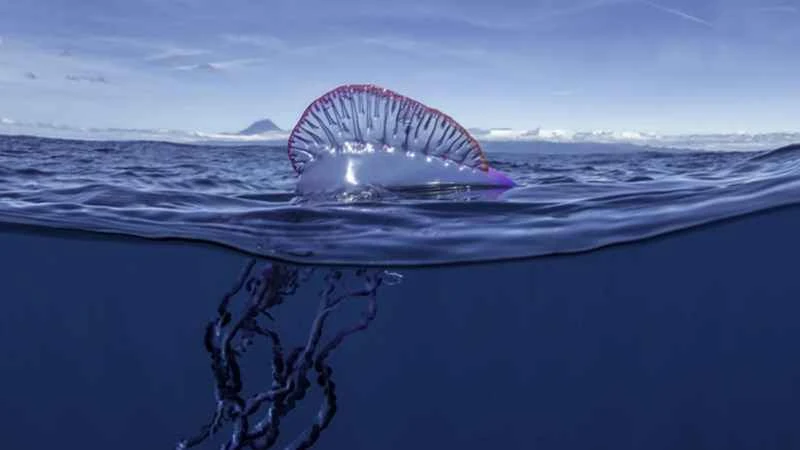
The paralyzed fish are gradually pulled closer, where the Portuguese man-of-war's feeding apparatus secretes digestive juices to digest and absorb them. This "biological weapon" makes the Portuguese man-of-war an excellent predator in the ocean.
6. Fleas (reaction speed within 2 milliseconds)
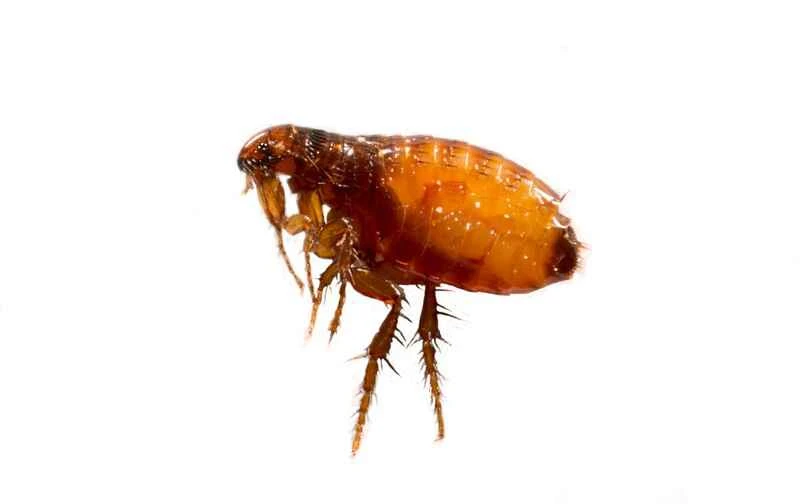
Among the top ten most troublesome animal pests, fleas are undoubtedly one of the most troublesome. These insects are widely distributed globally, with 2,500 known species, including approximately 650 in China. Both male and female fleas are blood-sucking organisms and are extremely sensitive to temperature, only parasitizing hosts when their body temperature is normal. If a host's body temperature rises due to illness or drops after death, the fleas will quickly migrate to other hosts to continue feeding. Therefore, fleas on animals such as dogs, cats, and rats can jump onto humans to feed.

Biological research shows that the reaction speed of the muscles on the back of fleas can be within 2 milliseconds. In addition, the thighs contain highly efficient elastin, which gives them extremely strong instantaneous explosive power, thus enabling them to jump around easily between hosts.
7. Fly (takes flight in 7 milliseconds)
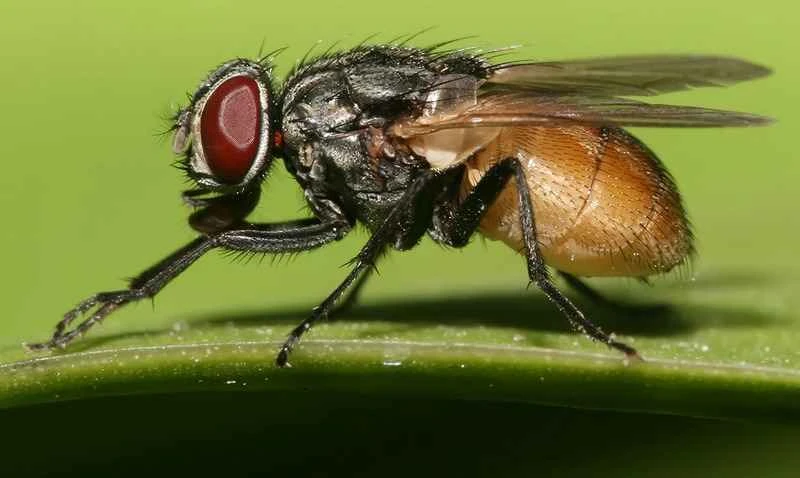
Flies are undoubtedly among the most agile animals, often referred to as "the elusive little sprites." Scientists, using high-speed cameras at 3000 frames per second to record the moment a fly takes off, discovered that houseflies take off about five times faster than ordinary flies, with the entire process taking only milliseconds. Even the most "clumsy" flies take off in no more than 39 milliseconds, while the takeoff time for common flies is generally no more than 14 milliseconds. A fly only needs four wing flaps to take off, meaning a human must complete a "killing" action within 7 milliseconds to have any chance of hitting it.
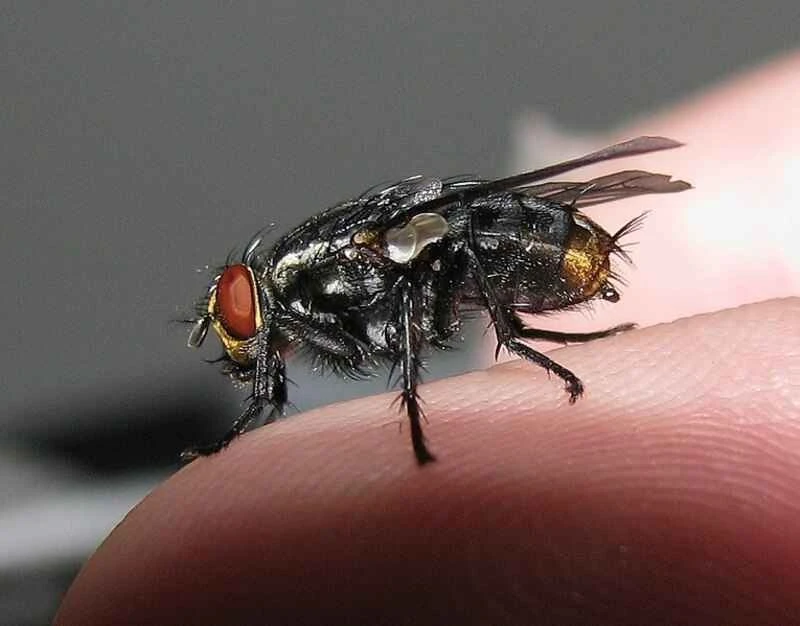 However, this is almost impossible because humans perceive the outside world at a frequency of about 60 Hz, while flies perceive it at a frequency as high as 250 Hz. This means that they receive four times the amount of information per second as humans. Therefore, flies react much faster than humans, and it is this "advanced" perception and reaction speed that makes them true "dodging masters".
8. Star-nosed mole (the fastest-moving mammal)
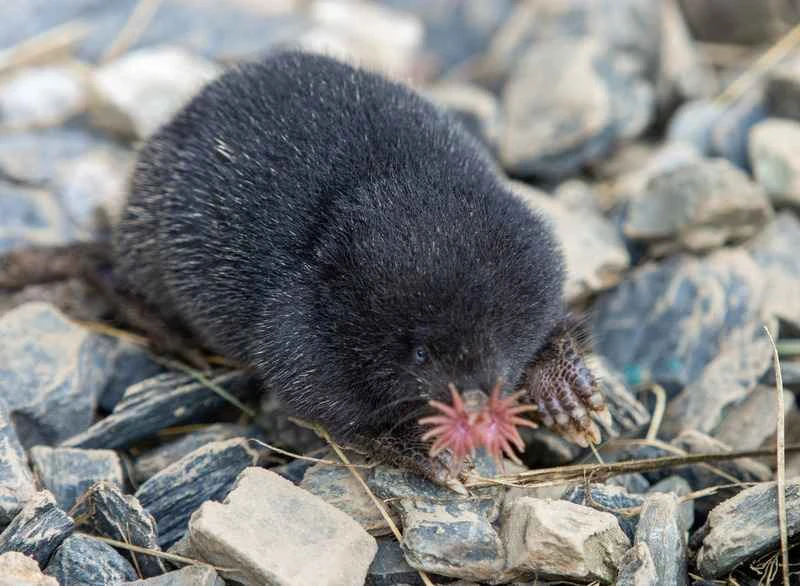
Among mammals, the star-nosed mole is widely recognized as one of the most agile hunters. Its nose is surrounded by 22 tentacles radiating outwards like starlight, hence its name. These tentacles help it pinpoint prey in complete darkness, its detection capabilities far exceeding those of ordinary moles that rely on smell. The star-nosed mole's sensory system is extremely acute, capable of detecting minute movements within 8 milliseconds, earning it recognition in the Guinness World Records as one of the fastest predators.
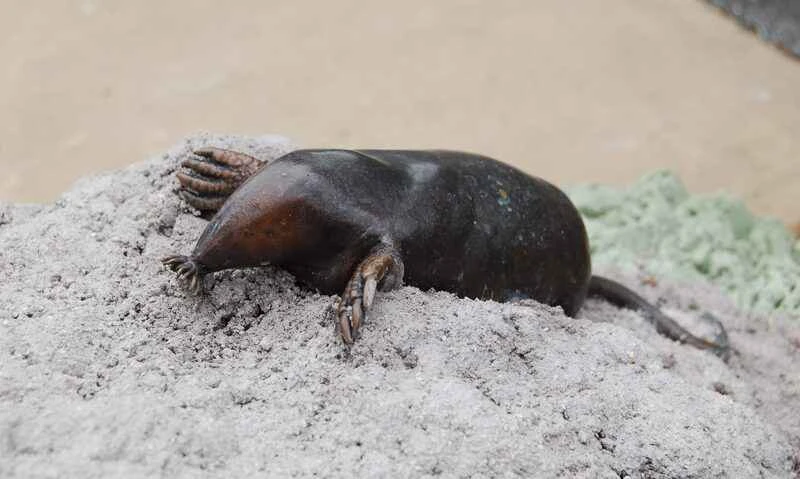
The star-nosed mole has over 100,000 surface nerve endings distributed on its nasal tentacles, enabling it to exhibit astonishing speed and efficiency when hunting. When capturing small prey, the entire process, from sensing the prey with its tentacles to successfully capturing it, takes only 0.2 to 1 second.
9. Cockroach (hip muscle reaction time is 4-10 milliseconds)
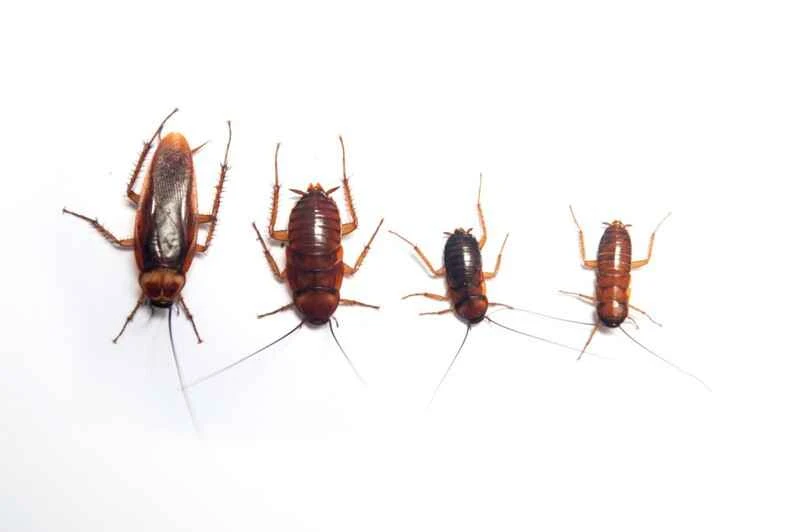
Of all the most sensitive animals, cockroaches are definitely one that people avoid at all costs. They possess a pair of long, slender, antenna-like antennae covered with olfactory receptors capable of detecting odor molecules at concentrations as low as one part per million. In addition, each cerci has up to 220 fine hairs that form highly sensitive wind receptors.
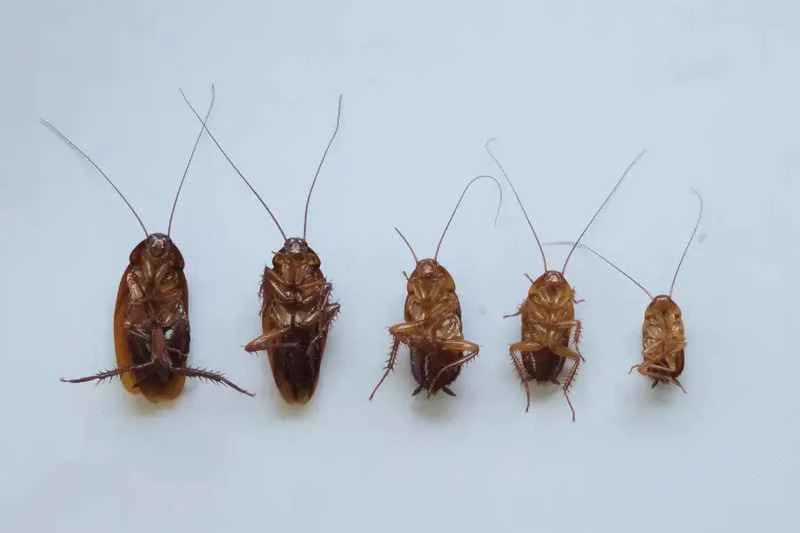
When people try to catch a cockroach, the airflow activates the cerci at the end of its abdomen. These cerci act like complex vibration detectors, accurately determining the direction of external stimuli. Cockroaches have extremely fast escape reactions; their hip muscles react in only 4-10 milliseconds, allowing them to make lightning-fast escape movements in a very short time. This is one of the reasons why people often miss their catch.
10. Lizard (responds to fast-moving objects in 10 milliseconds)
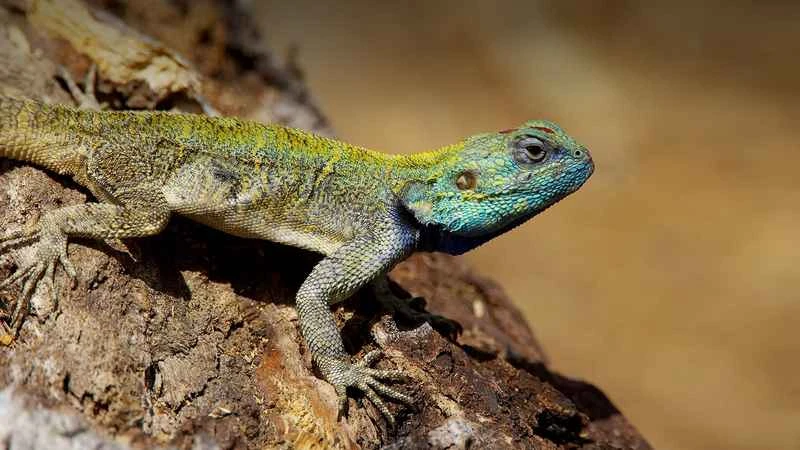
Lizards are reptiles with remarkable characteristics, renowned for their agile movement and often hailed as the "sprint champions" of the animal kingdom. Despite being cold-blooded, lizards have a relatively slow metabolism, yet they can execute a series of astonishing evasive maneuvers in an extremely short time, successfully escaping the pursuit of predators.
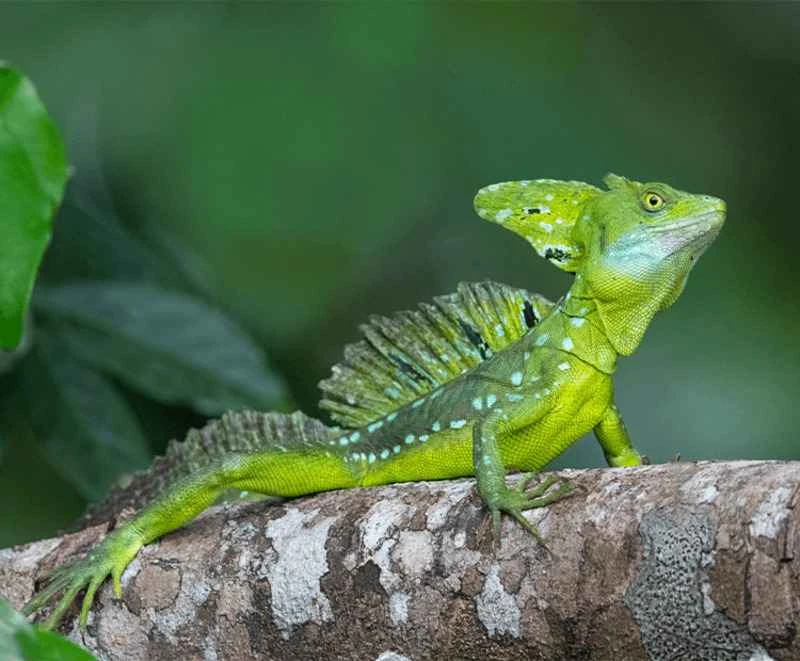
Not only are lizards agile, but they also possess excellent eyesight and hearing, enabling them to sense scents and track the location of prey using their long tongues. Furthermore, they rely on their keen vision to pinpoint the direction and movement of predators, reacting precisely to fast-moving objects within 10 milliseconds to launch a swift attack.
The list of the world's ten most agile animals is primarily based on their reaction speed and also references relevant internet rankings/lists. Data is current as of January 14, 2025. This list is for reference only; comments and corrections are welcome at the end of the article!