Currently, there are five species of elephants. The Asian elephant (Elephas maximus) is further divided into three subspecies: the Sri Lankan elephant (Elephas maximus maximus), the Indian elephant (Elephas maximus indicus), and the Sumatran elephant (Elephas maximus sumatranus). There are two species of African elephants: the African savanna elephant (Loxodonta africana) and the African forest elephant (Loxodonta cyclotis). Although other species of elephants existed in the past, unfortunately, they are now extinct.
Elephants are large mammals considered ecosystem engineers and seed dispersers in their habitats. They are umbrella species because their conservation also involves protecting other species that inhabit the same areas. Although native to Asia and Africa, they are symbolic species with significant cultural and symbolic meanings around the world.
Table of contents
How many kinds of elephants are there in the world?
Three subspecies of Asian elephant
Two subspecies of African elephant
Extinct elephant species
Conclusion: The ecological significance and conservation of elephants
1. How many species of elephants are there in the world?
Extant elephants belong to the family Elephantidae in the order Proboscidea, and are divided into two genera: the Asian elephant (Elephas) and the African elephant (Loxodonta). Currently, there are three main groups of elephants living on Earth: the Asian elephant and its three subspecies, and the two main groups of African elephants. There are a total of five extant elephant species. Many elephant species have also gone extinct throughout history.
2. Asian elephant (Elephas maximus) and its three subspecies
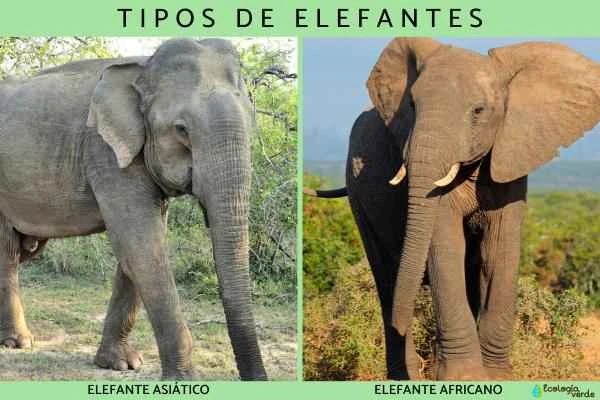
The Asian elephant is the only extant species in the genus *Elephant*, primarily distributed in Sri Lanka, India, Bangladesh, and Southeast Asia. They live in tropical forests with females forming the core of their herds, feeding mainly on leaves and fruits. Their distinguishing features include a smaller body size than the African elephant, more upright ears, a long tail with a black tuft of hair, and only males possess prominent tusks.
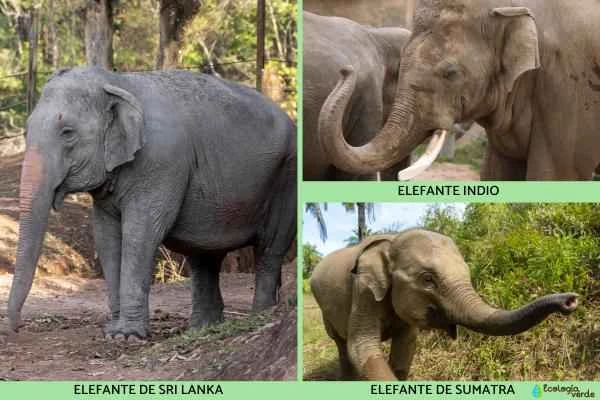
Sri Lankan elephant (Elephas maximus maximus)
The largest subspecies in Asia, it can reach a height of 3 meters and weigh 6 tons. It is mainly distributed in the dry lowlands of Sri Lanka, which is the area with the highest density of elephants in the region.Indian elephant (Elephas maximus indicus)
Second in size to the Sri Lankan elephant, it is widely distributed, mainly in India, Nepal, Bangladesh, and Bhutan, and most males have long tusks.Sumatran elephant (Elephas maximus sumatranus)
Inhabiting the lowland tropical rainforests of Sumatra, Indonesia, this is a critically endangered subspecies. It is the smallest in size, and females often lack tusks. They play an extremely important role in seed dispersal within forest ecosystems.
Asian elephants are listed as "endangered" by the IUCN due to habitat fragmentation, poaching, and human-elephant conflict, resulting in an extremely precarious existence.
3. Two main categories of African elephants (Loxodonta)
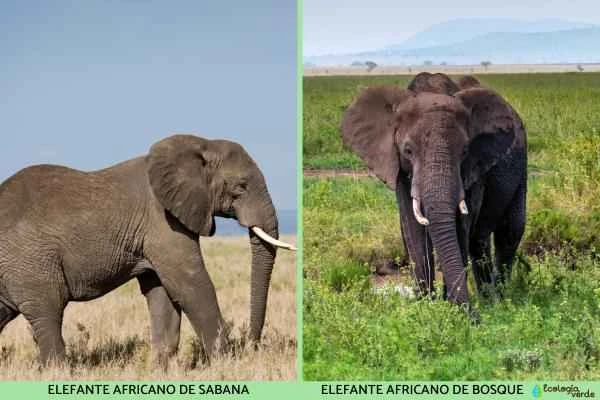
There are two species of African elephants: the African savanna elephant and the African forest elephant.
African savanna elephant (Loxodonta africana)
The world's largest land animal, widely distributed in African savannas, sparse forests, and scrublands. It has large ears and long, curved tusks. Acting as an "ecological engineer," it maintains biodiversity by destroying vegetation and digging waterholes. Its main threats are ivory poaching and habitat loss, and it has been identified as "endangered" by the IUCN.African forest elephant (Loxodonta cyclotis)
Originally thought to be a subspecies of the steppe elephant, it was later identified as a separate species through genetic testing. Distributed in the tropical rainforests of Central and West Africa, it is relatively small in size, with straight, downward-pointing teeth and more rounded ears. It primarily feeds on fruit and is crucial for the dispersal of seeds from large trees in the tropical rainforest. It is listed as "Critically Endangered" due to poaching and habitat loss.
4. Extinct elephant species
Many elephant species once existed, but have become extinct due to environmental changes and human activities. Examples include: Loxodonta adaurora, Elephas antiquus, Elephas planifrons, and Elephas namadicus. Protecting existing elephants is also a way to safeguard the Earth's biodiversity.
5. Conclusion: The Ecological Significance and Conservation of Elephants
Elephants are not only the world's largest land mammals, but also key species in ecosystems. Their survival is crucial to the ecological balance of forests, grasslands, and even the entire world. Protecting elephants is protecting the entire ecosystem. We hope that more and more people will pay attention to elephants, promote conservation efforts, and protect this precious life on Earth.