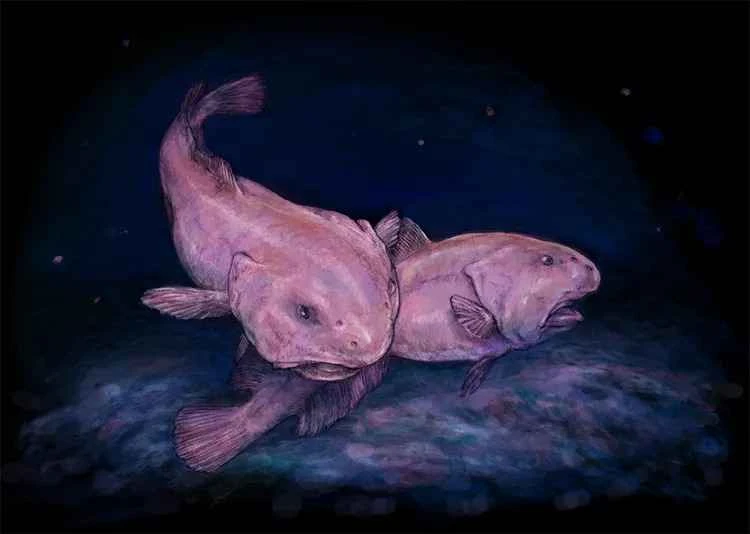
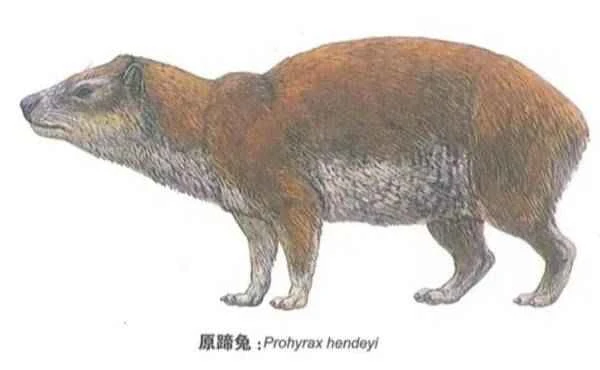
In nature, many predators demonstrate remarkable cooperative abilities. The power of unity and cooperation is key to their survival and reproduction in harsh environments. Through precise division of labor, mutual support, and coordinated operations, these predators exhibit extremely high efficiency in hunting, breeding, and protecting their groups. Today, we will delve into the world's ten most united predators, whose performance in group cooperation serves as a model for the natural world.
1. Orcas: Precisely Cooperative Hunters of the Ocean
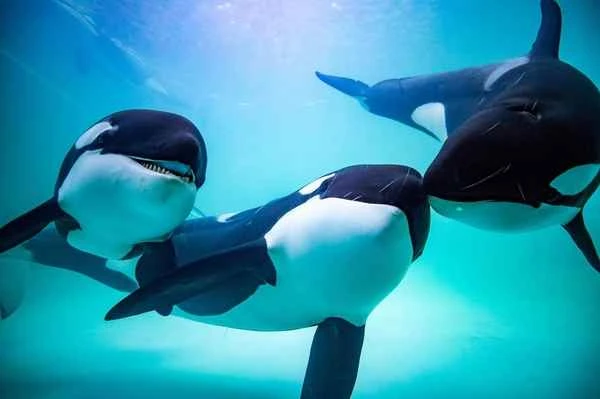
Orcas (Orcinus orca), also known as "wolves of the sea," are recognized as apex predators in the ocean. They are among the most united predators in the ocean, displaying breathtaking cooperative hunting skills. Orca groups typically consist of mothers and their offspring, with a tight structure and clear division of labor. During the hunt, orcas coordinate their efforts through vocalizations, signals, and precise division of labor, making it difficult for prey such as whales, seals, and even large sharks to escape their encirclement. For example, orcas will cooperate to lure prey close to the surface, forming a circle, and using collective strength to kill it. This highly efficient cooperation has secured orcas their top position in the food chain.
2. Lion: The social elite of the grasslands
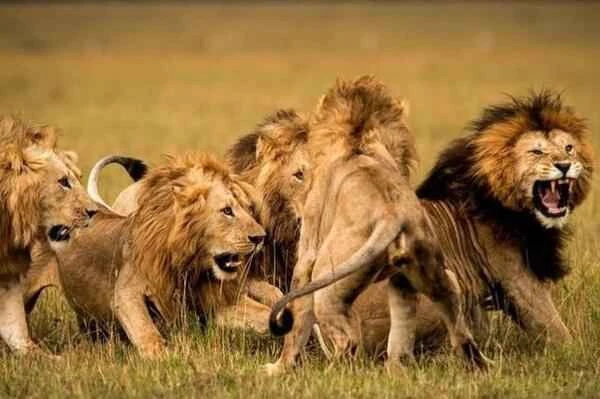
Lions (Panthera leo) are among the most famous social predators on Earth. Unlike other felines, lions live in large prides with multiple females and cubs, while males are responsible for territorial defense. The cooperative spirit and collective hunting strategies within the pride make them unparalleled on the vast savanna. Lionesses typically use precise teamwork to surround and kill prey during hunts. Male lions are responsible for protecting the territory, participating in competition for mates, and maintaining the safety of the pride. The social structure and cooperative methods of the pride are key factors in their long-term dominance on the savanna.
3. Wolves: Cooperative hunters in the forest
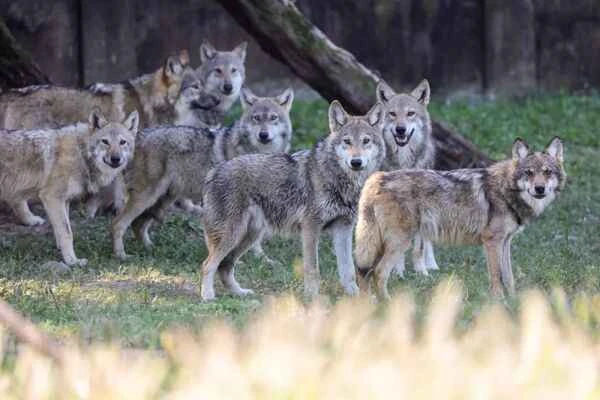
The wolf (Canis lupus) is another hunting animal known for its collective lifestyle. Wolf packs have a clear social structure, typically consisting of an "alpha" leader and other members. During hunts, pack members cooperate through a precise division of labor: some wolves guide the prey, while others ambush and attack. Pack cooperation extends beyond hunting to include group defense and pup raising. Wolves are extremely efficient at cooperative hunting, capable of taking down prey larger than themselves, such as elk and deer. Their strong sense of unity makes them powerful predators in the forest.
4. African Elephants: The Collective Wisdom of Savannah Giants
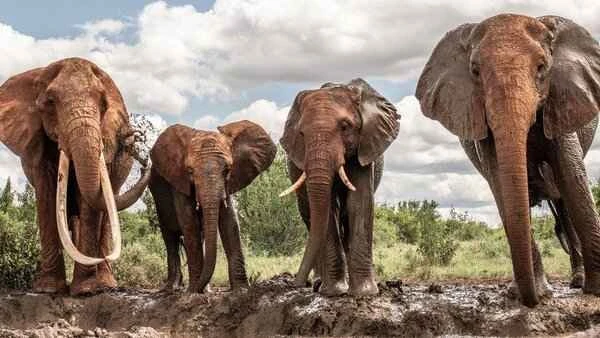
African elephants (Loxodonta africana) are the largest and strongest land animals on Earth, and their social structure and cooperative unity are unmatched by many other species. African elephant herds typically consist of mothers and their offspring, with males usually leaving the herd after reaching maturity. Mothers maintain close cooperation, especially in protecting their calves, with other members forming a protective circle to prevent predators from approaching. During foraging and movement, herd members maintain close contact to ensure no one is left behind. Elder elephants in the herd guide the group and maintain social stability. This cooperative spirit helps African elephants survive in the vast grasslands and forests.
5. Hyenas: Cunning and united predators
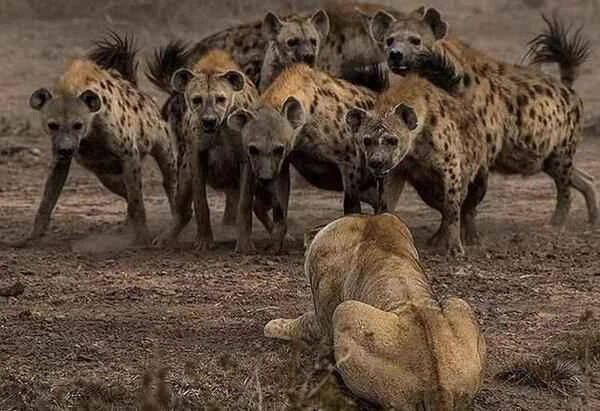
Hyenas (Crocuta crocuta) are social carnivores renowned for their highly social and cooperative hunting strategies. Hyena packs typically consist of 10 to 30 individuals, with members cooperating extremely closely. During hunts, hyenas work together to surround and trap prey, sometimes even joining forces with other hyena groups. Hyenas are highly efficient hunters, successfully killing prey larger than themselves, such as wildebeest and buffalo. Their social nature and cooperative spirit are significant advantages in hunting and survival.
6. African Wild Dogs: The Perfect Blend of Speed and Cooperation
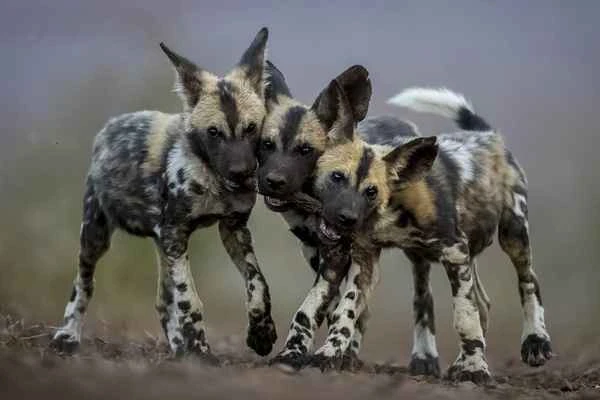
African wild dogs (Lycaon pictus) are extremely efficient hunting animals, renowned for their exceptional teamwork. Their packs consist of 2 to 20 individuals, typically led by a pair of "alpha" leaders. African wild dogs employ a unique hunting strategy, using precise speed coordination and teamwork to guide prey to designated areas and launch an attack. Their group cooperation is particularly effective when hunting large animals, especially large prey such as antelope and gazelles, where they demonstrate astonishing hunting efficiency.
7. Jackal: A nimble hunter with precise teamwork.
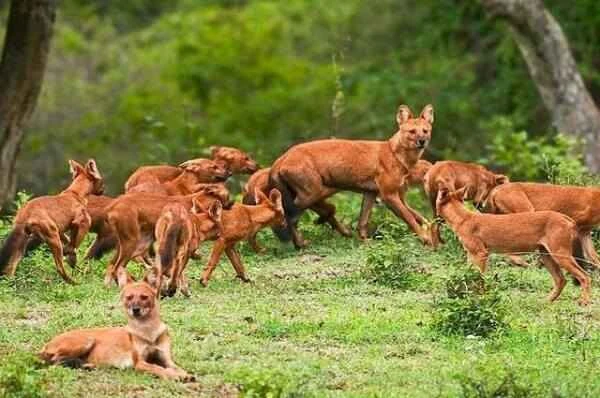
The dhole (Cuon alpinus) is a social predatory animal, typically consisting of several to a dozen members. Their hunting strategy combines speed, endurance, and collective cooperation. Through efficient division of labor and precise coordination, they hunt and capture prey larger than themselves, such as deer and wild boar. Members of the dhole group cooperate seamlessly, using signals and sounds to coordinate their hunting actions, demonstrating exceptional teamwork.
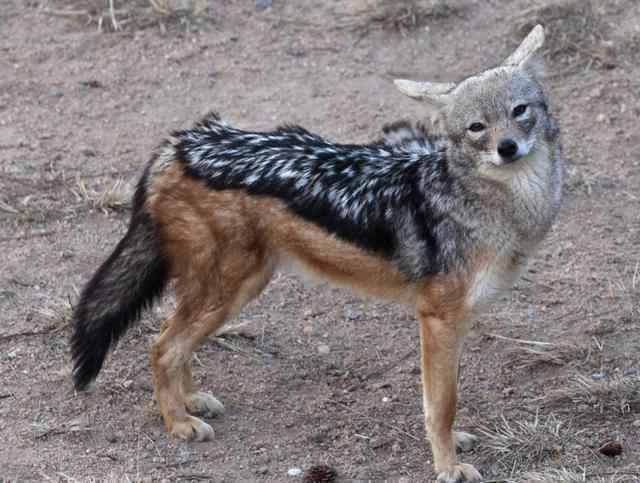
8. African Buffalo: Giants of the grasslands, united in their defense.
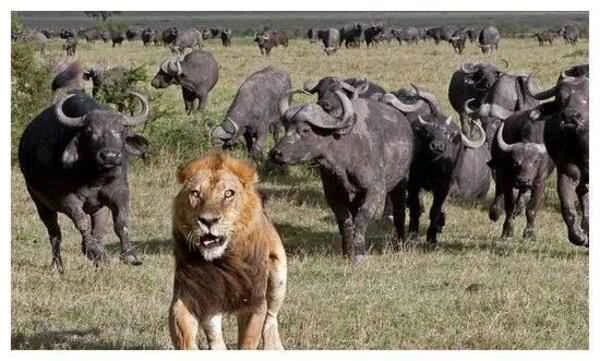
African buffalo (Syncerus caffer) are important animals on the grasslands, possessing a highly complex social structure and typically existing in large herds. Members of these herds cooperate closely to protect their calves and defend against predators. When facing predators, the herd forms a tight defensive formation, collectively counterattacking the opponent. Older males in the herd lead and guide the way. Their collective defense and cooperative spirit are fundamental to their survival on the grasslands.
9. Sea lions: Social giants of the ocean
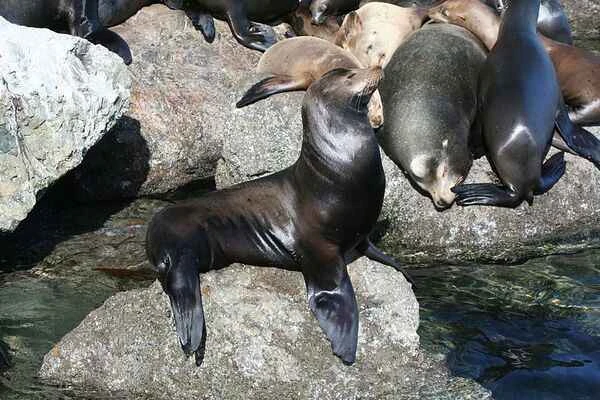
Sea lions (Zalophus californianus) are highly social marine mammals that live in groups through complex social interactions and cooperation. Sea lion groups typically consist of hundreds of individuals, communicating within their habitat through vocalizations, body language, and other means. Sea lions cooperate not only when hunting but also demonstrate a strong sense of collectivism during migration, rest, and the protection of their pups. They showcase the power of collective cooperation by working together to hunt schools of fish in the ocean.
10. Walruses: The Group Cooperation of Ocean Giants

Walruses (Odobenus rosmarus) are large marine mammals that live in cold waters, and group living is crucial for their survival. Walrus groups typically consist of dozens to hundreds of individuals who help each other in their habitat, foraging and reproducing together. Members of a walrus group protect themselves from predators through close cooperation, especially during their breeding season, where collective action ensures the survival of the calves.
Summary: The Power of Unity and the Wisdom of Survival
From orcas to walruses, these united predators demonstrate an incredibly strong ability to cooperate. Through precise division of labor and collaboration, they are able to survive and reproduce in harsh natural environments. Unity is not only key to their hunting and reproduction but also a crucial factor in their survival advantage in nature. Understanding these united predators allows us to appreciate the immense power of cooperation and provides valuable experience on how to cooperate effectively in group settings.