In the natural ecosystem, many animals have earned the title of "warrior" for their astonishing courage and daring behavior. These animals not only demonstrate extraordinary courage within their own habitats but also dare to challenge enemies many times stronger than themselves. Their audacious actions are breathtaking and showcase another kind of wisdom for survival in nature. This article will introduce you to the world's ten boldest animals and detail their bravery and daring.
1. Honey Badger: One of the bravest animals
Physical appearance : Honey badgers are about 60 cm long, 30 cm tall at the shoulder, and weigh about 9-13 kg. They have short fur and tough skin, a grayish-white back, a lighter belly, a small head, and a pointed snout.
Habitat : Honey badgers mainly inhabit dry grasslands, forests, and deserts in Africa and Asia. They are highly adaptable and can survive in a variety of environments.
Habitat and Habits : Honey badgers are typically solitary animals with a very aggressive temperament. They primarily hunt bees and rodents and prefer to live in burrows. They possess strong defensive capabilities, making them difficult to defeat even by snakes or other predators.
The honey badger ( Mellivora capensis ), also known as the flat-headed badger , is hailed as one of the bravest animals, having been listed in the Guinness World Records as "the world's most fearless animal" for years . Its reputation for boldness and fearlessness has led to a very limited number of zoos worldwide willing to house honey badgers. They inhabit arid regions of Africa and Asia. While relatively small in size, honey badgers are renowned for their powerful aggression and astonishing courage. They not only dare to confront predators much larger than themselves but also challenge formidable enemies such as large snakes and lions. Their strength and resilience make them "invincible warriors" in nature, facing all threats with an unwavering will to survive and a domineering presence.

2. Spotted Hyena: A hunting expert who fears no powerful foe.
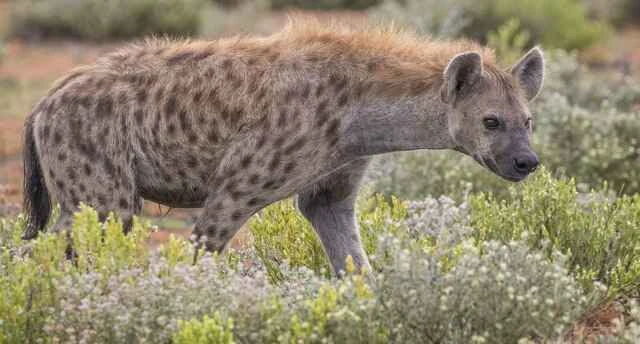
Physical appearance : Spotted hyenas are about 90-105 cm long, about 70 cm tall at the shoulder, and weigh about 40-60 kg. They have a strong physique, short and hard fur, and gray or tan fur with distinct black spots.
Habitat : Spotted hyenas primarily inhabit the grasslands, savannas, and forests of Africa. They typically live in packs, establishing territories and hunting collectively.
Habitat and Habits : Spotted hyenas are social animals, skilled at hunting in packs, and typically prey on small to medium-sized mammals. They not only demonstrate exceptional teamwork during hunts but also dare to challenge other powerful animals, such as lions.

Spotted hyenas ( Crocuta crocuta ) are among the most daring animals on the African savanna, particularly adept at group hunting. Although smaller than other predators, they typically hunt prey stronger than themselves, such as wildebeest and antelope, in cooperative packs. They dare to challenge and even compete with stronger carnivores like lions for prey. Their boldness and fearlessness make them formidable apex predators on the African savanna.
3. Wolverine: A highly aggressive forest warrior
Physical appearance : Wolverines are about 70 cm long, with a tail about 20 cm long, and weigh about 9-14 kg. They have thick gray-black fur, short and thick limbs, strong claws, and sharp teeth.
Habitat : Wolverines inhabit forests, grasslands, and mountains in Europe and Asia, and especially prefer places with sufficient cover, such as tree roots, bushes, and rock crevices.
Habitat and Habits : Wolverines are solitary animals with a strong sense of territory. They are carnivorous, preying on rodents, birds, and certain small carnivores. They frequently clash with predators such as foxes and wolves, demonstrating formidable fighting prowess.
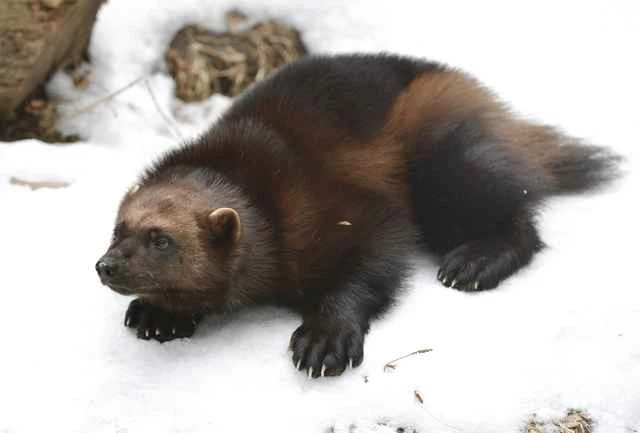
The wolverine ( Taxidea taxus ), also known as the silverback, moon bear, flying bear, wild dog, and paw bear, is the largest extant terrestrial mustelid. Renowned for its courage and bravery, despite its relatively small size, it dares to fight against many large predators. Wolverines are highly aggressive, often clashing with large animals such as foxes and wolves to protect their territory. Their fearless nature and formidable fighting ability give them an unparalleled position in the forest.
4. Meerkat: A warrior who dares to confront venomous snakes.
Physical appearance : The mongoose is about 60 cm long, with a tail about 10 cm long, and weighs about 1.5-3 kg. They have long, slender bodies, gray or brown fur, and a pair of sharp teeth.
Habitat : Meerkats mainly live in tropical and subtropical regions, inhabiting forests, grasslands, and shrublands. They are adapted to the environment of fighting venomous snakes and usually prefer to hide in rock crevices or under tree roots.
Habitat and habits : Meerkats primarily feed on venomous snakes, and are particularly adept at hunting dangerous venomous snakes such as cobras and rattlesnakes. They are swift and agile, capable of retaliating when attacked by venomous snakes.
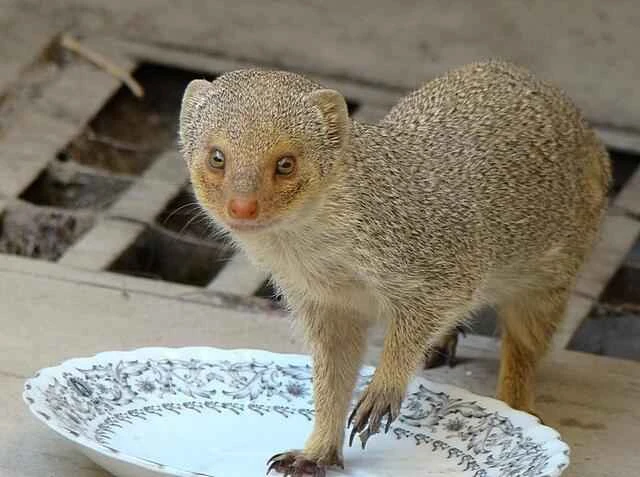
Mungos are small mammals, a collective term for gray mongooses, red-cheeked mongooses, and Egyptian mongooses. They are known for their prowess in hunting venomous snakes, primarily inhabiting Asia and Africa. They are famous for their ability to prey on venomous snakes, especially cobras and rattlesnakes. As the saying goes, "speed is the ultimate weapon," and speed is crucial for any predator. Cobras are a prime example of this speed; when attacking, they stand upright for about one-third of their body length, allowing each strike to occur in just 44-70 milliseconds, meaning they can attack up to 20 times per second. Mungos possess exceptional agility and endurance, daring to fight even when surrounded by venomous snakes and often successfully hunting them down. The most skilled snake handlers treat venomous snakes as their primary food source, using their superior skills to manipulate and toy with them, eating snakes as if they were snacks. The mongoose's courage and intelligence make it a unique and formidable warrior in nature.
5. Vulture: A scavenging expert who challenges death.
Physical appearance : The vulture is about 1 meter long, has a wingspan of about 2.7 meters, and weighs about 3-7 kilograms. The vulture's feathers are dark brown, its head is bare, its skin is red or purple, and its neck has obvious wrinkles.
Habitat : Vultures are widely distributed, mainly inhabiting grasslands, mountains, and semi-desert regions in Africa and Asia.
Habitat and habits : Vultures are scavengers, usually living in groups and feeding on animal carcasses. They dare to approach the food of large predators and even steal prey from other predators.
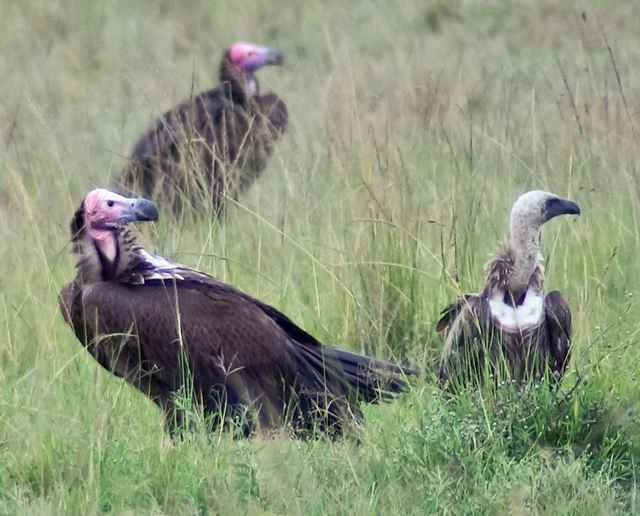
Vultures ( Aegypiinae ) are among the best scavengers, facing other powerful predators with their fearless nature. They dare to approach the prey of large predators, even foraging near the remains of lions and tigers. Vultures possess highly acidic stomachs, strong enough to kill most pathogens, which may be the source of their immunity to many poisons. The average pH of a vulture's stomach acid is about 1, close to strong acid. The pH of the red-crested vulture reaches 0, even corroding metal. Bacteria obviously cannot survive in such a highly acidic environment, so pathogens eaten by vultures are essentially trapped in a "dead end." Known as the "aerial hyena," the bearded vulture also eats animal remains, with bones making up 70%-90% of its daily diet, likely due to the high calorie content and ease of preservation of bones. Vultures are not only bold, but their fearlessness in the face of death allows them to survive in harsh environments.
6. Army Ants: United and Brave Attackers
Physical appearance : Army ants are 1-2 cm long, dark brown or black, with a large head, powerful chewing tool, and long and powerful legs.
Habitat : Army ants are widely distributed in tropical rainforests, grasslands and shrublands in Africa, South America and Asia, and usually live in warm and humid environments.
Habitat and habits : Army ants are known for their swarming behavior. A team of millions of ants resembles a large army, capable of hunting insects, small mammals, and even reptiles. They attack with incredible speed, usually leaving nothing but desolation in their wake.
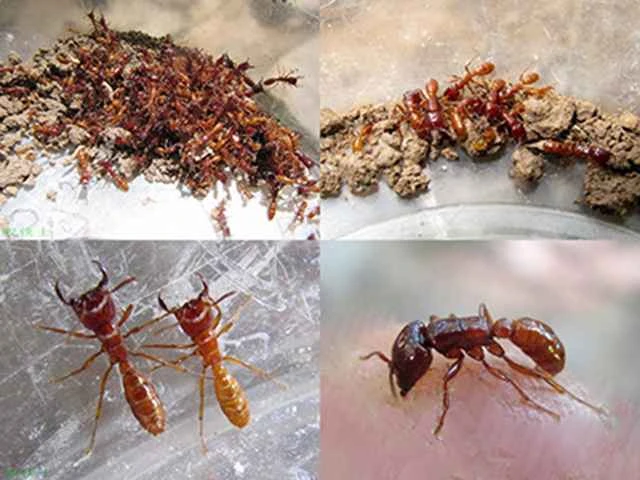
Army ants ( Eciton burchellii ) are considered among the most united insects in nature, displaying remarkable courage and aggression. They dare to challenge any creature that stands in their way, whether it be a venomous snake, a scorpion, or another powerful insect. Their teamwork and rapid movement make them natural enemies of many forest animals. Even when facing formidable adversaries, they can prevail through sheer numbers and strategic maneuvering.
7. Raven: The Sky Ruler with Both Wisdom and Courage
Physical appearance : Crows are about 40-70 cm long, with glossy black feathers, long pointed beaks, and strong legs.
Habitat : Crows have a very wide distribution, ranging from cities to villages to forests, and can be found almost all over the world, especially in the Northern Hemisphere.
Habitat and Habits : Crows are intelligent and bold birds that feed on small animals, fruits, and carrion. They have a strong sense of territory and often drive away intruders in groups.
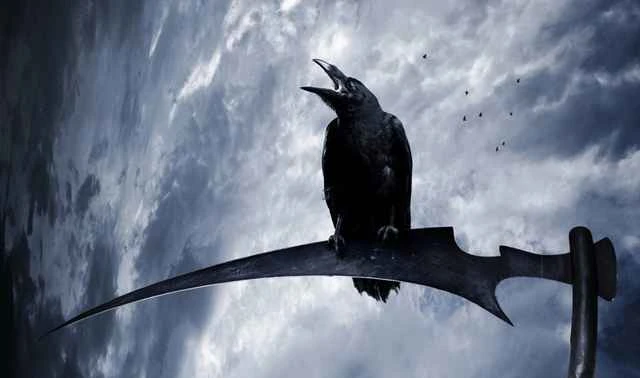
Crows ( Corvus corax ) are renowned for their intelligence and boldness. They are not only capable of learning and using tools, but also frequently display great curiosity and aggression. Crows will boldly approach predators larger than themselves, such as eagles or tigers, sometimes even attempting to steal food from these beasts. Their domineering behavior and intelligence in the skies make them a unique presence in nature.
8. Weasel Badger: The Fearless Burrowing Expert
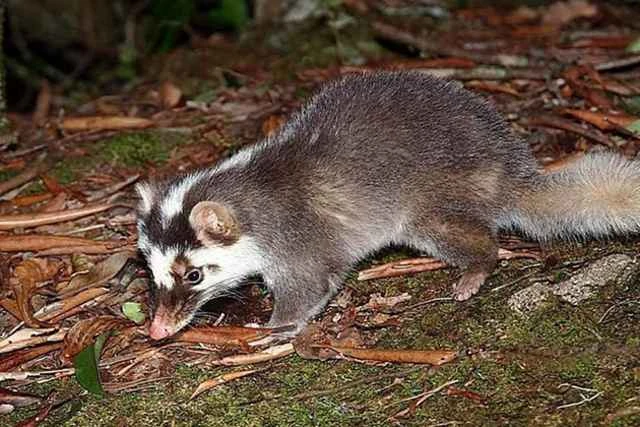
Physical appearance : The ferret badger is about 40-50 cm long and weighs 5-8 kg. It has tough fur that is gray-black or brownish-gray and has strong, powerful claws.
Habitat: The ferret badger mainly lives in the forests, grasslands and hilly areas of Asia, and especially likes to dig burrows underground as its habitat.
Habitat and habits : The ferret badger is a carnivore that primarily preys on small mammals and insects, and is also adept at digging. They are aggressive and will retaliate swiftly when threatened.
The ferret badger ( Melogale ), though small in size, is known for its fearless nature. They can not only fight animals larger than themselves, but also thrive in nature thanks to their burrowing abilities. Even when facing predators, ferret badgers display surprising fighting prowess, sometimes even driving their enemies away.
9. Baboons: Grassland warriors who defend collectively.
Physical appearance : Baboons are about 50-120 cm long and weigh 20-40 kg. They have sparse hair, bare faces, sharp teeth, and strong limbs.
Habitat : Baboons mainly live in grasslands, rocky areas and forest edges in Africa, and often appear near water sources.
Habitat and Habits : Baboons are highly social animals, living in groups with a clear division of labor. They mainly feed on plants, insects, and small animals, and will also employ collective counterattack strategies when necessary.

Baboons are exemplary in their social structure, enabling them to coordinate defenses when encountering predators. Against powerful predators like lions and leopards, baboons utilize their numerical advantage to fight back, and may even initiate attacks themselves. Their courage and teamwork have secured them a place on the African savanna.
10. Geese: Seemingly gentle yet extremely aggressive nest protectors
Physical appearance : Geese are about 70-100 cm long, have a wingspan of about 120-150 cm, and weigh 5-9 kg. Their plumage is mostly white or gray, and their beaks and feet are orange or black.
Habitat: Geese live in wetlands, lakes, rivers and farmland, and are highly adaptable.
Habitat and habits: Geese are typical herbivores, with grass and grains as their main food. They are alert and aggressive, especially when guarding their nests or protecting their chicks, where they are exceptionally brave.
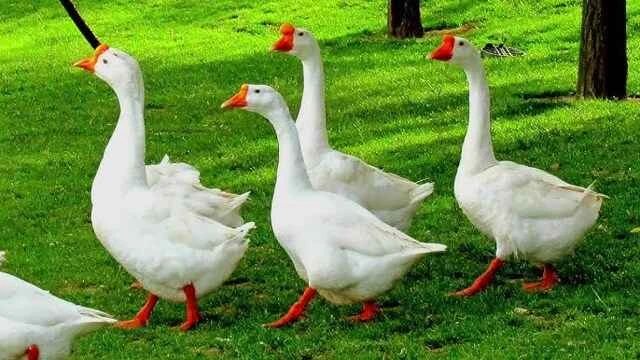
Although geese are generally perceived as docile animals, they are actually very brave, especially when protecting their nests and chicks. They will use their sharp calls to scare away enemies and will even attack humans and predators. Their fearless nature and alert instincts make them reliable guardians of farms and the natural environment.
The ten boldest animals mentioned above demonstrate their wisdom and fearlessness in surviving in nature. Whether it's the army ants and baboons that rely on collective strength, or the honey badger and mongoose that fight alone, these animals' courage not only makes them stand out in hunting and self-defense, but also makes them admirable figures in nature. By understanding these animals, we can easily see that courage is not only a symbol of strength, but also a manifestation of wisdom and the instinct for survival.