Locusts, commonly known as grasshoppers or magpies , were referred to collectively as "螽zhōng " in ancient China. Other names for locusts include蟅蟒,虴蜢, and虴蛨mò . In Taiwanese, they are commonly called "草螟仔," and in Cantonese, they are usually called "草蜢" or "草蜢仔." Locusts are one of the oldest extant groups of herbivorous insects, dating back to the Early Triassic period, approximately 250 million years ago. The relationship between locusts and humans is long and complex; since ancient times, swarms of locusts have been known to cause famine and disaster due to their destructive nature.
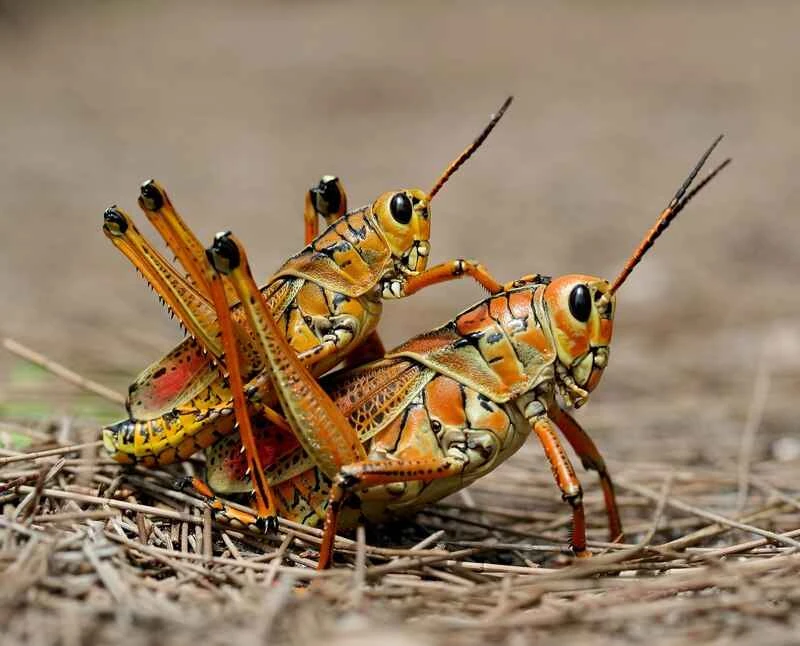
Locust plagues are a global natural disaster with a long history and are difficult to eradicate. Each locust outbreak often leads to severe economic losses and even famine due to food shortages. So, which locust species is the most destructive? Today, we've compiled a list of the world's ten most threatening locust species, including the desert locust, the East Asian migratory locust, the Moroccan locust, the Italian locust, the Tibetan migratory locust, the yellow-spined bamboo locust, and the Siberian locust. Let's take a look at their "power"!
1. Desert locusts (explosive/migratory/destructive/"the fighter jet among locusts")
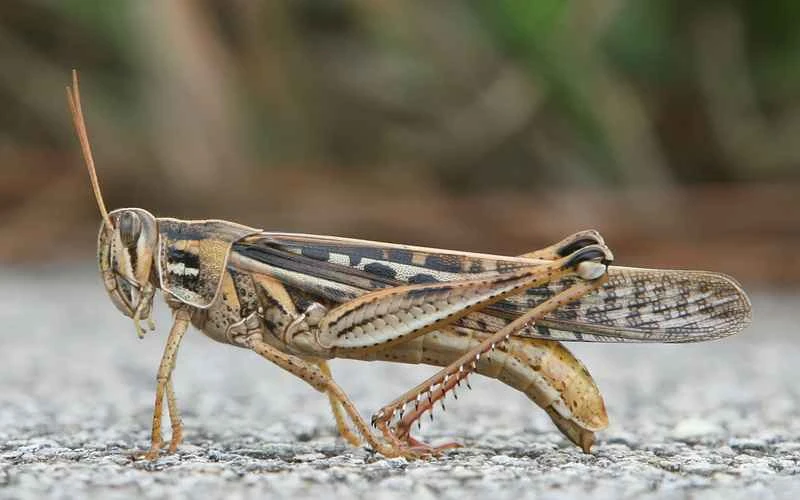
Desert locusts are widely recognized as the most destructive locust species in the world, characterized by their explosive , migratory , and devastating nature. Originating in Africa, they have been the primary cause of locust plagues in the continent for nearly a thousand years. During major outbreaks, desert locusts can affect the entire African continent, the Middle East, and the Mediterranean coast, impacting 57 countries and invading a total area of 29 million square kilometers. For a long time, these locusts have frequently ravaged Africa and the Middle East, undertaking long-distance migrations across regions and borders, posing a significant threat to agricultural production.
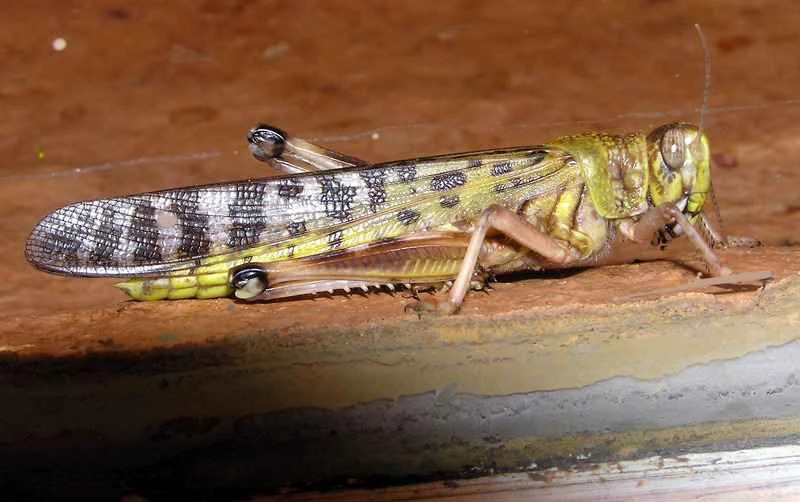
Locust plagues affect approximately one-tenth of the world's population. Even more alarming is that a swarm of locusts covering an area of 1 square kilometer consumes the equivalent of the food needs of 35,000 people every day, demonstrating its astonishing destructive power.
2. East Asian migratory locust (a devastating agricultural biological disaster)
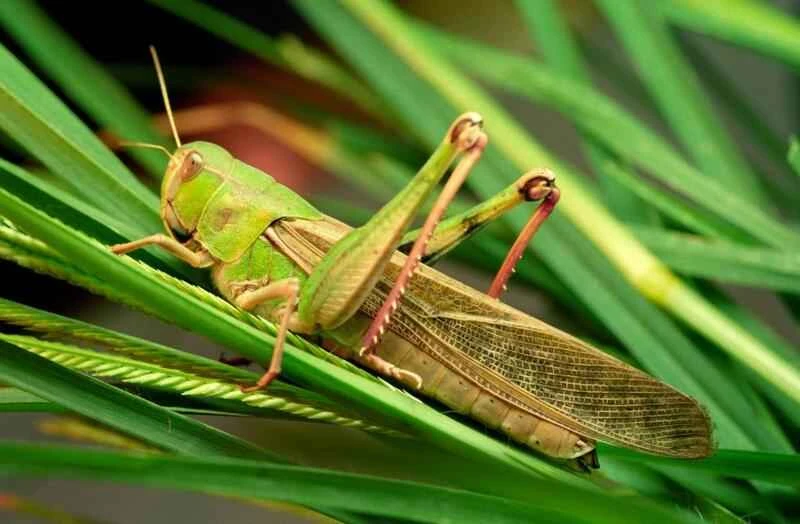
In China, the most devastating locust is undoubtedly the Oriental migratory locust. They are a major agricultural pest in Southeast Asia and a notorious locust species in Chinese history. The frequent locust plagues in the Yellow River Delta region are primarily caused by this species. From the late Zhou Dynasty to around 1950, a period of over 2600 years, a regional outbreak occurred on average every 2 to 3 years, with even larger-scale devastation occurring every 5 to 7 years.
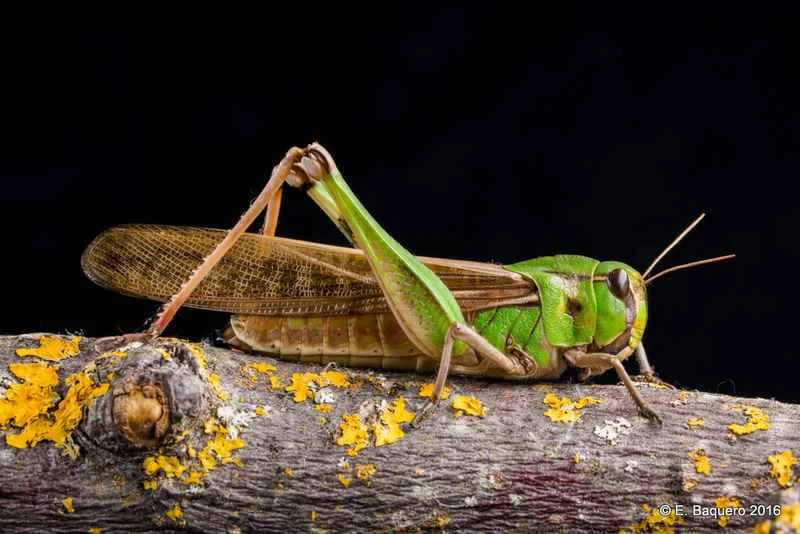
The Oriental migratory locust is capable of long-distance migration, making it highly susceptible to outbreaks and devastation. It prefers to feed on grasses and sedges, primarily damaging various crops such as wheat, corn, sorghum, millet, rice, and foxtail millet. During large-scale outbreaks, almost all green plants are susceptible to damage, severely threatening agricultural production and the ecological environment.
3. Moroccan locust (representative locust of the Mediterranean region/highly destructive)
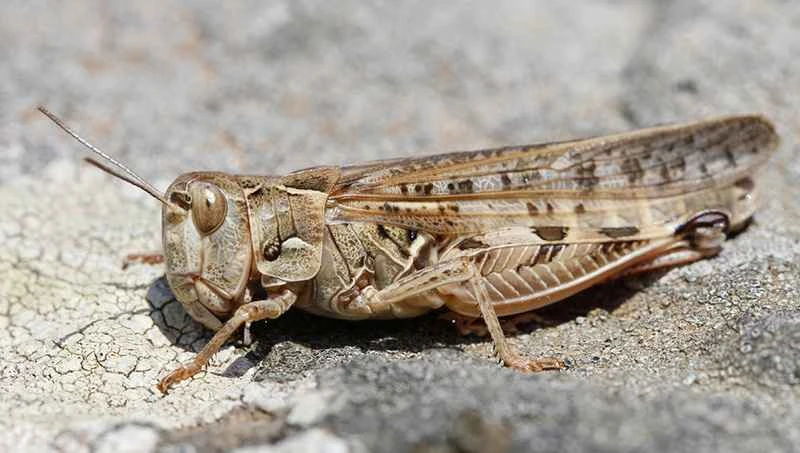
The Moroccan locust, also known as the Moroccan swarm locust, is a highly destructive locust species mainly distributed in North Africa, Southern Europe, Eastern Europe, and West Asia. This locust typically lives solitarily, but its numbers can rapidly multiply in a short period, forming large swarms that cause severe damage to farmland. The Moroccan locust is considered one of the most destructive herbivorous pests in the world.
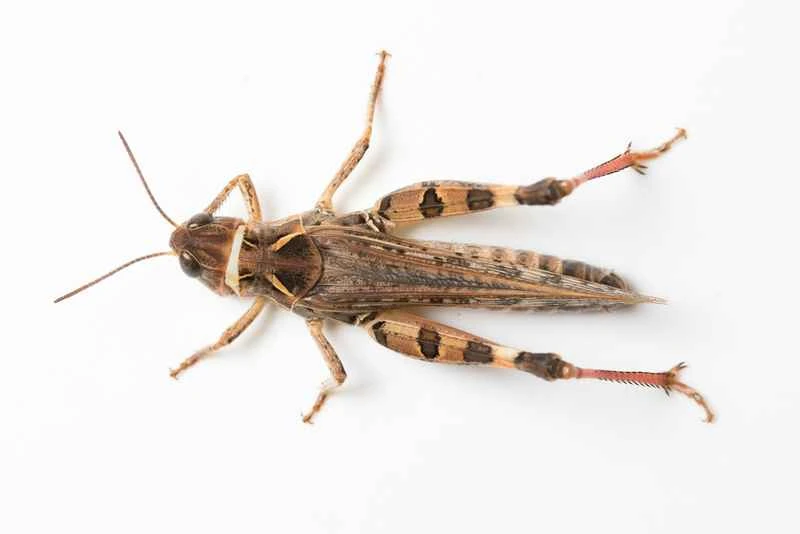
A large-scale locust plague in eight major wheat-producing provinces of Afghanistan could lead to severe crop losses and drastically worsen the local food security situation. Furthermore, the Moroccan locust poses a significant threat to vegetation along the Mediterranean coast and is a key target for control efforts.
4. Italian locust (the representative locust of continental Europe)
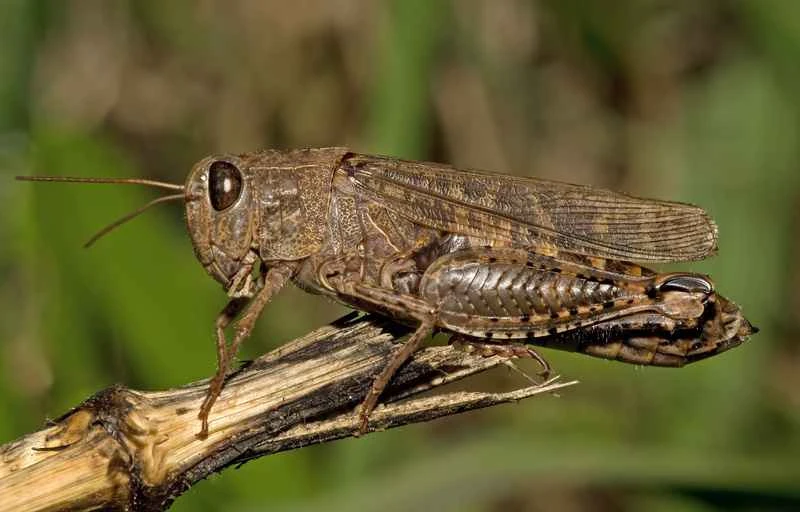
The Italian locust is a typical locust species of continental Europe, but it is also distributed in China, mainly concentrated in the desert and semi-desert grasslands of northern Xinjiang at altitudes of 800 to 2300 meters. It is one of the major harmful locust species in the region. They are widely distributed in the Tianshan Mountains region of northern Xinjiang, from the Barkol Basin and Jichang Prefecture in the east to Bortala Prefecture, Ili Prefecture, Tacheng Basin and Altay Mountains in the west. They can also be found in Bayingolin Mongol Autonomous Prefecture, Aksu Prefecture and Kashgar in southern Xinjiang.
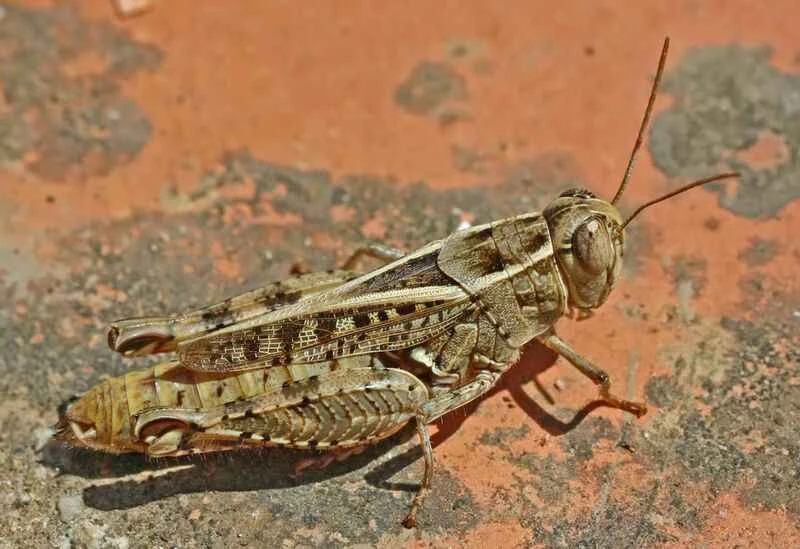
In addition, the Italian locust is also found in Inner Mongolia, Qinghai, Gansu and other places. This locust prefers various wormwood plants of the Asteraceae family, as well as plants of the Cucurbitaceae and Poaceae families. It sometimes damages crops such as wheat, posing a threat to agricultural and livestock production.
5. Tibetan locust (one of the three major locust species in China, damaging barley, wheat, and grasslands, etc.)
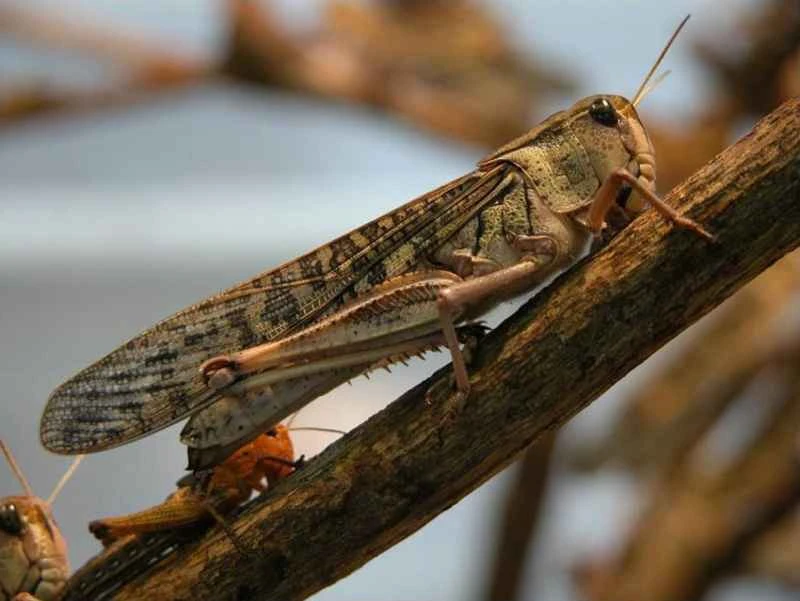
The Tibetan migratory locust is one of the most threatening locusts in China. It is mainly distributed in high-altitude areas such as the Tibet Autonomous Region, southeastern Qinghai, and western Sichuan. It is one of the three major migratory locust species in China and the only subspecies that lives in high-altitude areas.
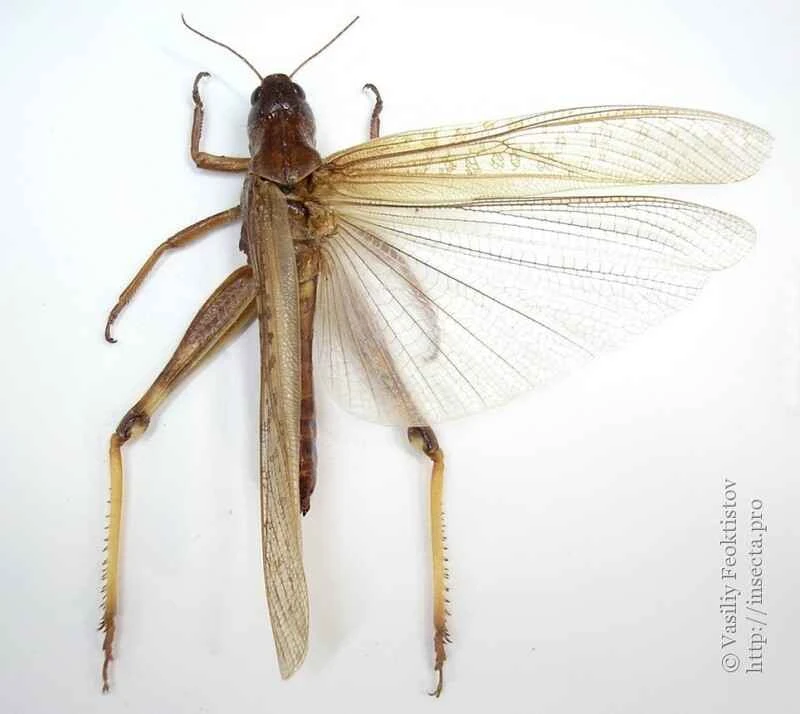
The locust's damage to crops and pasture has three typical characteristics: first, it affects a wide area and has a high density; second, the emergence period of locust eggs and the growth period of locust nymphs are relatively long, with a significant time interval between hatching; and third, it has extremely high reproductive capacity and migratory ability, frequently causing outbreaks and disasters in recent years, and showing a trend of spreading to surrounding areas. The Tibetan migratory locust mainly feeds on crops and pasture such as barley and oats. Due to its large appetite and rapid reproduction, it has become one of the major pests of crops and grasslands in the western Sichuan plateau region, posing a serious threat to local agricultural production.
6. Yellow-spined bamboo locust (Level III harmful forest pest)
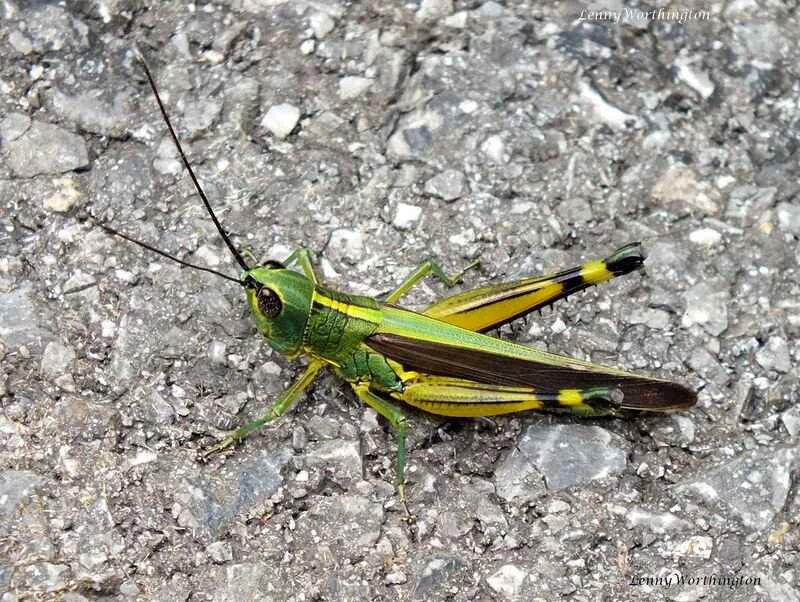
When listing the most destructive locusts, the yellow-spined bamboo locust, also known as the "bamboo locust," is a common and highly concerning species. It is a major pest in China's bamboo forests, often causing widespread damage, especially to moso bamboo, followed by succulent bamboo and water bamboo. During an outbreak, the yellow-spined bamboo locust can devour the leaves of an entire bamboo grove, leaving it looking as if it has been burned. Bamboo affected in the same year will die directly, while older bamboo will stop sprouting new shoots for two to three years after the infestation, leading to the gradual decline of the bamboo forest. Damaged moso bamboo not only dies, but its cavities also accumulate water, the fibers rot, rendering it completely unusable.
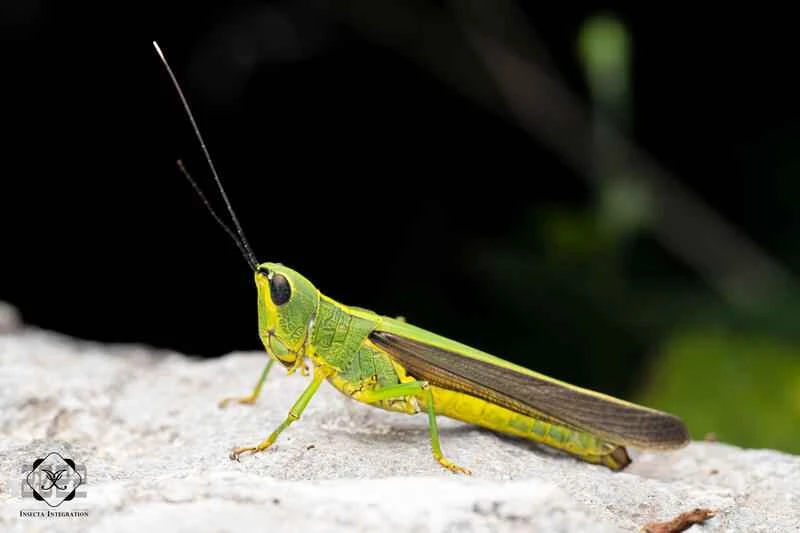
According to relevant data, yellow-spined bamboo locusts invaded parts of China in 2020 and 2023, but fortunately, timely prevention and control measures were implemented, effectively controlling the disaster and preventing greater losses. This reminds us that effective locust control is crucial for protecting bamboo forest resources.
7. Siberian locust (damages pasture grasses)
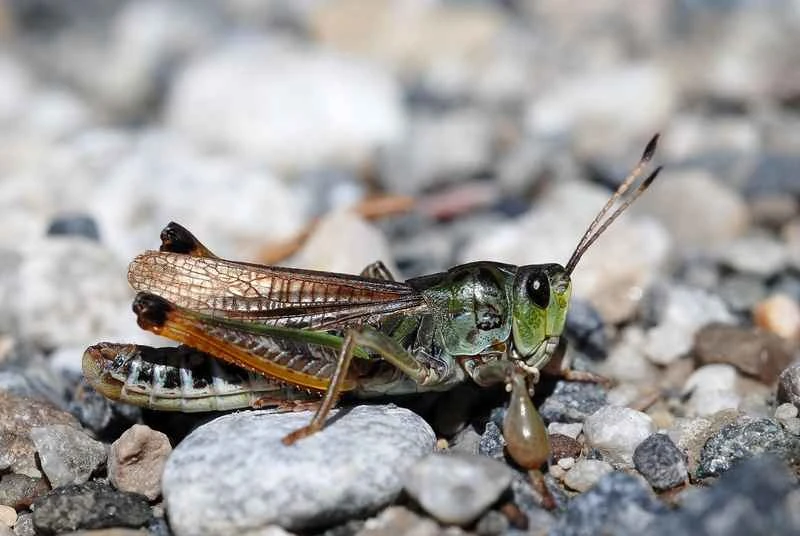
The Siberian locust is mainly distributed in Siberia and Mongolia in the former Soviet Union. In China, it is concentrated in summer and autumn pastures in Xinjiang, Inner Mongolia, Heilongjiang, and Jilin, and has also been found in parts of Gansu. This locust mainly feeds on grasses and crops of the Poaceae and Cyperaceae families, especially favoring plants such as *Lysimachia christinae*, *Foxgrass*, *Hypericum perforatum*, *Achnatherum splendens*, *Agropyron cristatum*, *Euphorbia hirta*, *Euphorbia lathyris*, *Trigonella foenum-graecum*, wild onion, dandelion, *Iris tectorum*, and wheat.
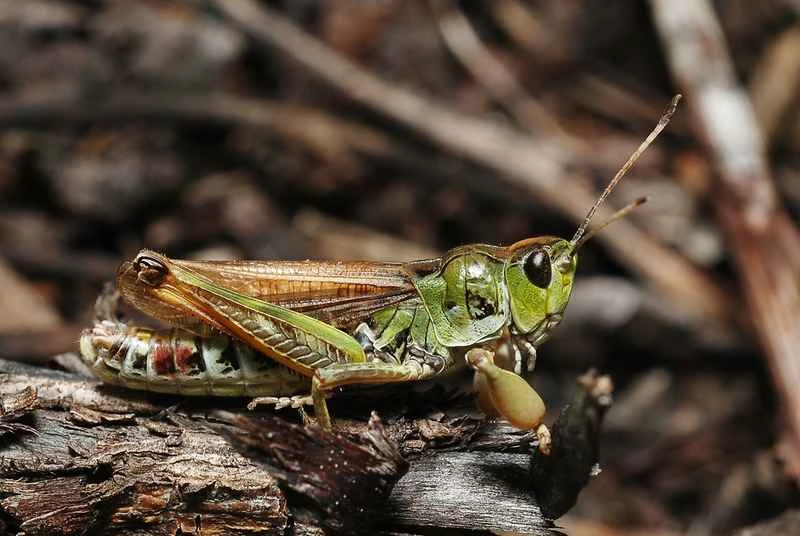
Because Siberian locusts have a wide feeding range, outbreaks often cause enormous damage to grassland pasture resources, severely impacting the living environment of livestock. In grassland areas, once pasture is extensively consumed, livestock die in large numbers during the winter and spring due to lack of feed, resulting in severe economic losses for the livestock industry.
8. Chinese rice locust (damages crops such as corn and sorghum)
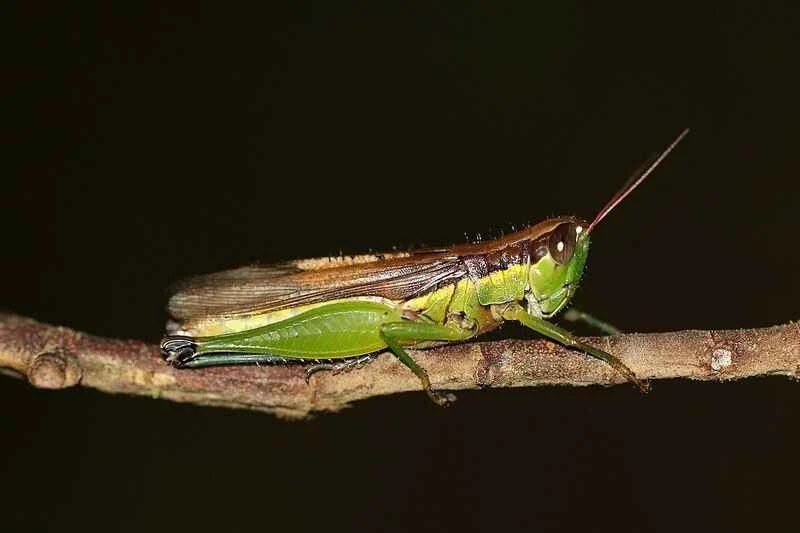
There are many species of rice locusts, among which the Chinese rice locust is the most damaging. This locust reproduces once a year, overwinters as an egg, and prefers to inhabit low-lying, damp areas or areas near water sources. They mainly feed on grasses, damaging a wide range of crops including rice, corn, sorghum, wheat, sugarcane, and beans.
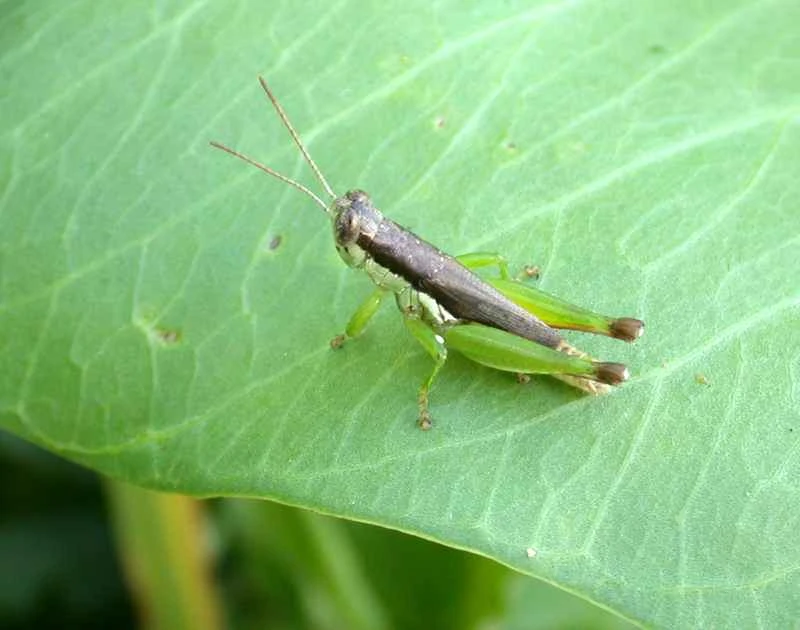
The Chinese rice locust primarily damages crops by adults and nymphs feeding on leaves, biting off stems and young shoots. Infested rice leaves are notched, and in severe cases, entire leaves are devoured. The locust also damages the panicle neck and milky-ripe grains, directly impacting crop yield. In southern China, this locust often experiences large-scale outbreaks, even becoming rampant plagues, posing a significant threat to agricultural production. Therefore, effective monitoring and control of the Chinese rice locust are of paramount importance for ensuring agricultural security.
9. Asian migratory locust (major agricultural pest)
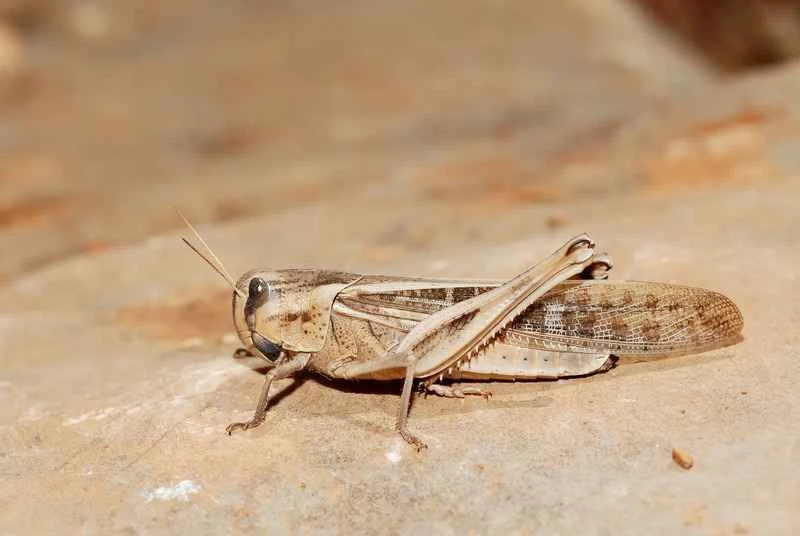
The Asian migratory locust is one of the most destructive locust species, mainly distributed in the grasslands of Xinjiang, Qinghai, Gansu, Inner Mongolia, and Northeast China. It typically inhabits areas at altitudes of 200-500 meters, with some reaching up to 2500 meters. Its main diet consists of grasses and sedges, but it also readily consumes crops such as corn, barley, and wheat.
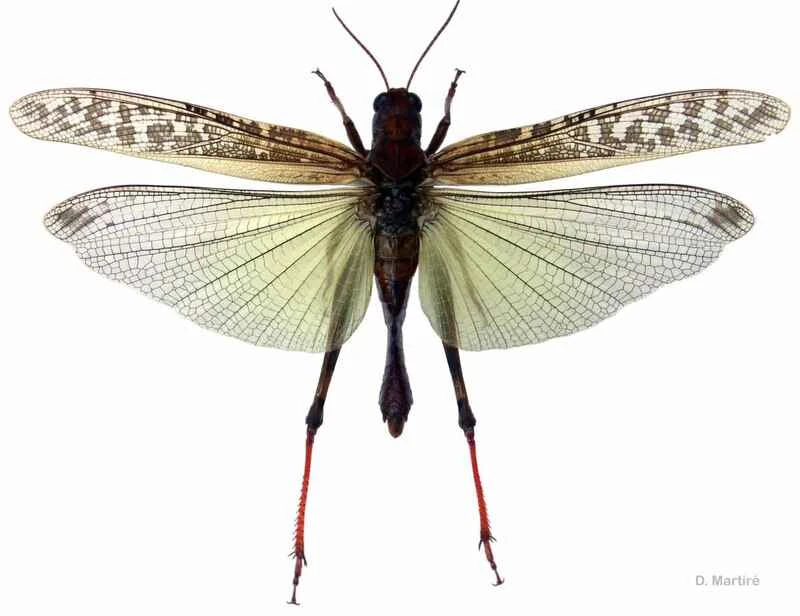
These locusts are typical gregarious insects with an extremely high reproductive rate and massive numbers. When conditions are suitable, locust plagues can easily break out, causing large areas of crops to be completely devoured, and even leading to total crop failure, seriously threatening agricultural production.
10. Cotton locust (damages cotton)
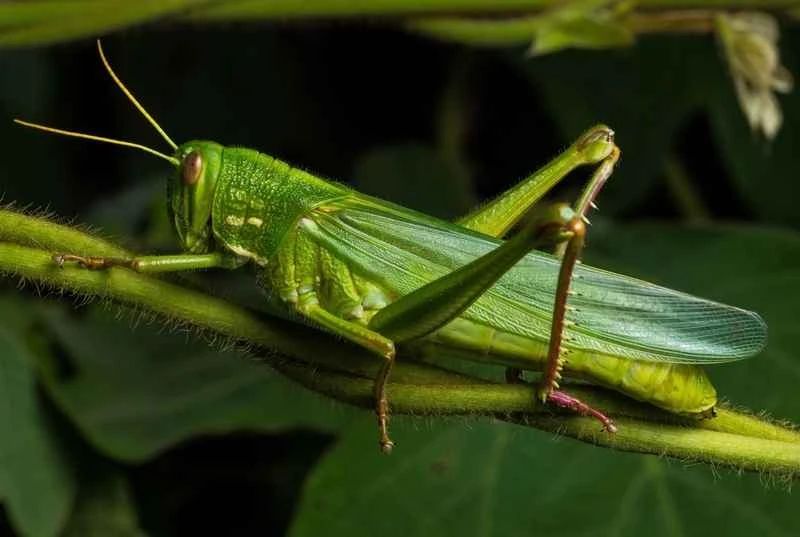
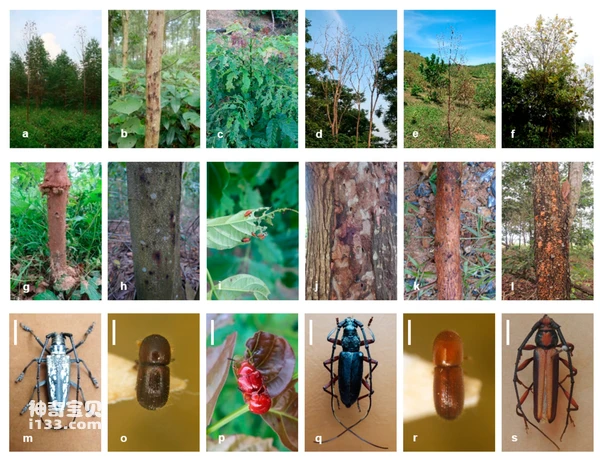
Adult cotton locusts typically choose sandy loamy young forests as their egg-laying sites, especially favoring sparse forests with abundant buds and plenty of sunlight, as well as the boundaries of forest clearings. This species primarily damages eucalyptus trees, other fruit trees, crops, and weeds. Adults and nymphs feed by gnawing on leaves, tender branches, and bark. Severely damaged plants will have their leaves completely eaten away, leaving only petioles or veins, as if they have been burned by a fire; sometimes this can even lead to the death of the main trunk, affecting plant growth, and in severe cases, causing the entire plant to die.
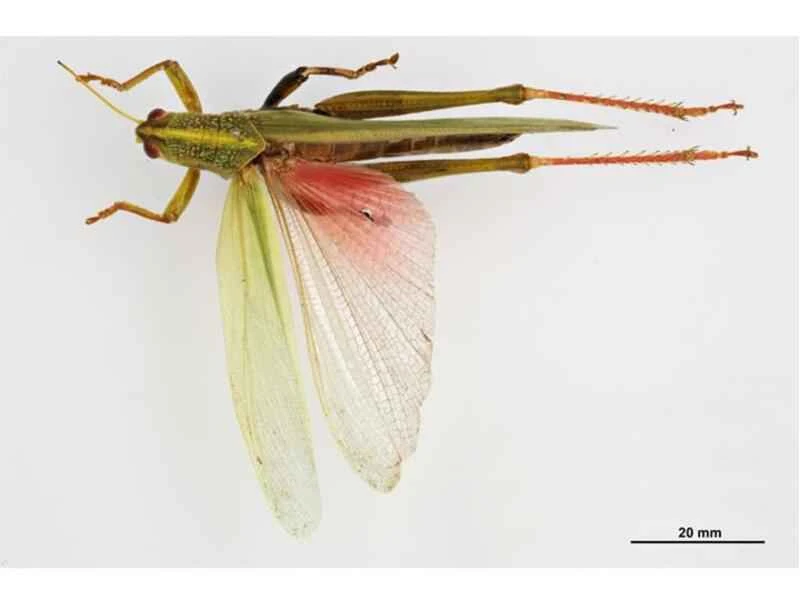
Generally speaking, areas with low levels of intensive forest management, abundant weeds in the young forest stage, sparse and damaged forest land, poorly managed budding forests, and forest edges are all high-risk areas where cotton locusts are prone to outbreaks and disasters.
Other locust species that commonly cause natural damage:
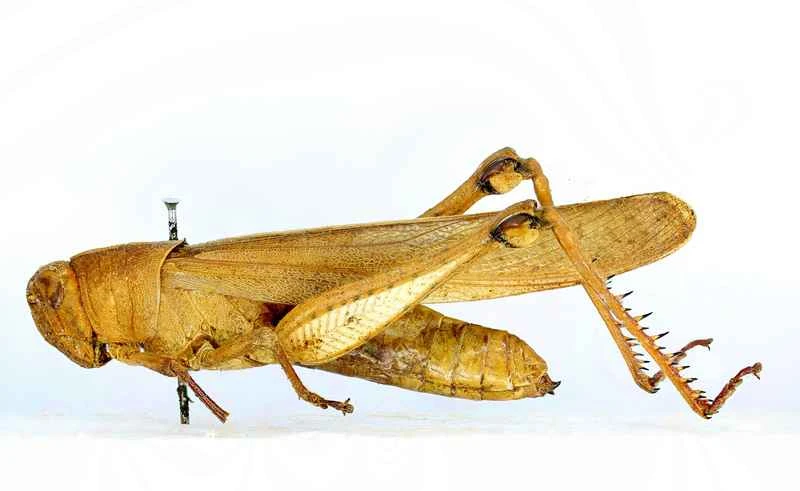
Indian yellow-spined locust
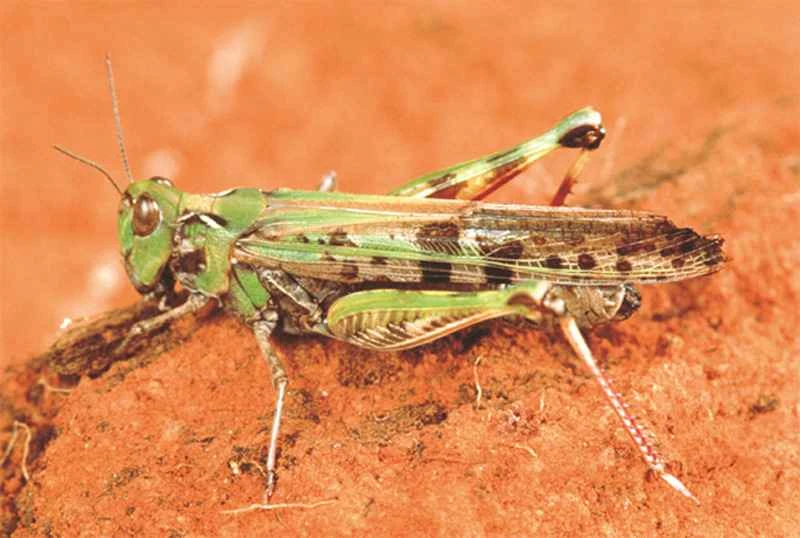
Australian locust
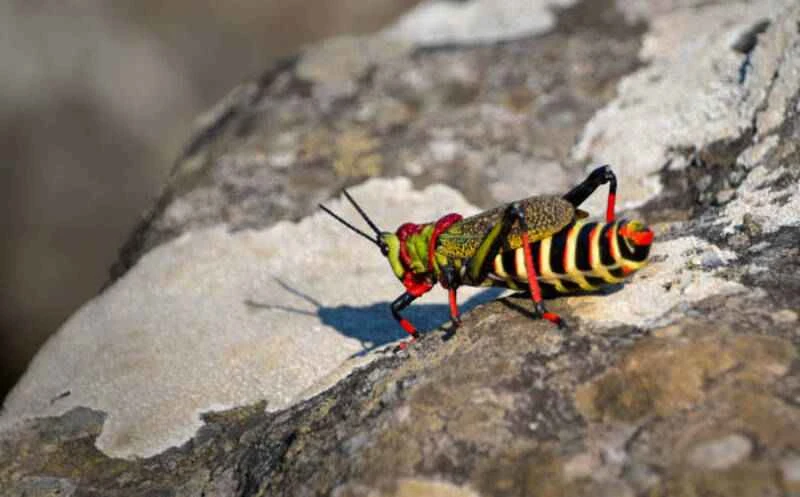
Striped Red Locust
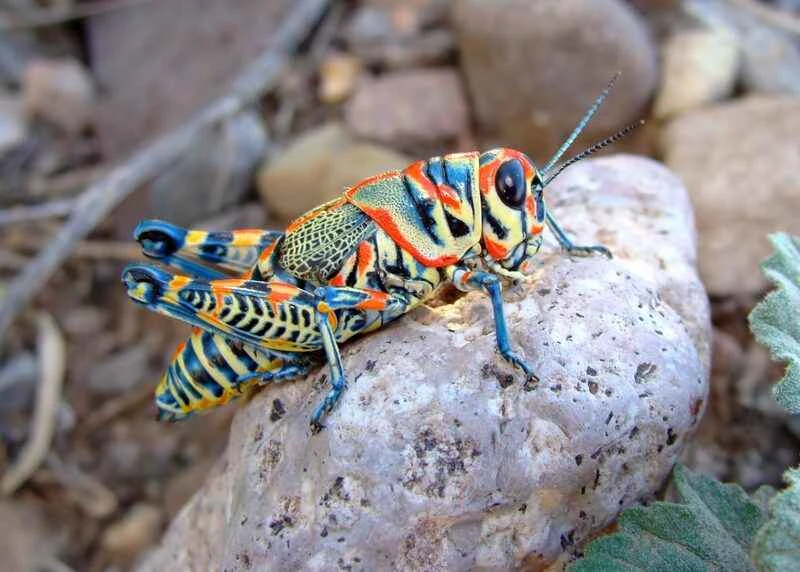
Rainbow Grasshopper
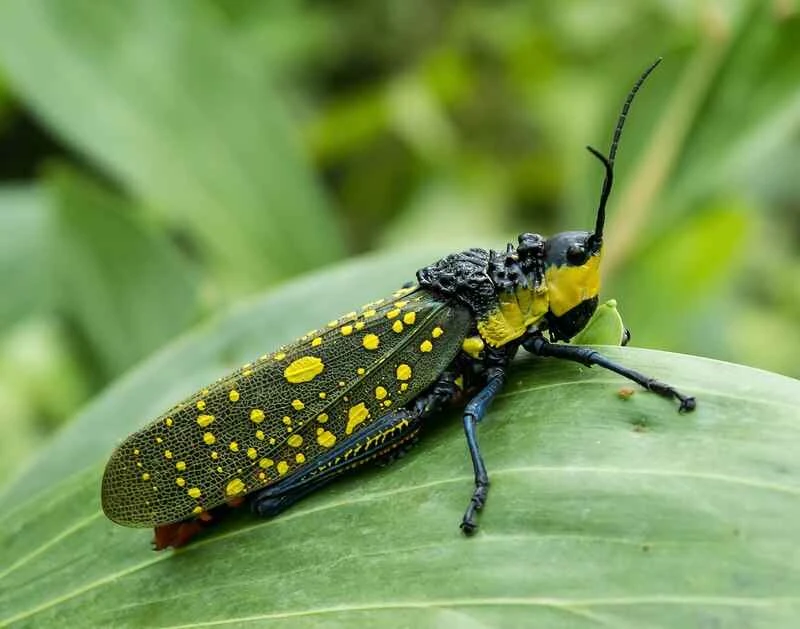
Yellow-spotted locust
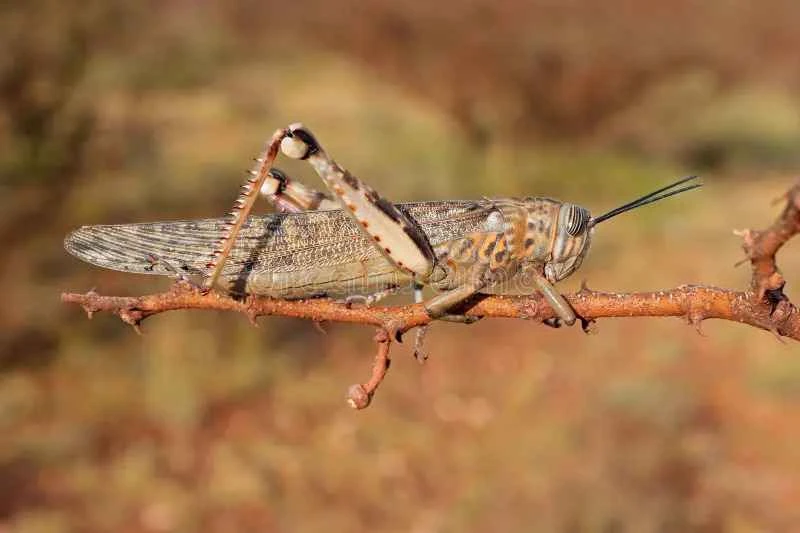
Brown migratory locust
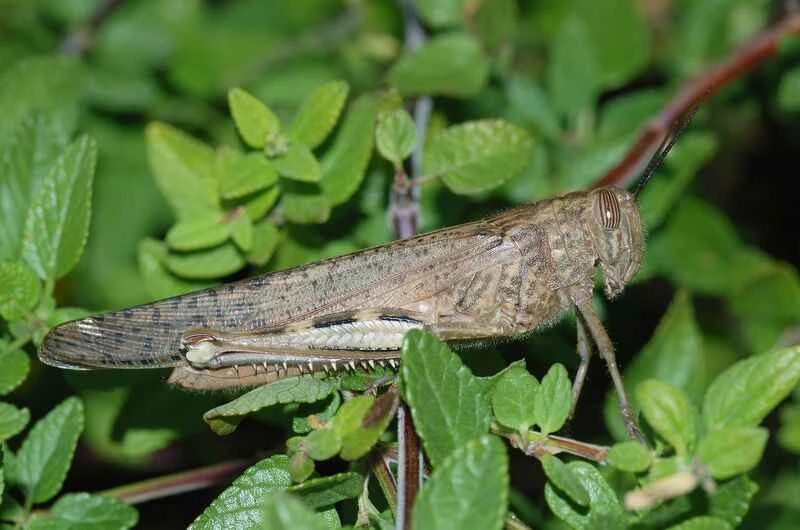
tree locusts
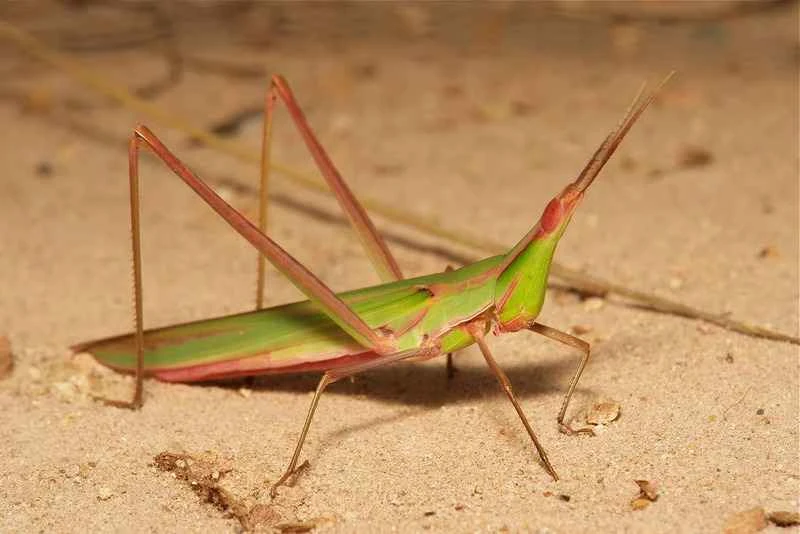
Chinese sword-horned locust
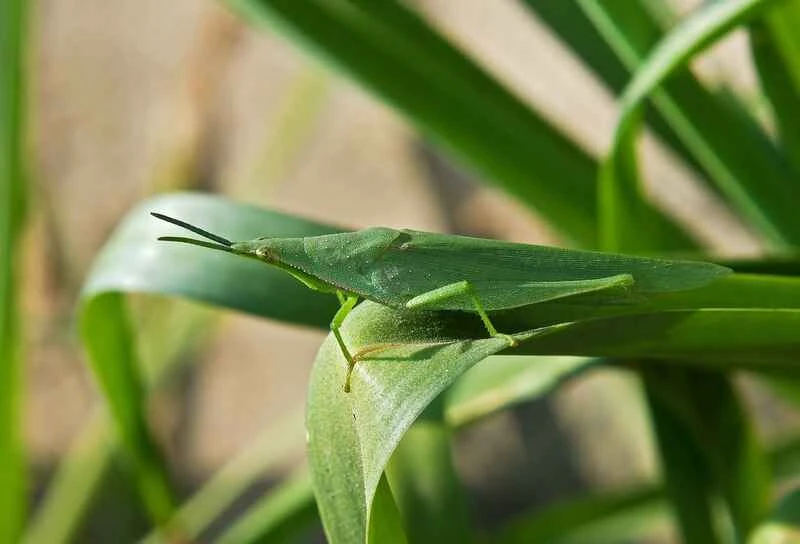
Long-fronted locust
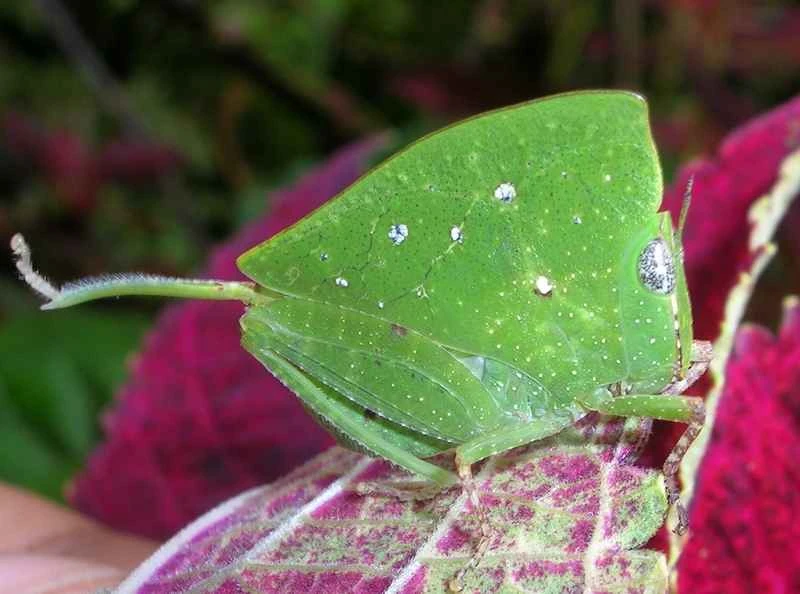
Phyllochoreia
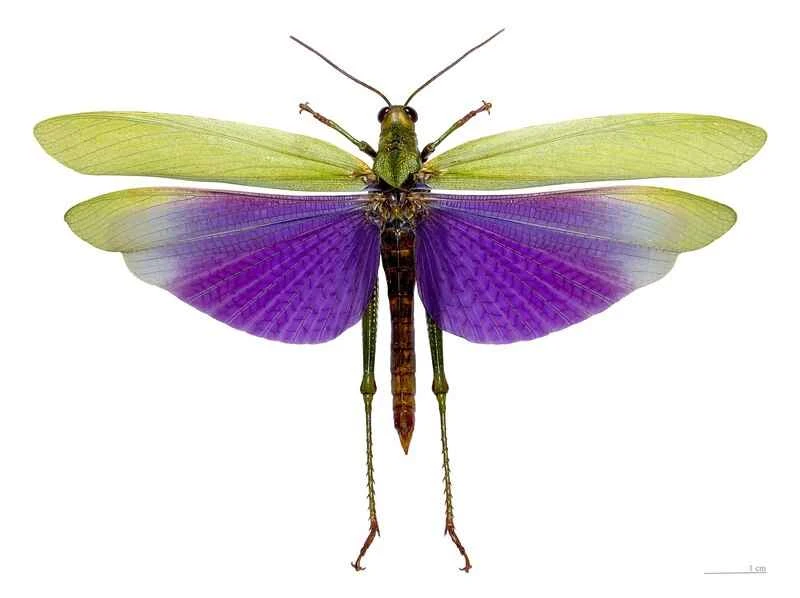
Blue-winged giant locust
African migratory locusts, soil locusts, horned sugarcane locusts, green-striped locusts, small-cusped-winged locusts, short-star-winged locusts, Japanese yellow-spined locusts, small car locusts, etc...
The list of the world's ten most dangerous locusts is based on species awareness and the degree of harm they cause, and also takes into account relevant internet rankings and lists. The data is current as of January 13, 2025. This list is for reference only, and comments and corrections are welcome!