Dinosaurs were once the rulers of the Earth, especially the ferocious carnivorous ones. With their sharp teeth, powerful limbs, and amazing hunting skills, they dominated the ancient world. Below are ten of the most ferocious dinosaurs; their strength, intelligence, hunting skills, and fighting prowess made them the most dangerous hunters in the prehistoric world.
1. Tyrannosaurus rex – Ferocity level: ★★★★★
The strongest hunter in Earth's history
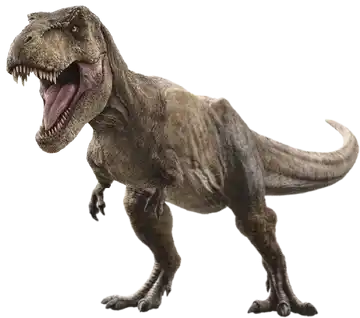
Tyrannosaurus rex is undoubtedly one of the most iconic carnivorous dinosaurs, reaching lengths of 12-13 meters and weighing around 9 tons, possessing a terrifyingly powerful bite. Its teeth, up to 30 centimeters long, could easily crush the bones of its prey. Not only was it enormous, but Tyrannosaurus rex could also run at speeds of up to 30 kilometers per hour, enough to hunt most herbivores.
Recent research suggests that Tyrannosaurus Rex may have been a solitary hunter, but it may also have exhibited some group hunting behavior. It could not only crush prey instantly with its powerful jaws, but it may also have used ambush tactics. As an apex predator, Tyrannosaurus Rex had virtually no natural enemies; its only threat likely came from infighting among its own kind.
2. Tarbosaurus – Ferocity Rating: ★★★★★
Tyrannosaurus Rex's Asian cousin
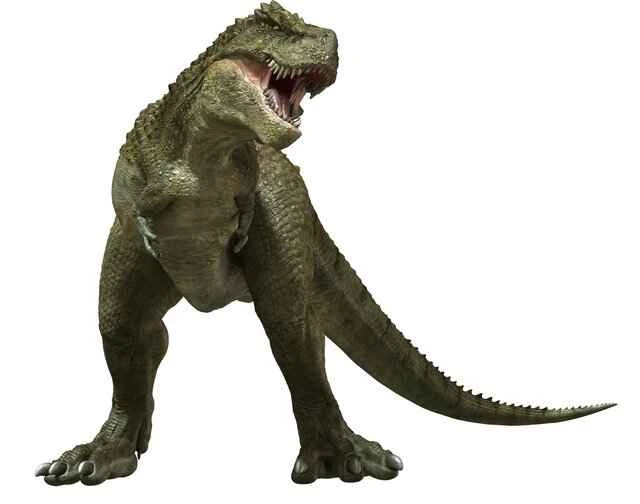
Tarbosaurus lived in Asia during the Late Cretaceous period and was closely related to Tyrannosaurus Rex. Reaching up to 12 meters in length and weighing around 6 tons, it was slightly smaller than Tyrannosaurus Rex, but in Asia, it was undoubtedly the most terrifying predator.
The skull structure of Tarbosaurus was lighter than that of Tyrannosaurus Rex, and its bite force was slightly weaker, but it could still easily crush bones. Scientists believe that Tarbosaurus had shorter forelimbs but stronger hind limbs, making it extremely fast and one of the most threatening dinosaurs in Mongolia.
3. Giganotosaurus – Ferocity Rating: ★★★★★
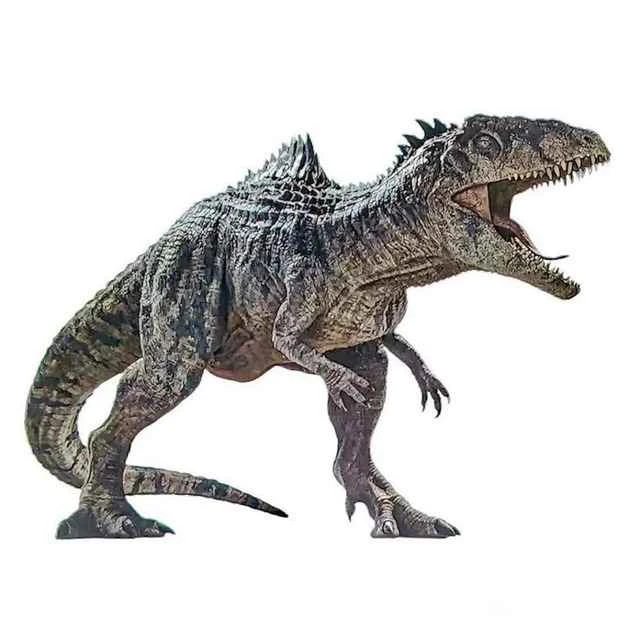
Hunters larger than Tyrannosaurus Rex
Giganotosaurus is one of the largest land predators discovered to date, reaching 13-14 meters in length and weighing approximately 8 tons, larger than Tyrannosaurus Rex. It lived in South America during the Cretaceous period and was the apex predator of its time.
Although Giganotosaurus's bite force was not as strong as Tyrannosaurus Rex's, it possessed sharp, serrated teeth capable of tearing through the skin and muscles of its prey. It likely fed on titanosaurs (such as Argentinosaurus) and probably hunted in packs, ganging up on and cooperating to prey on large animals.
4. Carcharodontosaurus – Ferocity Rating: ★★★★★
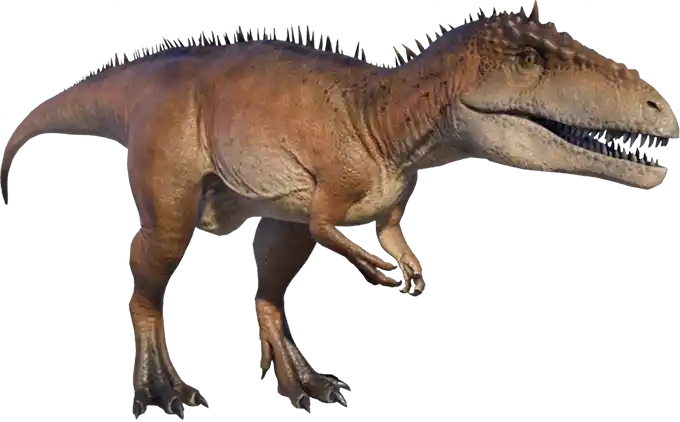
A super hunter with teeth as sharp as a shark
Carcharodontosaurus was a giant predator that lived in Africa during the Cretaceous period. It could reach 12-13 meters in length and weigh about 6-8 tons. Its name comes from the shape of its teeth, which were similar to those of modern sharks and were extremely sharp, suitable for tearing apart prey.
Carcharodontosaurus was one of the most powerful dinosaurs of its time, primarily feeding on large sauropods. Its skull was relatively long, and its bite force was slightly less than that of Tyrannosaurus Rex, but its teeth were better suited for tearing prey rather than directly crushing bones.
5. Deinonychus – Ferocity Rating: ★★★★☆
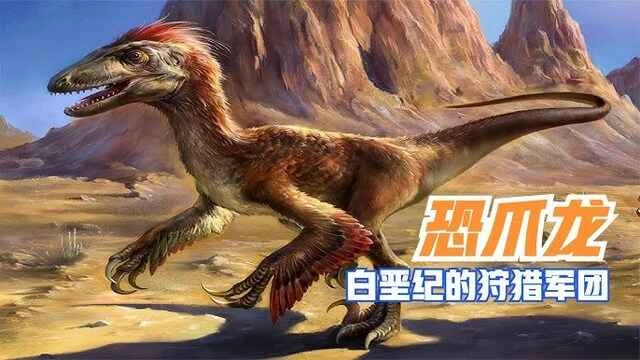
Fierce pack predators
Although Deinonychus was not large, measuring about 3.5 meters in length and weighing less than 100 kilograms, its hunting skills and teamwork made it one of the most deadly predators. Its second toe possessed a curved, sickle-shaped claw that could reach 13 centimeters in length, capable of easily piercing the skin of its prey.
Deinonychus typically hunted in packs, ganging up on larger herbivorous dinosaurs and using their speed and agility to quickly subdue their prey. Scientists speculate that they may have hunted in teams, much like modern wolves, which made them far more effective than lone predators.
6. Troodon – Ferocity Rating: ★★★★☆

One of the most intelligent dinosaurs
Troodon is renowned for its high intelligence and is one of the most intelligent dinosaurs. Although it was only 2 meters long and weighed less than 50 kilograms, its brain-to-body ratio was very high, meaning it possessed a high level of learning ability and hunting skills.
Troodon was likely a nocturnal hunter with excellent night vision. They may have employed complex hunting strategies, rather than relying solely on brute force. Scientists speculate that Troodon may be one of the dinosaurs most closely related to birds, possessing intelligence similar to that of crows or birds of prey.
7. Velociraptor – Ferocity Rating: ★★★★
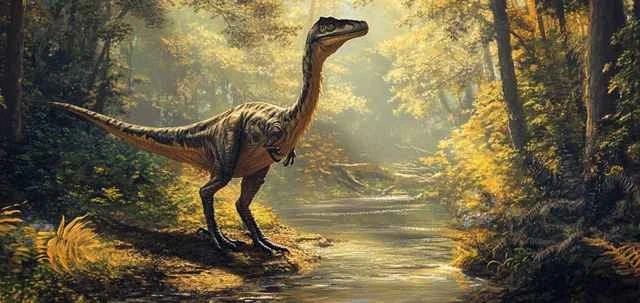
Movie star-level dinosaur killer
Velociraptor is widely known from the Jurassic Park film series. Although the real Velociraptor was only 2 meters long and weighed about 15 kilograms, it was extremely intelligent and may have been covered in feathers, which made it more agile.
Velociraptors' weapons were sickle-shaped claws on their hind limbs. They likely used their speed and teamwork to hunt prey. Despite their small size, their hunting methods made them extremely efficient killers.
8. Spinosaurus – Ferocity Rating: ★★★★☆
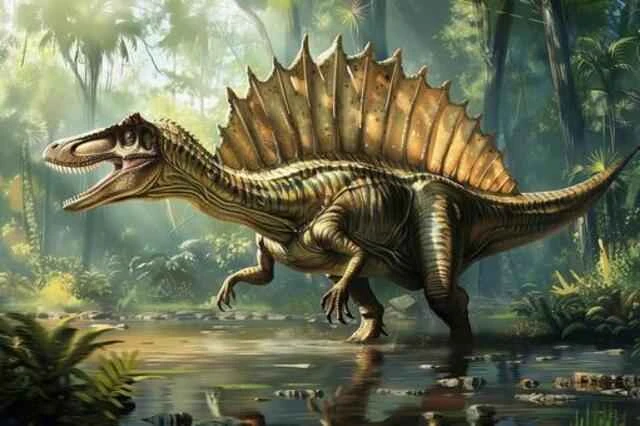
The largest carnivorous dinosaur in history, an amphibious hunter
Spinosaurus was the apex predator of North Africa during the Cretaceous period and is currently the largest known carnivorous dinosaur , reaching 15-18 meters in length and weighing approximately 7-10 tons, exceeding the size of Tyrannosaurus Rex and Giganotosaurus. It possessed a large, sail-like structure on its back, which may have been used for thermoregulation or courtship displays.
Unlike most terrestrial predatory dinosaurs, Spinosaurus's body structure was better adapted for aquatic life. Its long jaw and conical teeth, similar to modern crocodiles, made it adept at hunting fish and aquatic prey. Research suggests that Spinosaurus's limbs and tail aided in swimming, and it likely ambushed prey in rivers or swamps.
Despite its incredible strength, Spinosaurus had a weak bite force, making it unsuitable for tearing apart hard bones. Therefore, its hunting style was more inclined towards ambush rather than direct confrontation with other large carnivorous dinosaurs.
9. Mapusaurus – Ferocity Rating: ★★★★☆
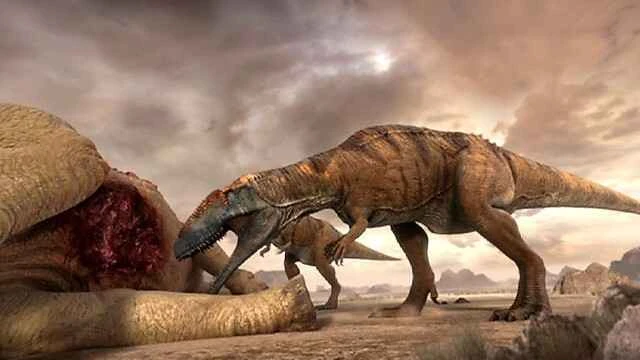
A giant pack predator, a close relative of Giganotosaurus.
Mapusaurus was a large, predatory dinosaur closely related to Giganotosaurus, which lived in South America during the Late Cretaceous period. It could reach 12-13 meters in length and weigh about 5 tons. They are generally considered to be social animals, possibly hunting prey larger than themselves, such as the giant sauropod dinosaur Argentinosaurus.
Unlike Tyrannosaurus Rex, Mapusaurus had a relatively weak bite force, but its teeth were sharp and adept at tearing flesh. Mapusaurus was likely an endurance hunter, relying on teamwork to surround and attack prey rather than ambushing alone.
Archaeologists have discovered fossils of multiple Mapusaurus individuals in Argentina, suggesting they may have lived in groups, a behavior extremely rare among large predatory dinosaurs. If Mapusaurus were indeed group hunters, they were undoubtedly among the most successful killers in the prehistoric world.
10. Carnotaurus – Ferocity Rating: ★★★★☆
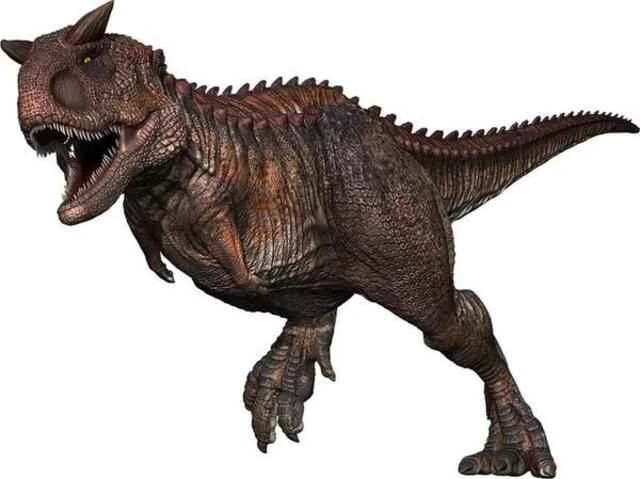
A hunter with both speed and strength
Carnotaurus was a carnivorous dinosaur that lived during the Late Cretaceous period. It measured approximately 8-9 meters in length and weighed about 1-2 tons. Its most famous features were its short, horn-like skull and sharp teeth. The name Carnotaurus comes from its "carnivorous" and "horn-like" characteristics, with its two distinctive horn-like protrusions on its head becoming its most prominent feature.
Unlike most large carnivorous dinosaurs, Carnotaurus possessed extremely flexible and powerful hind limbs, making it a highly efficient hunter. It was incredibly fast, able to quickly approach and pounce on its prey. While its bite force wasn't as strong as Tyrannosaurus Rex's, its teeth were extremely sharp, ideal for tearing flesh.
Combat and Hunting Skills
Carnotaurus's short but incredibly powerful forelimbs appear somewhat "abnormal" compared to other dinosaurs; they were practically unusable and likely unsuitable for catching prey. Therefore, Carnotaurus likely relied on its powerful hind limbs and teeth for rapid attacks. Its teeth, as sharp as blades, could quickly tear through the muscle and skin of its prey. Scientists believe that Carnotaurus's hunting strategy likely involved tearing or knocking down prey with a swift and deadly strike to end the fight.
Some studies suggest that Carnotaurus may have attacked smaller dinosaurs or weaker individuals, and may have competed with its own kind for prey, making it both a top predator and a formidable competitor among its own kind.
The 10 most ferocious dinosaurs (including Carnotaurus):
| name | Body length | weight | Ferocity Index | Main features |
|---|---|---|---|---|
| Tyrannosaurus Rex | 12-13m | 9 tons | ★★★★★ | Super strong bite force |
| Tyrannosaurus Rex | 12m | 6 tons | ★★★★★ | Extremely fast |
| Giganotosaurus | 13-14m | 8 tons | ★★★★★ | Possible group hunting |
| Carcharodontosaurus | 12-13m | 6-8 tons | ★★★★★ | Serrated teeth |
| Deinonychus | 3.5m | 100kg | ★★★★☆ | Scythe Claw, Team Hunting |
| Troodon | 2m | 50kg | ★★★★☆ | High IQ |
| Velociraptor | 2m | 15kg | ★★★★ | High speed, teamwork |
| Spinosaurus | 15-18m | 7-10 tons | ★★★★☆ | The largest carnivorous dinosaur, amphibious |
| Mapron | 12-13m | 5 tons | ★★★★☆ | Possibly hunting in packs, surrounding and attacking giant prey. |
| Carnivorous Carnotaurus | 8-9m | 1-2 tons | ★★★★☆ | Swift Hunter, Sharp Teeth |