Caterpillars are a type of larva covered with bristles; they are the larval stage of moths or butterflies. Caterpillars are widely distributed in different regions and habitats, and there are many different species. Below are some common caterpillar species:
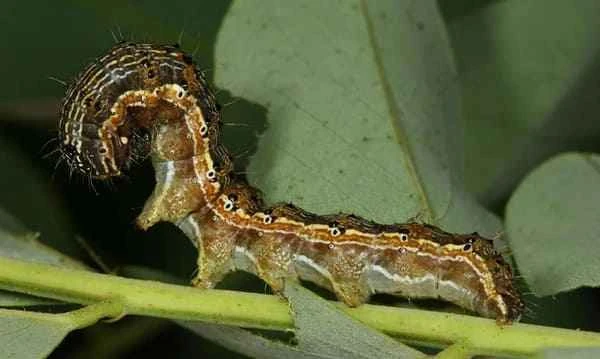
1. Cotton bollworm larva (scientific name: Helicoverpa armigera):
The cotton bollworm larvae are highly destructive pests, primarily damaging cotton, corn, and vegetables. They are mainly distributed in Asia, Africa, and Europe. Their bodies are predominantly yellow and covered with long hairs.
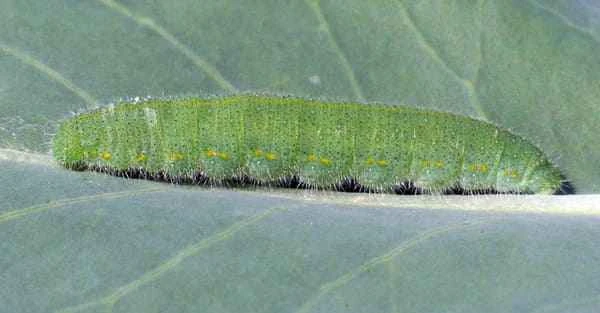
2. White-flowered butterfly larva (scientific name: Pieris rapae):
The white cabbage butterfly larva is a common butterfly larva that feeds on green leaves and mainly damages cruciferous plants such as cabbage and mustard greens. Its larvae are pale green and covered with fine hairs.
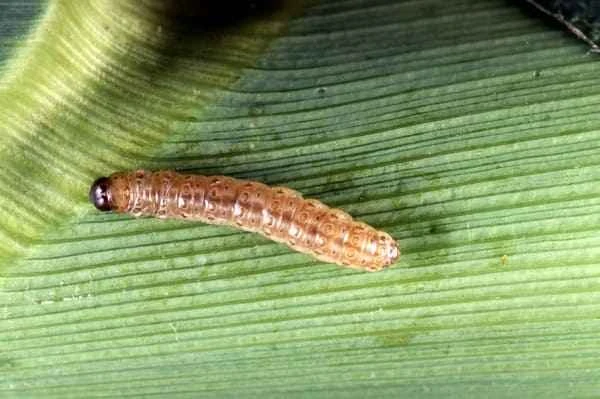
3. Corn borer larvae (scientific name: Ostrinia nubilalis):
The corn borer larvae are a serious pest of corn, widely distributed, and primarily feed on corn and other grasses. They are milky white in color and covered with long, dark brown hairs.
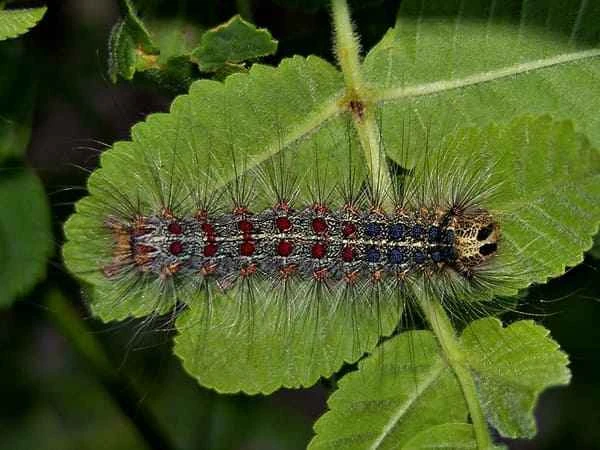
4. Pine caterpillar larva (scientific name: Lymantria dispar):
Pine caterpillars are a common tree pest, primarily damaging pine, cypress, and oak trees. The larvae are predominantly grayish-black with distinct black and red spots, and have dense hairs on their backs and sides.
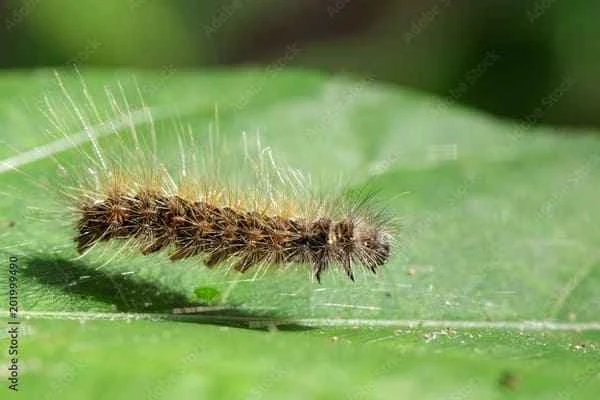
5. Large Green Caterpillar (scientific name: Euptera testacea): The large green caterpillar is a type of caterpillar distributed in Asia. It mainly feeds on mulberry and locust trees and is also considered a pest of silkworms. Its body has dense hairs, and its color is dark green or light green.
These caterpillars cause serious damage to plants, trees, and crops, requiring appropriate control measures to reduce their harm. Because some caterpillars possess toxic bristles, contact with them may cause adverse reactions such as skin allergies; therefore, handling them requires caution.