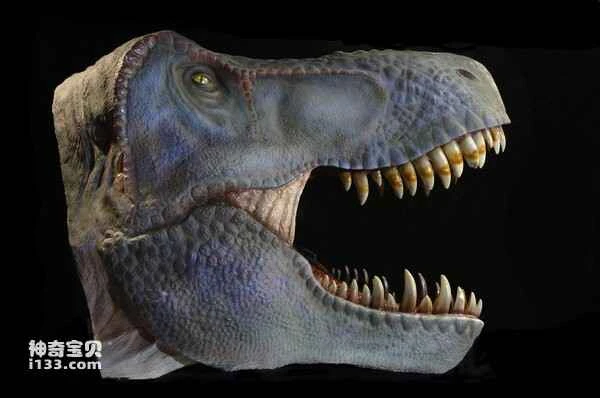
The word "dinosaur" comes from the Greek word meaning "terrifying lizard" (in the mid-19th century, British scholars named it after the Greek words *dino* (terrifying) and *saur* (lizard)). This led people to believe that dinosaurs were enormous and terrifying animals. When dinosaur fossils were first discovered, they were enormous, hence the name "dinosaur"; later, smaller and more docile species were discovered.
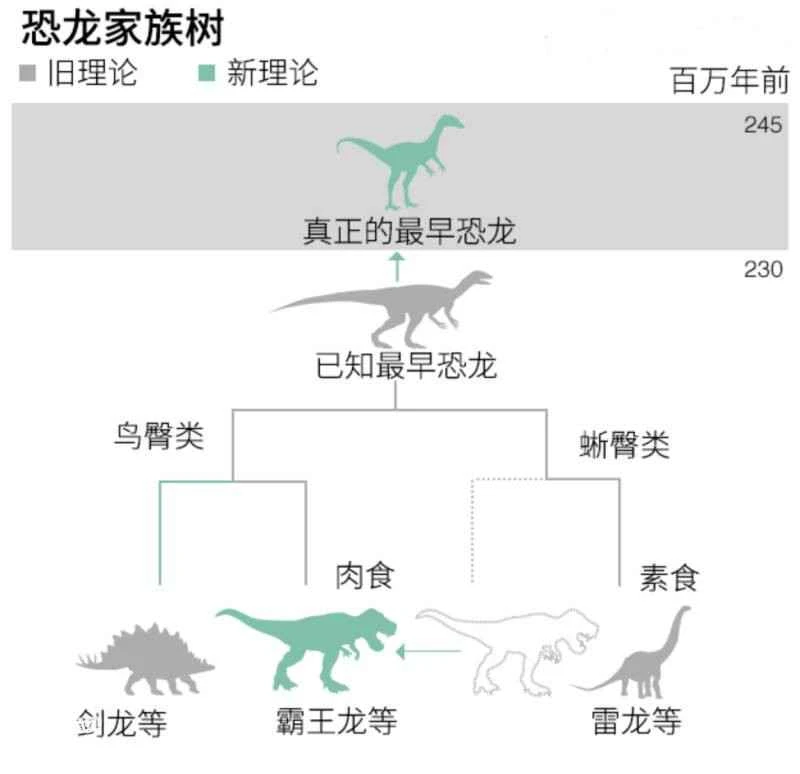
The oldest reptile fossils date back to the Pennsylvanian period of the Paleozoic Era (310 million to 275 million years ago). They evolved from amphibians. Amphibian eggs require water to develop. Reptiles evolved eggshells to prevent water loss. This significant advancement allowed reptiles to live out of water.
During the Mesozoic Era, from 225 million to 65 million years ago, reptiles dominated the Earth; hence, the Mesozoic Era is also known as the Age of Reptiles. Large reptilian dinosaurs appeared in the early Mesozoic Era. Herbivorous Diplodocus and Brontosaurus were the largest land animals. Tyrannosaurus Rex was a carnivorous dinosaur. Other notable reptiles included ichthyosaurs that lived in the sea and pterosaurs that lived in the air.
Reptiles thrived on Earth for approximately 150 million years. Among the animals of this era, the most well-known are dinosaurs. When people think of dinosaurs, they usually picture a huge and ferocious animal. However, there were also small and docile dinosaurs.
Dinosaurs belong to the reptile family of vertebrates and once inhabited terrestrial swamps during the Mesozoic Era. They had long necks and tails. Their hind limbs were longer than their forelimbs and they also had tails, enabling them to stand upright like the Kong aroo. Some species were carnivorous, while others were herbivorous. They were enormous and can be considered the largest of all terrestrial animals. The lower-sized species resembled the oldest crocodiles and rhinoceroses, while the higher-sized species were somewhat similar to birds.