Corn, also known as maize, is one of the world's most widely produced crops. It is not only a food source for humans but also plays a crucial role in animal feed. So, exactly how much corn is used to feed animals? Let's explore these statistics and understand the importance of corn in animal agriculture.
The importance of corn
Corn is a versatile crop with many uses, including:
Human food: Corn can be processed into corn flour, tortillas, popcorn, and corn syrup, etc.
Biofuels: Corn is a major source for the production of ethanol (a renewable fuel).
Animal feed: Large quantities of corn are used to feed livestock, poultry, and fish.
Statistics on corn as animal feed
In the United States, the world's largest corn producer, a significant portion of corn is used as animal feed. According to data from the U.S. Department of Agriculture (USDA):
Approximately 60% to 65% of the total corn production is used directly as animal feed.
The remaining portion is divided into food for human consumption, industrial use, and export.
Segmentation of animal feed use
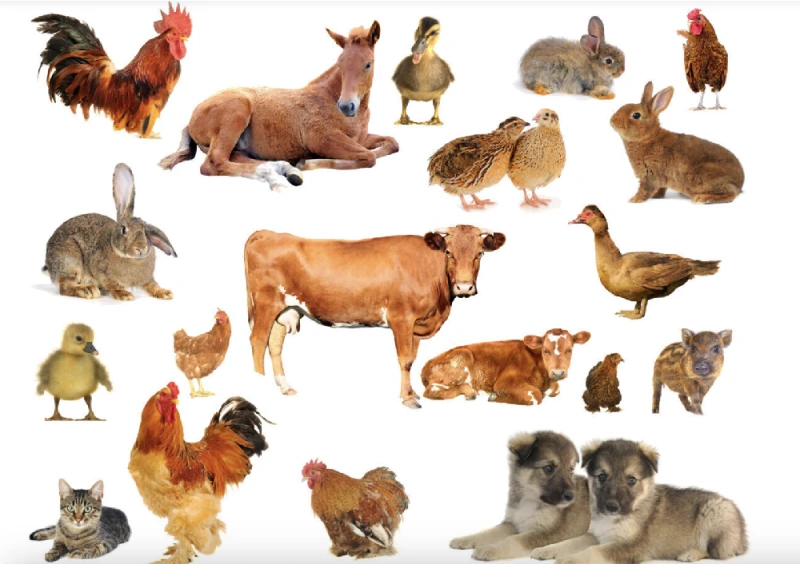
Corn used as animal feed primarily supports the following types of livestock:
Cattle: Both beef and dairy cattle rely heavily on corn feed. Corn is an energy-intensive feed that helps cattle gain weight and produce milk efficiently.
Poultry: Chickens, turkeys and other birds consume large amounts of corn, which provides them with the necessary nutrients for growth and egg production.
Pigs: Pigs also consume a large amount of corn as their primary energy source.
Aquaculture: Corn is used in fish feed, which helps farmed fish and seafood in their diet.
Why is corn so popular in animal feed?
Many factors have contributed to the widespread use of corn as animal feed:
High energy content: Corn is rich in carbohydrates, making it an excellent energy source for livestock.
Cost-effectiveness: Corn is generally cheaper than other feed grains, helping farmers control costs.
Nutritional value: Corn provides the essential nutrients needed for animal growth and production.
Impact on agriculture and the environment
This has a significant impact on the high dependence on corn as animal feed:
Land use: A large amount of farmland has been used for maize production, which may affect biodiversity and land use patterns.
Water use: Corn cultivation requires a large amount of water, raising concerns about sustainability in areas with limited water resources.
Fertilizers and pesticides: Intensive corn planting may lead to increased use of fertilizers and pesticides, which could affect soil health and water quality.
In short, approximately 60% to 65% of corn in the United States is used for animal feed, highlighting its vital role in agriculture. This use not only supports livestock and poultry production but also contributes to the efficiency of the entire food supply chain. Understanding the proportion of corn used for animal feed can help consumers better understand issues of sustainability in food production and agriculture.