China boasts a vast territory and a rich diversity of biodiversity. Among these are some poisonous insects. Do you know what poisonous insects are found in China? This article presents ten of the most common poisonous insects in China, including: golden-ringed hornets, blister beetles, Aedes albopictus mosquitoes, ticks, rove beetles, horseflies, and lychee bugs. Let's take a look. (The ranking of the top ten most common poisonous insects in China is based primarily on the insects' popularity, toxicity, and distribution, and also references relevant internet rankings/lists. Note : Spiders, centipedes, scorpions, etc., are not insects. Spiders belong to the class Arachnida, and centipedes belong to the class Chilopoda. Both of these classes, like insects, belong to the phylum Arthropoda. The data is current. If you have any questions, please feel free to comment/criticize at the end.)
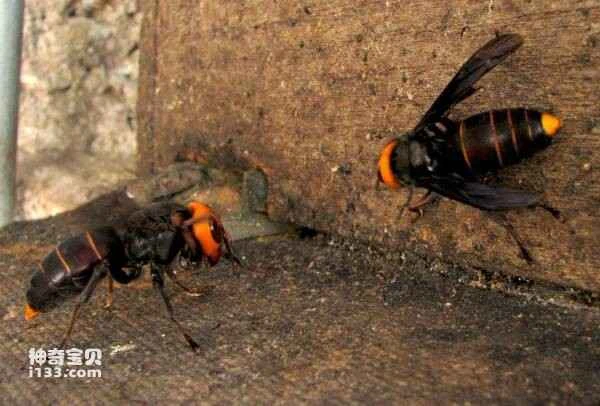
1. Golden-ringed hornet (fierce temperament and highly venomous)
The golden-ringed hornet, ranked number one among China's most venomous insects, is one of the world's most notorious. They are widely distributed, including in Gansu, Shaanxi, Sichuan, Yunnan, Guangdong, Guangxi, Hunan, Hubei, Jiangxi, Zhejiang, Fujian, Jiangsu, Liaoning, and Jilin provinces. The golden-ringed hornet is one of the largest hornets in the world, with individuals measuring approximately 4-6 centimeters in length. They primarily inhabit temperate forests in East Asia and have an average lifespan of about one year. The golden-ringed hornet possesses potent venom; it is not only aggressive but also capable of fighting in groups, often attacking humans in swarms. Being stung by a large number of golden-ringed hornets can be fatal. However, encountering large numbers of golden-ringed hornets is not common in daily life.
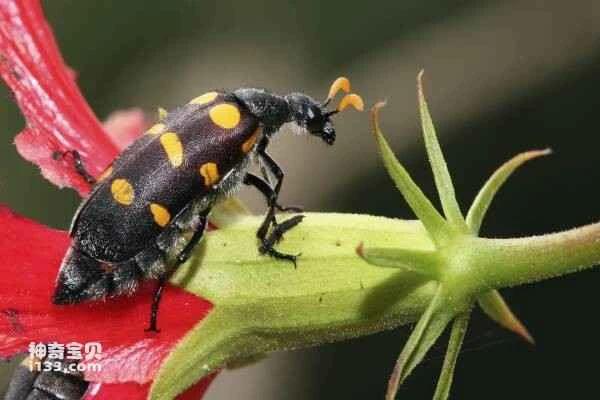
2. Rhubarb (1.5 grams orally in adults is fatal)
Among the list of China's most venomous insects, the blister beetle is a common one. They are widely distributed throughout China, including Liaoning, Hebei, Henan, and Shandong provinces. In these areas, there is one generation of blister beetles per year, while in Hubei province, there are two generations per year. During the blister beetle's life cycle, the fifth instar larvae (pseudopupa) overwinter in the soil.
Blastocystis chinensis is highly nephrotoxic. Experimental results show that injection of 7.5–10 mg of blastocystis chinensis into mice for 10 consecutive days causes cloudy swelling of myocardial fibers, hepatocytes, and renal tubular epithelial cells; congestion or small-area hemorrhages may also occur in the lungs and spleen. Furthermore, blastocystis chinensis has a strong irritant effect on the skin, mucous membranes, and gastrointestinal tract. Once absorbed, it is excreted through the kidneys and may irritate the urethra, leading to symptoms of nephritis and cystitis, and even causing acute renal failure. In adults, oral ingestion of 0.6 g of blastocystis chinensis can cause poisoning, with a lethal dose of 1.5 g.
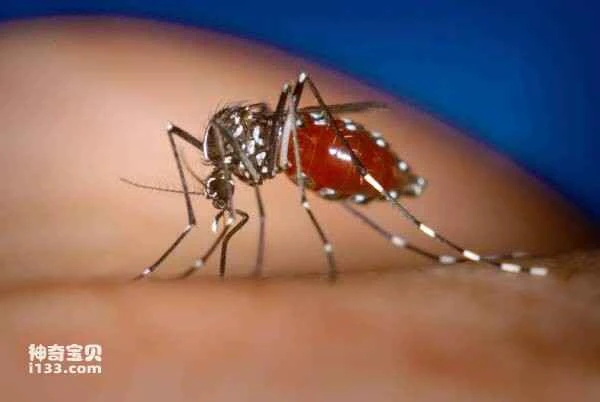
3. Aedes albopictus (transmits diseases such as dengue fever, yellow fever, and zeptospirosis).
In the classification of venomous insects in China, mosquitoes are an indispensable category. Among the many types of mosquitoes, the Aedes albopictus is not only annoying but also dangerous. Aedes albopictus is one of the secondary vectors for dengue fever and chikungunya, both of which are widespread in Southeast Asia, and in China, they are one of the main vectors for dengue fever.
Previous studies on Aedes albopictus have isolated Japanese encephalitis virus in China, which may be one of the vectors for the transmission of Japanese encephalitis in some regions. Experimental infection studies of Aedes albopictus abroad have shown that it can also transmit viral diseases such as yellow fever, western equine encephalitis, and Venezuelan equine encephalitis. Therefore, Aedes albopictus is one of the key targets for prevention and control worldwide.
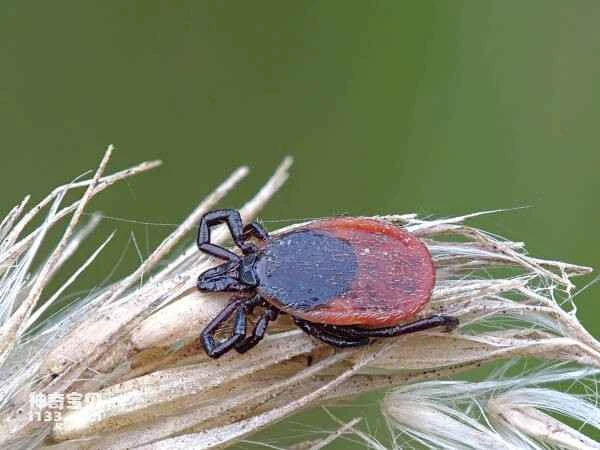
4. Ticks (transmit tick-borne encephalitis/Lyme disease/hemorrhagic fever and various protozoan diseases)
Ticks are among the top ten most common venomous insects in China. There are approximately 800 species of ticks globally, with about 110 species found in China, primarily distributed in the forest areas of Heilongjiang and Jilin provinces. In addition, tick-related cases have also occurred in Sichuan, Hebei, Xinjiang, Yunnan, and other provinces and autonomous regions.
Ticks prefer to inhabit densely vegetated areas, such as hillsides, wastelands, thickets, and bushes. When wearing shorts in high, wooded areas, or when in contact with pets or wild animals, tick bites are common. Because ticks can transmit tick-borne encephalitis, Lyme disease, hemorrhagic fever, and various protozoan diseases, they are among the most feared biting insects.
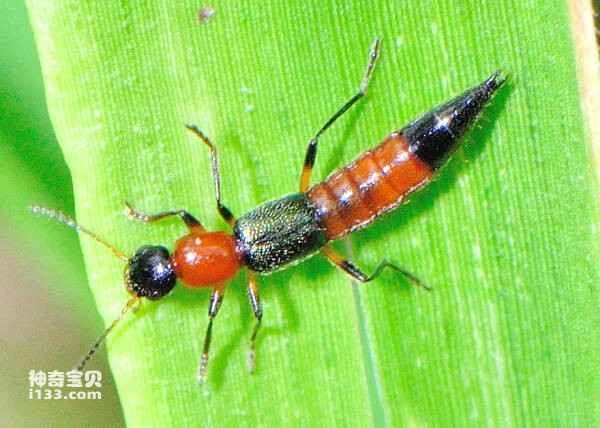
5. Rove beetle (causes symptoms such as dermatitis/skin erythema/blistering/ulceration)
Rove beetles are widely distributed, found throughout tropical and subtropical regions worldwide. There are 538 species of rove beetles that can cause dermatitis, with 72 species identified in China, making it one of the five most venomous insects in the country. They are mainly distributed in southern China, especially in the southwest and south China regions.
During the season when these pathogens are active, rove beetles are attracted to nighttime lights and enter homes through open doors and windows, crawling around people. People often feel uneasy and intentionally or unintentionally pat, crush, or rub them, causing the venom to leak out and adhere to their skin and hands. When these hands then touch other parts of the skin, it can cause multiple skin irritations. Symptoms include skin redness, blistering, and ulceration, usually developing into dermatitis within 2-4 hours.
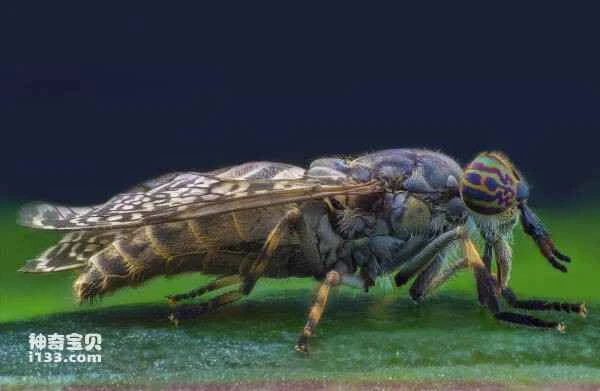
6. Horseflies (spread diseases)
Horseflies are one of the most common venomous insects in my country, mainly distributed in Guangxi, Sichuan, Zhejiang, Jiangsu, Hubei, Shanxi, Henan, and Liaoning provinces. They prefer to live in fields, marshes, reed beds, and near slow-moving, still water, which are ideal environments for their reproduction.
Horseflies are insects that resemble flies in appearance. Their mouthparts, like sharp blades, can cut through skin and suck blood before quickly flying away. Many horseflies prefer to feed on the blood of large mammals such as cattle and horses, but they can also attack humans. Horseflies also pose a potential risk of spreading diseases. In rural areas, many people have been bitten by horseflies. If bitten and sucking blood, the blood should be squeezed out as soon as possible to reduce potential harm.
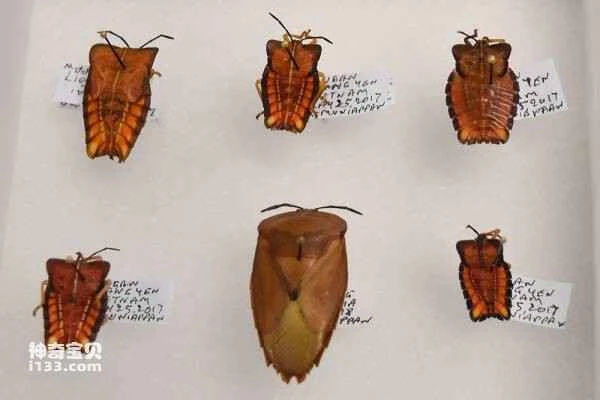
7. Lychee bug (secretes a corrosive, foul-smelling liquid)
A common venomous insect in China is the lychee bug, mainly distributed in southern regions such as Fujian, Jiangxi, Guangdong, Guangxi, Guizhou, and Yunnan. The lychee bug is an insect that damages fruit trees such as lychee and longan. The foul-smelling liquid they secrete is corrosive, causing flower buds to wither and fruit peels to turn black, thus affecting fruit quality. When startled or attacked, the lychee bug secretes a corrosive liquid that can damage human eyes and skin, and may even cause blindness. The larvae of the lychee bug are sometimes more destructive than the adults.
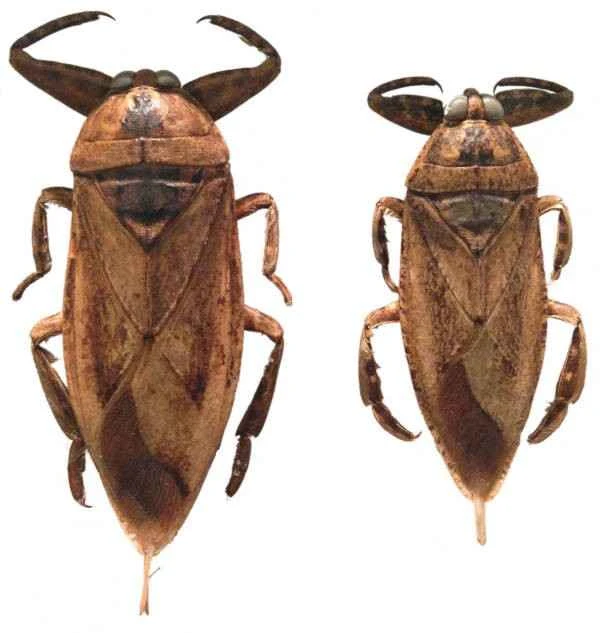
8. Giant water bug (secretes dissolving enzymes)
There is a poisonous insect called the giant water bug (Pomacea canaliculata) in China, mainly distributed in southern China, but also found in small numbers in northern China. They have small heads, flattened bodies, live in water, and their breathing tubes are located at the end of their abdomens. Giant water bugs feed on small fish and insects in the water and are known for their aggressive nature.
This insect primarily feeds on tadpoles and even larger fish. When fish pass by, the giant water bug quickly jumps onto them and sucks their body fluids, leaving only an empty shell. The giant water bug is a highly aggressive creature. It rapidly injects an enzyme that dissolves tissue into its prey and then sucks up the liquefied tissue. If a person is bitten by a giant water bug, it can cause local ulceration and severe pain.
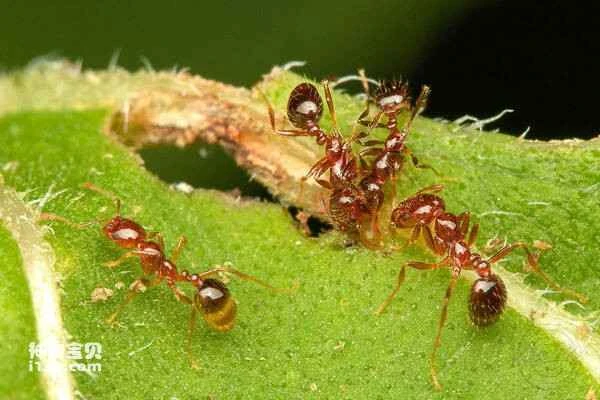
9. Red imported fire ants (highly aggressive/contain highly venomous)
Red imported fire ants are an invasive species in China and have now become one of the most venomous insects in southern China. They are distributed in Taiwan, Hong Kong, Guangdong, Macau, Fujian, Guangxi, and other parts of China. Red imported fire ants are considered one of the most dangerous ants in the world, possessing aggressiveness and the ability to sting multiple times. They not only affect the health and quality of life of people in the invaded areas but also damage public facilities and electronic equipment, causing significant economic losses in communications, healthcare, and pest control.
Once a red imported fire ant nest is disturbed, the ants will quickly emerge and launch a fierce attack. A sting from a red imported fire ant causes intense pain, similar to a burn, and may also cause blistering skin symptoms. Children, the elderly, and people with allergies are the highest-risk groups most vulnerable to red imported fire ants.
10. Stinging caterpillars (cause skin swelling and itching)
One of China's top ten most venomous insects is the larva of the tussock moth, also known as the "itchy tussock moth." It is distributed almost throughout the country. Tussock moths prefer dark environments and have a natural resistance to strong light, high temperatures, and water. They live in colonies, typically reproducing one generation per year in the north and two generations per year in the south. Tussock moths have many poisonous spines, which can cause itchy and swollen skin upon contact. They pose a considerable threat to the health of residents and tourists.