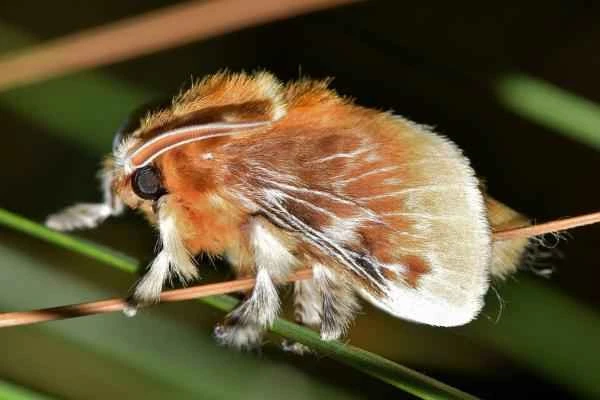
The pine caterpillar, also known as the pine pine beetle, is an insect that damages pine trees and other coniferous trees. Its name is distinctive because it travels in single file. Pine caterpillars descend from pine trees from February to April each year and are mainly distributed in areas with pine trees. The relationship between pine caterpillars and dogs, as well as humans, is not beneficial but rather a health risk that can cause serious problems.
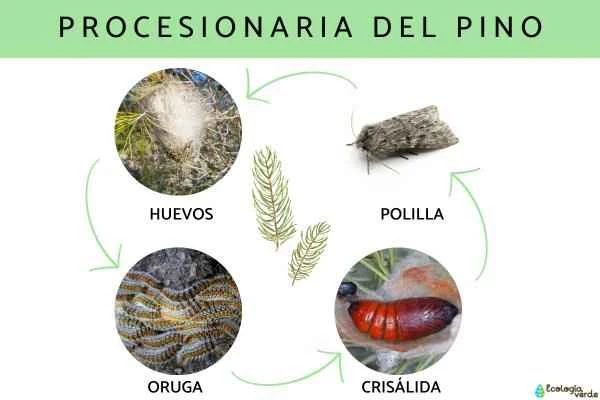
Table of contents
What are pine caterpillars and what are their characteristics?
When do pine caterpillars come down from the tree?
Main distribution area of pine caterpillars
The life cycle of pine caterpillars
Characteristics of pine caterpillar nests
Damage caused by pine caterpillars
The temperature tolerance of pine caterpillars
Methods for controlling pine caterpillars
The difference between pine caterpillars and grassland caterpillars
1. What are pine caterpillars and what are their characteristics?
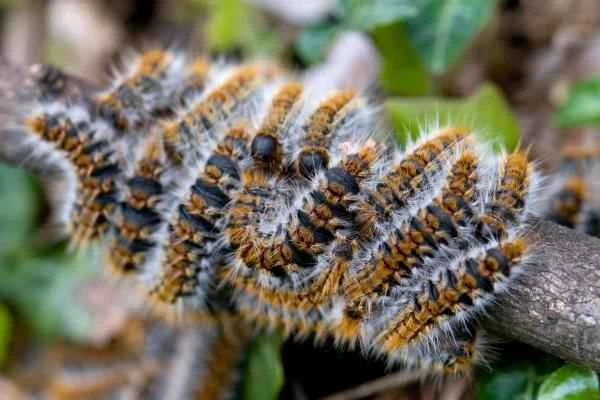
The pine caterpillar (Thaumetopoea pityocampa), also known as the pine walking caterpillar, is a lepidopteran pest that primarily damages pine and other coniferous trees. It is extremely common in pine forests of southern Europe, Asia Minor, and North Africa, and is particularly prevalent in Spain, where it is considered one of the most important defoliating pests affecting pine forest health.
It can feed on a variety of tree species in the genera Pinus, Cedar, and Fir, with a particular preference for pine trees, especially European black pine, which causes the most damage.
The larvae have a unique habit of marching in a long line, hence the name "marching caterpillar".
The larvae are covered in toxic hairs and secrete the heat-sensitive toxin Thaumatopina, which is harmful to both humans and animals.
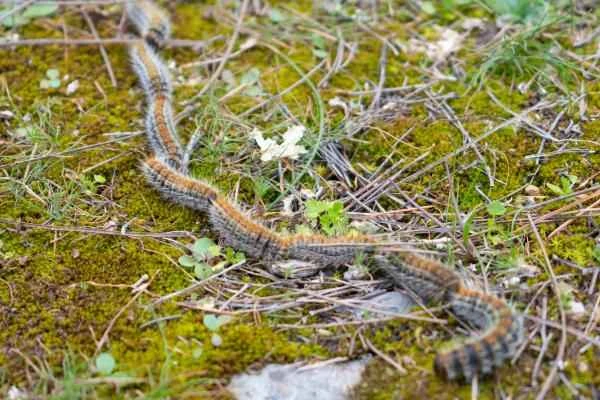
2. When do pine caterpillars descend from the tree?
Pine caterpillar eggs typically hatch in September and October each year. The larvae remain active on the trees until February to April of the following year, when they descend in groups to find suitable locations to pupate in the soil. In recent years, due to climate warming, the larvae may descend earlier in some areas.
3. Main distribution areas of pine caterpillars
Pine caterpillars mainly appear in areas where pine trees are distributed, including pine forests, urban parks, and green belts; wherever there are pine trees, they can become their habitat. In cities, they are commonly found in parks and roadside green belts with rows of pine trees.
4. The life cycle of pine caterpillars
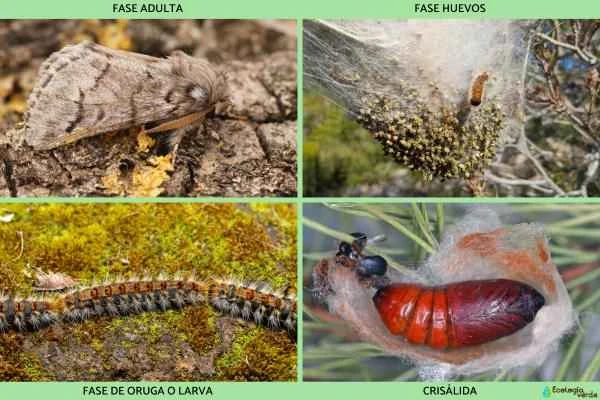
Adult stage : In July and August, the adult moths emerge from the ground at dusk. After mating, the female lays eggs on pine needles, and the adults die quickly.
Egg stage : September-October, when the eggs hatch into larvae.
Larval stage : In autumn and winter, the larvae feed on pine needles and spin silk on tree branches to form white nest bags to overwinter.
Pupation stage : From February to April, the larvae collectively descend from the tree and enter the soil to pupate. They emerge as adults in June and July.
5. Characteristics of pine caterpillar nests
Pine caterpillar nests are white or gray filamentous structures that wrap around the tips of branches of pine, cedar, fir, and other trees, resembling cotton balls. The nests serve to regulate temperature, provide warmth, and offer concealment.
6. Damage caused by pine caterpillars
The poisonous hairs of pine caterpillars can trigger severe allergic reactions in humans and pets, such as skin swelling, itching, rashes, and difficulty breathing. Pets, especially dogs, are prone to swelling of the mouth and throat after ingestion or contact, which can be life-threatening in severe cases. Even without direct contact, the poisonous hairs in the air can trigger reactions.
7. Temperature tolerance of pine caterpillars
Prolonged exposure to temperatures below -12°C to -15°C can kill them, but their nest structure provides effective protection against the cold.
Temperatures consistently above 40-45°C can also cause dehydration and death, especially during the pupal stage.
8. Control methods for pine caterpillars
Chemical control : Spraying insecticides containing pyrethroids (such as lambda-cyhalothrin) requires professional operation.
Biological control : In autumn, use insecticidal microbial agents (such as Bacillus thuringiensis), which are highly effective against larvae and environmentally friendly.
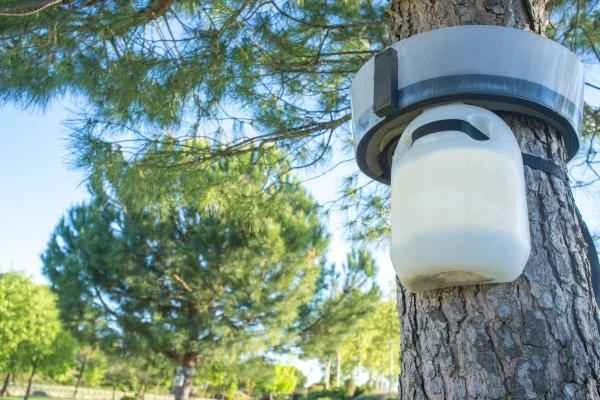
Physical control : Manually remove and burn nest bags, or install physical barrier rings within 2 meters of the tree trunk to prevent larvae from descending the tree.
Ecological control : Encourage the reproduction of natural enemies (such as tits, ants, wasps, bats, etc.) to suppress the insect population.
Simple household traps : These can be monitored and controlled using baiting devices.
9. The difference between pine caterpillars and grassland caterpillars
Pine caterpillars : They have poisonous hairs and harm pine and cedar trees. They are commonly seen in winter and spring and live in groups.
Grassland caterpillars : They have non-toxic hairs, harm herbaceous plants, and are mainly active in spring and summer. They are individual and do not migrate in groups.
Now you understand the damage caused by pine caterpillars, their appearance times, distribution, and control methods. For more information, please refer to our special feature on "Tips for Controlling Pine Caterpillars".