Have you ever heard of carnivorous fish? These fish primarily feed on other animals. They are very similar to other fish, but also have some unique characteristics. The main anatomical feature of carnivorous fish is their short intestine in their digestive system. Carnivorous fish undoubtedly make up a large number of aquatic species in the ocean, such as great white sharks, black piranhas, tiger sharks, swordfish, and barracudas, among others.
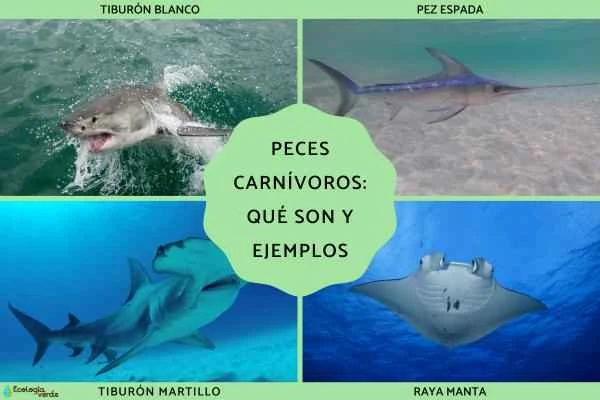
Table of contents
Introduction and characteristics of carnivorous fish
White shark (Carcharodon carcharias)
Black piranha (Serrasalmus rhombeus)
Tiger shark (Galeocerdo cuvier)
Swordfish (Xiphias gladius)
Barracuda (Sphyraena barracuda)
Hammerhead shark (Sphyrna mokarran)
Yellowfin tuna (Thunnus albacares)
Other typical carnivorous fish
1. Introduction and characteristics of carnivorous fish
Carnivorous fish are those fish that primarily feed on other animals. They are widely distributed in freshwater and marine ecosystems. Compared to other fish, carnivorous fish have some distinctive characteristics:
Digestive system : It has a relatively short intestine, which is suitable for efficient digestion and absorption of animal nutrients.
Hunting behavior : Skilled at ambushing, quickly chasing or suddenly attacking prey, possessing excellent hunting instincts.
Body structure : mostly streamlined, muscular, with a large mouth and sharp teeth, which are very suitable for biting and tearing prey.
Diet : They mainly feed on other fish, crustaceans, cephalopods, etc., and some even prey on birds and small mammals.
2. Great White Shark (Carcharodon carcharias)
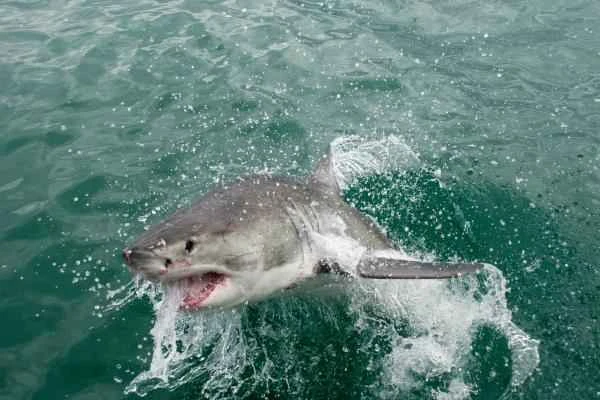
Great white sharks are among the most famous predatory fish in the world, inhabiting warm and temperate waters worldwide. In the Mediterranean, their prey includes tuna, swordfish, sea turtles, and even small whales and dolphins. They are apex predators thanks to their powerful bite and high-speed attacks.
3. Black piranha (Serrasalmus rhombeus)

Black piranhas are widely distributed in the Amazon, Orinoco, and Guyana river basins. Known for their voracious appetite, their diet consists mainly of small fish, crustaceans, and aquatic insects, and they sometimes also eat aquatic plants. They are able to quickly locate and capture prey in the water.
4. Tiger shark (Galeocerdo cuvier)
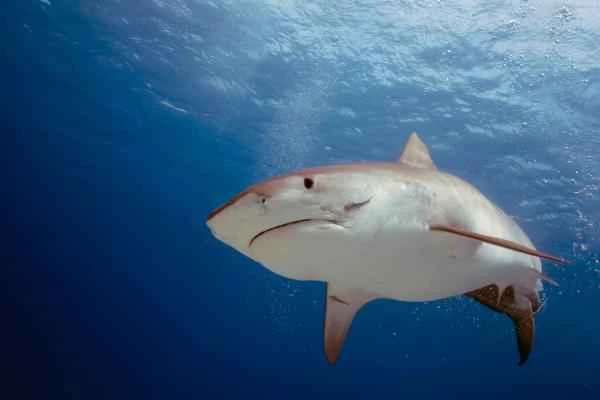
Tiger sharks are found in tropical waters worldwide, and are medium to large in size, with females reaching over 3 meters in length. Their diet is extremely diverse, including fish, squid, other sharks, shellfish, turtles, seabirds, and marine mammals, earning them the reputation of "ocean scavengers."
5. Xiphias gladius
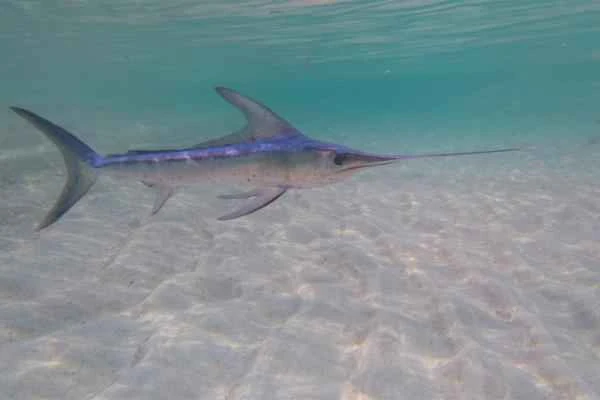
Swordfish live in tropical and temperate seas worldwide and are adept at foraging in areas with ocean currents. They mainly feed on tuna, barracuda, and flying fish, using their long "swords" to stun their prey before catching them.
6. Barracuda (Sphyraena barracuda)

Barracudas are found along the coasts of the Indian, Pacific, and Atlantic Oceans and are known as "sea tigers." They primarily feed on fish, shrimp, octopus, and squid, and are fierce hunters with sharp teeth.
7. Hammerhead Shark (Sphyrna mokarran)

Hammerhead sharks, also known as giant hammerhead sharks, live in nearshore and continental shelves of tropical and warm waters worldwide. They are very active predators, feeding mainly on crabs, lobsters, squid, octopuses, and other marine life.
8. Yellowfin tuna (Thunnus albacares)
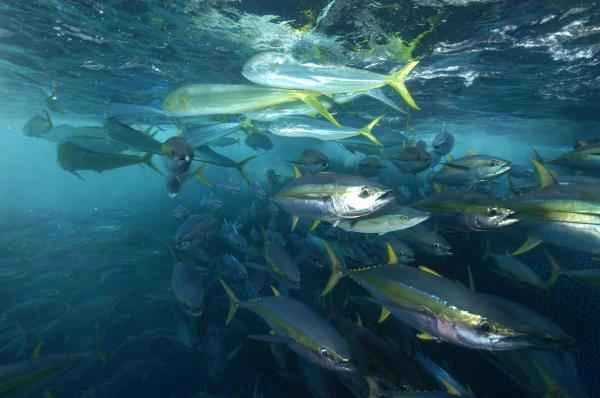
Yellowfin tuna are distributed in tropical and subtropical waters worldwide (except the Mediterranean Sea). They mainly prey on other fish, shellfish, and crustaceans at depths of around 100 meters. They have small, sharp teeth and are highly skilled predators.
9. Other typical carnivorous fish
In addition to the types mentioned above, the following fish are also typical examples of carnivorous fish:

Bull shark (Carcharias taurus): feeds on fish, dolphins, and even other sharks.
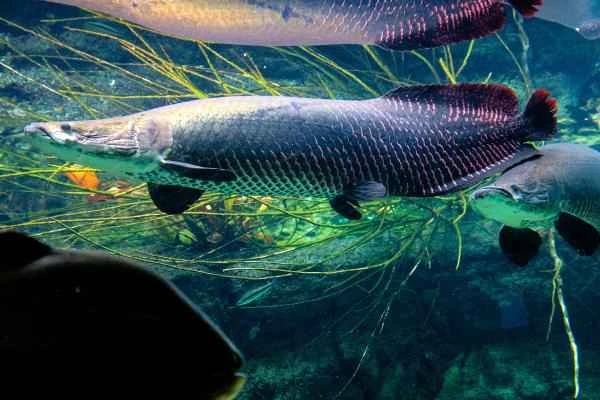
Arapaima gigas: Primarily preys on small fish in the Amazon basin.
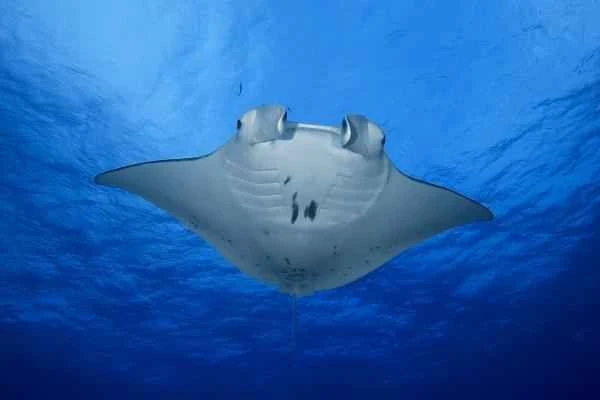
Blacktip reef sharks, longfin sharks, barracudas, and sawfish are also important carnivorous fish.
Some rays (such as manta rays) primarily feed on plankton, but they also consume small fish.
You've now learned about the basic definition, main characteristics, and common representative species of carnivorous fish. Welcome to continue reading for more interesting facts and scientific information about fish!