Survival strategies of organisms are not only related to environmental factors such as temperature and humidity changes, but also closely related to the relationships between different species in the food chain. In this complex ecological network, some animals have developed various survival skills to avoid becoming prey for predators, including camouflage and issuing alarm signals. "Playing dead" is a very interesting and effective defense strategy.
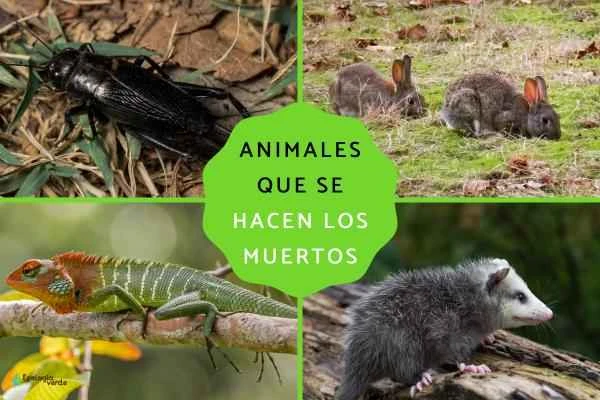
Playing dead, also known as tanatosis or tonic immobility, typically occurs after prey has been spotted by its predator, or even after contact has taken place. Animals feign death by lowering their breathing and heart rate, sticking out their tongues, or widening their eyes, thus misleading their predators. In fact, playing dead is widespread among invertebrates and vertebrates and is an important survival strategy. This article will introduce 30 typical animals that play dead and their related behaviors.
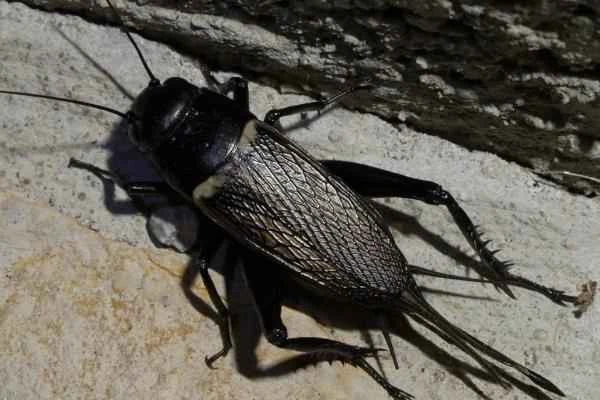
1. Mediterranean cricket (Gryllus bimaculatus)
Despite their name, Mediterranean crickets have a wide distribution, including in Asia. They are very easy to keep and are a common food source for reptiles and spiders. When caught by humans, their limbs bend into a completely stiff state, typically lasting 2-4 minutes, but sometimes up to 20 minutes. Their strong leg spines can injure small predators, while playing dead reduces the risk of being caught by amphibians and reptiles, which are particularly sensitive to movement.
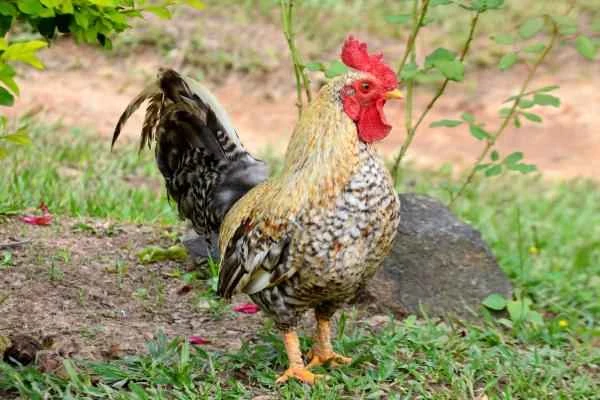
2. Domestic chicken (Gallus gallus)
When threatened, domestic chickens will play dead, and the duration of this behavior is related to the length of their companions' alarm calls; the longer the alarm call, the longer the chickens will play dead. This behavior is one of the typical defense strategies of poultry.
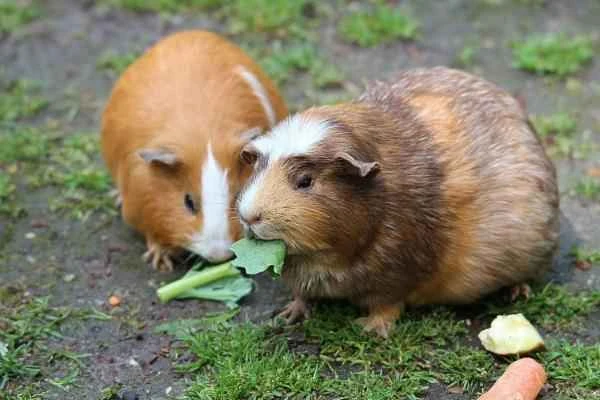
3. Guinea pig (Cavia porcellus)
Guinea pigs, native to Peru, have been domesticated for thousands of years and are no longer found in the wild. When they sense danger, guinea pigs will play dead until they feel safe to resume activity. Long-term contact with humans has gradually shortened the duration of this feigned death.
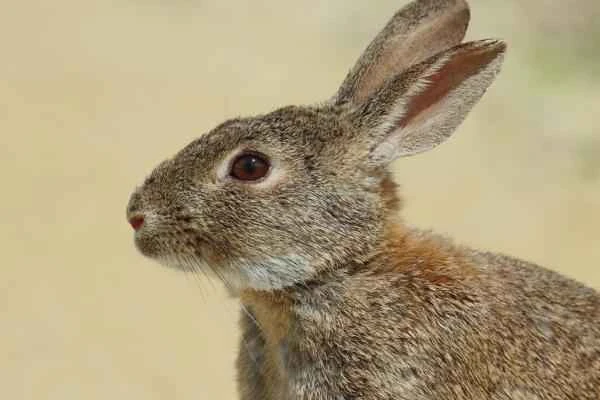
4. European rabbit (Oryctolagus cuniculus)
Both wild and domestic rabbits play dead to escape predators. Studies have found that the farther away from a hiding place, the longer they can play dead; the closer they are to the hiding place, the shorter the time they can play dead. This is an important survival strategy for them.
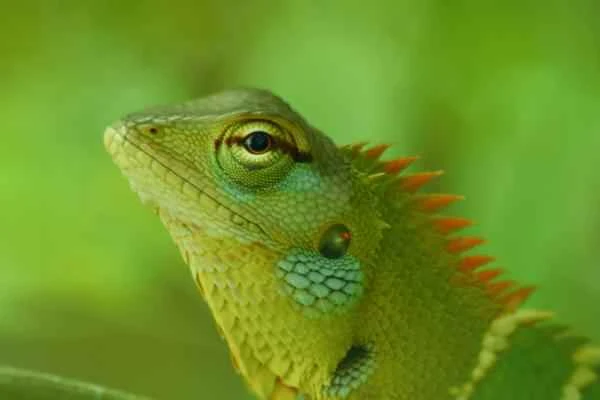
5. Common Green Lizard (Calotes calotes)
The common green lizard native to India and Sri Lanka will feign death when threatened, showing its deadness to predators before suddenly fleeing. This behavior is effective in confusing predators.
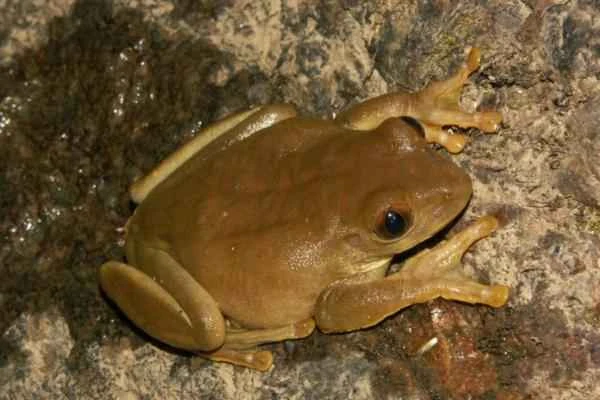
6. Red Tree Frog (Leptopelis rufus)
Distributed in many African countries, this tree frog plays dead by releasing ammonia from its mouth to enhance the deceptive effect, making predators mistakenly believe it is dead.
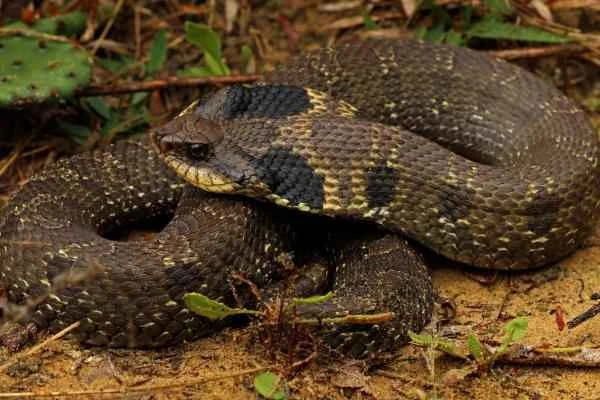
7. Hognose snake (Heterodon spp.)
The hognose snake gets its name from its long, upturned face. When playing dead, it rolls over to expose its belly, opening its eyes and mouth. This is a common survival strategy and also serves as camouflage.
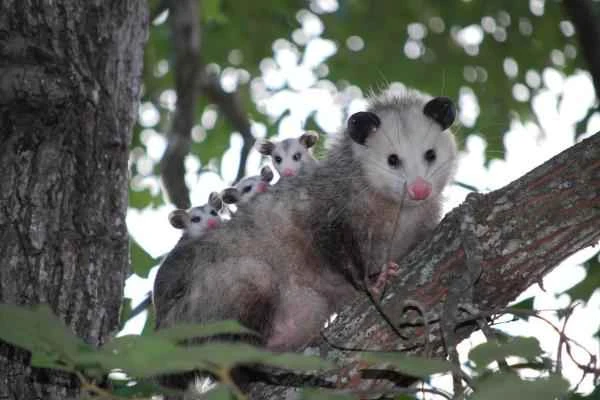
8. Virginia Opossum (Didelphis virginiana)
Virginia opossums commonly play dead. When playing dead, they open their eyes and mouth wide, their whole body stiffens, their heart rate drops by nearly half, and their breathing and body temperature also decrease.
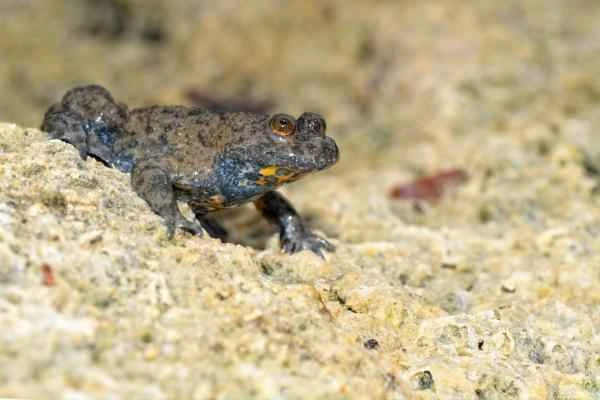
9. Yellow-bellied toad (Bombina variegata)
Distributed in Europe, this toad not only remains rigid when playing dead, but also secretes toxic substances. It is a warning behavior that effectively deters predators.
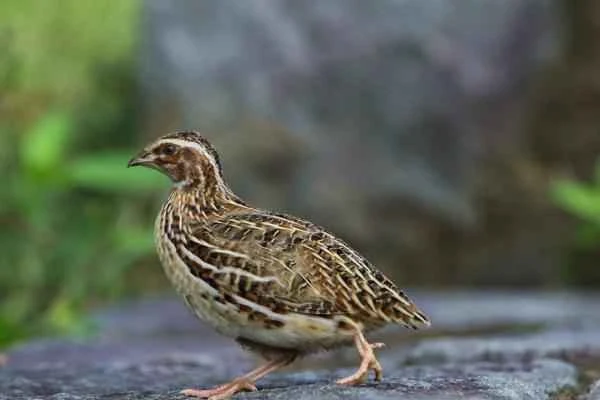
10. Japanese Quail (Coturnix japonica)
Studies show that Japanese quails are less likely to be preyed on by cats when they play dead. Cats prefer active quails, and the behavior of playing dead significantly improves their survival rate.
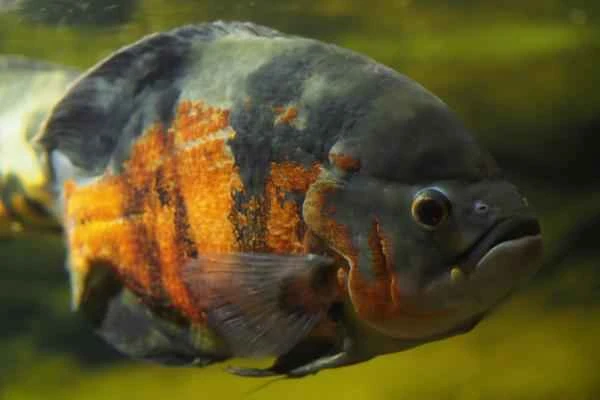
11. Astronotus ocellatus
Oscar fish, which live in freshwater in South America, will freeze or even change their body color when threatened, using a strategy of playing dead to escape predators.
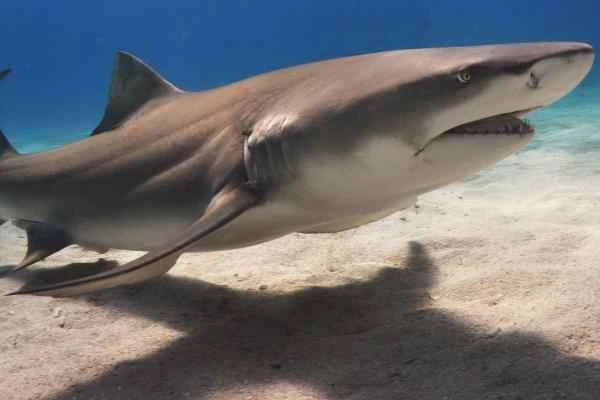
12. Lemon Shark (Negaprion brevirostris)
Although lemon sharks have no natural predators, they also exhibit prolonged periods of feigning death, rapidly flipping their bodies and exhibiting restricted movement; their feigning death time is the longest among sharks.
Other animals that feign death:
Criotettix japonicus
Desert locust (Schistocerca gregaria)
Red-faced beetle (Tribolium castaneum)
Fire Ant (Solenopsis invicta)
Poaching spider (Pisaura mirabilis)
Northeast green iguana (Anolis carolinensis)
African field cricket (Gryllus bimaculatus)
Branch Worm (Carausius morosus)
Larinoides cornutus
African Crested Wren (Euplectes afer)
Sparrow (Passer montanus)
White-tailed Wren (Lochura striata)
Vitian frog (Platymantis vitiana)
Patterned Rat Snake (Thamnophis elegans)
Black-spotted frog (Pelophylax nigromaculatus)
Large-winged cicada (Pteronarcys dorsata)
Soybean weevil (Callosobruchus chinensis)
Pinto bean elephant (Callosobruchus maculatus)
Mediterranean tick (Armadillidium vulgare)
Playing dead is an ancient and effective defense mechanism widely used in the animal kingdom. Understanding the behavior and ecology of these animals helps us better protect them and also helps people avoid unnecessary panic.
If you'd like to learn more about animals that play dead, please browse our "Wildlife" category for more fascinating content.
References
Humphreys RK, Ruxton GD. A review of feigned death as a form of anti-predation behavior. *Behavioral Eco-Sociobiology*. 2018;72(2):22. doi:10.1007/s00265-017-2436-8
Ishino, H., Sakai, M. The cricket *Gryllus bimaculatus* DeGeer exhibits a remarkably behaviorally static state: its characteristics, sensory mechanisms, and function. *Journal of Integrative Physiology*, A179, 613–624. (1996). Available at: https://doi.org/10.1007/BF00216126
Sharon T. Pochron, Roger KR Thompson. Sound repetition rate controls the duration of tonic stillness in chicks (Gallus gallus). Behavioral Processes, Vol. 166, 2019, 103901, ISSN 0376-6357. https://doi.org10.1016/j.beproc.2019.103901/. English version available at: https://www.sciencedirect.com/science/article/abs/pii/S0376635719301159