In nature, many animals possess astonishing regenerative abilities, enabling them to rapidly recover parts or even all of their bodies after being attacked by predators or accidentally injured. This ability is not only crucial for their survival but also provides valuable material for scientific research. This article introduces 10 animals with remarkable regenerative capabilities and explains why they are able to perform this miraculous biological function.
Why are some animals able to regenerate?
All living organisms possess the ability to regenerate cells, helping to replace damaged tissues. However, some animals go a step further, capable of completely regenerating missing limbs or organs. This ability provides them with a significant advantage when escaping predators. The regeneration process involves complex cell division and differentiation, requiring multiple layers of tissue to grow in a coordinated manner to restore the original state.
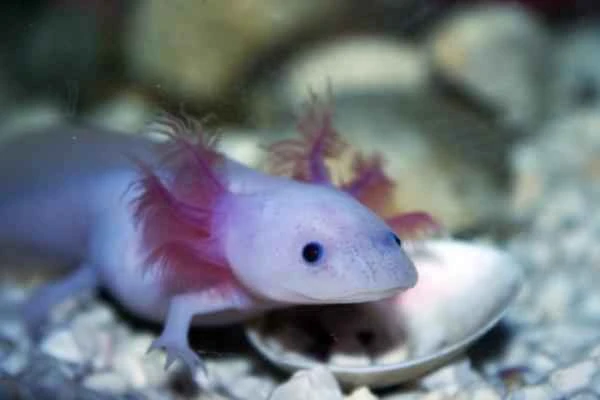
1. Mexican axolotl (Ambystoma mexicanum)
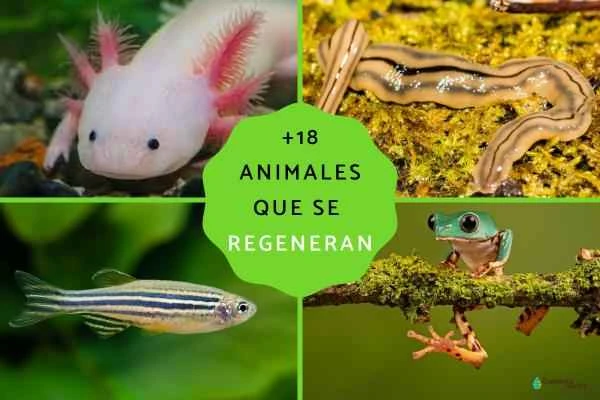
The axolotl is an endangered aquatic amphibian capable of regenerating any part of its body, including the nervous system, eyes, jawbone, teeth, and even the heart. Its regeneration is extremely rapid, typically completed within weeks. The axolotl's regenerative abilities are a popular model for research in regenerative medicine.
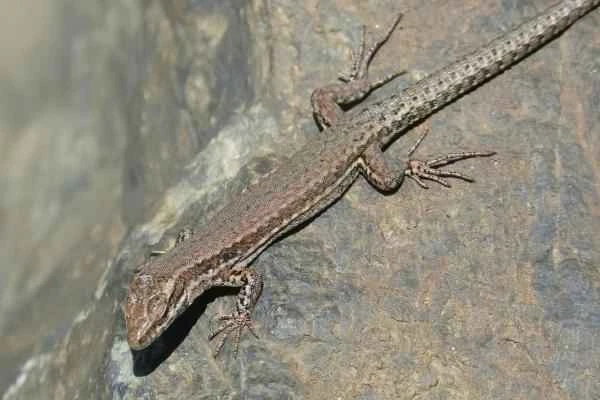
2. Lizard (Lacertilia)
Many lizards can escape predation by "autotomy," where a new tail regenerates after the original tail is severed. The new tail differs from the original tail in color, texture, and length; this phenomenon is called autotomy.
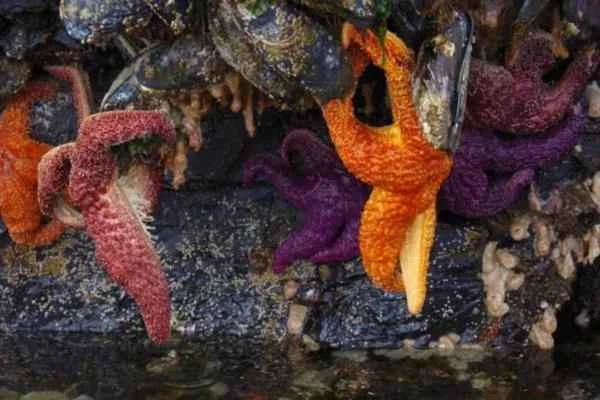
3. Starfish (Linckia guildingii)
Starfish can regenerate missing parts after predators bite off their tentacles; a single severed limb can even grow into a new individual. The regenerative ability of starfish in the genus *Linckia* is particularly remarkable among marine invertebrates, with a severed limb regenerating into a new individual in just about 32 days.
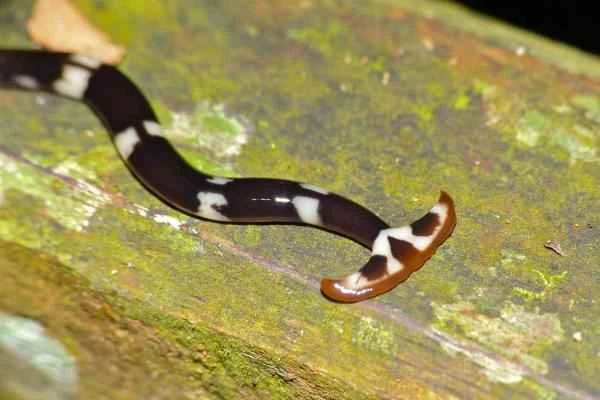
4. Flatworm (Planaria spp.)
Flatworms possess an astonishing ability to regenerate throughout their entire body; even if their bodies are cut into multiple segments, each segment can regenerate into a complete individual. This is thanks to the abundance of stem cells (called new cells) within their bodies.
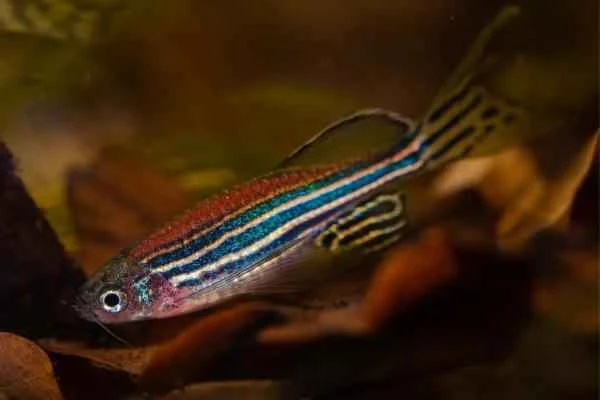
5. Zebrafish (Danio rerio)
Zebrafish are an important model for studying regeneration among vertebrates. They can regenerate their tail fins and part of their heart tissue. During regeneration, cells dedifferentiate and then redifferentiate, a process called "epithelial morphogenesis."
6. African clawed frog (Xenopus laevis)
The larval stage of the African clawed frog (tadpole) has regenerative abilities, similar to the axolotl, and can regenerate limbs. As it ages, its regenerative ability gradually weakens.

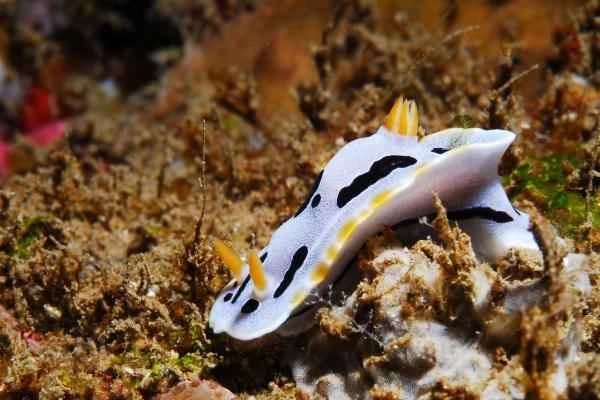
7. Sea slug (Elysia spp.)
Sea slugs can actively regenerate their heads. After several days, the head can begin feeding and repairing the body, and within 20 days, the slug can regain a complete body. This behavior is not driven by predators, and the specific reasons are still unclear.
8. Human beings (Homo sapiens sapiens)
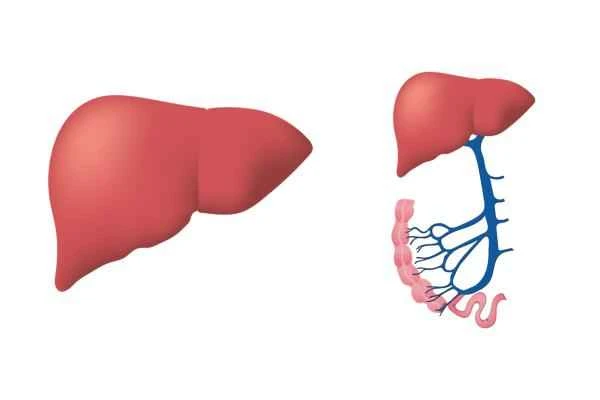
While humans cannot regenerate limbs, they possess the regenerative capacity of some organs, such as the liver, which can rapidly regenerate from remaining tissue. This liver regeneration capacity forms the basis for organ transplantation.
9. Hydra (Hydra vulgaris)
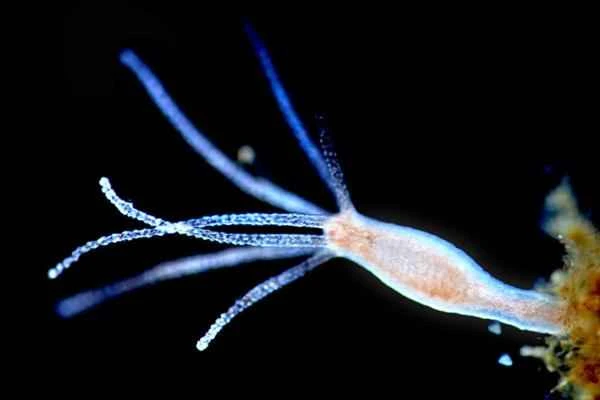
Hydras can reproduce by dividing their bodies and can even regenerate their nervous system after it has been removed. They maintain a high degree of regeneration throughout their lives, a phenomenon known as "morphallaxis."
10. Arthropoda
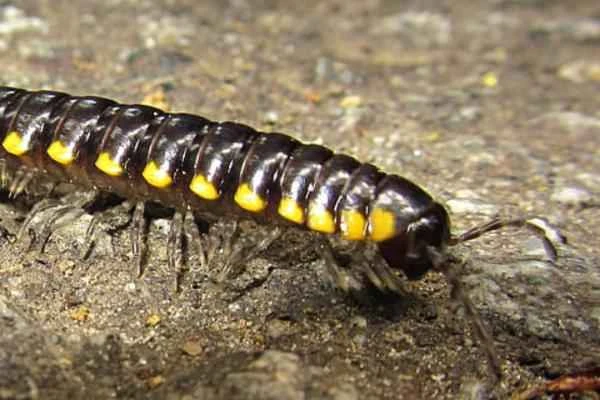
Including insects, crustaceans, and arachnids, arthropods grow by molting and can regenerate lost limbs, often requiring multiple molts to fully recover.
Other animals with regenerative abilities
Northwest Four-lined Lizard (Plestiodon tetragrammus)
African lungfish (Polypterus senegalus)
Salamander (Triturus spp.)
sea lily (Crinoidea)
Snake-tailed serpents (Ophiuroidea)
Crab (Decapoda)
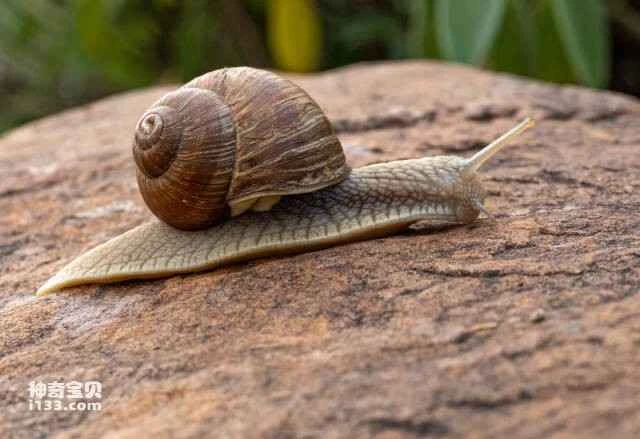
Snail (Pulmonata, order Pulmonata)
genus *Salamandra* spp.
Regeneration is an amazing survival strategy in nature and offers important insights for life sciences. For more fascinating content about these "animal regeneration miracles," please browse our [Wildlife Special].
bibliography
Aguirre, CMG, Delfín-Alfonso, CA, and Argoytia, LL (2018). Cell regeneration: a second chance for life. Ecological Frontiers, 30-33.
Jiménez, IC, Negrete, JO and Salazar, CGS (2020). Ambystoma mexicanum, an extraordinary animal model for studying regenerative capacity. Revista Fesahancccal, 6(2), 13-19.
Cortés Rivera, Y., Hernández, R.I., San Martín del Angel, P., Zarza Meza, E., & Cuervo González, R. (2016). Regenerative potential of the starfish Linckia guildinguii. Hydrobiology, 26(1), 103-108.
Bacard, JA (2021). Extreme autotomy and animal regeneration. Medicine (Buenos Aires), 81(3), 452-453.