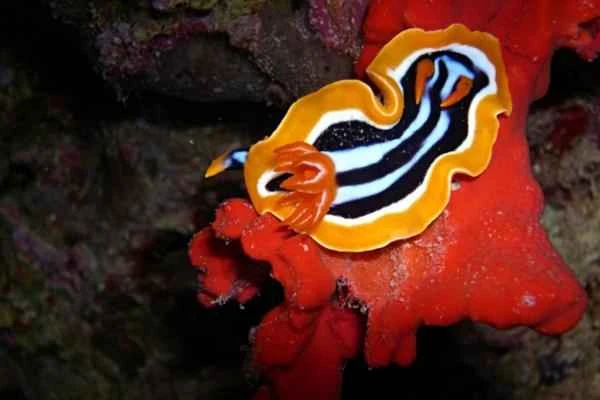
Gastropods, including snails and slugs, are a group of mollusks that have successfully adapted to both terrestrial and marine environments. They are the only mollusks capable of living on land, ranging from the common garden snail (Helix aspersa) that eats vegetables to the elegant Spanish dancer sea slug (Hexabranchus sanguineus). Due to the rich diversity of their habitats, gastropods exhibit great variation in appearance and diet, but they share some basic anatomical features that make them easily identifiable. This article will provide a detailed introduction to the definition, classification, characteristics, habitats, diet, and reproductive methods of gastropods.
Definition of Gastropoda
Gastropoda is the largest group within the phylum Mollusca, comprising approximately 80% of all mollusks and including all snails and slugs. This group includes marine, freshwater, and terrestrial species. They generally possess a spiral-shaped shell into which the animal can retract to defend itself against predators. However, some species have gradually lost their shells through evolution, resulting in shell-less slugs and nudibranchs.
Basic characteristics of gastropods
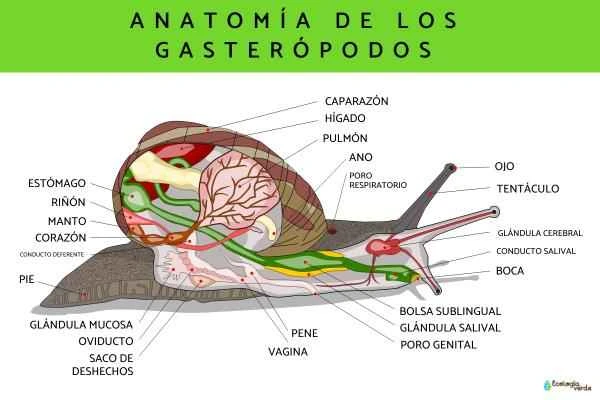
Visceral mass : Contains most of the digestive, reproductive, and respiratory systems.
Mantle : Covers the visceral mass; in some species, mantle cells can secrete shell material.
Head : Usually has two to four tentacles with photosensitive eyes that can sense changes in light; the mouth is located on the ventral side and is equipped with tentacles to help find food.
Foot : The abdomen is broad and flat, used for crawling or swimming. The name Gastropoda means "foot of the abdomen".
Torsión : In juvenile gastropods, the internal organs and shell rotate 180 degrees, causing the opening of the digestive tract to move from the rear to the front. This change helps balance body weight and for defense.
Classification of Gastropoda
Gastropods are traditionally divided into three main categories based on their respiratory structure and lifestyle:
1. Pulmonata
Pulmonoptera possess lung-like, blood-rich chambers for air respiration and have completely or partially lost their gills. Most have shells, but some species are shellless. Representative species include:
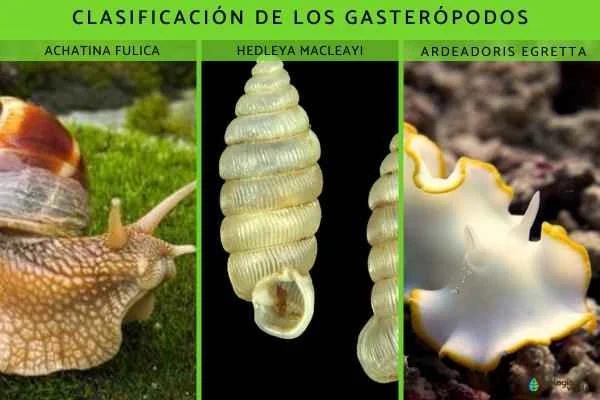
African giant snail (Achatina fulica)
Grayish-black snail (Limax cinereoniger)
Tree snail (Zonitoides arboreus)
2. Prosobranchia
The vast majority of prolobopods breathe through gills, while some have adapted to terrestrial life and developed lung-like cavities. They are primarily marine species, but freshwater species also exist. Their gills are located in front of the heart. Representative species include:
Hedleya macleayi
Haliotis geigeri (abalone)
Puperita pupa
3. Opistobranchia
The gills of posterior lobepods are located behind the heart. They are mostly sea slugs, carnivorous, and prey on invertebrates such as sponges and hydras. Some rely on skin respiration. Representative species include:
California sea slug (Aplysia californica)
Great egret sea slug (Ardeadoris egretta)
Curly sea slug (Elysia crispata)
Habitat of Gastropods
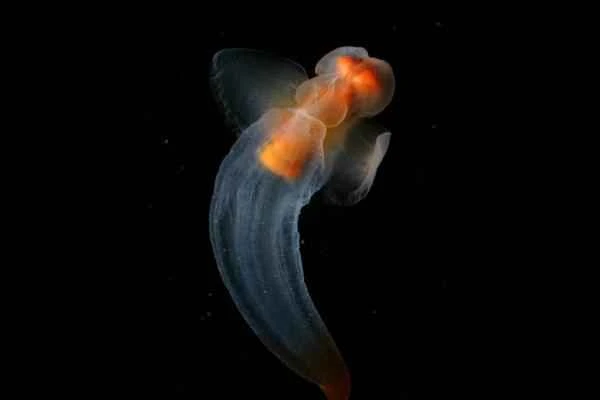
Gastropods are widely distributed in terrestrial, freshwater, and marine environments. Most species live along ocean coasts due to abundant food and diverse environments. A few, such as sea butterflies (Thecosomata), live in the ocean surface and are planktonic.
Diet of Gastropods
Gastropods have a diverse diet, encompassing herbivores, carnivores, and omnivores. They primarily rely on a tongue-like "radula" to scrape food, which is covered with fine teeth made of hard materials such as chitin.
For example:
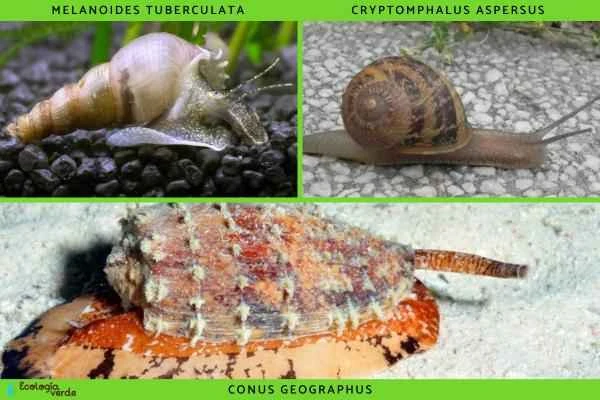
Melanoides tuberculata : feeds on algae, algae debris, and dead fish, and is commonly found in aquariums.
Common snail (Cryptomphalus aspersus) : It eats leaves, fruits, and grains, and sometimes eats dead snails or insects.
Conus geographus : A large carnivorous snail that preys on small to medium-sized fish and injects venom to paralyze its prey.
Reproduction methods of gastropods
Gastropods reproduce in diverse ways, primarily depending on their habitat:
Internal fertilization : common in terrestrial species, many of which are hermaphroditic.
In vitro fertilization : More common in marine species, with distinct sexes, where the egg and sperm combine in water.
Conclusion
Gastropods, as the most diverse group within the phylum Mollusca, play a vital role in ecosystems. Understanding their characteristics and habits helps in protecting biodiversity and the rational use of biological resources.
Welcome to read more related articles and explore the amazing world of wildlife!
References
Hall, M. 2011. “Conus geographus” (online), Animal Diversity Website. Accessed April 12, 2022. Access: https://animaldiversity.org/accounts/Conus_geographus/
References
Myers, P. and J. Burch 2001. “Gastropoda” (online), Animal Diversity Website. Accessed April 11, 2022. Accessed at: https://animaldiversity.org/accounts/Gastropoda/
Solem, G. Alan. “Gastropoda”. Encyclopædia Britannica, May 12, 2020. Accessed: https://www.britannica.com/animal/gastropod. Accessed: April 14, 2022.