Scorpions, despite their terrifying appearance, are surprisingly popular in the niche pet market, becoming a hot commodity. Moreover, the stronger their venom, the more attractive they are. Today, I will introduce you to 10 of the world's most venomous scorpions, including the Israeli golden scorpion, the Greek toothed scorpion, the North African black fat-tailed scorpion, the Mexican stinging-tailed scorpion, the yellow fat-tailed scorpion, the Turkish black fat-tailed scorpion, and the Brazilian yellow scorpion. Let's learn about them together.
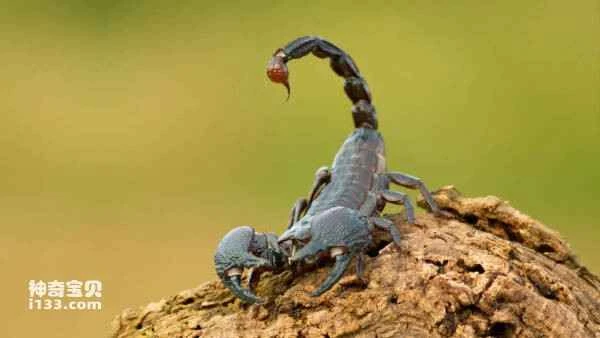
The median lethal dose (LD50) is a commonly used indicator in toxicology to describe the toxicity of a substance or radiation. According to the Medical Subject Headings (MeSH), LD50 is defined as "the dose of a harmful substance, toxic substance, or ionizing radiation that would kill half the population in a test study." This test was first proposed by J.W. Trevan in 1927.
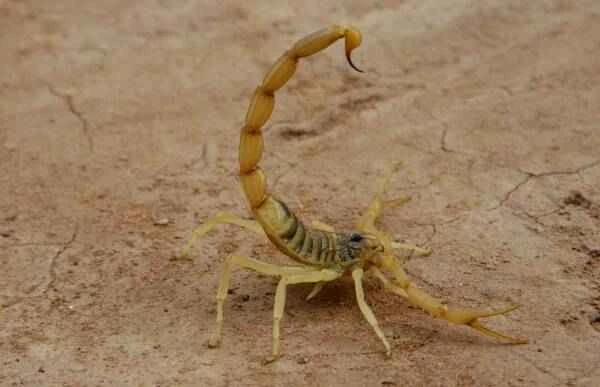
1. Israeli Golden Scorpion (Ld50 minimum value: 0.16mg/kg)
The Israeli golden scorpion, also known as the death walker, the Israeli killer scorpion, or the Palestinian scorpion, is a highly venomous scorpion originating from Israel. It is renowned for its ferocious behavior and dangerous venom. Although the Israeli golden scorpion ranks first in scorpion venom toxicity, its fatality rate is not high due to the relatively small amount of venom it injects. Records show that it has only killed the elderly and children; there are no documented cases of adults suffering fatal bites. However, it is essential to be aware of the presence of this scorpion when traveling to Israel and the surrounding areas.
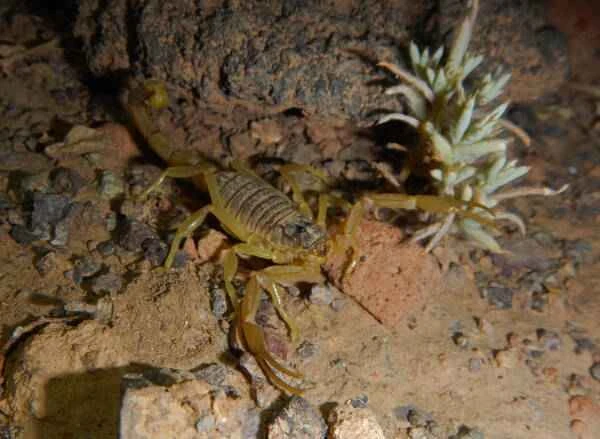
2. Greek toothed scorpion (Ld50 minimum value: 0.19mg/kg)
The Greek toothed scorpion is the second most venomous scorpion in the world, with a median lethality (LD50) of 0.19 mg/kg. In terms of toxicity, it is second only to the killer scorpion. However, the Greek toothed scorpion is far more dangerous than the Israeli golden scorpion, the world's most venomous scorpion, because it not only possesses potent venom but also an astonishingly high injection dose of venom. This scorpion is primarily found in Greece and has not yet been discovered in other countries around the world.
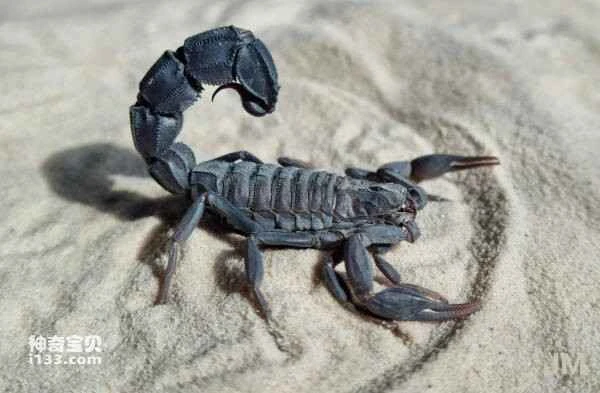
3. North African Black Fat-tailed Scorpion (Ld50 minimum value: 0.31 mg/kg)
The North African black fat-tailed scorpion, one of the world's ten most venomous scorpions, is extremely dangerous. Native to the arid desert regions of North Africa, adult individuals are approximately 10 to 13 centimeters in length. They are fierce and easily provoked, exhibiting aggression and often displaying aggressive behavior with their fangs and claws bared.
When disturbed, the North African black fat-tailed scorpion becomes more agile and ferocious than usual, and its venom becomes more lethal. Therefore, it is not recommended for beginners or young children to keep this scorpion as a pet. Furthermore, if they live in temperatures below 15 degrees Celsius for extended periods, it will not only affect their growth rate but may also cause them to stop eating or even die.
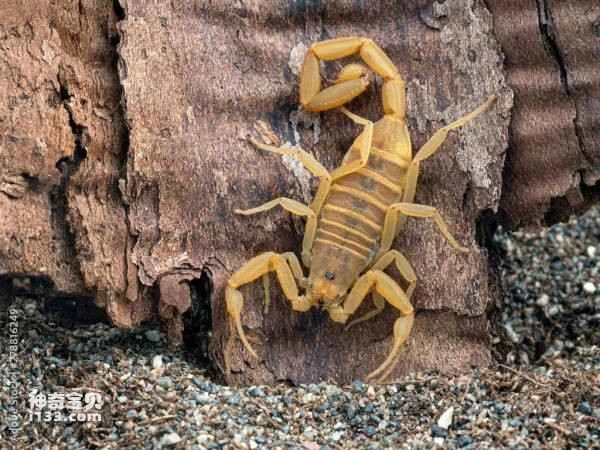
4. Mexican stinging scorpion (Ld50 minimum: 0.31 mg/kg)
The Mexican stinging scorpion, one of the ten deadliest scorpions, is one of the most venomous scorpions in Mexico and one of the most dangerous scorpions in Latin America. Its venom contains a highly lethal neurotoxin with the ability to attack sodium and potassium channels. This toxin can alter nerve and muscle function, leading to respiratory and cardiac failure. Mexican stinging scorpions are primarily found in arid and dry regions, in poor soil with sparse vegetation, especially sandy and rocky soils. They are sometimes found in human settlements. They have even been reported to be found at altitudes of up to 500 meters near sea level. Although the Mexican stinging scorpion is not large, its extremely potent venom is enough to kill an adult human.
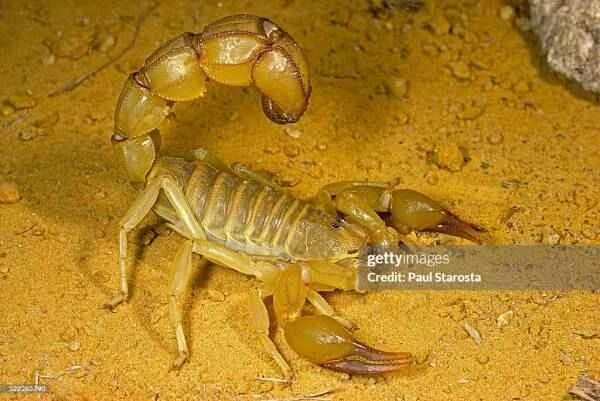
5. Yellow fat-tailed scorpion (LD50: 0.32 mg/kg)
The yellow-tailed scorpion, one of the top 10 deadliest scorpions, is named for its enormous and thick tail. It is widely distributed in North Africa, including Algeria, Chad, Libya, Egypt, Mauritania, Somalia, Sudan, and Tunisia, as well as West Asia, including Israel, Saudi Arabia, Yemen, and Pakistan. This scorpion is inherently ferocious, actively attacking and killing any prey that approaches it. In its native habitat, there have been occasional cases of humans or animals dying from its bites. Therefore, if you wish to keep this highly venomous scorpion as a pet, you must be extremely careful and prioritize safety in both its management and feeding.
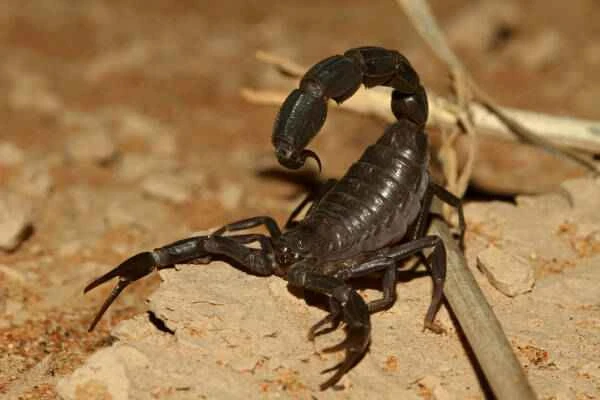
6. Turkish Black Fat-tailed Scorpion (Ld50 minimum: 0.40 mg/kg)
The Turkish Black Fat-tailed Scorpion, also known as the Arabian Black Fat-tailed Scorpion, is one of the most venomous scorpions in the world. Its name literally translates to "human killer." "άνδρας" means "human," and "κτείνειν" means "killed." The Latin word for "thick" or "fat" refers to a horse's tail, conveying the meaning of "fat tail." This scorpion possesses a huge and exaggerated tail, a glossy black body surface, and powerful chelicerae, giving it a unique and breathtaking beauty, displaying a domineering presence unmatched by other scorpions.
The terrifying aspect of the Turkish black fat-tailed scorpion is that it actively attacks humans and other animals, injecting far more venom than other scorpions. Its fatality rate can be as high as 50%.
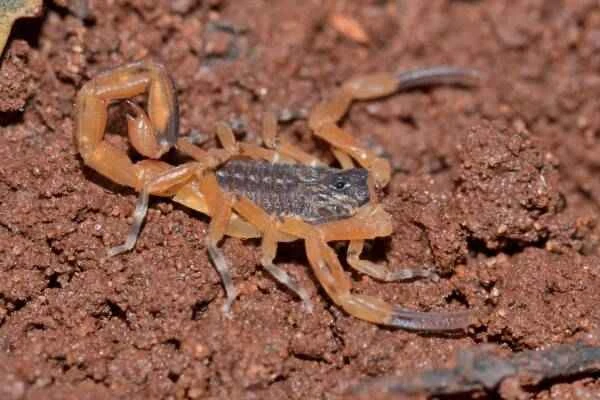
7. Brazilian yellow scorpion (Ld50 minimum value: 0.43mg/kg)
The Brazilian yellow scorpion is a venomous scorpion and one of the most dangerous scorpions in South America. Endemic to Brazil, it measures approximately 5 to 7 centimeters in length and is pale yellow or brownish-yellow in color with black stripes on its tail. It is mainly distributed in urban and rural areas of southeastern and central-western Brazil, preferring to inhabit garbage dumps, sewers, building crevices, and other places with frequent human activity.
The venom of the Brazilian yellow scorpion contains various neurotoxins and hemotoxins, the most important of which is tityustoxin (TTX), a potent toxin that blocks sodium ion channels in nerve and muscle cells. This toxin disrupts normal nerve and muscle function. Of particular concern is that the venom of the Brazilian yellow scorpion is especially dangerous for children and the elderly, as they are lighter and have relatively weaker immune systems.
Statistics show that hundreds of cases of stings by Brazilian yellow scorpions are treated in hospitals in Brazil each year, with dozens of people unfortunately dying, resulting in a mortality rate as high as 3%. This once again highlights the dangers of encountering Brazilian yellow scorpions.
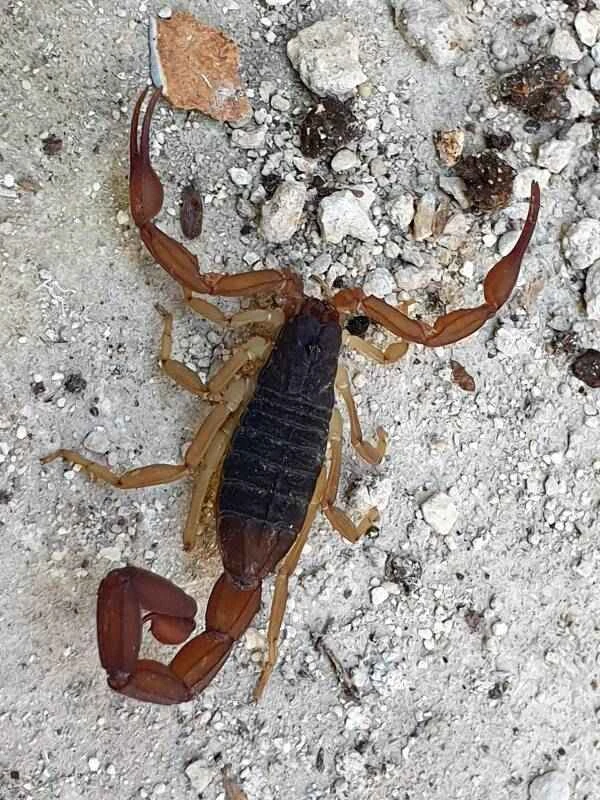
8. Mexican Red-tailed Scorpion (Ld50 minimum: 0.43 mg/kg)
The Mexican red-tailed scorpion is also among the top ten most venomous scorpions. This scorpion is highly venomous and widely distributed in South and Central America. It primarily inhabits tropical and subtropical regions, spending most of its time hiding under logs or decaying wood. Its excellent camouflage capabilities allow it to blend into the jungle landscape. The Mexican red-tailed scorpion is nocturnal, hunting and active, but it will launch a fierce attack if threatened. Its venom can kill anyone within 15 minutes.
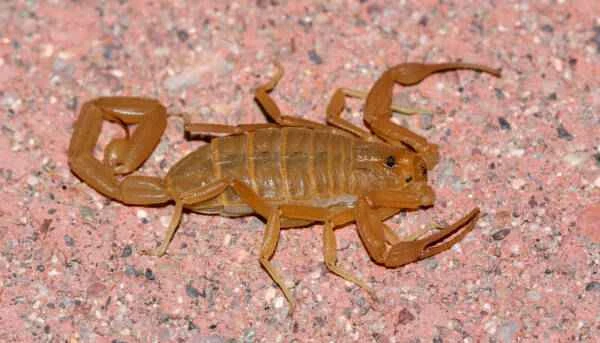
9. Mexican Statue Wood Scorpion (Ld50 minimum value: 0.69mg/kg)
The Mexican scorpion is also a well-known venomous scorpion, and its stings are widely considered fatal. Although more than 30 species of scorpions are found in the Americas, the Mexican scorpion is considered a true threat to life. This scorpion prefers humid air and warm environments and frequently appears in human settlements; trapped Mexican scorpions can be found in dark corners of sinks, bathtubs, closets, and storage rooms.
A sting from a Mexican scorpion statue can immediately cause pain, numbness, and tingling at the site of the injury. Both adults and children may experience difficulty breathing, often accompanied by excessive salivation. For children under six years old and individuals with high blood pressure, a sting from a Mexican scorpion statue can be fatal.
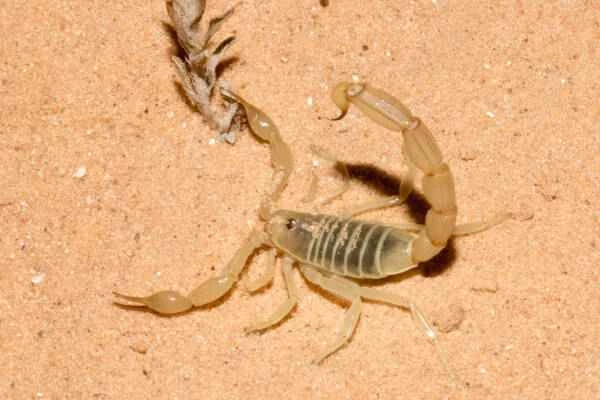
10. Libyan Golden Scorpion (Ld50 minimum value: 0.75mg/kg)
The Libyan golden scorpion is one of Libya's most famous venomous scorpions. They have a golden-yellow exterior and extremely potent venom, earning them the local name "Ainowika," meaning "Scorpion King." These scorpions primarily inhabit dry, well-ventilated environments, preferring to hide in moist nests, rocks, or burrows in hot conditions.
Libyan golden scorpions prefer to eat small crickets, spiders, and small to medium-sized insects, and sometimes even the carcasses of animals or large insects. They are ferocious and fast, but when faced with an enemy, they usually prefer to flee rather than attack.
This ranking of the world's 10 most venomous scorpions is primarily based on their venom toxicity and popularity, with additional reference to relevant online rankings and lists. Data is current as of November 6, 2023. If you have any questions, please feel free to comment or offer corrections at the end. This list is for reference only. If you have better suggestions for this ranking, please leave a message.