Dinosaurs were diverse and dominant terrestrial vertebrates that appeared during the Mesozoic Era, ruling over global terrestrial ecosystems for over 160 million years. If you want to learn about the world's most remarkable dinosaurs, be sure to read the following introduction.
1. Polarosaurus – the tallest and heaviest dinosaur in the world.
Sauropoda, which lived in Colorado, USA, belonged to the order Sauropsis and the group Sauropoda. Reaching a height of 17 meters when its head was raised, it was the tallest dinosaur in the world. Weighing up to 100 tons, it was the heaviest dinosaur in history. Sauropoda lived between 110 million and 100 million years ago, during the Aptian to Albian stages of the Early Cretaceous period. Its fossils consist of a humerus and several vertebrae.
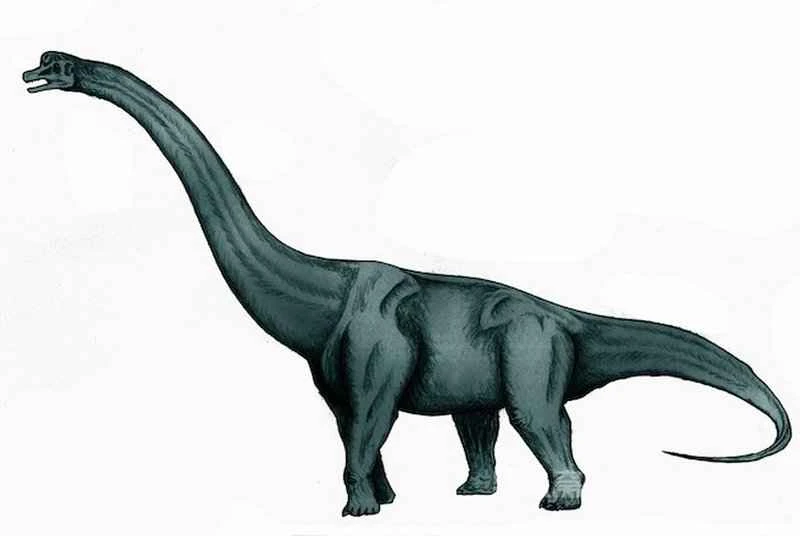
2. Seismosaurus – the longest dinosaur in the world
Seismosaurus, meaning "earth-shaking lizard," was the longest dinosaur in the world, exceeding 40 meters in length. It was one of the larger herbivorous dinosaurs, living during the Late Jurassic period. It was one of the largest herbivorous dinosaurs. Seismosaurus was initially considered a separate genus.
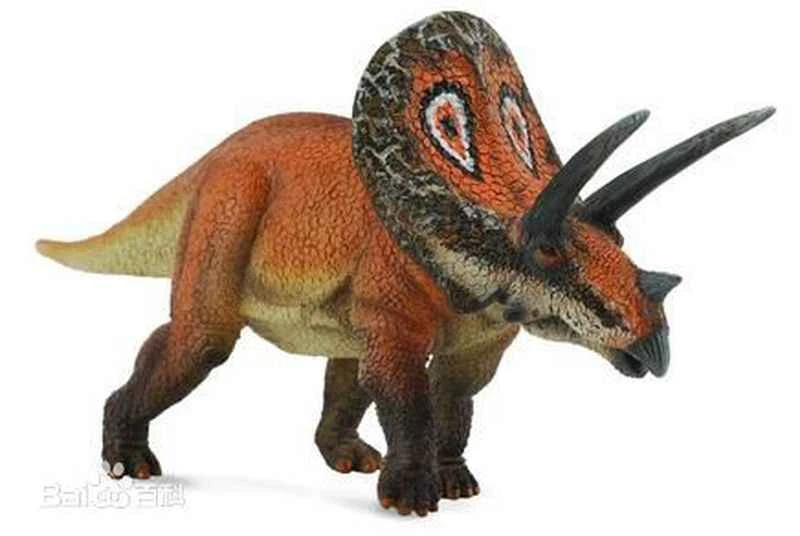
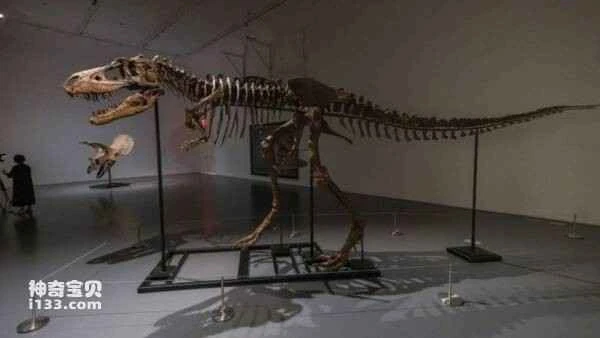
3. Triceratops – the dinosaur with the largest skull in the world.
Ceratopsus was a herbivorous dinosaur from the Late Cretaceous period, belonging to the ceratopsian family. It is best known for its enormous skull, the Latin name meaning "giant reptile." Ceratopsus has the largest skull of any dinosaur in the world, measuring 2.7 meters, the longest known skull of any land animal.
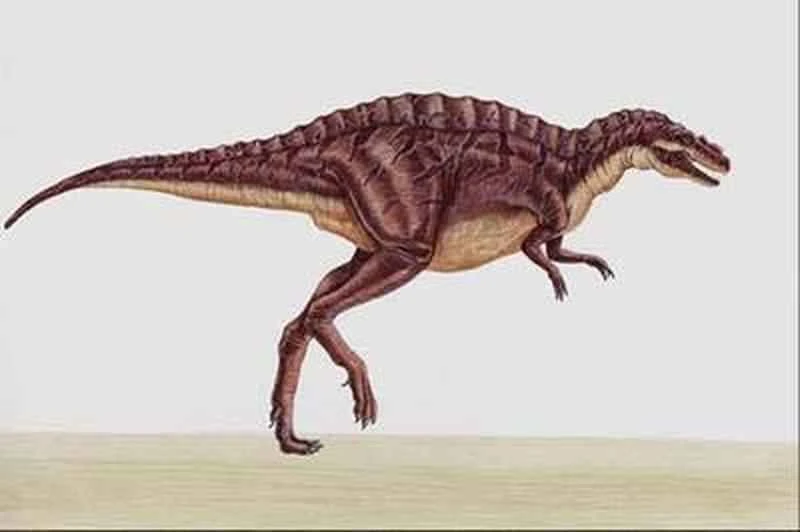
4. High-altitude Saurus – The dinosaur with the largest eggs in the world.
Acrocanthopaedos, also known as High-spined Dragon, Multi-spined Dragon, or Acrocanthopaedos, meaning "spiny lizard," is a genus of sauropod dinosaur belonging to the family Carcharodontosauridae within the superfamily Allosauridae. It lived in Canada during the Early Cretaceous period, approximately 120 to 108 million years ago. Acrocanthopaedos had the largest eggs of any dinosaur in the world—30 centimeters long and 25 centimeters in diameter, roughly the size of an ostrich egg.
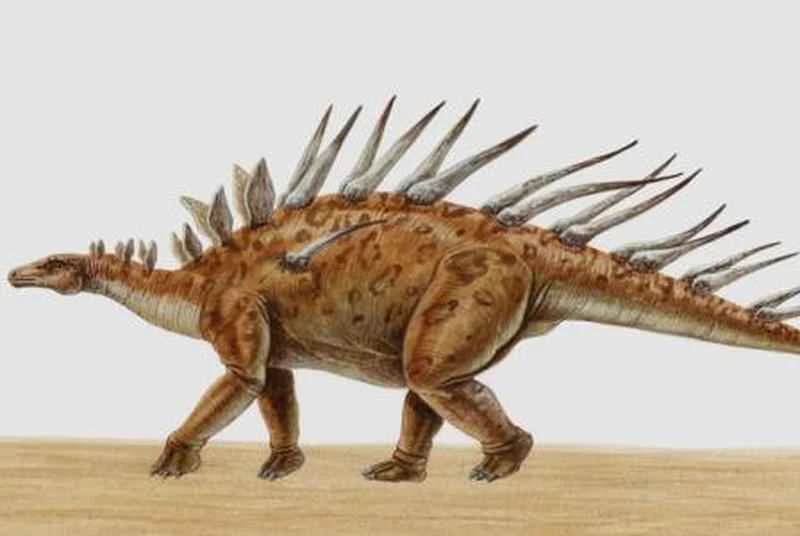
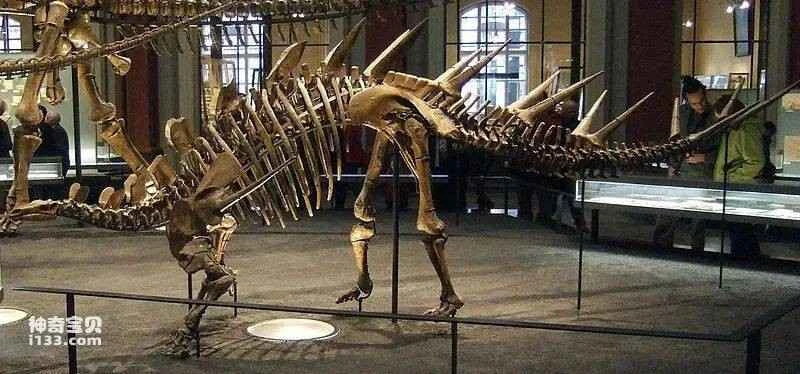
5. Stegosaurus – the dinosaur with the smallest brain in the world.
Stegosaurus was a giant herbivorous dinosaur that lived during the Late Jurassic period. It had a row of large bony plates on its back and a dangerous tail with four sharp spikes to defend against predators. Stegosaurus had the smallest brain of any dinosaur in the world, weighing only 70 grams, which is 1/250,000 of its body weight (compared to 1/50 of a human's).
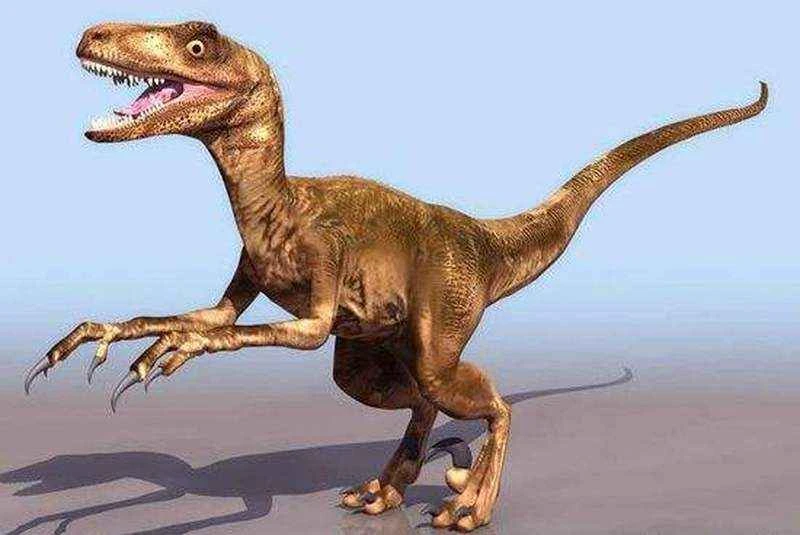
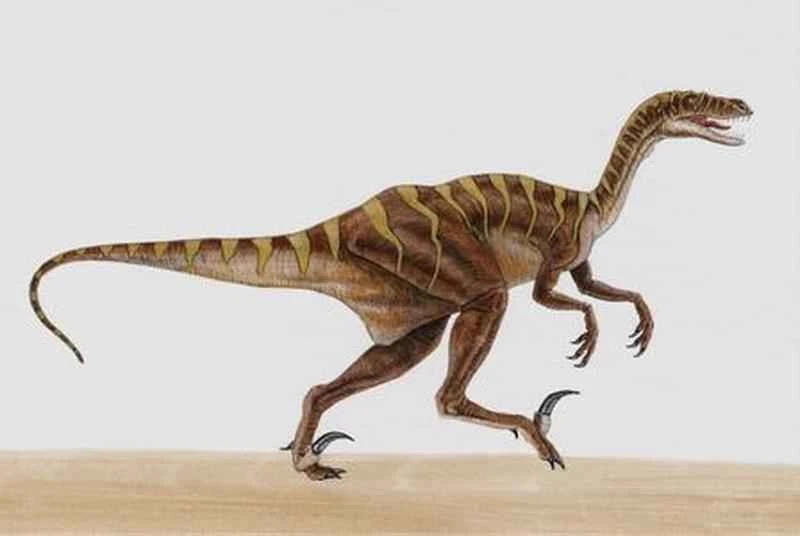
6. Dromaeosaurus – the dinosaur with the largest eyes in the world
The word "Dromaeosaur" means "swift lizard." Dromaeosaurs were a group of small, carnivorous or theropod dinosaurs, one of their most distinctive features being the sickle-shaped claw on their second toe. Dromaeosaurs also possessed the largest eyes of any dinosaur in the world, with eyes approximately 8 centimeters in diameter.
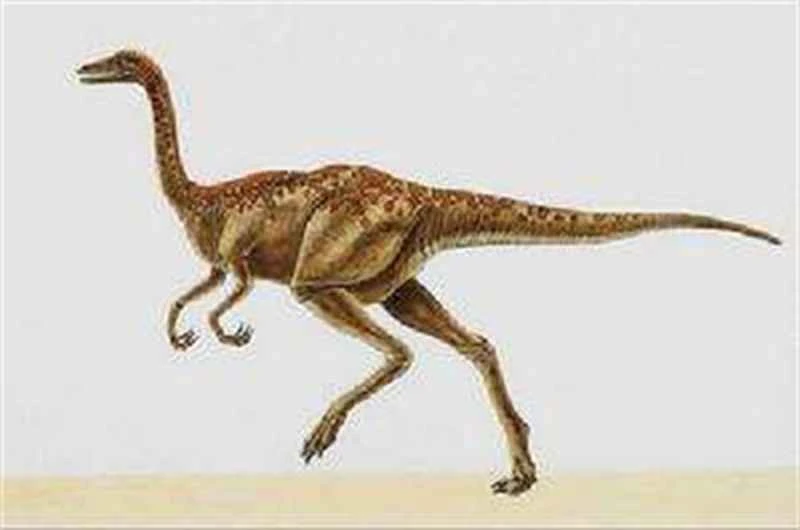
7. Ornithomimus – The most bird-like dinosaur in the world
Ornithomimus, meaning "bird imitator," is a genus of theropod dinosaur that lived in North America during the Late Cretaceous period. Ornithomimus is one of the most bird-like dinosaurs in the world, with a skull resembling that of a bird; some scientists believe it had feathers and could fly.
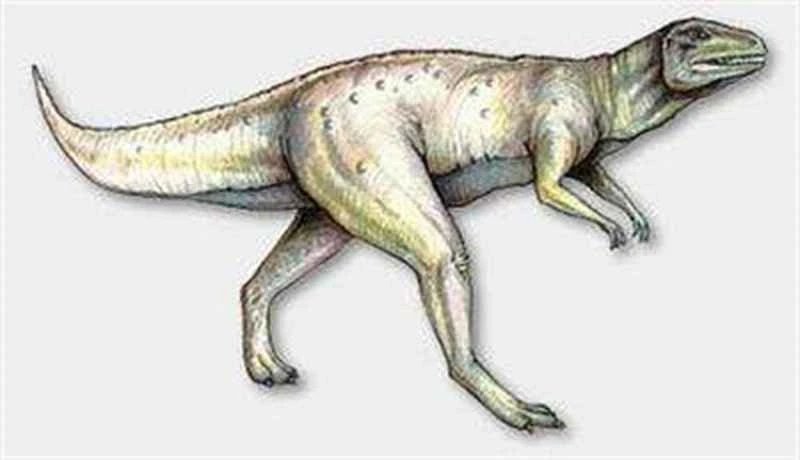
8. Megalosaurus – The most intelligent dinosaur in the world
Megalosaurus was the first dinosaur to be named, but it lived during the Jurassic period. Megalosaurus was a large quadruped, about 2.5 meters (8 feet 4 inches) long, with elephant-like legs, and walked in a semi-upright posture. It was one of the most intelligent dinosaurs in the world.
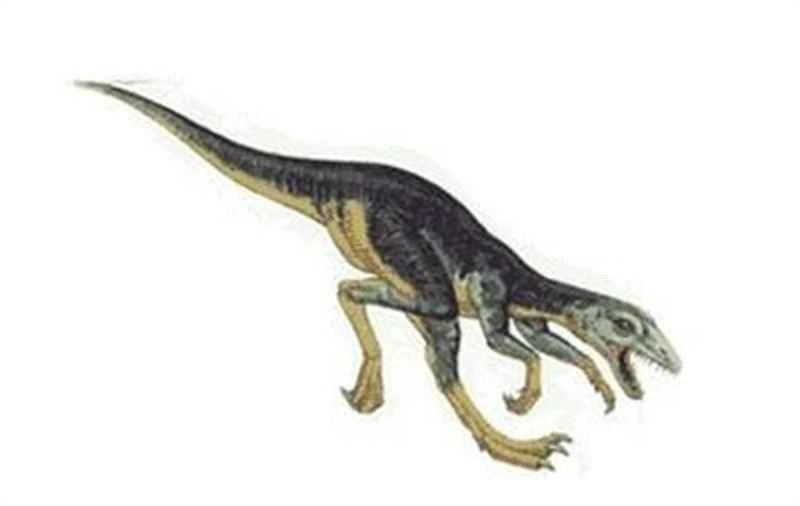
9. Compsognathus – the smallest dinosaur in the world
Compsognathus was a carnivorous dinosaur that lived during the Late Jurassic period, with fossils found in southern Germany and southern France. Compsognathus possessed keen eyesight and was a formidable hunter. It was the smallest dinosaur in the world, measuring only 1 meter in length and weighing 2.5 kilograms.