Snails are found almost all over the world, and different species vary in size. The giant African snail can grow up to 21 centimeters long, while wild species in northern regions are generally less than 9 centimeters. Because snails move slowly, they are often perceived as docile and harmless. However, this is not the case. This article introduces 10 of the world's most terrifying snails, including: freshwater snails, ground snails, giant African snails, scaly-foot snails, moon snails, assassin snails, and rose acorn snails. Let's learn about them together.
1. Freshwater snails (infected with schistosomiasis)
Among the top 10 deadliest snails, the well-known freshwater snail ranks first. These tiny snails feed on algae in the water and pose no direct threat to humans. However, the blood flukes that parasitize them are the real culprits. These blood flukes penetrate the snail's soft body, begin asexual reproduction, rapidly multiply within the snail's body, and eventually produce thousands or even tens of thousands of offspring.
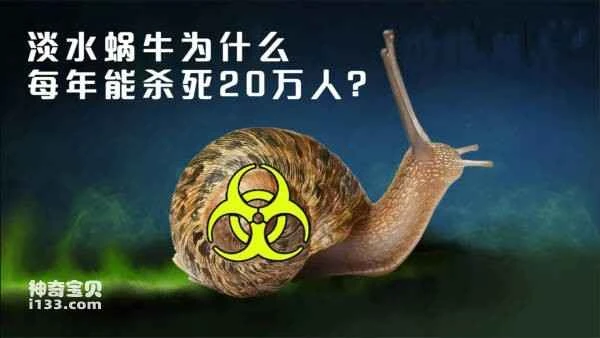
These schistosomes have the ability to penetrate human skin. Once they come into contact with a person, they take this opportunity to burrow into the skin and enter the bloodstream, thus causing schistosomiasis. Schistosomiasis is a serious parasitic infection.
2. Cone snail (its venom can be fatal)
The cone snail, also known as the chicken heart snail, is one of the most venomous snails in the world. Its pointed tip contains a tiny opening through which it can shoot out a deadly venomous needle, scientifically known as a "harpoon." The cone snail possesses a flexible "hyposurgical injector," connected to a venom-carrying vesicle inside its body, allowing it to rapidly inject the venom into its prey within seconds.
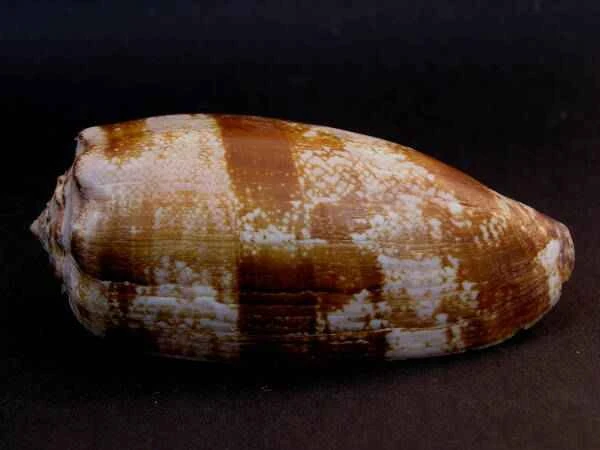
The venom of this snail is highly toxic. A sting can cause severe pain and ulceration at the site of the injury, while a serious sting can lead to cardiac arrest and death. Therefore, extreme caution must be exercised when handling ground snails to avoid injury. Extra care is needed when collecting live specimens to prevent being stung.
3. Giant African snail (transmits tuberculosis/meningitis)
The giant African snail is one of the deadliest snails and is widely considered a global agricultural pest. It has caused significant impact and harm to native species, the ecological environment, and the socio-economic situation in China. When fruits or vegetables are scarce in their habitat, giant African snails become extremely agitated and begin consuming various other "foods," including paint and mortar from buildings.
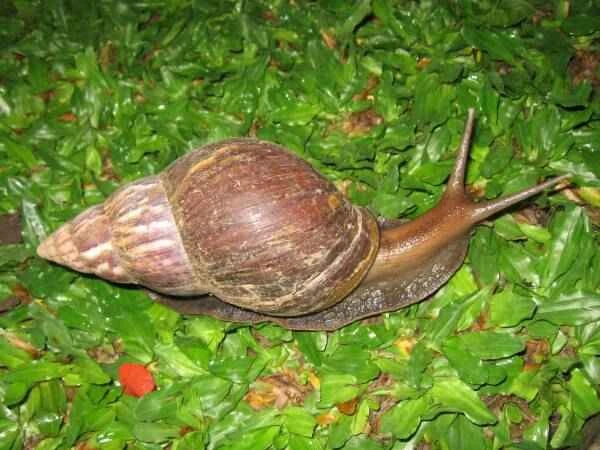
The giant African snail can damage more than 500 plant species, including crops, trees, fruit trees, vegetables, and flowers. This snail species also serves as an intermediate host for many human and animal parasites and pathogens, particularly potentially transmitting diseases such as tuberculosis and eosinophilic meningitis.
4. Scaled-foot snail (unique shell)
The scaly-foot snail is one of the most fearsome snails, possessing unique characteristics. Its shell is primarily composed of iron sulfides and is magnetic. These metallic elements mainly originate from underground geysers, and the snail absorbs the abundant mineral resources within these geysers to form a powerful, armored shell. This hard shell effectively protects it from predators.
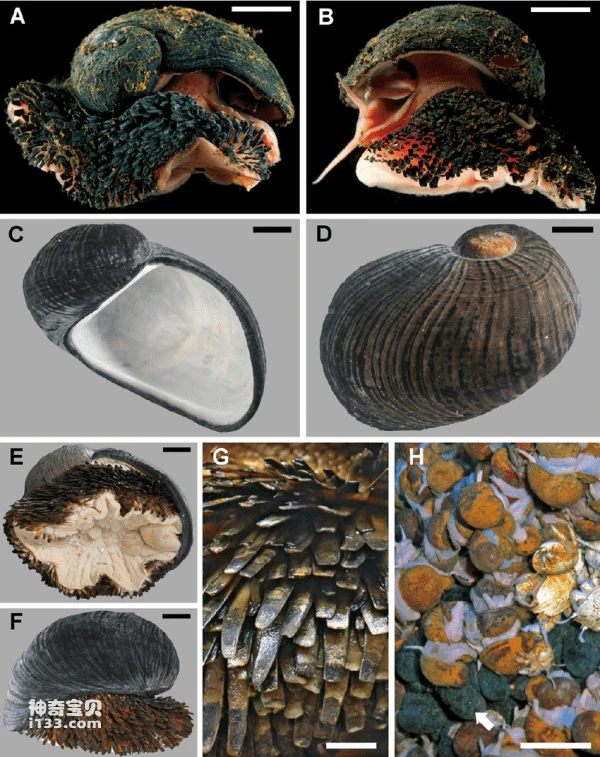
If predators threaten the scaly-foot snail, it can display formidable self-defense capabilities. It's said that you can try biting down on a piece of iron to get a rough idea of what would happen to any predators threatening the snail. Even the US military is studying these snails, hoping to gain insights into improving soldier armor design.
5. Moon Snail
The moon snail is one of the most ferocious snails, living in the Pacific Northwest. This snail's survival strategy primarily relies on burrowing into the shells of other mollusks. They possess large, fleshy tentacles used to grasp prey and prevent escape. Simultaneously, they use their powerful feet to constrict unfortunate prey, suffocating them.
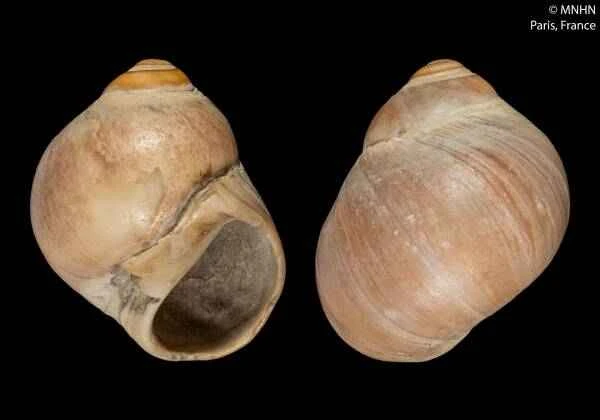
If this hunting strategy fails, moon snails possess other deadly weapons. At the end of their long snouts is a gland that secretes an acidic substance to soften the shells of their prey. This makes them powerful and ferocious predators, capable of overcoming harder shells and feeding on them.
6. Assassin Snail
When discussing the most fearsome snails, the assassin snail is undoubtedly one of them, especially compared to other snails. This snail has very unique characteristics in aquariums. Most aquarium snails feed on algae or plants, but the assassin snail is a carnivorous snail that preys on other snails. They act as cleaners in nature and are one of the only freshwater predatory snails. Therefore, this species is often used as a natural pest control method. If you have a pest problem in your aquarium, introducing these snails may be one of the best options for getting rid of pests.
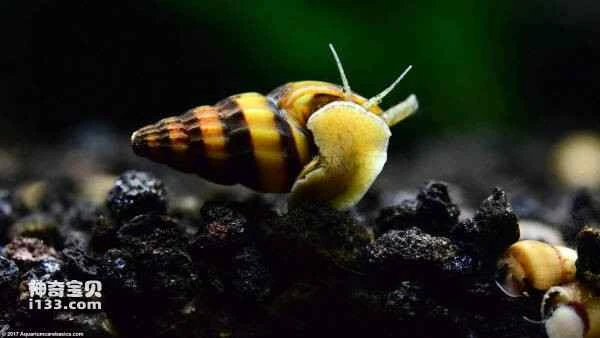
Assassin snails are known for their unique predatory habits, providing an effective and natural way to control pests in aquariums. They help maintain the ecological balance of the aquarium and eliminate harmful species among other snails. Although they are considered a fearsome presence in the snail world, they are welcome scavengers in aquariums.
7. Rose acorn snail
The rose acorn snail, one of the ten most fearsome snails, is a species native to tropical North America that preys on other snails and slugs. This snail, which feeds on other snails and mollusks, was once introduced to control the invasive African giant snail population on Moorea Island in the Pacific Ocean. However, surprisingly, instead of controlling the African giant snail population, the rose acorn snail has instead posed a threat of extinction to the Polynesian snail.
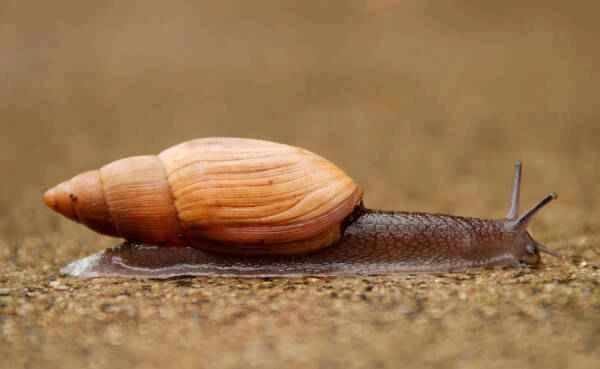
Due to its harmfulness, the Ministry of Agriculture and Rural Affairs of my country has included the rose acorn snail in the "List of Quarantine Pests of Plants Entering the People's Republic of China". This indicates that we are highly vigilant about the introduction and control of this species and have taken corresponding quarantine measures to protect the safety of native plants and the ecological environment.
8. Carnivorous snails
While it's not uncommon for snails to prey on their own kind, this carnivorous snail from the Capes Ranges in New South Wales, Australia, stands out. Primarily feeding on herbivorous snails, it also consumes slugs, worms, and insects, making it the only species in the region to hunt other herbivorous terrestrial snails. Furthermore, this snail is not only enormous but also remarkably long-lived, with a lifespan exceeding 20 years.
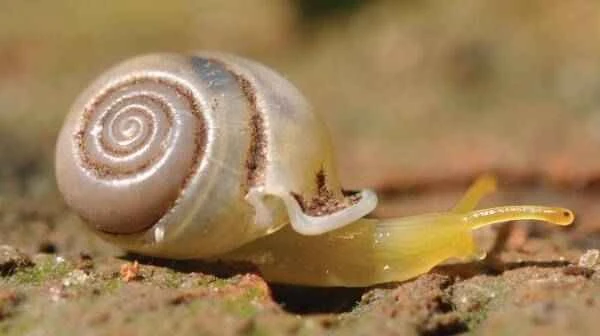
The carnivorous snails of the Capes Ranges in Australia exhibit remarkable adaptations in their hunting methods. They feed on herbivorous snails, disrupting the balance of interdependence among their own kind. Furthermore, they prey on other small terrestrial organisms, including slugs, worms, and insects. These snails are relatively large and long-lived, and their lifestyle plays a unique ecological role in the region.
9. Worms and snails
The worm snail gets its name from its long, slender shell, which resembles a worm and secretes chains of mucus several meters long. From its juvenile stage, its shell begins to grow a long, tubular structure with coils, allowing it to anchor itself to rocks. Another peculiar characteristic of the worm snail is that, unlike other snails that move slowly, it appears completely "still," showing no signs of movement.
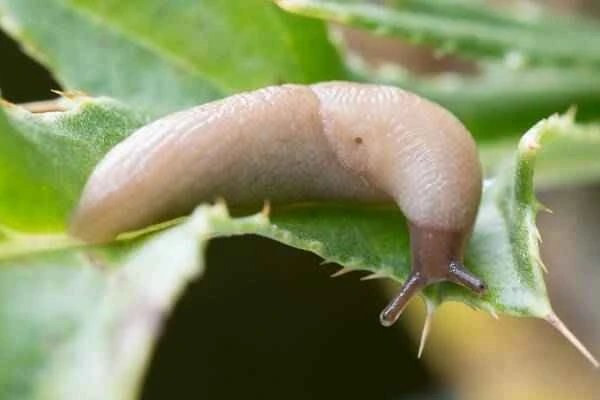
The worm snail gets its name from its distinctive appearance and behavior. They closely resemble worms and secrete long chains of mucus. As juveniles, worm snails begin to grow a coiled tubular structure on their shells, which they use to anchor themselves to rocks. Furthermore, unlike other snails that move slowly, worm snails appear completely still, showing no signs of movement.
10. Punk Snail
This snail gets its name from the "punk head" shape of its shell. Its body is covered in tiny, sharp spines, giving it a long, wide appearance, and from a distance, it resembles a sea urchin. These snails are typically found at depths of 1000 meters (3500 feet) near deep-sea hydrothermal vents, where their bodies are completely covered in fine spines with only tiny gaps. Because they live near deep-sea volcanoes, they are rarely encountered by the average person.

This snail is known for its unique shell shape and is nicknamed "Punk Head." Its body is covered in tiny, sharp spines, giving it a long, wide appearance, and from a distance, it resembles a sea urchin. These snails primarily inhabit depths of 1000 meters (3500 feet) near deep-sea hydrothermal vents, living in a tightly packed enclosure of spines with very little space. Because their habitat is near deep-sea volcanoes, it is extremely rare for ordinary people to encounter them.
The list of the 10 most terrifying snails in the world is based on their toxicity, parasites, and popularity, and also takes into account relevant internet rankings and lists. The data is current as of November 5, 2023. If you have any questions, please feel free to comment or offer criticism at the end.