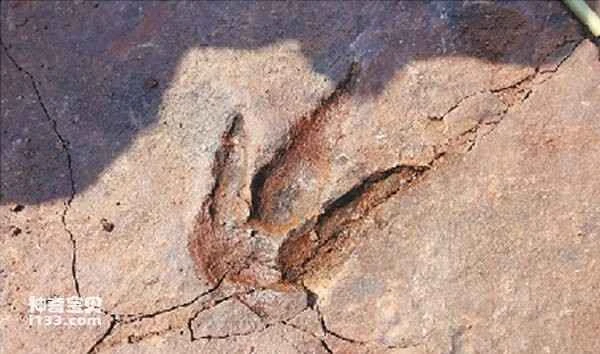
Dinosaurs were a diverse group of terrestrial animals that appeared during the Mesozoic Era, and are among the most well-known ancient creatures in human knowledge. They first appeared in the Triassic period, 230 million years ago, and dominated global terrestrial ecosystems for 140 million years during the Jurassic and Cretaceous periods, also venturing into the skies and oceans. There are many different hypotheses about the cause of their extinction. This article will introduce 10 of the most widely accepted hypotheses about the mystery of dinosaur extinction. These hypotheses include continental drift, climate change, meteorite impact, volcanic eruptions, angiosperm poisoning, species competition, ocean ebb, and geomagnetic changes, among others. Let's take a look!
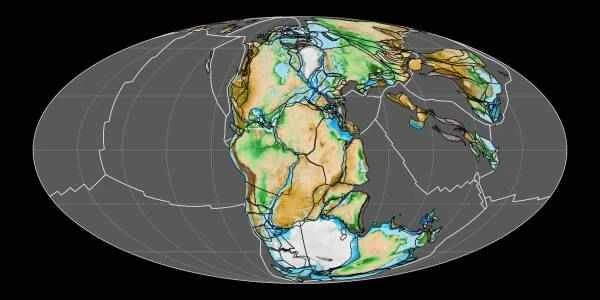
1. Continental Drift Theory
Geological studies indicate that during the age of dinosaurs, there was only one giant continent on Earth, known as Pangaea. However, due to crustal changes, this continent underwent massive fracturing and drifting during the Jurassic period, leading to dramatic changes in the environment and climate, ultimately resulting in the extinction of the dinosaurs.
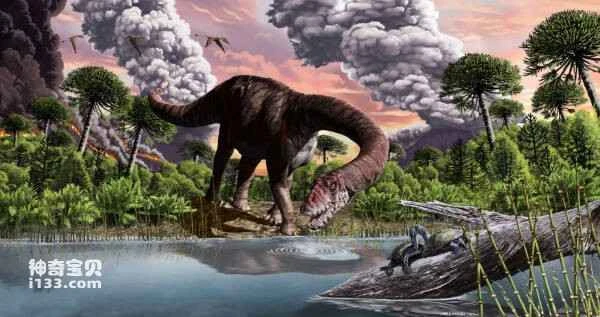
2. Climate Change Theory
Around 65 million years ago, Earth experienced drastic climate change, leading to a sharp drop in temperature and a decrease in atmospheric oxygen levels, posing a significant challenge to the survival of dinosaurs. Another theory suggests that dinosaurs, being cold-blooded animals, lacked fur or other insulating organs and were therefore unable to adapt to the sudden drop in Earth's temperature, ultimately succumbing to the cold and freezing to death.
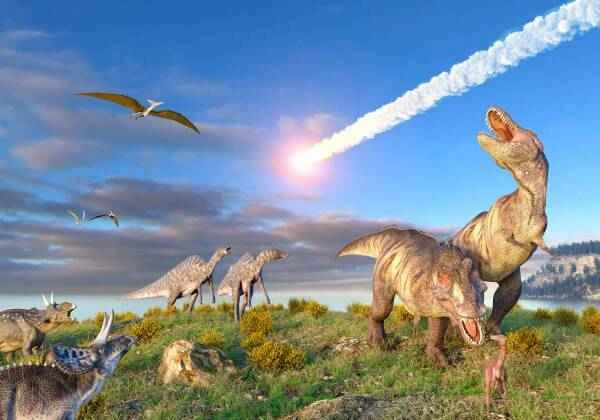
3. Meteorite impact theory
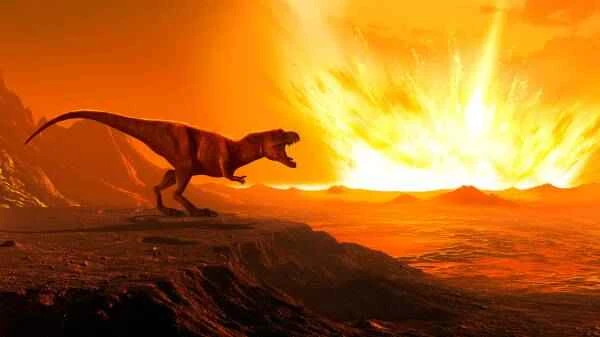
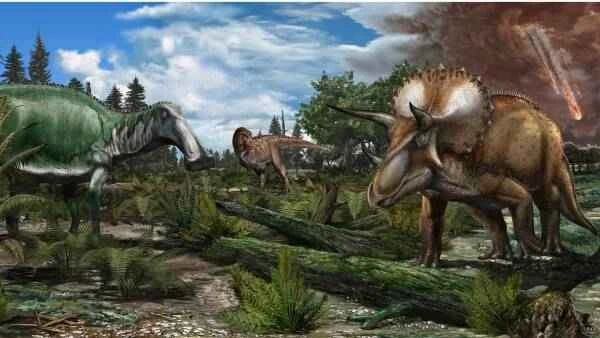
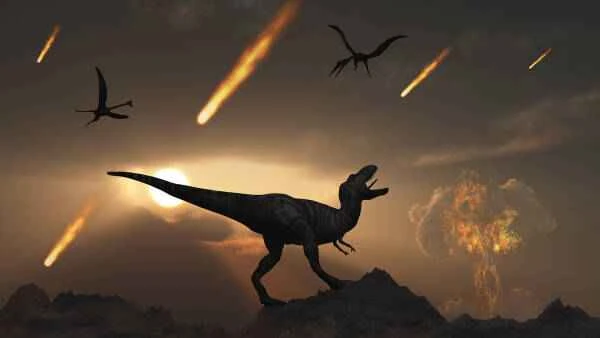
The dominant hypothesis suggests a close link between the extinction of dinosaurs and a meteorite impact. It is believed that approximately 65 million years ago, an asteroid about 10 kilometers in diameter, roughly the size of a medium-sized city, struck the Earth. It created a massive crater and released vast amounts of ash, causing polar ice caps to melt and vegetation to collapse. Volcanic ash blocked sunlight, temperatures plummeted, rainfall intensified, and flash floods and mudslides swept away and buried the dinosaurs. For months or even years, the sky remained shrouded in dust and clouds, and the Earth's climate grew colder due to the prolonged lack of sunlight. This drastic environmental change made it difficult for the dinosaurs to adapt, leading to their eventual demise and marking the end of the dinosaur era.
4. Volcanic eruption theory
The volcanic eruption released large amounts of carbon dioxide into the atmosphere, triggering a severe greenhouse effect and causing mass plant deaths. Simultaneously, the eruption also damaged the ozone layer, allowing harmful ultraviolet radiation to reach the Earth's surface, devastating dinosaurs and other organisms. Furthermore, the eruption may have triggered the intense acid rains of the late Cretaceous period, dissolving trace elements in the soil. Dinosaurs ingested these harmful substances directly or indirectly through drinking water and food, suffering acute or chronic poisoning and dying off in droves.
5. The theory of angiosperm poisoning
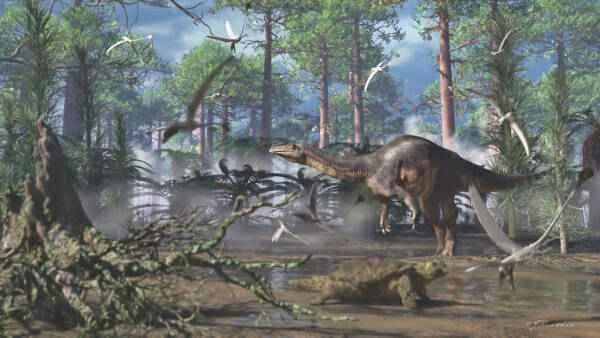
Towards the end of the dinosaur era, gymnosperms gradually decreased and were replaced by a large number of angiosperms. These angiosperms contained toxins not found in gymnosperms. Due to their enormous size and voracious appetite, dinosaurs ingested large quantities of angiosperms, leading to an excessive accumulation of toxins in their bodies, ultimately causing them to die from poisoning.
6. The theory of species competition
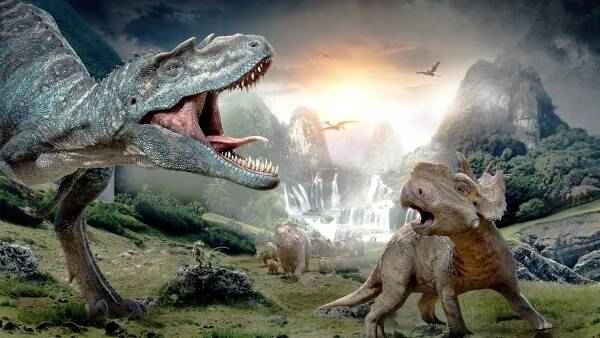
Towards the end of the dinosaur era, the first small mammals appeared. These animals were carnivorous rodents and likely fed on dinosaur eggs. With few natural predators, their numbers increased rapidly, eventually leading to the depletion of dinosaur eggs. Another theory suggests that with the rapid increase in dinosaur numbers and limited plant resources, herbivorous dinosaurs went extinct. Carnivorous dinosaurs, lacking food, became aggressive and engaged in cannibalism, leading to their extinction.
7. The theory of ocean ebb tide
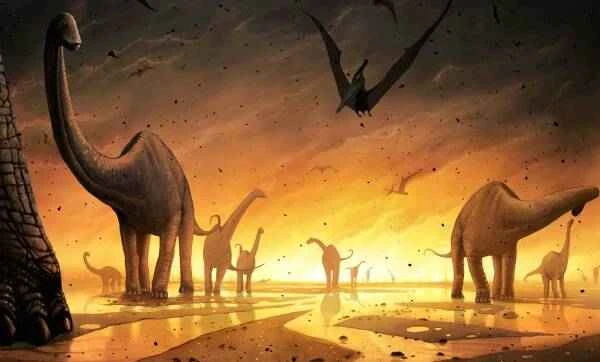
Some scientists believe that when the ocean recedes, landmasses come into contact, allowing previously unconnected organisms to interact. This phenomenon alters the food chain and may also lead to the spread of new diseases or parasites, resulting in the extinction of some species. For example, kangaroos survived on island continents like Oceania, but faced extinction when they encountered other predators on the South American continent. Similarly, dinosaurs may have also faced invasions of previously unseen creatures, diseases, and parasites due to receding tides, ultimately leading to their extinction.
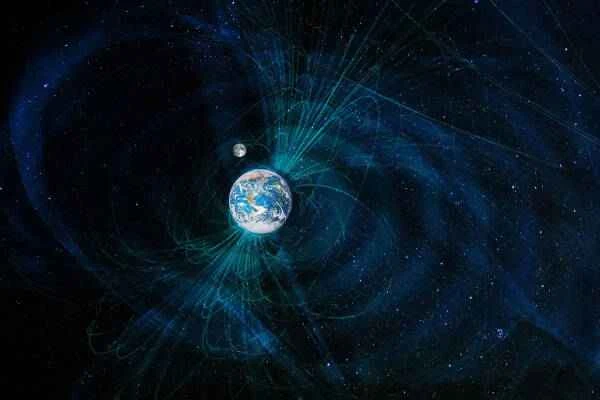
8. The theory of geomagnetic changes
Modern biology proposes a link between the death of some organisms and magnetic fields. Those organisms more sensitive to magnetic fields may face extinction when the Earth's magnetic field changes. Therefore, it can be inferred that the extinction of dinosaurs may be closely related to changes in the Earth's magnetic field.

9. The theory of species aging
Dinosaurs existed on Earth for over 160 million years, which meant their bodies had reached the limits of evolution, but their brains did not evolve accordingly. The overpopulation of these enormous creatures led to relentless competition for survival, ultimately causing their extinction. Therefore, some argue that natural disasters were merely external causes of dinosaur extinction, while the true internal cause was that dinosaurs had reached their evolutionary limits and could no longer produce individuals adapted to new environments.
10. Epidemiological Theory
At the end of the Cretaceous period, some scientists speculate that, for some reason (possibly a catastrophic event), a variety of new pathogens suddenly appeared on Earth, capable of overcoming the defense systems of most animals. This led to a massive outbreak of diseases, causing many animals with weak immune systems, such as dinosaurs, to go extinct. As a result, only some cold-blooded species with strong natural defense systems survived, while warm-blooded birds and mammals, with their sophisticated and efficient immune systems, were more likely to escape the calamity. They emerged in the subsequent Cenozoic era and became the new dominant species on Earth.
There are actually far more hypotheses about the extinction of dinosaurs than those mentioned above. However, these hypotheses have considerable support in the scientific community. Of course, each theory has its shortcomings. For example, the "climate change theory" does not explain the specific causes of climate change. Research has found that some small theropods were capable of competing with early small mammals, which exposes the inadequacy of the "species competition theory." In modern geology, the "continental drift theory" itself remains a hypothesis. The "angiosperm poisoning theory" and the "acid rain theory" also lack sufficient supporting evidence. Therefore, we need to further investigate the true cause of the extinction of dinosaurs.