There are approximately 3,500 known species of snakes worldwide. Some of these species may have very large populations, while others may be threatened or endangered. According to the *Fauna Sinica*, my country has about 340 snake species, distributed in different ecological environments. Snakes are a type of reptile, generally divided into two main categories: venomous snakes and non-venomous snakes. They have long, slender bodies, no limbs, and move by contracting and extending their bodies. Snakes have a strong ability to adapt and can survive and reproduce in different ecological environments. Do you know which country has the most venomous snakes in the world? Do you know what the most peculiar snake is? This article will list some of the world's most remarkable snakes, giving you a better understanding of snakes.
1. The world's most venomous snake
The Belcher's sea snake, also known as the "Belcher's sea snake" or "White-lipped sea snake," is one of the most venomous snakes in the world and the largest known sea snake. It is distributed in the Indian Ocean and the western Pacific Ocean, primarily inhabiting coral reefs, shallow waters, and the intertidal zone. Belcher's sea snakes typically grow to 1-1.5 meters in length, with some reaching up to 2.3 meters. Their distinctive features include a round head, a slender body, striking black and white stripes, and a flat tail. They are the only sea snake capable of drinking seawater because they possess highly specialized kidneys and salt glands that help filter salt from the seawater.
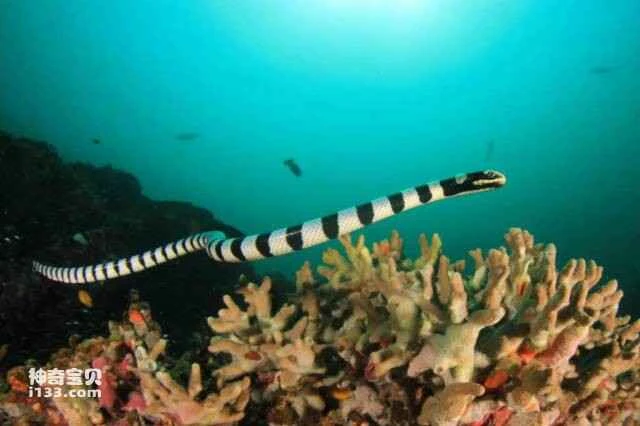
Belcher's sea snake possesses extremely potent venom containing a neurotoxin that can rapidly cause respiratory arrest and cardiac failure, making it one of the most venomous animals in the world. However, due to its docile nature and relatively low aggression towards humans, Belcher's sea snakes are considered one of the safer marine creatures. Nevertheless, caution is still advised, and contact with wild animals should be avoided. If you are swimming or diving within Belcher's sea snake's habitat, ensure you have detailed information about the species and take necessary precautions to prevent potential bites, as advised by professionals.
2. The world's largest snake
The Amazonian anaconda is a very large python, also known as the green anaconda or Amazonian python. They are among the heaviest snakes in the world, reaching lengths of up to 9 meters and weighing up to 250 kilograms. Amazonian anacondas have relatively small heads, stout and rounded bodies, powerful tails, and flattened heads. They are distributed throughout most of South America, primarily inhabiting swamps, rivers, and lakes. They feed on aquatic animals, including fish, birds, mammals, and reptiles. Amazonian anacondas are carnivorous, using their jaws to drown their prey before swallowing them whole. Due to their enormous size, Amazonian anacondas are a highly regarded and protected species. They are also a popular subject for wildlife photography and zoo exhibits.

3. The most expensive snake
The blue snake, also known as the blue-blooded snake, generally refers to a blue-spotted green tree python, and is the most expensive snake in the world. It is a blue mutation of the green tree python, a non-venomous variant. This extremely rare mutation can fetch close to $500,000 (approximately 3.5 million RMB) for an adult, and is highly sought after but rarely found. Due to its high value, it is frequently hunted by criminals, prompting relevant countries to strengthen protection and maintain its biodiversity. Distributed in the rainforests of Indonesia, New Guinea, and Australia, the blue snake is covered in numerous blue spots, which increase and expand with each molt, making it both beautiful and eerie.
4. The most aggressive snake
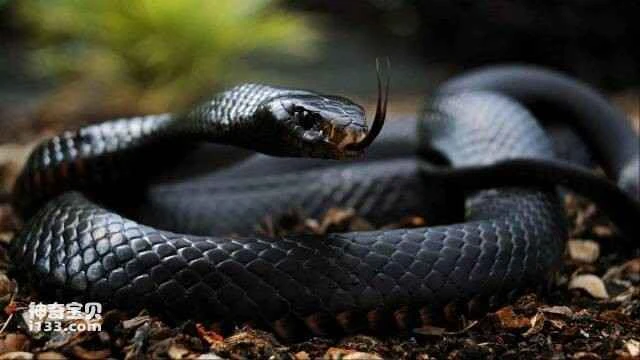
The black mamba is one of the most dangerous snakes in Africa and one of the fastest and most powerful snakes in the world. It gets its name from its jet-black skin and wide-open mouth. In the wild, black mambas can live up to 20 years and are considered highly intelligent snakes. Black mambas average 3.5 meters in length, with some reaching 4.5 meters. They primarily inhabit the dry and barren grasslands, scrublands, riverbanks, deserts, and rocky areas of sub-Saharan Africa. Black mambas are very sensitive and easily irritated snakes; if startled or threatened, they will immediately attack and bite.
Black mambas have long teeth that can easily pierce human skin and muscle. Their venom contains neurotoxins and cardiotoxins, causing respiratory failure, slowed heartbeat, and even death. Moreover, the amount of venom a black mamba injects is so large that it can kill an adult within minutes. Therefore, if you are traveling or working in Africa, you should avoid contact with black mambas and remain vigilant to prevent accidents.
5. The fastest crawling snake
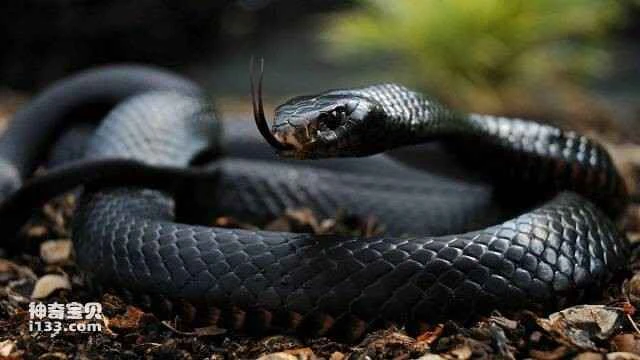
The fastest snake in the world is the African black mamba. They can reach speeds of 12 miles per hour (19.3 kilometers per hour) and maintain them for several minutes, which is quite astonishing. This speed helps them quickly escape potential threats in the wild or chase slower animals when pursuing prey.
Besides the black mamba, many other snakes possess astonishing climbing speeds. The Indian cobra, one of Asia's most famous cobra species, can reach speeds of up to 8 miles per hour (13 kilometers per hour). Other snakes with fast climbing abilities include the banded krait, rattlesnake, and rock python. It is important to remain vigilant and keep your distance from any snake you encounter in the wild to avoid accidents.
6. The snake with the largest venom output
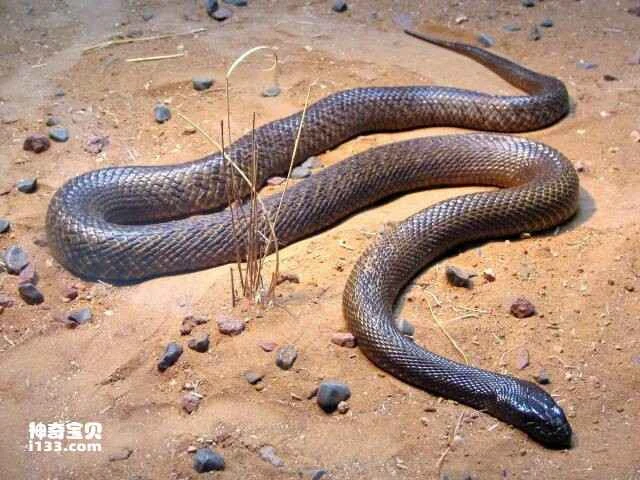
The snake with the highest venom yield refers to the snake that releases the most venom in a single bite. There are two answers here, one for land snakes and the other for aquatic snakes. For land snakes, the Australian taipan is considered one of the most venomous and highest-venom-yielding snakes in the world. It has been reported that in a single attack, the inland taipan can release a lethal amount of venom, up to 110 milligrams. The venom of the inland taipan primarily contains neurotoxins and hemagglutinins, which can rapidly lead to symptoms such as respiratory failure and bleeding. For aquatic snakes, some species of sea snakes may have even higher venom yields. For example, the Thai sea snake has been reported to release more than 8 milliliters of venom in a single attack, and its venom is extremely potent. However, due to the attack behavior and difficulty in studying aquatic snakes, it is difficult to fully understand their venom yield.
7. The snake with the most peculiar appearance
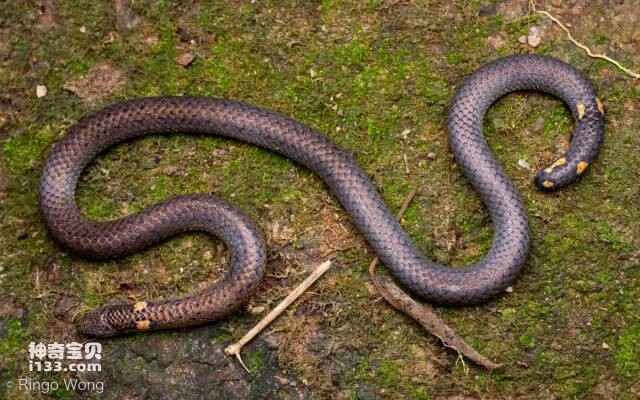
The most unusual-looking snake is the two-headed snake, a variant or deformity. Normally, a snake has only one head and one body, but in rare cases, two heads appear, failing to completely separate during development. The most common species of two-headed snake is the king snake. They usually hatch from eggs rather than being found in the wild. Although two-headed snakes look unusual, they are not necessarily more dangerous or aggressive than ordinary snakes. In fact, many two-headed snakes are quite weak, and the presence of two heads can easily lead to various health problems such as movement disorders and digestive issues, making it difficult for them to survive in the wild. However, under captive conditions, they can receive excellent care and treatment, and many two-headed snakes are frequently displayed or exhibited.
8. The strangest snake
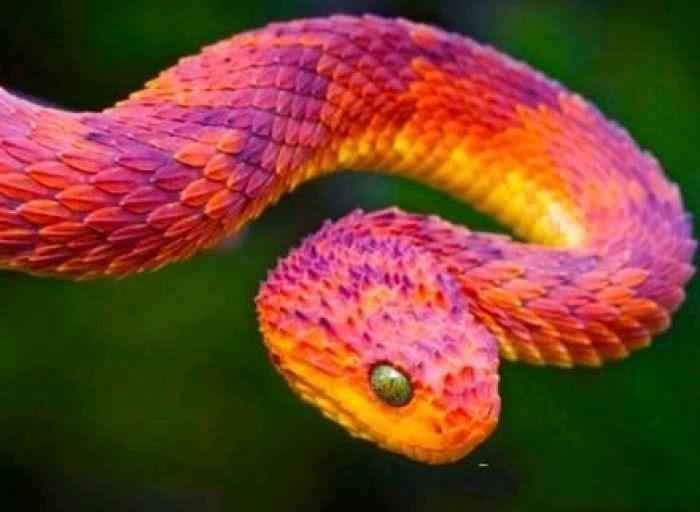
The fragrant snake is known as one of the most peculiar snakes. Its body emits a fragrance that repels insects and mosquitoes. Even more interestingly, the fragrant snake can coil its body into a beautiful "pattern," which locals use to create decorative snake-shaped window frames by applying glue to the snake's body. Because of this unique characteristic, local women use the fragrant snake to make earrings. When captured, it becomes motionless, its body shrinks starting from the tail, and its fragrance gradually fades. The women then abandon it and hunt other fragrant snakes, by which time the snakes are already on the verge of death. Once freed, they diligently absorb water and food, slowly recovering.
9. The longest snake
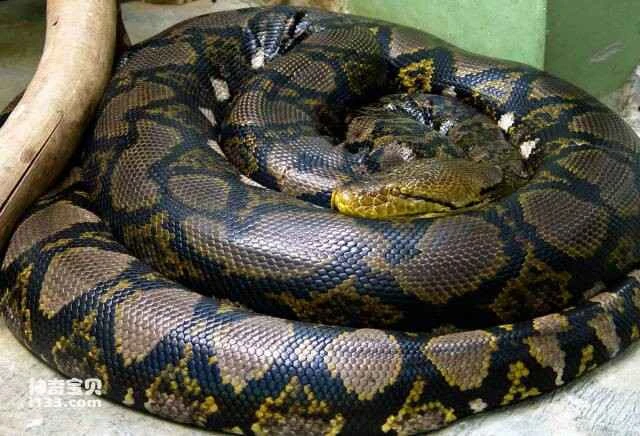
The reticulated python is one of the longest snakes in the world, primarily found in Southeast Asia. They typically inhabit environments such as rainforests, swamps, and grasslands. The reticulated python has a brown or gray body with black reticulated patterns, hence its name. Adult reticulated pythons can grow to 6-10 meters or even longer and weigh over 100 kilograms. They possess powerful muscles and sharp teeth, enabling them to prey on large mammals such as deer, wild boar, and monkeys, and can even swallow a crocodile whole.
Although reticulated pythons are non-venomous snakes, they still require careful handling. Due to their large size and powerful attacks, extreme caution must be exercised when approaching them to avoid injury. Reticulated pythons are protected animals in the wild, and their trade is restricted, but they are widely kept in captivity. However, due to their large size and the special environment and care required, they are not suitable as pets for the average snake enthusiast.
10. The most docile snake
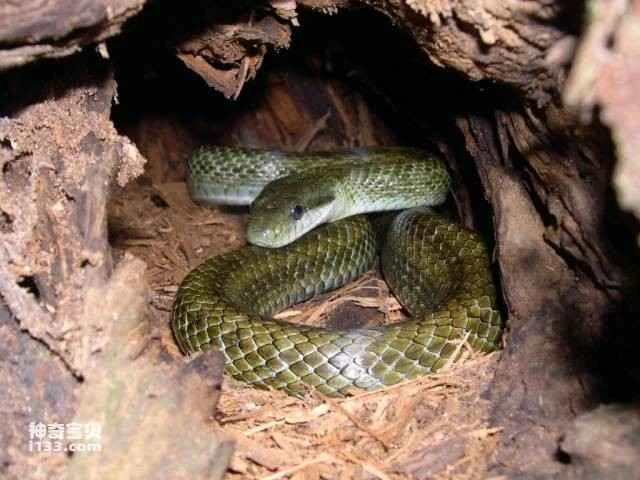
Rat snakes are a family and genus of non-venomous snakes, encompassing several species such as corn snakes, fox snakes, and tree snakes. They are typically small to medium-sized snakes, ranging in length from tens of centimeters to two or three meters. These snakes exhibit diverse body colors and patterns, but most are quite beautiful. For example, corn snakes have distinct black, orange, and red stripes; fox snakes are particularly popular because of the black triangle between their head and eyes; and tree snakes are a good choice for ornamental purposes due to their distinctive patterns.
In the wild, these snakes primarily feed on rodents and are also capable of climbing trees and swimming. They are generally docile and do not attack humans, making them a good first choice for beginners. In captivity, these snakes are relatively easy to tame and adaptable to different environments. They require appropriate temperature and humidity for healthy growth, especially during molting. It is important to note that although these snakes are non-venomous, they are still wild animals and should be handled with care. If you lack experience or understanding of their care and characteristics, you should carefully consider whether to keep them as pets.