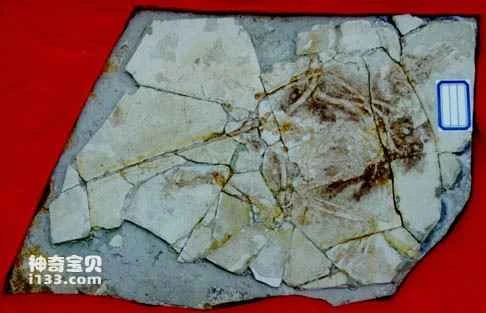
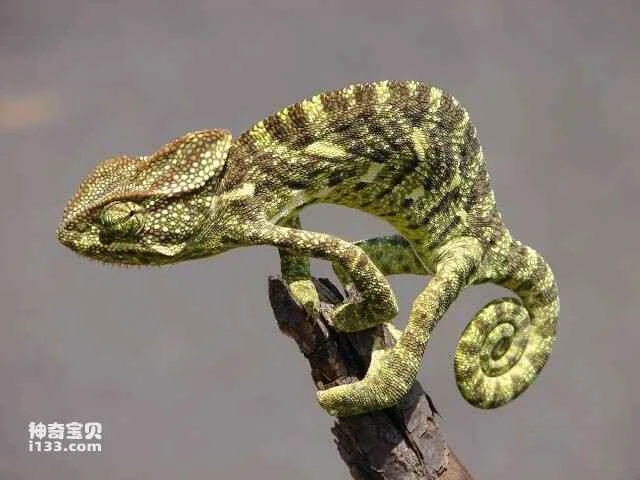
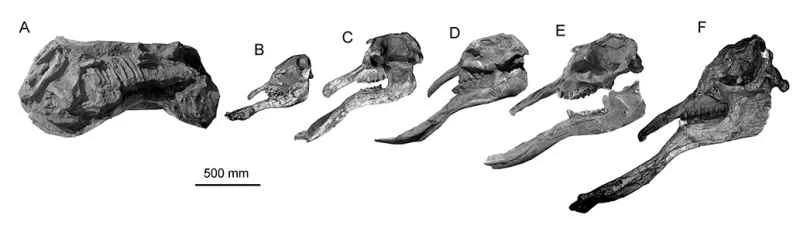
The dragon is a mythical creature, often depicted as a large, winged reptile, and is generally considered a symbol of fire. In many cultures, the dragon plays a significant role, seen as a symbol of power, wisdom, and good fortune. In Chinese culture, the dragon is one of the most common mythical beasts, regarded as a symbol of imperial power and the state. Traditionally, the dragon is seen as a representative of deities, emperors, and heroes, possessing immense power and extraordinary wisdom. Furthermore, in East Asian cultures, the dragon is also considered a symbol of rain, as it is believed to bring rain and irrigate farmland.
In European culture, dragons are often depicted as terrifying monsters, though some cultures view them as guardians or protectors. In medieval legends, warriors frequently battled dragons and attempted to seize their treasures. Overall, the dragon is a multifaceted figure, playing different roles and holding different meanings in different cultures and legends. There are many kinds of dragons. Do you know which were the most powerful dragons of ancient times? This article lists ten of the most powerful dragons of ancient times: Zhulong, Yinglong, Qinglong, Canglong, Qiu, Huolong, Heilong, Yulong, Yunlong, and Panlong. Let's explore their unique characteristics.
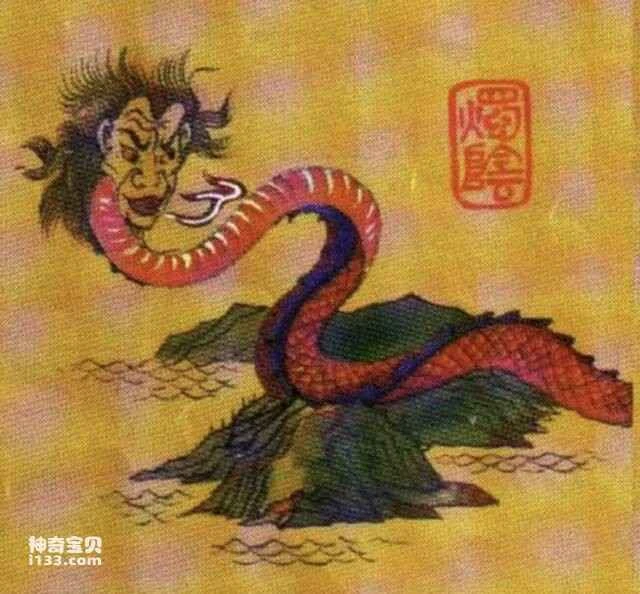
1. Zhulong
Zhulong, also known as Zhuyin or Huojing, is the god of Zhongshan in ancient Chinese mythology. According to the *Classic of Mountains and Seas*, Zhulong has a human face and a snake's body, is crimson red, and is a thousand miles long. When it opens its eyes, it brings daytime; when it closes them, it brings nighttime. Inhaling brings winter, and exhaling brings summer. It can also summon wind and rain, and it neither drinks nor eats, nor sleeps nor rests. Another legend says that when the earth was still in chaos, it came to the heavenly palace with "fire essence" in its mouth. In the dark northern gate of heaven, it raised the "fire essence" high, and its light instantly illuminated the earth, shining even into the dark depths of the underworld. Therefore, people also call Zhulong the god of creation, a creator god on par with Pangu.
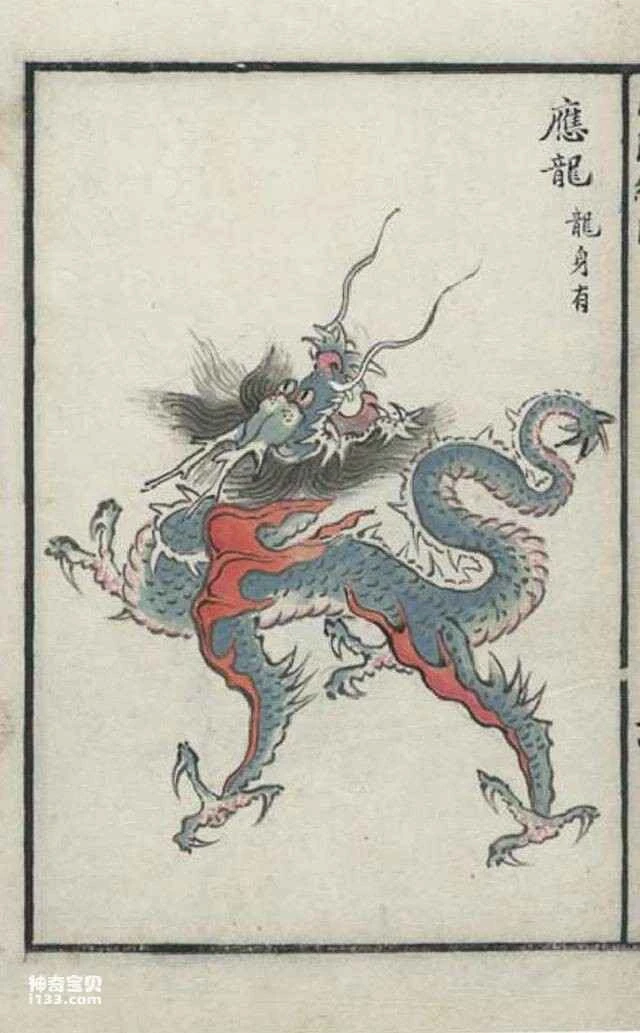
2. Yinglong
Yinglong is a mythical creature in Chinese legend, also known as "Zhufeng" (meaning "wind-assisting beast"), playing an important role in many cultures and legends. According to legend, Yinglong resembles a snake and can fly. It has two wings and its body is covered in feathers. Yinglong is usually depicted as extremely fast and agile, able to move freely through the air, and possessing the power to control the weather and wind. In ancient Chinese culture, Yinglong is one of the Four Symbols, representing the east, and is often regarded as the guardian deity of agriculture. People would pray to Yinglong for good weather and favorable winds while working in the fields. Furthermore, Yinglong was considered the emperor's mount, possessing powerful symbolic authority. In modern culture, Yinglong is frequently used as a decorative or design element. For example, Yinglong patterns and sculptures can be seen in Chinese architecture and art. Overall, Yinglong holds significant historical and cultural value in Chinese culture.
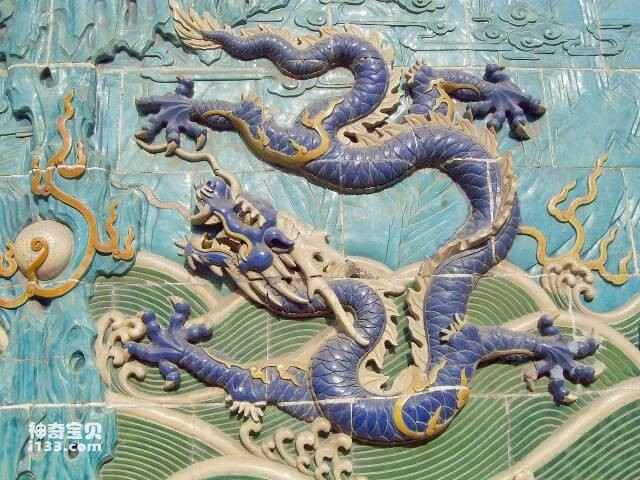
3. Azure Dragon
The Azure Dragon is one of the four mythical creatures in Chinese legend, representing spring and the east. It is typically described as a massive dragon with five claws, a blue or green body, and immense power. In ancient Chinese culture, the Azure Dragon is a very important symbol. According to legend, it is one of the creation mythical beasts that spun the heavens and the earth, representing a positive, righteous, and courageous image. The Azure Dragon is also frequently used as a symbol of emperors and royal power, thus appearing often in many ancient buildings, sculptures, and works of art. Beyond its status in Chinese culture, the Azure Dragon also appears in the cultures of countries like Japan and Korea, where it is considered a deity protecting agriculture and water conservancy. Overall, the Azure Dragon possesses a profound historical and cultural significance in East Asian culture and is regarded as a mythical creature of great importance.
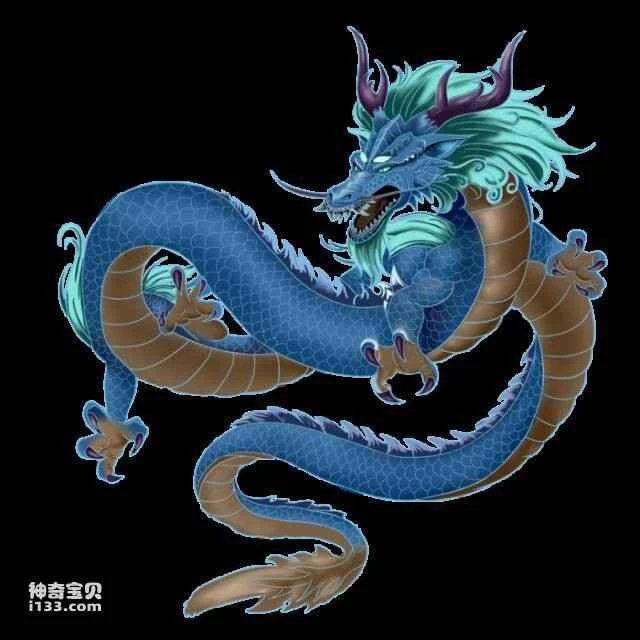
4. Azure Dragon
According to legend, the Azure Dragon was the mount of the mythical figure Fuxi, representing spring and the east, and is one of the four directional mythical beasts. In ancient Chinese culture, the Azure Dragon was considered a guardian beast of the empire, and its image was often used to represent imperial power, majesty, and authority. Like other dragons, the Azure Dragon is also widely regarded as an auspicious symbol in Chinese culture, representing good fortune, longevity, and happiness. Therefore, in many occasions, such as weddings and celebrations, the image of the Azure Dragon is frequently used as the theme of decorations or artworks. In general, the Azure Dragon holds significant historical and cultural value in Chinese culture. It not only represents imperial power, authority, and majesty but is also considered an auspicious symbol, closely related to traditional Chinese culture and values.
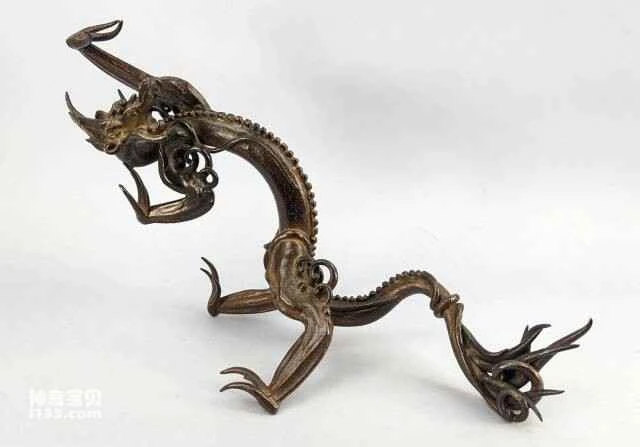
5. 虬
The Qiu is a mythical beast in Chinese legend, typically depicted as a giant dragon with long whiskers and sharp claws. While similar to a dragon in many ways, the Qiu is more slender and has numerous coiled horns. In ancient Chinese culture, the Qiu is generally considered an auspicious symbol, representing longevity, good fortune, and happiness. The image of the Qiu is frequently used as a decorative element in ancient architecture and art. For example, Qiu heads were often built under the eaves of ancient palaces to protect them from evil spirits. Furthermore, the Qiu is believed to be a divine beast capable of warding off evil and misfortune, protecting people from evil and bad luck. Therefore, the image of the Qiu is often used as a mascot or an important element in rituals during many traditional festivals and celebrations. In summary, the Qiu holds significant historical and cultural value in Chinese culture, being regarded as an auspicious symbol representing longevity, good fortune, and happiness.
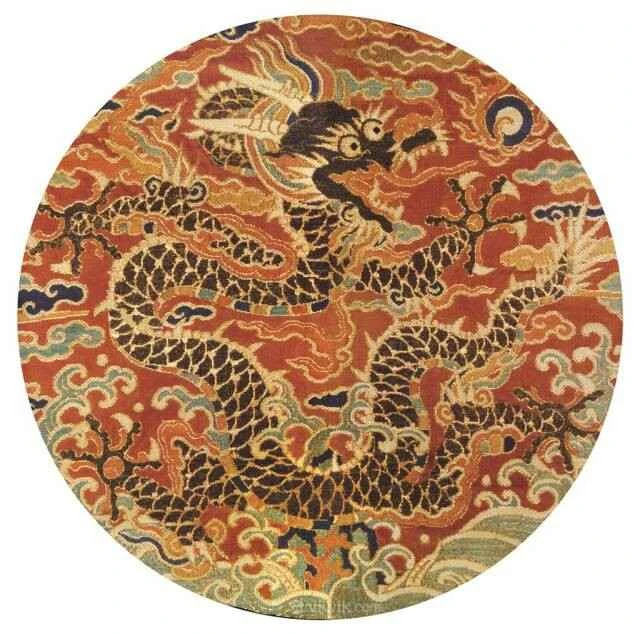
6. Fire Dragon
The fire dragon is a mythical creature in Chinese legend, typically depicted as a dragon with red or orange scales that breathes fire. They have long, slender bodies, a pair of horns on their heads, and sometimes two pairs of wings. In traditional Chinese culture, the fire dragon is often seen as a symbol of the hot summer. It is believed that the fire dragon can regulate the temperature by breathing fire, making the weather more pleasant. Furthermore, the fire dragon is considered a divine beast that controls and balances the element of fire. The fire dragon holds an important place in many traditional festivals and celebrations. For example, during the Spring Festival, the image of the fire dragon frequently appears in dragon and lion dances. People believe that by dancing and playing musical instruments, they can awaken the fire dragon and pray for good fortune and happiness in the new year. Overall, the fire dragon has significant historical and cultural value in Chinese culture, and is regarded as a symbol of passion, courage, and power.
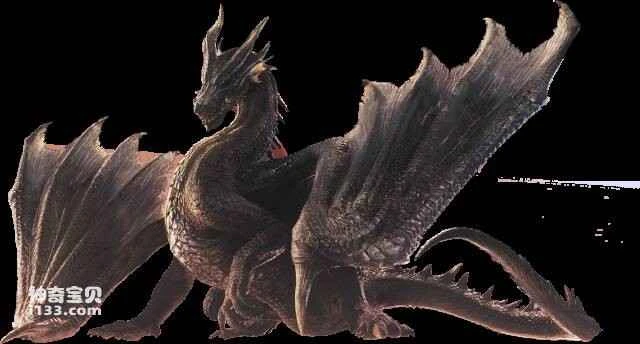
7. Black Dragon
The black dragon, also known as the Xuanlong or Molong, is one of the Four Divine Beasts, representing autumn and the western direction. It is typically depicted as a giant dragon covered in black scales, with five claws and immense power and ability. In ancient culture, the black dragon was often seen as a symbol of yin and yang balance, representing darkness, mystery, and depth. Furthermore, it was considered a divine beast associated with death and the underworld, frequently appearing in many sacrificial rituals. Like other dragons, the black dragon is widely regarded as an auspicious symbol in Chinese culture, representing good fortune, longevity, and happiness. Therefore, the image of the black dragon is widely used in many decorations, works of art, and architectural designs. In summary, the black dragon holds significant historical and cultural value in Chinese culture, being regarded as a mysterious and sacred divine beast representing the dark and enigmatic aspects of life.
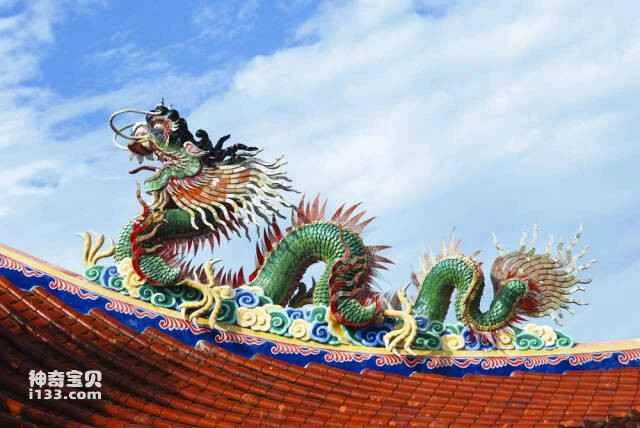
8. Rain Dragon
The Rain Dragon, also known as the Dragon King or Rain Master, is typically depicted as a divine dragon capable of controlling the sky and rainfall. Legend has it that the Rain Dragon can regulate weather and rainfall by spitting out water droplets or controlling thunder and lightning. In ancient Chinese culture, the Rain Dragon was often regarded as the guardian deity of agricultural production, as it provided water to crops, ensuring a bountiful harvest. Besides controlling weather and rainfall, the Rain Dragon was also considered a very powerful mythical beast with many mystical powers and abilities. For example, it was believed to be able to predict future weather, protect the safety of sea voyages, and even influence human emotions and thoughts. In general, the Rain Dragon is considered an important mythical beast in Chinese culture, possessing profound historical and cultural value. It not only represents weather, nature, and harvest but also symbolizes mystery and power.
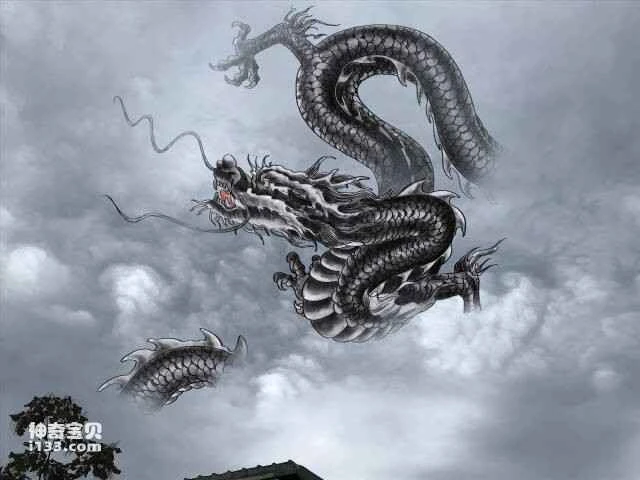
9. Yunlong
The cloud dragon, also known as the rainbow dragon or flying dragon, is typically depicted as a giant dragon capable of free flight, with a blue or green body and curved horns. In ancient Chinese culture, the cloud dragon is generally considered a symbol of good fortune, representing good luck, happiness, and longevity. It is also believed to be a divine beast associated with the sky and atmosphere, controlling natural phenomena such as wind, rain, and clouds. Therefore, the image of the cloud dragon is used in many festivals and celebrations to pray for good weather and a bountiful harvest. Beyond its place in Chinese culture, the cloud dragon also appears in East Asian cultures such as Japan and Korea. For example, in traditional Japanese culture, the cloud dragon is considered a protective beast for towns and villages, capable of warding off evil spirits and demons, and protecting people's safety and happiness. In general, the cloud dragon holds profound historical and cultural value in East Asian cultures, being regarded as a mysterious and sacred divine beast representing good fortune, happiness, and longevity.
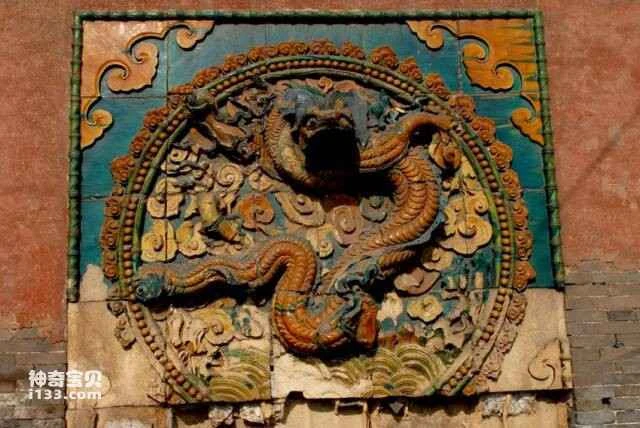
10. Panlong
The coiled dragon, also known as the sleeping dragon, is typically depicted as a coiled, undulating dragon resembling a black dragon. In ancient Chinese culture, the coiled dragon was considered a symbol of nobility and royalty, representing power, majesty, and prestige. Therefore, the image of the coiled dragon was frequently used in many ancient buildings and works of art to showcase the glory and power of the nobility. Besides symbolizing power and prestige, the coiled dragon was also considered a mythical beast associated with the sea, capable of controlling natural phenomena such as tides and waves. Legend has it that the coiled dragon moves with the tides, protecting the safety of sea voyages and predicting future weather and floods. In summary, the coiled dragon holds significant historical and cultural value in Chinese culture, regarded as a majestic, noble, and mysterious mythical beast. It also represents the dynamic forces of the ocean and water currents, making it an indispensable part of Chinese culture.
The list of the top ten ancient Chinese dragons is for reference only. If you have any better suggestions for this list, please leave a comment. Thank you!