Besides natural sources such as oceans, permafrost, and some wetlands, human activities are the largest source of methane emissions. The main human activities contributing to methane emissions are livestock farming and biomass burning (burning vegetation during land clearing or land use changes). Experts report that ruminant animals such as cattle and sheep produce at least 80 million tons of methane annually worldwide, accelerating global warming and causing nutrient and energy loss in feed. Of particular concern is that the methane emitted by nature and livestock is produced through the metabolic activities of a type of microorganism called methanogens.
At the end of the Permian period, 252 million years ago, a global catastrophe wiped out more than 90% of marine species and 70% of terrestrial vertebrates, making it the largest of the five mass extinctions Earth has ever experienced. Researchers at MIT recently proposed a new hypothesis in the Proceedings of the National Academy of Sciences: the culprit behind this catastrophe was a methanogen called *Methanocytoplasma methanans*.
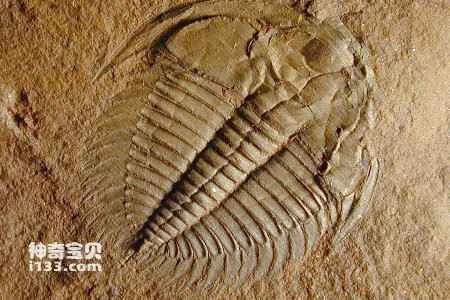
Researchers discovered that a catastrophic volcanic eruption in Siberia during that period dramatically increased the concentration of nickel in the ocean, a metal that is highly conducive to the growth of methanogenic sarcodactylus. The rampant proliferation of methanogenic sarcodactylus released large amounts of methane into the atmosphere, leading to a sharp rise in climate and increased ocean acidity. This fundamentally altered the ocean's chemical composition, causing many species to lose their habitable environments. Trilobites and horseshoe crabs, which had lived in the ocean for hundreds of millions of years, disappeared...
Although methane is invisible and intangible, it plays a vital role in our lives and survival. To ensure sustainable development, reducing methane emissions and making full use of it has become a key focus of work and research for many countries and institutions. The author hopes that readers of this short article will also gain some insights and reflections on this topic.