Growing flowers is a wonderful way for many people to cultivate their mind and body; observing the plants grow stronger day by day can indeed bring joy. However, once plants are attacked by pests and diseases, all the efforts may be in vain. There are many common plant pests, and the damage they cause to flowers should not be underestimated.
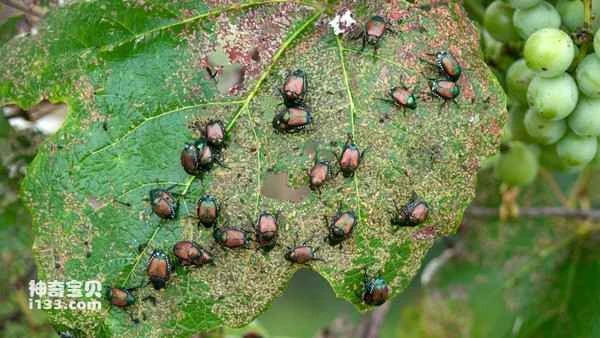
Today, we introduced 10 of the most troublesome plant and flower pests, including scale insects, whiteflies, fungus gnats, spider mites, aphids, thrips, and leaf miners. These pests can cause varying degrees of damage to flowers, leading to poor growth and development, or even stunted growth. Therefore, timely identification and effective control of these pests are crucial for protecting the healthy growth of flowers.
1. Scale insects (the most serious of the "five small pests" / difficult to control)
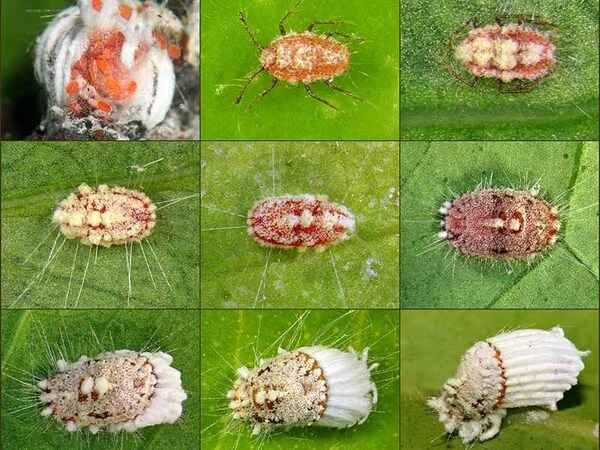
Which plant pest is the most harmful? Scale insects, listed as the number one of the "five minor pests" of gardens, are undoubtedly among them. These insects come in many varieties and are extremely destructive to plants, making them the number one pest of flowers and causing considerable trouble for gardening enthusiasts. Plants susceptible to scale insect infestations include camellias, money trees, anthuriums, philodendrons, pothos, azaleas, hibiscus, cherry blossoms, plums, peaches, crabapples, evergreen plants, monstera, and many other plants, even including various succulents.
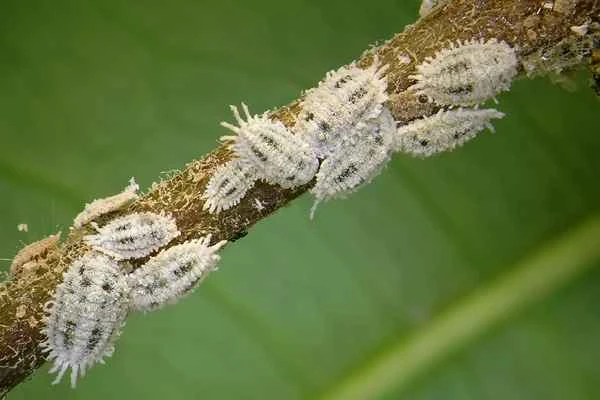
These pests mainly congregate on the tender stems and leaves of plants, using their piercing-sucking mouthparts to extract plant sap. This creates wounds that are susceptible to infection and can potentially lead to sooty mold. The honeydew secreted by scale insects also attracts ants and other insects, increasing the damage they cause. Because scale insects have a waxy protective layer on their bodies, traditional pesticide spraying is not very effective; targeted treatment with specialized insecticides is usually required.
2. Whiteflies (high reproductive rate/easily contagious)
Whiteflies are a common pest in horticultural plants, widely parasitizing various plants, with over 600 host species, including various flowers, vegetables, specialty crops, forage grasses, and woody plants. Adults and nymphs typically congregate on the undersides of host plant leaves, using their piercing-sucking mouthparts to extract plant sap, causing leaves to turn yellow, wither, and even die. Their honeydew secretions contaminate leaves, affecting photosynthesis, and may also cause sooty mold and spread various viruses.
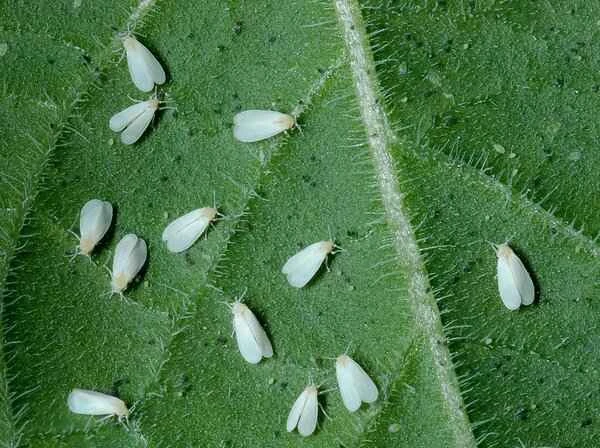
Besides damaging plants in protected environments such as greenhouses, whiteflies also cause significant harm to plants grown in open fields. This pest has a high reproductive capacity, reproduces rapidly, and forms large populations, and its gregarious nature makes its damage even more destructive. Once plants are infected, they should be immediately isolated to another area, or ideally, all plants should be sprayed with pesticides to curb the spread of the pest and prevent further damage.
3. Fungus gnats (reproduces quickly/spreads fungal infections)
Fungus gnats, also known as spotted fungus flies, are small, black, and highly skilled fliers with grayish-black wings. These insects prefer to live in moist soil and their host range includes succulents, orchids, and clivia. They feed on fungi and algae, and the larvae multiply rapidly in the soil, spreading fungi by feeding on roots and harming the health of the plants.
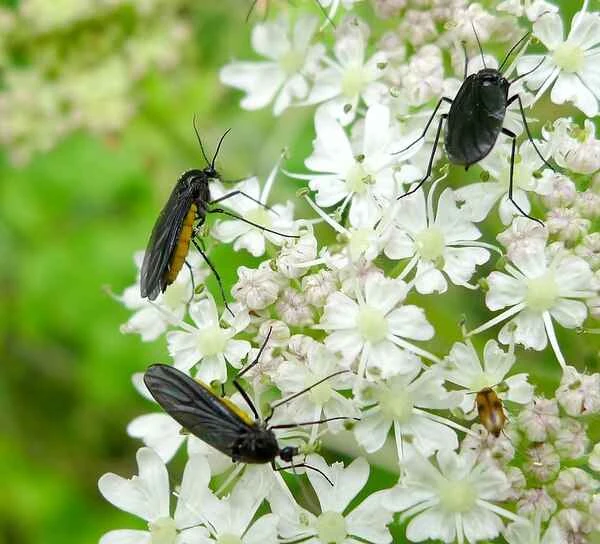
Adult insects not only fly around indoors, causing annoyance, but they can also feed on plant leaves, affecting the health of flowers. Female adults may even bite people. Because these pests quickly escape when pesticides are sprayed and reappear after the pesticide's effects wear off, they are difficult to eradicate. However, keeping the potting soil moderately dry can effectively inhibit their growth. In severe cases, drenching with pesticides can be considered to kill the larvae.
4. Red spider mites (high reproductive rate/high adaptability/wide spread)
Spider mites, listed as one of the top ten pests of plants and flowers, belong to the mite family. They are tiny, almost invisible to the naked eye. These pests are highly prolific, producing multiple generations within a year. They grow and develop rapidly, and have a short reproductive cycle. Both males and females can reproduce independently, exhibiting strong adaptability and a wide range of dispersal methods. Many plants are susceptible to their damage, including roses, peach blossoms, cherry blossoms, azaleas, milan, kumquats, and jasmine.
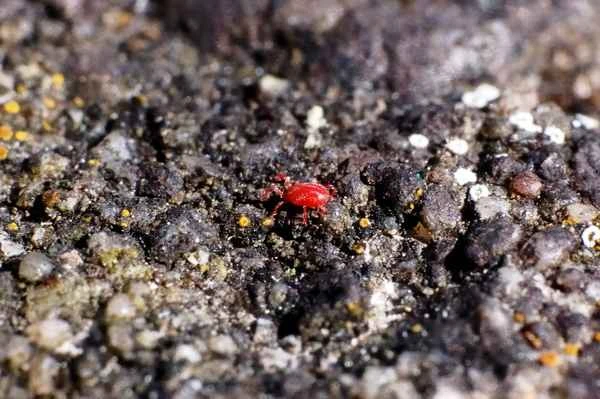
Spider mites often cluster on the undersides of plant leaves, sucking sap and initially causing the leaves to lose their green color. This can eventually lead to leaf drop and the death of new shoots. Because of their tiny size, they are difficult to detect, and once discovered, it often indicates a fairly severe infestation. Even after eradication, they are prone to recurrence, especially in low humidity conditions where large-scale outbreaks are more likely. Therefore, spider mite control usually requires the use of specialized insecticides.
5. Aphids (high reproductive rate/spreads viral diseases)
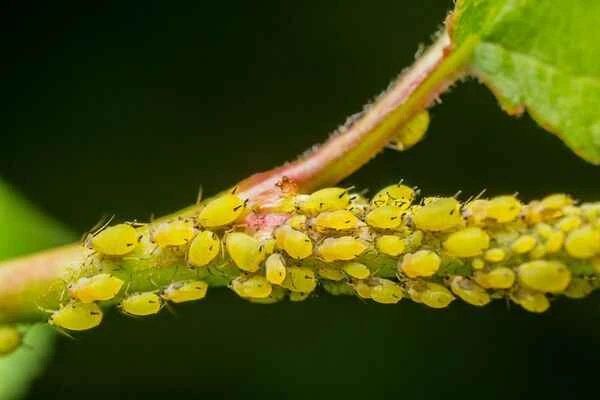
Aphids are common flowering plant pests, particularly targeting plants such as peaches, roses, plums, cherry blossoms, peonies, azaleas, begonias, ivy, and peace lilies. They can reproduce 20 to 30 generations annually, producing a new generation in just 5 days, and can even be spread to other plants by wind. Aphids frequently appear on tender shoots, flower stalks, and the undersides of leaves, causing stems and leaves to curl, wither, and even die the entire plant. They excrete large amounts of honeydew, which contaminates leaves and fruits, promoting sooty mold and interfering with photosynthesis. Furthermore, aphids can transmit various viruses, causing widespread viral outbreaks. Although aphids have low resistance to pesticides, their spread can be effectively controlled by timely detection and application of appropriate pesticides.
6. Thrips (diverse diet/can reproduce parthenogenetically)
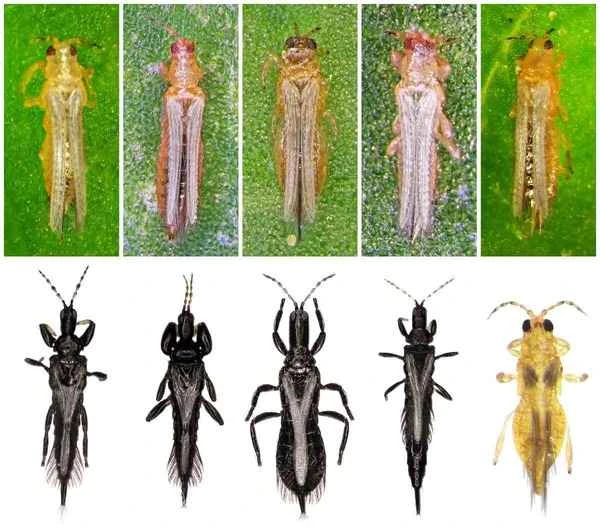
Thrips are a widespread pest of garden plants globally, with a complex diet including phytophagous, fungiphagous, and predatory species, with phytophagous species accounting for more than half. As one of the major economic pests, thrips frequently use their rasping-sucking mouthparts to damage plant epidermal tissue and feed on sap. They primarily damage the tender shoots of plants, causing leaves to fade and develop feeding marks. Initially, white spots appear, gradually spreading and, in severe cases, leaves become smaller, wrinkled, and may even yellow, dry out, and wither. Affected flowers show discoloration of petals with feeding marks, and the flower buds may develop white spots or turn brown. Thrips particularly favor lilies, roses, and chrysanthemums as their host plants.
7. Leafminer (difficult to control/strong pesticide resistance)
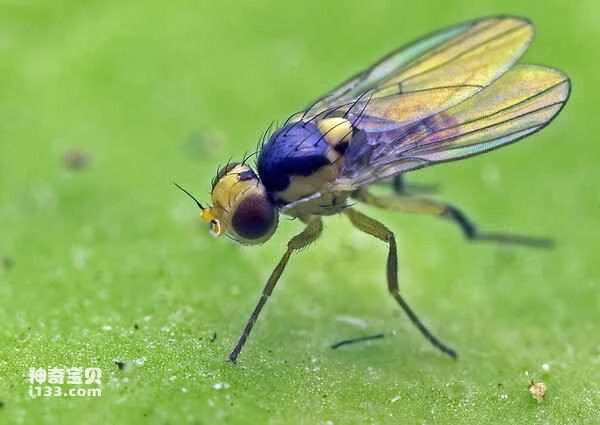
Leafminer, commonly known as the leaf miner, is a frequent name on the list of plant pests, known to attack a variety of hosts, including more than 100 plant species. Cucurbitaceae and legumes are often its primary targets, notorious for their scribble-like movement within leaves. This pest, nicknamed "scribbler," lays its eggs inside the leaf tissue of its host plant. The hatched larvae then begin feeding on the leaf tissue beneath the epidermis. Adults often suck sap from wounds on the leaves, causing stunted growth, leaf drop, and in severe cases, damage to flower buds and fruits, even destroying the plant. Because the larvae hide inside the leaves, they are difficult to control effectively, and they are highly resistant to pesticides; therefore, the primary measure should be to replace or disinfect the soil.
8. Nematodes (difficult to detect, prevention is the main approach)
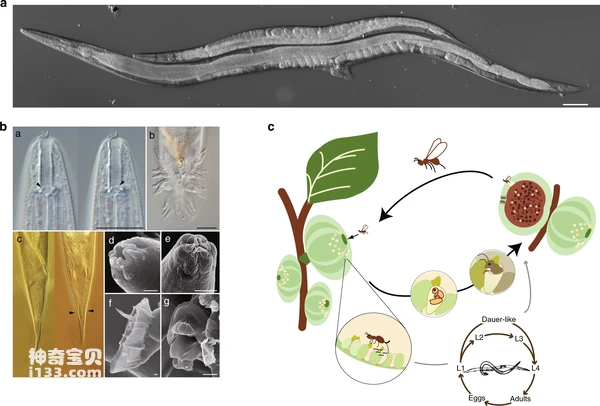
Nematodes are common pests of green plants, also infesting orchids, carnations, daffodils, peonies, and other flowers. They primarily damage the roots and other underground organs of the host plant, and occasionally also infest the above-ground parts such as stems and fruits. Mild infestations are often difficult to detect; infected tissues turn dark brown and appear water-soaked, with obvious surface wounds. Roots may develop short, rotten growth, while above-ground parts show stunted growth, wilting, or even death. Because various nematodes exist in the soil, and these nematodes are so small that they are almost invisible to the naked eye, prevention is key. One method is to add 20 to 30 granules of 3% furan granules per kilogram of soil. These granules dissolve in the soil and are slowly released, thus eliminating the nematodes.
9. Army crickets (damage chlorophyll/hinder photosynthesis)
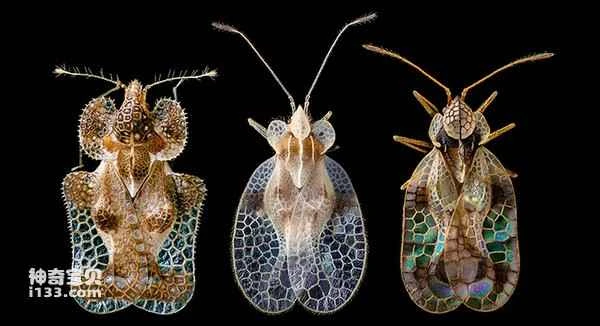
The lace bug is a notorious pest of flowers, particularly damaging azaleas. It also affects a variety of other garden plants, including hibiscus, papaya, gardenia, wisteria, rose, plum blossom, cherry blossom, Michelia figo, camellia, jasmine, begonia, flowering quince, weeping crabapple, wintersweet, and poplar. Adults and nymphs congregate on leaves, sucking sap and causing yellowish-white spots on the leaf surface. This damages chlorophyll and severely hinders photosynthesis. Large amounts of dark brown frass and molted exfoliants are often visible on the leaves, while the undersides develop yellowish-brown rust-like spots, leading to pale leaves and even premature leaf drop.
10. Grubs (damage the tender stems and roots of flowers)
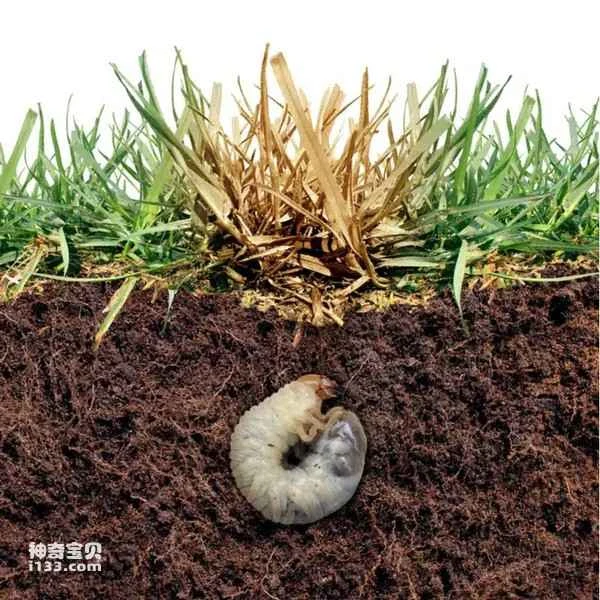
Grubs and nematodes are both underground pests, the larvae of scarab beetles. They can be classified into three categories based on their diet: phytophagous, coprophagous, and saprophagous. Phytophagous grubs are known for their wide range of food sources, damaging a variety of crops, cash crops, and flowering plants. These pests prefer to feed on newly sown seeds, roots, tubers, and seedlings, making them global underground pests. Because they live in the soil, they often damage the tender stems, roots, and tubers of some plants, causing root and stem rot and ultimately leading to plant death. Controlling these pests is not easy; fumigation and irrigation with pesticides are usually required.
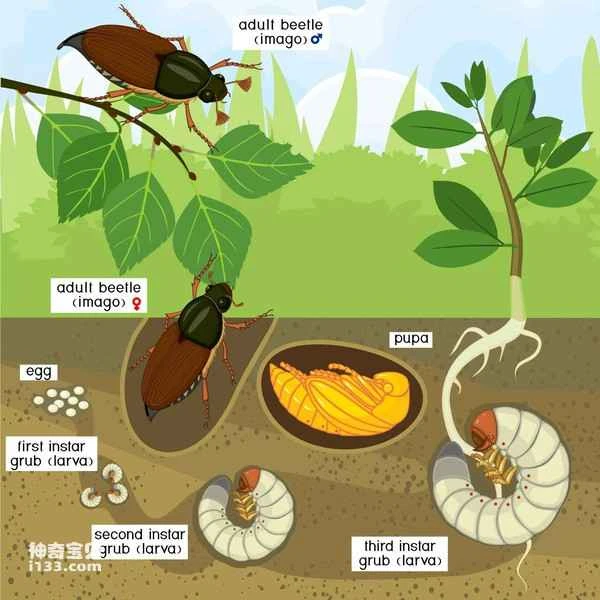
It is worth mentioning that some species of grubs have been found to have medicinal value and are beneficial to humans, while also having high edible value, with a sweet taste and rich protein content.