Camouflage is a marvel of evolution, with some creatures mimicking unrelated species to protect themselves or hunt. This ingenious camouflage is common in nature, especially leaf mimicry. For some animals, mimicking leaves is a way to protect themselves from predators; for others, it's a way to ambush prey in broad daylight. While leaf mimicry is most common among insects, reptiles, amphibians, and even fish are masters of camouflage. Here are 18 amazing examples of animals from around the world that disguise themselves as leaves:
1. Giant leaf insect (Phyllium giganteum)
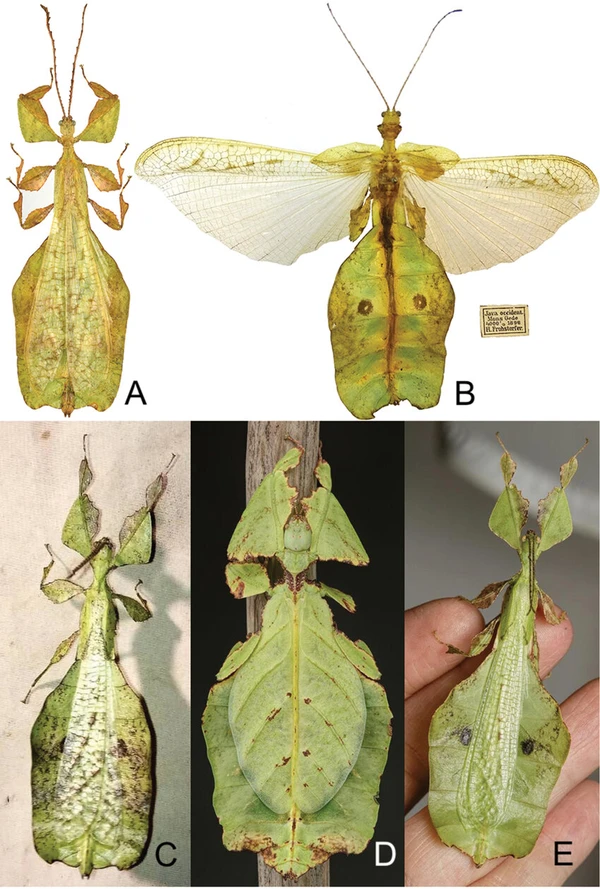
The giant leaf beetle is found in parts of Southeast Asia and Australia and is known for its leaf-like shape. Its flattened body, with green and brown stripes, perfectly camouflages itself as a plant leaf. Giant leaf beetles typically evade birds and other predators by remaining still and blending into the surrounding foliage.
2. Satanic Leaf-tailed Gecko (Uroplatus phantasticus)
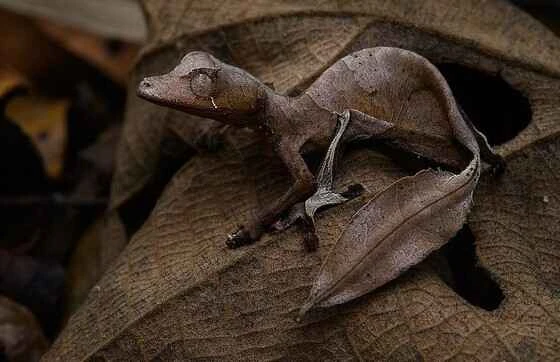
The Satanic Leaf-tailed Gecko, native to Madagascar, blends easily into the surrounding forest floor thanks to its leaf-shaped tail and brownish-brown body. Its flattened body and tail with leaf-vein-like details further enhance its camouflage.
3. Indian Oak Leaf Butterfly (Kallima inachus)
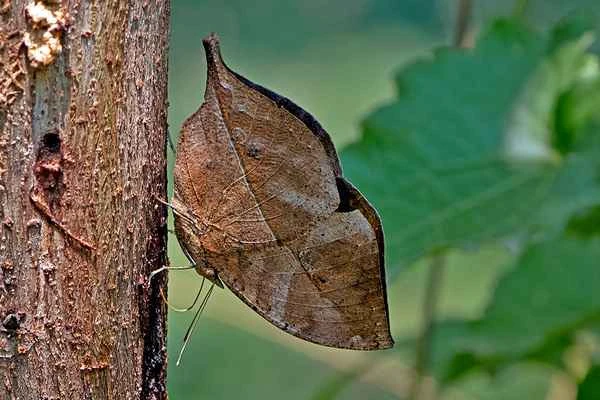
The Indian Oak Leaf Butterfly, mainly distributed in tropical Asia, has wings that completely mimic the back of a withered leaf. Both the shape and color of its wings are almost indistinguishable from real leaves. This camouflage allows it to blend seamlessly into its surroundings simply by closing its wings when threatened.
4. Malayan Leaf Frog (Megophrys nasuta)
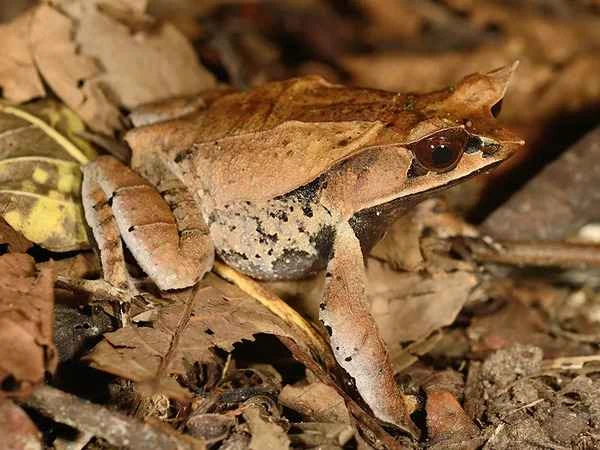
The Malayan leaf frog inhabits the rainforests of the Malay Peninsula, as well as Sumatra and Borneo. Its flattened body and brown skin make it resemble a fallen leaf. This camouflage allows the Malayan leaf frog to evade predators and quietly ambush passing prey.
5. Moss Mantis (Haania confusa)
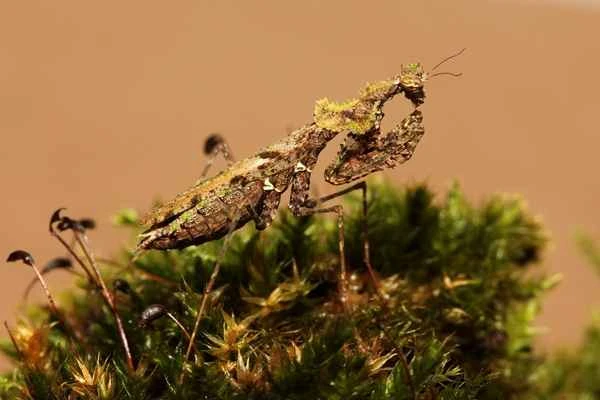
The moss mantis, native to Asia, is known for its resemblance to a moss-covered leaf. Its body is covered in green and brown stripes, allowing it to perfectly blend into the surrounding vegetation and easily escape predators.
6. Leaf Grasshopper (Chorotypus saussurei)
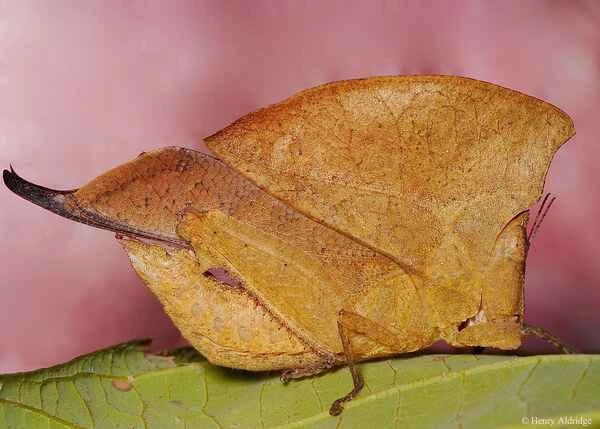
The leaf grasshopper, native to Malaysia, has a body and wings that closely resemble withered leaves. This exquisite camouflage helps them evade predators on the forest floor and remain hidden while waiting for the right moment to ambush their prey.
7. South American leaf fish (Monocirrhus polyacanthus)
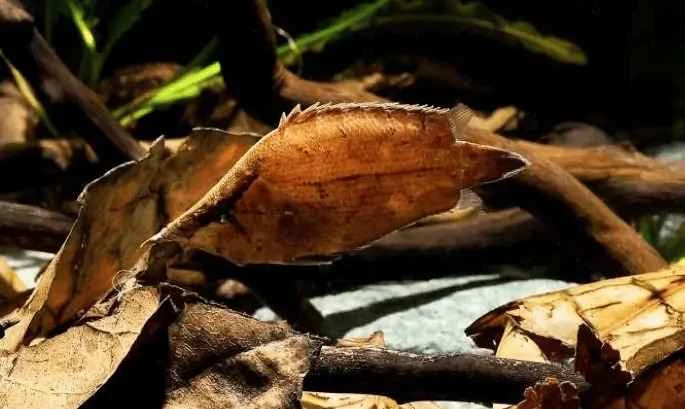
The South American leaffish lives in the freshwater of the Amazon River basin. Its body is flat and resembles a leaf floating in the water. This camouflage allows it to easily approach its prey, such as small fish, without being detected.
8. Leaf grasshopper (Pycnopalpa bicordata)
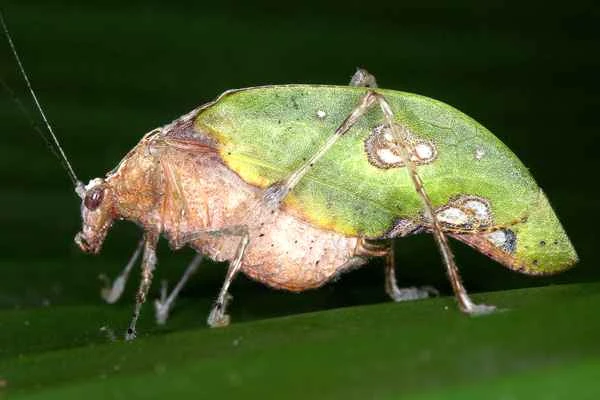
Leaf katydids are found in parts of Central America and Mexico, as well as northern South America. This insect's wings are shaped and colored exactly like leaves, and its body texture even mimics leaf veins, helping it to remain cloaked in the undergrowth.
9. Leaf-killing moth (Uropyia meticulodina)
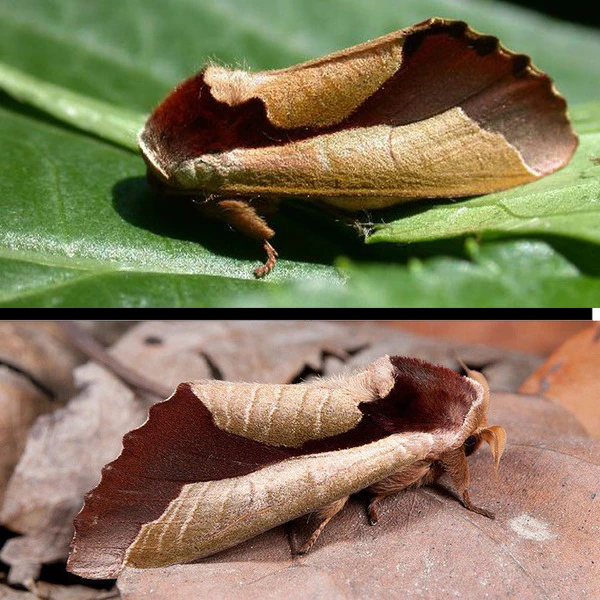
The dead leaf moth is native to China and Taiwan. Its wings have curled edges, resembling a withered leaf. Both its color and texture perfectly replicate a real dead leaf, and this camouflage effectively protects it from birds and other predators.
10. Katydid nymphs (various species)
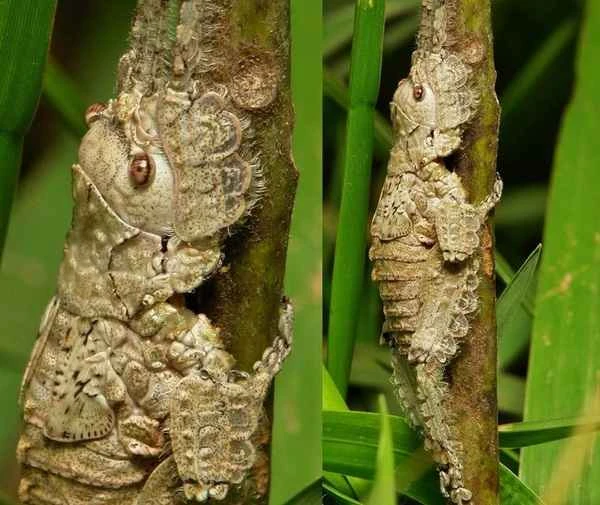
Katydid nymphs, especially in their early developmental stages, often resemble leaves more than adults. Their bodies are not only green but also have veins and leaf-like shapes, helping them avoid predators. Some katydid nymphs can even mimic bitten or damaged leaves, increasing the realism of their camouflage.
11. Amazonian Horned Frog (Ceratophrys cornuta)
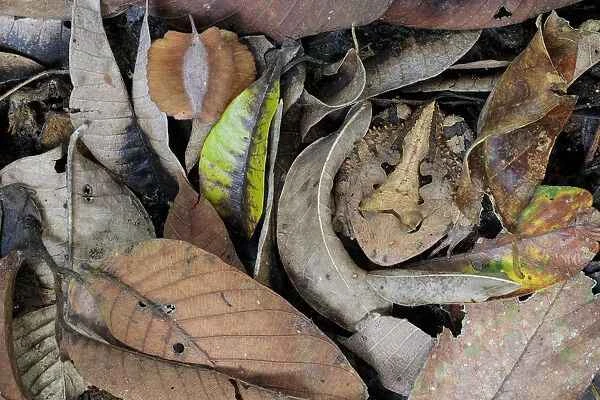
The Amazonian horned frog, also known as the Surinamese horned frog, lives in the Amazon basin of South America. Its broad, flat body, with colors and spots similar to dead leaves, allows it to easily hide on the forest floor, waiting for prey to approach.
12. Leaf-shaped grasshopper (Pterochroza ocellata)
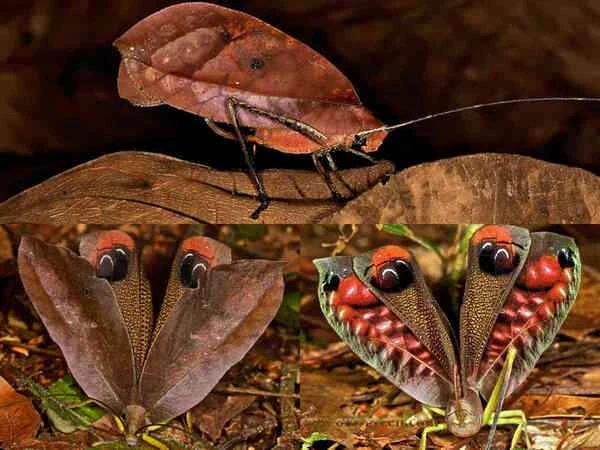
This leaf-shaped katydid is native to the tropical forests of Central and South America. Its wings not only resemble leaves in shape, but are also almost the same color as decaying leaves, and have spots that mimic fungal growth, making it one of the best leaf mimics in the insect world.
13. Vietnamese moss frog (Theloderma corticale)
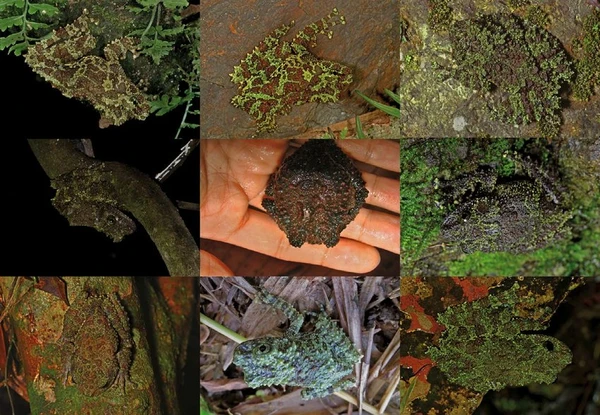
The Vietnamese moss frog, native to the rainforests of Vietnam, not only camouflages itself as leaves but also mimics moss and lichen on rock surfaces. Its skin features green, brown, and black colors that blend together to create a mottled texture, making it almost indistinguishable from the dead leaves on the ground.
14. Phycodurus eques
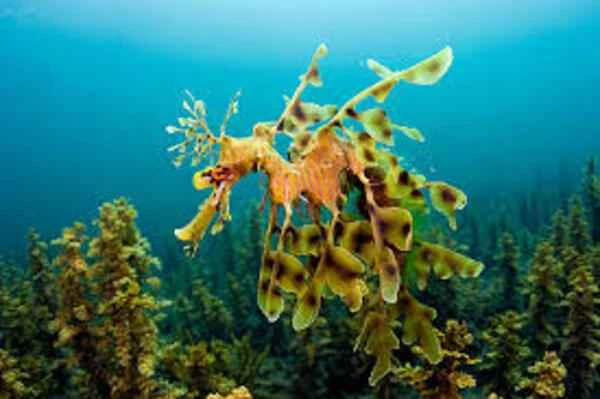
Leafy seadragons live in the waters off southern Australia and use their leaf-like appendages to mimic seaweed or algae in the ocean. This camouflage makes them almost undetectable by other fish or marine life when hunting.
15. The lichen grasshopper (Markia hystrix)
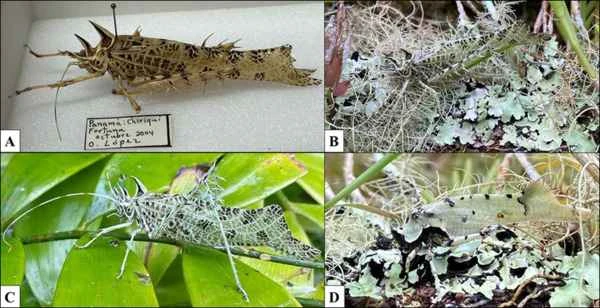
The lichen grasshopper is found in the forests of Central and South America. It not only mimics leaves but also lichen-covered branches. Its body is covered with tiny, leaf-like protrusions, allowing it to blend perfectly into plants and lichens.
16. Leaf Mantis (Deroplatys desiccata)
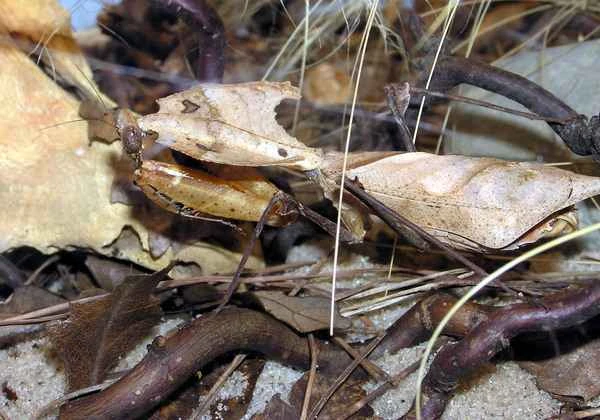
Native to Southeast Asia, the dead leaf mantis closely resembles a dried, fallen leaf. Its wings are brown, with edges that even show signs of insect damage. When threatened, the dead leaf mantis lies motionless on the ground, completely blending into the surrounding fallen leaves.
17. Oriental Leaf Turtle (Cyclemys dentata)
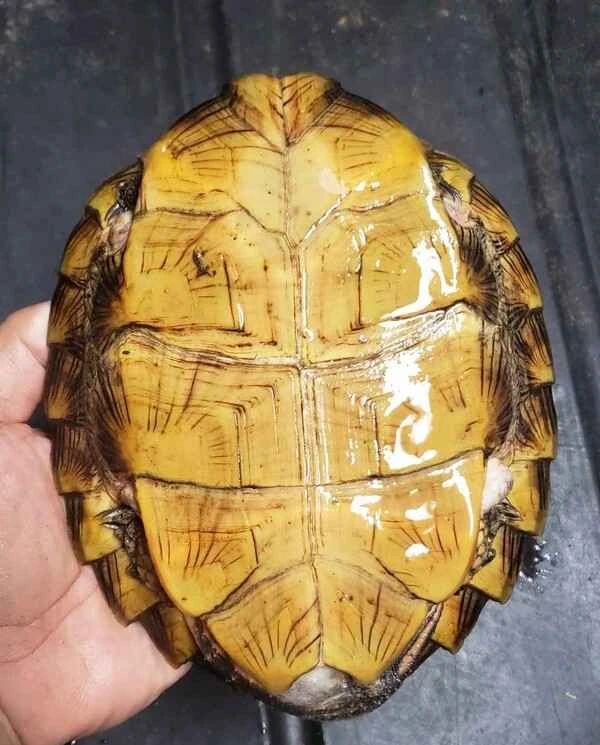
The Oriental Leaf Turtle lives in Southeast Asia. Its shell is a flat, oval shape, and its color and texture closely resemble fallen leaves. This natural camouflage helps it avoid being spotted by birds or other predators on the forest floor.
18. Stick insect (Phasmatodea)
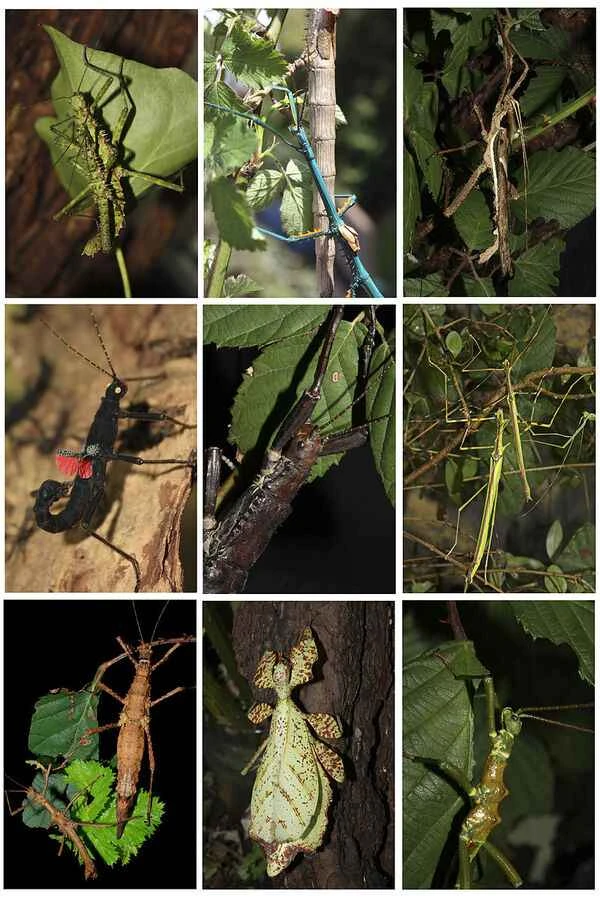
Although stick insects are known for mimicking tree branches, some species have also evolved leaf-like shapes. Stick insects in certain tropical regions have flat, broad bodies, leaf-shaped wings, legs that often mimic leaf stalks, and even leaf vein-like markings on their bodies.
Survival wisdom of disguising oneself as a leaf
From giant leaf insects to leafy seadragons, nature is full of amazing creatures that disguise themselves as leaves. These astonishing evolutionary marvels are not merely visual wonders; they are key strategies for these species to survive in harsh environments. Camouflage not only helps them evade predators but also helps them remain undetected while hunting. These animals remind us of the incredibly rich biodiversity on Earth, where every species adapts and survives in its unique environment in its own way.
The next time you take a walk in nature, take a closer look at the leaves around you—you might discover that the seemingly ordinary leaf is actually a master of disguise!