When we talk about the largest creatures ever to have existed, dinosaurs, especially sauropods, are undoubtedly at the top of the list. These giant herbivores from the Mesozoic Era, known for their enormous size, long necks, and tails, were among the largest land animals to ever exist on Earth. Let's explore these behemoths, starting with the largest and working smallest.
1. Argentinosaurus
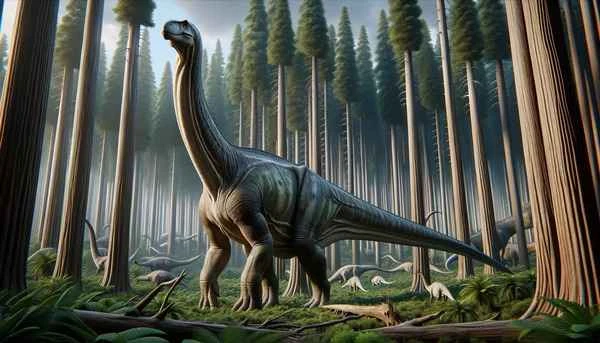
Argentinosaurus is considered the largest dinosaur ever discovered. Discovered in Argentina in 1993, scientists estimate it to have been between 37 and 40 meters (121 to 131 feet) long and weighed approximately 90 to 100 tons (99 to 110 metric tons). Although no complete skeleton has been found, individual bones, such as vertebrae the size of an adult, suggest that Argentinosaurus may have been the largest known land animal.
2. Patagotitan mayorum
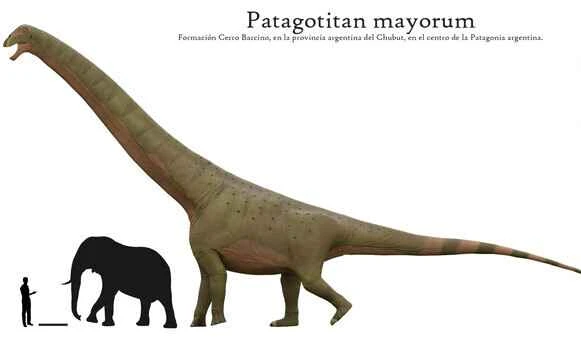
Patagonia, comparable in size to Argentinosaurus, was discovered in Argentina in 2014. This dinosaur may have reached a length of 37 meters (122 feet) and weighed approximately 70 tons (77 metric tons). While some researchers believe these size estimates may be slightly exaggerated, Patagonia remains undoubtedly one of the largest known land animals, with a femur reaching 2.4 meters (8 feet) in length.
3. Puertasaurus (Mendozaron)
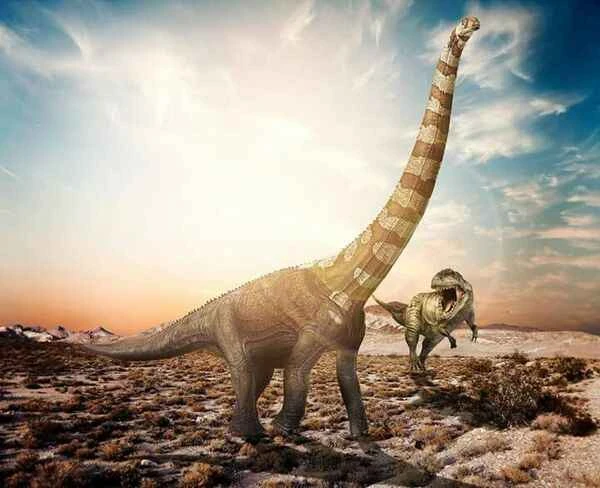
Mendozasaurus is another giant dinosaur discovered in Argentina, which may have reached a length of 35 meters (115 feet). Although it is not as famous as Argentinosaurus or Patagonia, its enormous size is still remarkable. Although its exact weight is difficult to estimate due to the incompleteness of the fossils, scientists speculate that it may have weighed around 70 tons (77 metric tons).
4. Dreadnoughtus

The fossil of Dreadnoughtus, discovered in Patagonia in 2009, is one of the most complete fossils of a giant sauropod dinosaur. It was approximately 26 meters (85 feet) long and weighed about 59 tons (65 metric tons). While not the largest dinosaur, it was so enormous that its name, meaning "dreadnought," reflects its powerful presence.
5. Mamenchisaurus
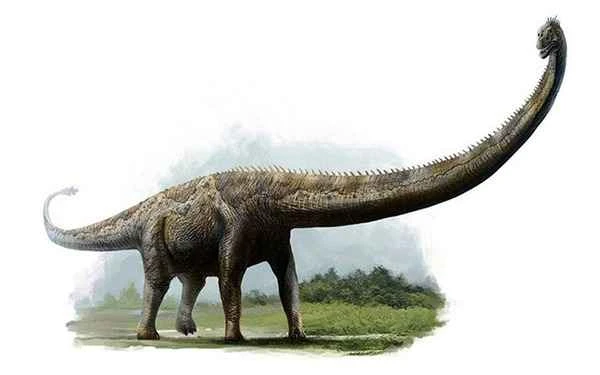
The Mamenchisaurus from China is known for its exceptionally long neck. Some specimens show that it could reach a length of 35 meters (115 feet), with its neck accounting for nearly half of that length. Although its weight is estimated at around 50 tons (55 metric tons), not as heavy as some giant dinosaurs, it is considered the "king of necks" in the dinosaur world due to its exceptionally long neck.
6. Paralititan (Tidal Dragon)
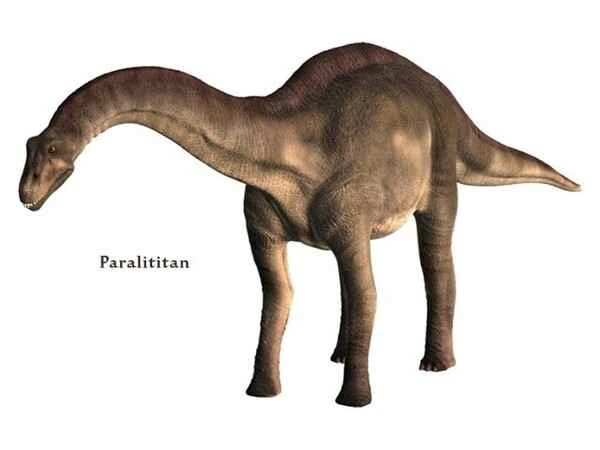
Tidalosaurus lived in the mangrove swamps of North Africa about 94 million years ago, and its fossils have been found in Egypt. This dinosaur may have reached 30 meters (100 feet) in length and weighed between 60 and 75 tons (66 to 83 metric tons). Its name, "Tidalosaurus," reflects the coastal environment in which it lived.
7. Alamosaurus

Alamosaurus was one of the largest dinosaurs in North America, living during the Late Cretaceous period. Scientists estimate it could have reached 30 meters (100 feet) in length and weighed approximately 70 tons (77 metric tons). Fossils of Alamosaurus have been found in Texas, New Mexico, and Utah, making it one of the last giant dinosaurs to go extinct on the North American continent.
8. Southern Giant Dragon (Austroposeidon magnificus)
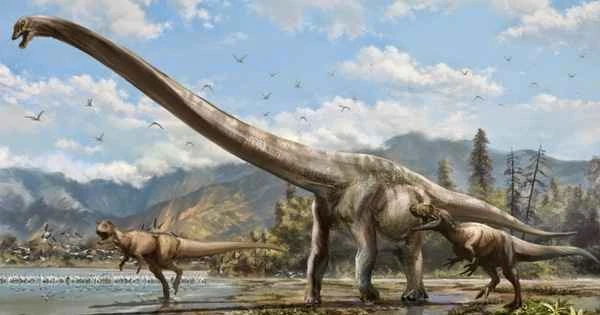
Southern giant sauropod dinosaur was the largest sauropod dinosaur in Brazil, measuring approximately 25 meters (82 feet) in length. It lived between 84 and 66 million years ago, and was one of the last giant dinosaurs before the Cretaceous-Paleogene extinction event. Parts of its remains were discovered near São Paulo, and it was officially named in 2016.
9. Sauroposeidon

Sauropoda was known for its astonishing height, possibly reaching 34 meters (112 feet) in length and 18 meters (60 feet) in height when its neck was held upright. This dinosaur lived in North America during the Early Cretaceous period, about 110 million years ago. Although it may not have weighed as much as some other giant dinosaurs, it is considered one of the tallest dinosaurs.
10. Shingopana songwensis
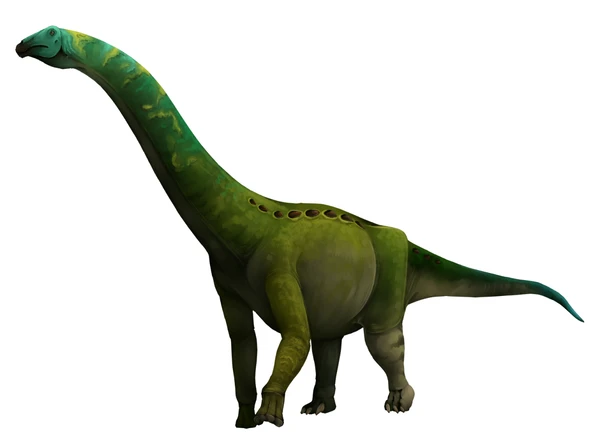
Broad-necked dinosaurs were among the smallest sauropod dinosaurs, measuring only about 8 meters (26 feet) in length and weighing approximately 5 tons (5.5 metric tons). Discovered in Tanzania in 2002, their fossils date back to between 100 and 70 million years ago. Despite their small size, their broad cervical vertebrae gave them the name "Broad-necked dinosaur."
11. Saltasaurus

Saltasaurus, discovered in northern Argentina in 1980, was another relatively small sauropod dinosaur, measuring only about 12 meters (40 feet) in length and weighing about 7 tons (7.7 metric tons). Its body was covered with bony plates that provided it with protection against predators, a stark contrast to many sauropod dinosaurs that relied on their size for defense.
12. Rapetosaurus
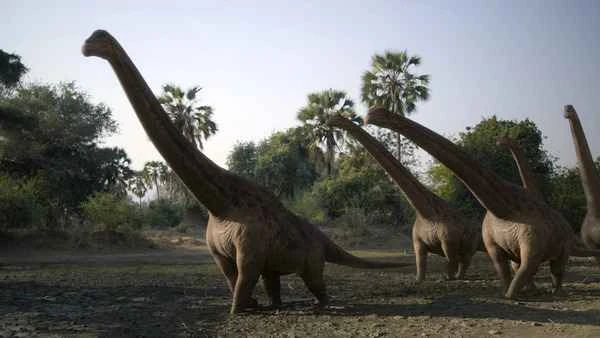
Discovered in Madagascar in 1998, Reperosaurus was a medium-sized sauropod dinosaur. Adults could reach 15 meters (49 feet) in length, and the discovered skeletons of juveniles provide valuable information about its growth and development. It lived approximately 70 million years ago, close to the time of the dinosaur extinction.
From the massive Argentinosaurus to the small yet armored Saltasaurus, the world of dinosaurs is filled with astonishingly large creatures. They not only surpassed all modern land animals in length, but many also reached the limits of weight. These behemoths reveal a world dominated by giants in ancient times, and although they are long extinct, their fossils continue to inspire our exploration and research into paleontology.