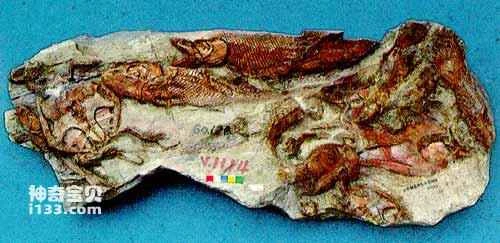
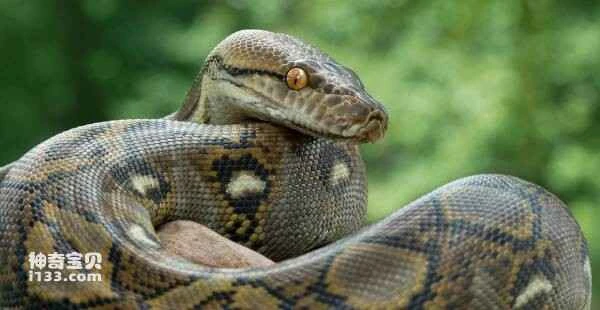
The world is vast and full of wonders, home to many incredible creatures whose forms and characteristics often defy conventional human understanding. What's the most bizarre creature in your mind? Today, we'll take a look at some of the "World's Ten Strangest Creatures," including: tardigrades that can survive in extreme environments, the strangely shaped sturgeon egg hydra, the unusual Welwitschia mirabilis, the alien-looking sea squirt, the giant and mysterious lion's mane jellyfish, the Rafflesia arboreum with its putrid odor, the lurking Bobbit worm, and the ancient and rare Wood's cycad. Let's explore these unimaginable miracles of life together!
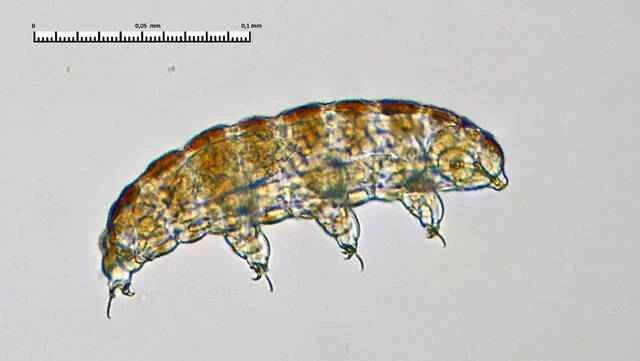
1. Tardigrades (possessing extraordinary vitality / "They won't die unless the sun explodes")
Among various lists of bizarre creatures, tardigrades (also known as water bears) are definitely a "regular." These tiny creatures appeared as early as 500 million years ago and are hailed as "the most tenacious life on Earth." They possess amazing environmental adaptability, surviving for at least 2 minutes in extreme cold environments near absolute zero (-272°C) or high temperatures as high as 151°C; they can survive for several days even in temperatures as low as -200°C, and can live comfortably for more than 30 years in environments as low as -20°C.
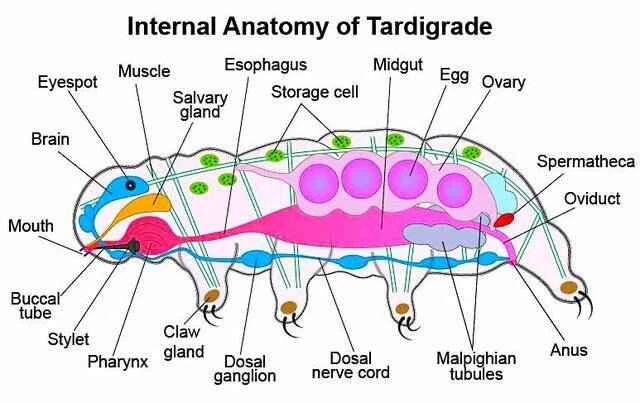
Tardigrades can withstand extremely high levels of ionizing radiation, with a tolerance dose hundreds of times higher than the lethal dose for humans. Under extreme pressure, they remain standing—they can withstand pressure approximately six times that of the deepest ocean trenches on Earth, while humans would have been deformed by the pressure.

In 2017, scientists publicly stated that even if Earth were to experience catastrophic events such as asteroid impacts, supernova explosions, or even gamma-ray bursts, tardigrades would still have a very high chance of surviving. Their resilience is so strong that they are even described as "they will not go extinct as long as the sun is not destroyed."
2. Sturgeon hydra (the "internal organs" grow onto the body surface / the body surface grows into the "internal body")
The sturgeon hydra is an extremely special and mysterious creature, belonging to a separate class within the phylum Cnidaria. This class contains only one order, one family, one genus, and one species. It possesses a peculiar, tentacle-like appearance, making it a true "outlier" among Cnidaria.
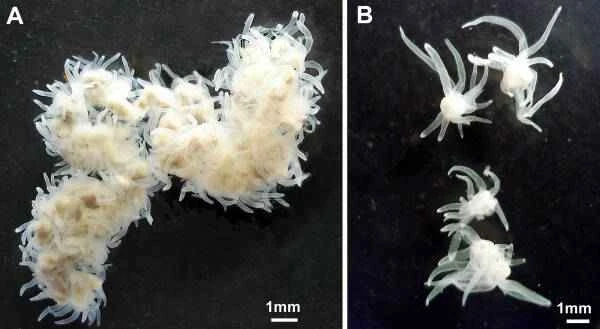
Most surprisingly, the sturgeon hyra is not only adaptable to both freshwater and marine environments, making it the only known cnidarian capable of both freshwater and marine life, but also the only species discovered to live by "egg cell parasitism." Its parasitic development is also extremely unusual, completely different from conventional animals—it undergoes a complete "internal-external inversion" during parasitism, reversing its internal organs to the surface while embedding external tissues inside, resulting in a complete overhaul of its morphology and structure.
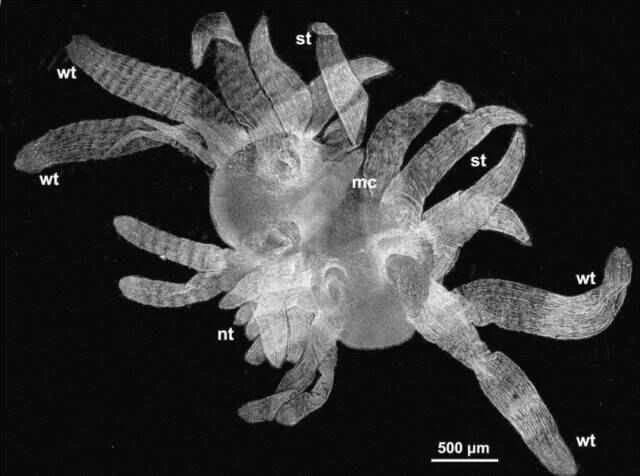
This completely inverted physiological structure allows sturgeon hydra to directly absorb nutrients from the host through its "external viscera," a rare spectacle among parasites.
3. Welwitschia mirabilis (a rare plant that has no relatives on Earth and never loses its leaves)
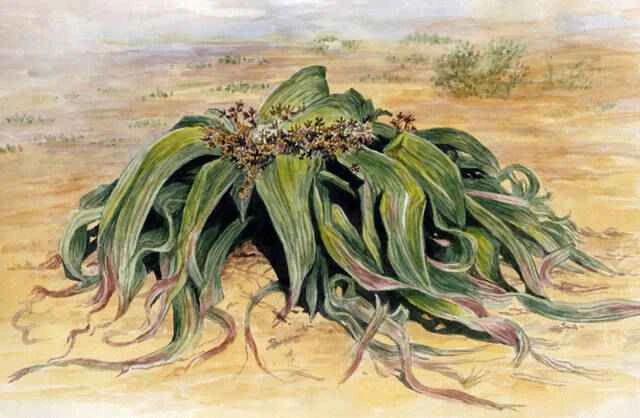
Welwitschia mirabilis is hailed as one of the world's most unique plants. It grows only in the arid desert regions of Namibia, Africa, and can survive relentlessly under extremely harsh climatic conditions. Its lifespan is believed to be between 500 and 1500 years. Most remarkably, it is currently the only plant species on Earth that "never loses its leaves."

This "desert prodigy" dates back to the age of dinosaurs, making it a true living fossil in the plant kingdom. After tens of millions of years of dramatic geological and climatic changes, most of its Mesozoic plants have long since gone extinct, yet Welwitschia miraculously survives to this day. Because it grows in extremely limited areas on Earth, its existence was virtually unknown for a long time until it was formally discovered by botanists in 1859, attracting widespread attention from the scientific community.
4. Sea squirts (which eat their own brains to survive)
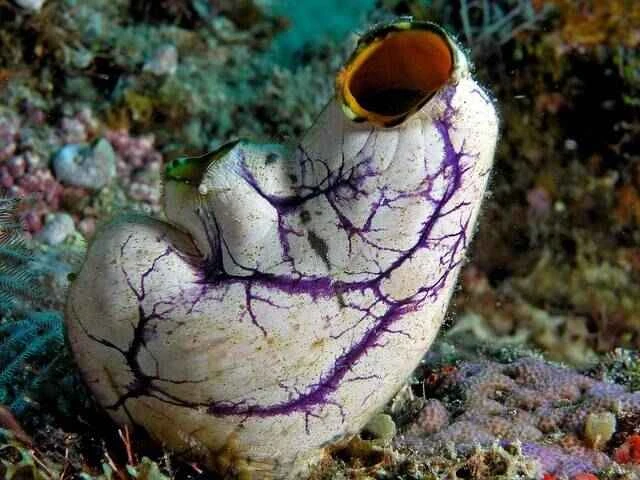
Among all the strange marine creatures, sea squirts are perhaps the most perplexing. In their early life stages, they appear as swimming larvae with a basic body structure and a simple nervous system on their backs. At the front of these nerve endings is a nerve tubercle called a "brain vesicle," used to sense light and gravity. These sensory organs help the sea squirt larvae find suitable rocks or substrates to attach to.
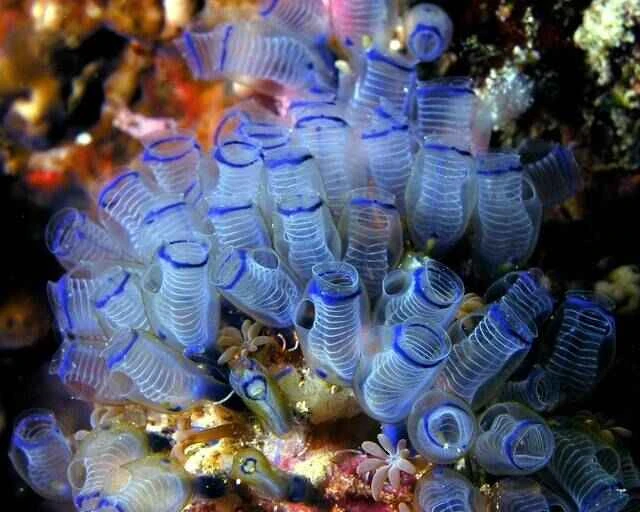
However, once they have completed attaching, they enter adulthood, at which point the sea squirts begin to "abandon" their original sensory abilities: organs used to perceive the world, the nervous system, and even the tail that propels the body are all absorbed and reused. The "brain vesicles" originally used to perceive the environment also degenerate, retaining only basic functions for controlling feeding.
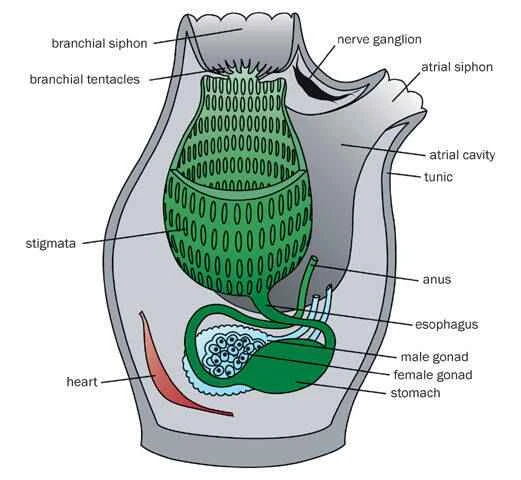
This "reverse development" process, from complex to simple and from having a notochord to not having a notochord, is extremely rare in the entire animal kingdom.
5. Lion's mane jellyfish (the world's largest jellyfish)
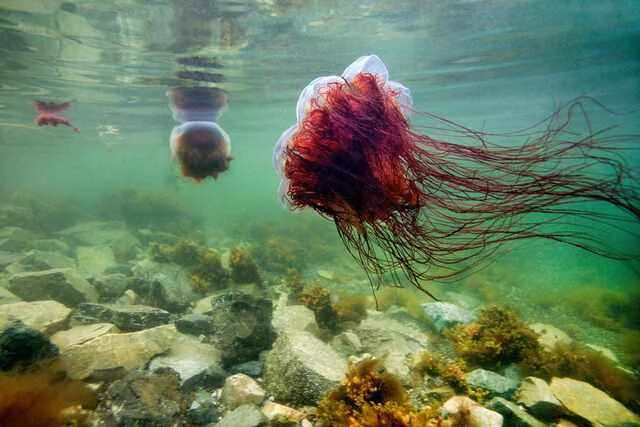
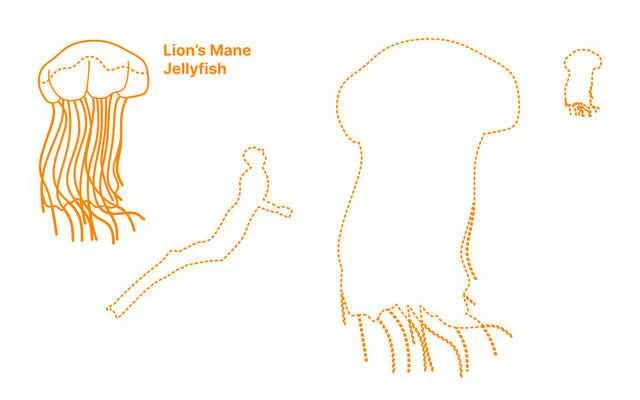
The lion's mane jellyfish is one of the largest jellyfish in existence. It appeared in the Arctic Ocean approximately 65 million years ago, before the age of dinosaurs, making it one of the oldest living species on Earth. This jellyfish has a bell-shaped body that can reach 2 meters in diameter and weigh 200 to 400 kilograms, a truly astonishing size. It possesses eight sets of tentacles, totaling up to 150, with the longest reaching 35 meters—comparable in length to that of a blue whale.
Although their physiological structure is extremely simple, and they don't even possess a true brain, this doesn't mean they are harmless. The tentacles of the lion's mane jellyfish are covered with stinging cells containing venomous needles and venom sacs. Upon contact with human skin, they release toxins that cause pain and even rapid paralysis. Prey or humans entangled by them can become incapacitated within a short period, posing an extremely high risk.
6. Rafflesia (the world's largest flower)
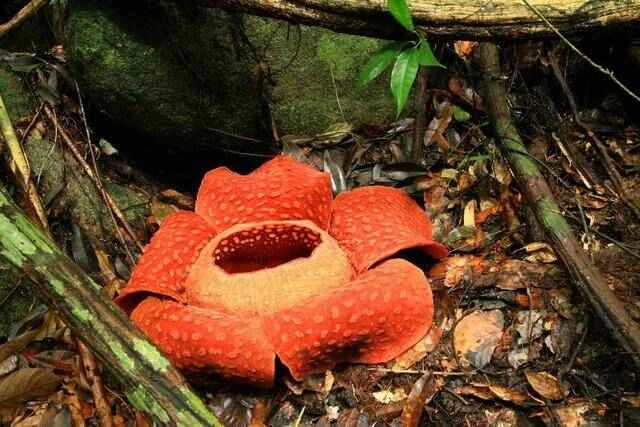
Rafflesia, known as the "King of Flowers," is one of the plants with the largest flowers on Earth, famous for its enormous blooms and pungent, putrid odor. As a saprophytic plant, it grows attached to the roots or stems of other plants, lacking the traditional root, stem, and leaf structure, resulting in a very peculiar appearance.
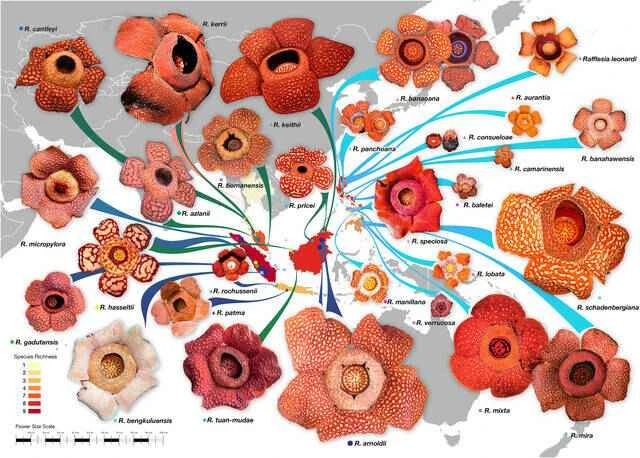
Surprisingly, this enormous flower, which takes a great deal of nutrients and time to develop, has an extremely short blooming period, lasting only about 4 to 5 days. During these few days, the Rafflesia continuously releases a strong odor, similar to rotting flesh or feces. Ordinary insects such as butterflies and bees cannot tolerate the smell and avoid it, but instead attract insects that specialize in the stench, such as carrion flies, to help with pollination.
7. Bobbit worm (the longest polychaete worm)
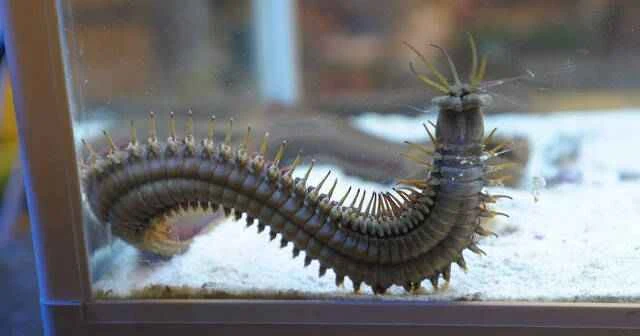
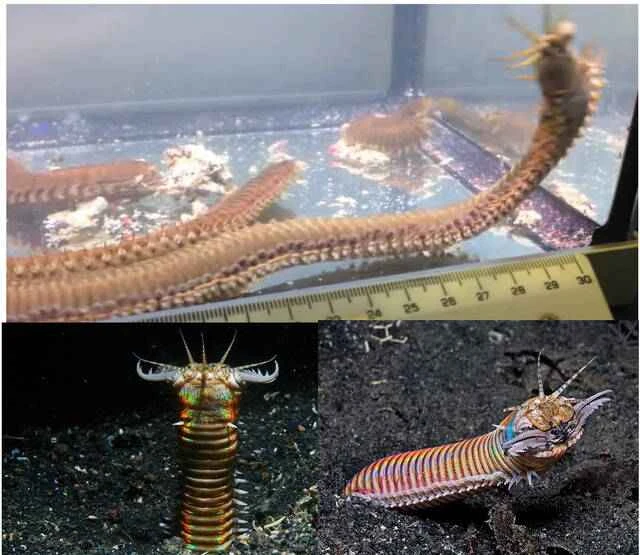
The Bobbit worm is arguably one of the most terrifying and bizarre creatures in the marine world. As early as the 19th century, oceanographers confirmed that it is one of the longest known polychaete worms, averaging 1 meter in length, with some individuals even reaching an astonishing 3 meters. It possesses a very special feeding organ—the "pharynx"—which can protrude from its body and end in sharp, pincer-like mandibles. Once prey gets close, it will cleave it in two with lightning speed.
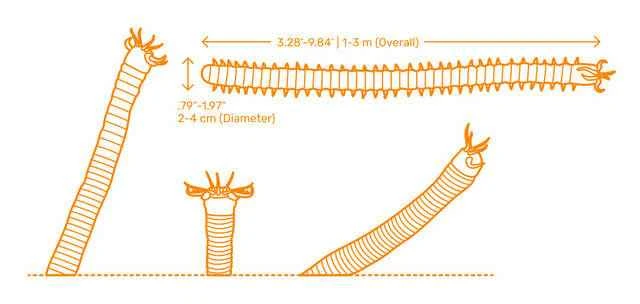
The Bobbit worm hides in the sand and gravel on the seabed, only exposing part of its tentacles to sense its surroundings. When prey approaches, it attacks with lightning speed, potentially injuring small fish, crustaceans, or even unsuspecting divers. After catching its prey, it usually retreats quickly back into its burrow to enjoy it; the entire process is swift and deadly.
8. Wood's Cycas (one of the rarest plants in the world/hermaphroditic)
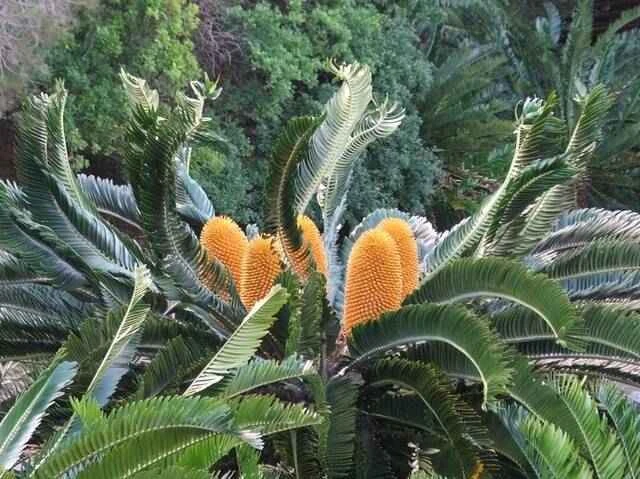
The Wood's Cycad (scientific name: *Encephalartos woodii* ) is considered one of the rarest plants in the world and has been listed as an "extinct in the wild" species. To date, the only known wild specimen of the Wood's Cycad was discovered on a slope at the edge of the Noye Forest in South Africa, making it an extremely precious "unique specimen" in the plant kingdom.

This plant is dioecious, but unfortunately, all the Cycas woodii individuals preserved in botanical gardens around the world are male, meaning they cannot reproduce naturally and are effectively functionally extinct.
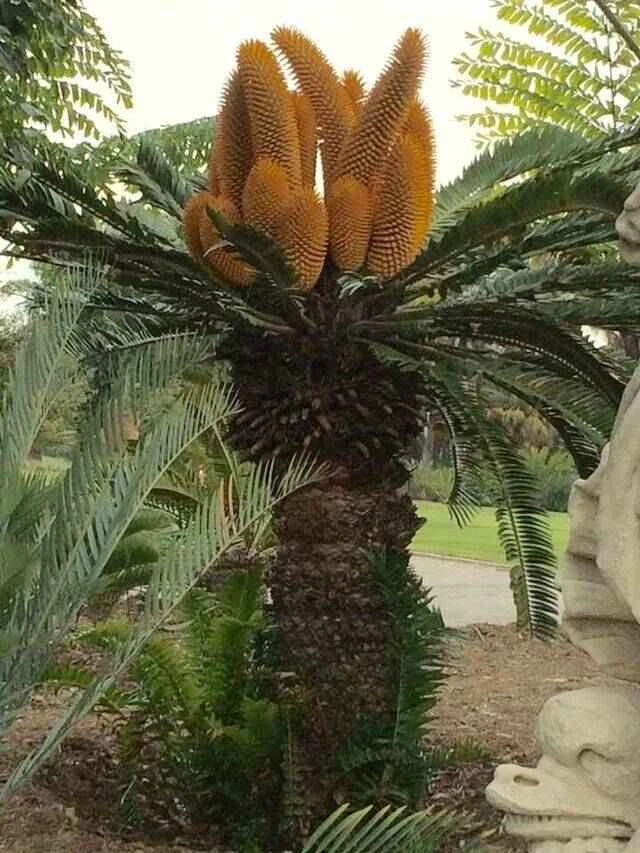
To save this species, researchers are attempting to artificially hybridize existing male plants with their closest relatives, planning to restore the genetic characteristics of purebred Cycas woodii through three generations of repeated backcrossing and selection.
9. Yeti crab (the "hairiest" crustacean)
The Yeti crab is a very rare and unique marine creature that mainly inhabits the deep sea areas of the South Pacific. When scientists first discovered it, they named it " Kiwa hirsuta " because of its unusual appearance. Its most striking feature is that its front claws are covered with dense, silky, long hairs, making it look like it is covered in "hair," hence the descriptive name "Yeti crab."

This crab is entirely white, about 15 centimeters long, and typically lives near hydrothermal vents at depths of 2,200 meters on the ocean floor. Because its physiological characteristics do not match any known crab family, scientists had to create a completely new family and genus for it.
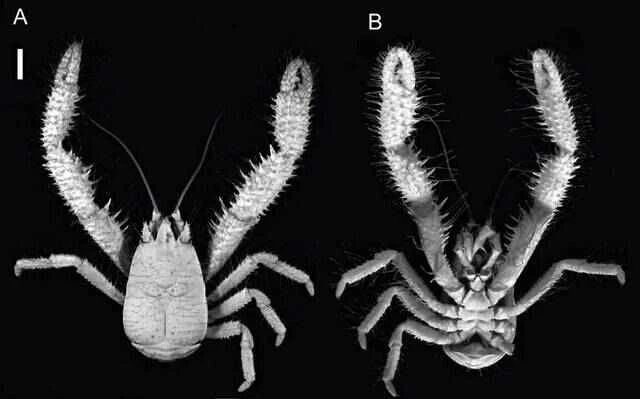
The initial discovery of this creature shocked the biological community, and it wasn't until 2011 that researchers found a second individual of the same species in other sea areas, further confirming the existence and continuation of this unique species.
10. Zombie Fungus (possesses mind control abilities)
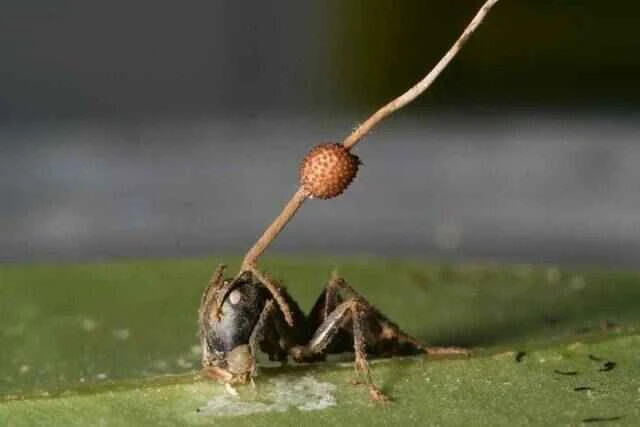
It looks like a plant sprouting from within them. In reality, this rhizome is not a plant, but a new type of fungus called Ophiocordyceps . It is not a single species, but consists of four fungal populations with distinct physiological characteristics, which together possess an amazing ability: to manipulate the behavior of ants and exercise "mind control".
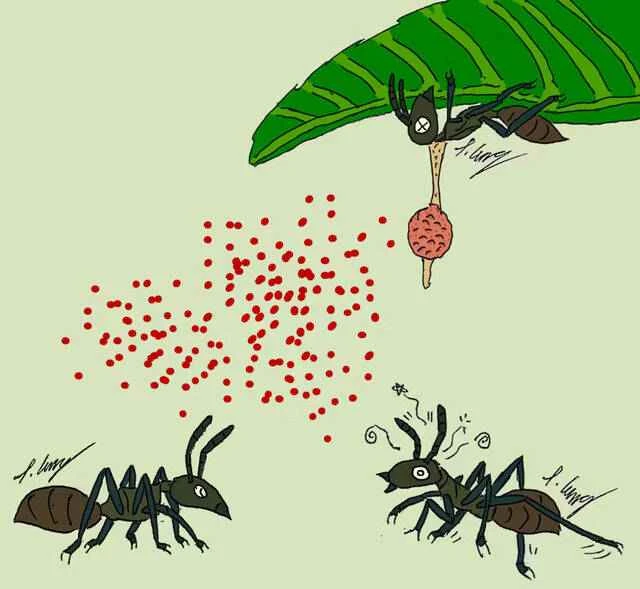
When an ant is infected with this fungus, it quickly invades the host's brain, chemically affecting its nervous system, causing it to lose its will, and forcing it to leave the colony and head to the environment most suitable for the fungus's growth and spore dispersal. Once the ant reaches the designated area, the fungus "executes" a fatal command—killing the host and emerging from the ant's head like a cocoon, growing a stalk-like structure for releasing spores.