Chile, with its vast north-south span, boasts diverse ecosystems including deserts, mountains, forests, wetlands, and coastlines, fostering rich biodiversity. However, due to the increasing degradation of ecosystems, environmental pollution, overhunting, and habitat destruction in recent decades, many native Chilean animals are facing extinction. It is estimated that approximately 120 Chilean animal species are currently endangered.
Below, we will introduce 13 of Chile's most representative endangered animals and provide conservation measures that humans can take.
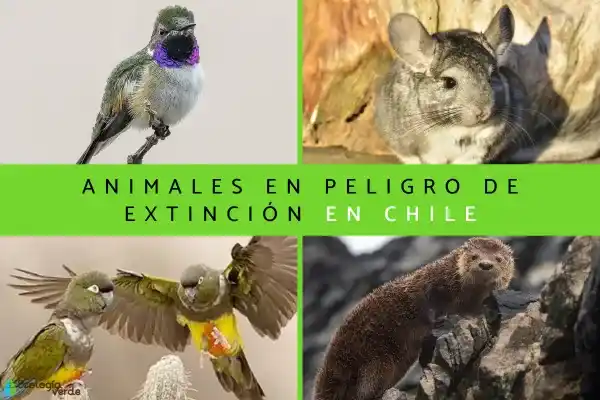
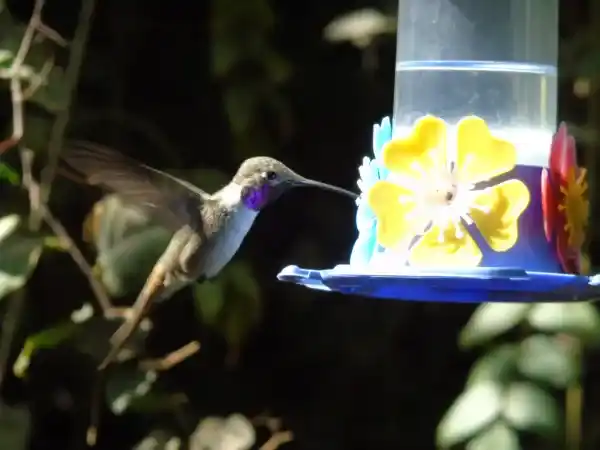
1. Eulidia yarrellii (Hummingbird)
Size : About 8 cm long, it is the smallest bird in Chile and one of the smallest birds in the world.
Characteristics : The male bird has purple sides on both sides of its throat and black front.
Distribution : Mainly concentrated in Arica and Antofagasta, with a population of only about 300 .
Threat : The use of pesticides and insecticides has destroyed its habitat, making it one of Chile's most endangered bird species.
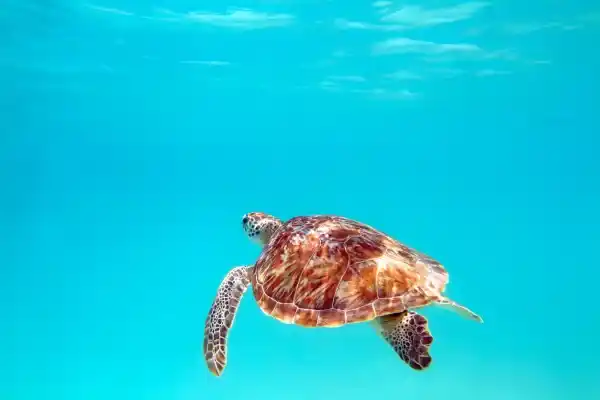
2. Loggerhead turtle ( Caretta caretta )
Other names : also called "rough-skinned turtle" or "red sea turtle".
Size : The average shell length is 90 cm and the weight is about 135 kg. The shell is wide and reddish-brown, with five pairs of scutes.
Distribution : Found in the subtropical and temperate seas of northern and central Chile.
Conservation status : Critically endangered species .
Threats : Bycatch in fisheries, marine pollution.
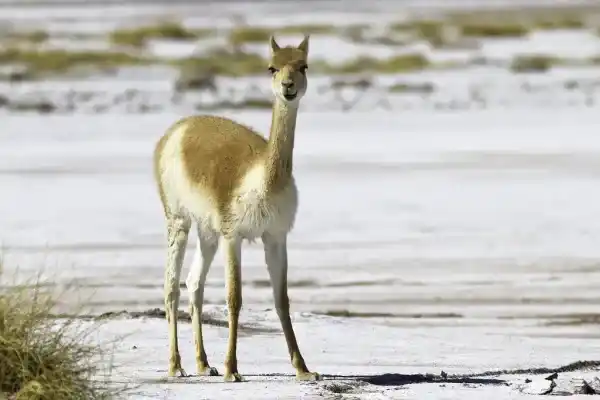
3. Alpaca ( Vicugna vicugna )
Size : Weight 40–50 kg, height approximately 75–85 cm.
Coat color : Brownish-red or beige on the back, and white on the belly and limbs.
Distribution : Concentrated in the highlands of the Arica and Atacama regions.
Threat : Because its wool fibers are extremely valuable, it is often illegally hunted to make textiles.
Note : Its domesticated species is the alpaca, and its close relatives include the llama.
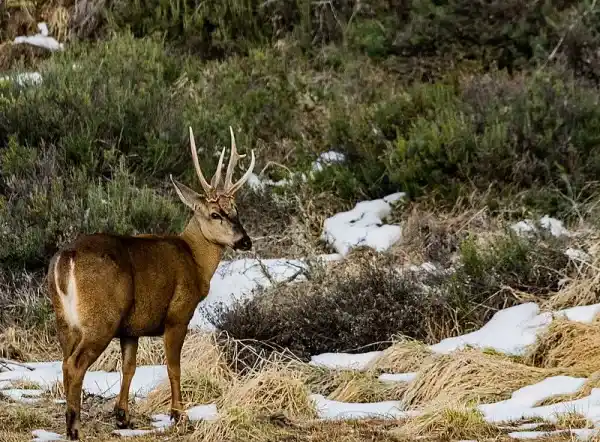
4. South Anchor Deer ( Hippocamelus bisulcus )
Characteristics : Short-legged, robust deer, with females being slightly smaller.
Size : Body length can reach 165 cm.
Coat color : The coat is thick and dense, and varies in color from light beige to dark brown depending on the season.
Distribution : Scattered in the lake region, Aisen, Magellan and Biobio, etc.
Threats : Parasites, dog attacks, habitat being converted into pasture or industrial land.
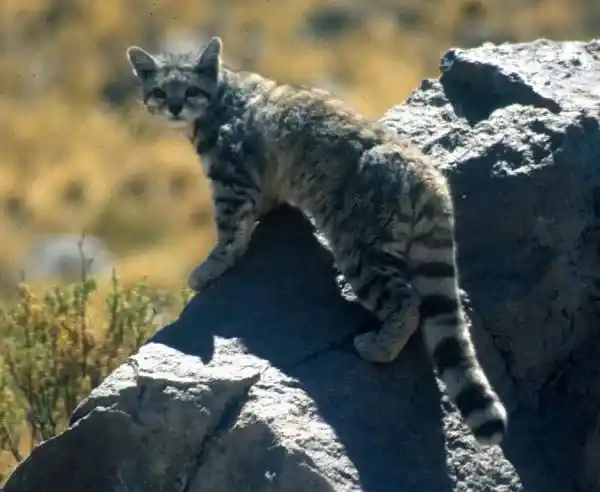
5. Andean wildcat ( Leopardus jacobitus )
Number : One of the rarest feline species in the world.
Size : Body length 60–80 cm, with an extremely long tail that accounts for two-thirds of the body length.
Habitat : Lives in the Andes Mountains at altitudes of 3,000–4,000 meters.
Threats : Illegal hunting, habitat destruction.
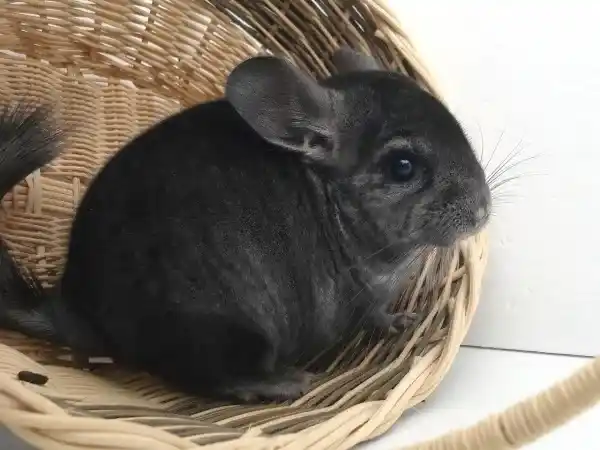
6. Mountain Chinchilla ( Chinchilla chinchilla )
Size : 22–25 cm in total length, with a long tail.
Distribution : Andes Mountains and the Thirty Cross National Park.
Threats : Its fur is extremely valuable and it is hunted extensively; in addition, road construction and mining activities also threaten its habitat.
Current status : The population has decreased by about 90% within three generations and has been listed as critically endangered in Chile.
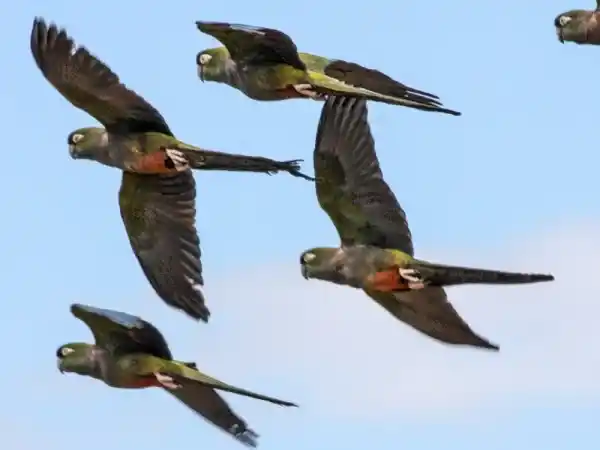
7. Tricolor Parrot ( Cyanoliseus patagonus bloxami )
Characteristics : The largest parrot in Chile, measuring 37–43 cm in length.
Feathers : The back of the head is olive green, with a white ring around the eyes, and the chest is grayish-brown with irregular white bands.
Distribution : Moray and O'Higgins regions.
Threats : Being illegally captured as a pet and subjected to illegal trade.
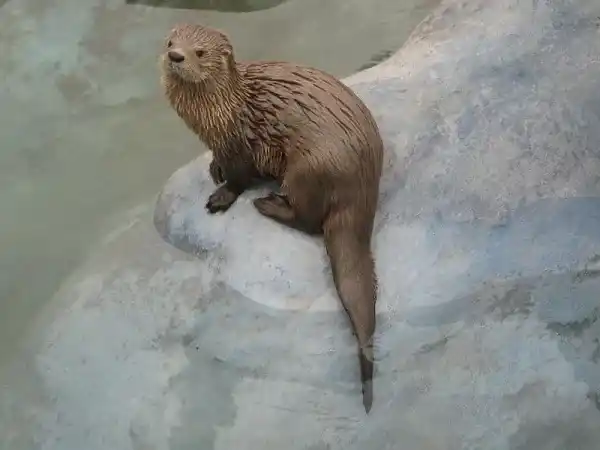
8. Sea otter ( Lontra felina )
Characteristics : It is the smallest otter species and the only otter that inhabits the ocean.
Size : Body length 70–80 cm, plus tail approximately 120–130 cm, weight around 5 kg.
Distribution : From Valparaiso to Tierra del Fuego.
Threats : Entanglement in fishing nets, hunting with fur.
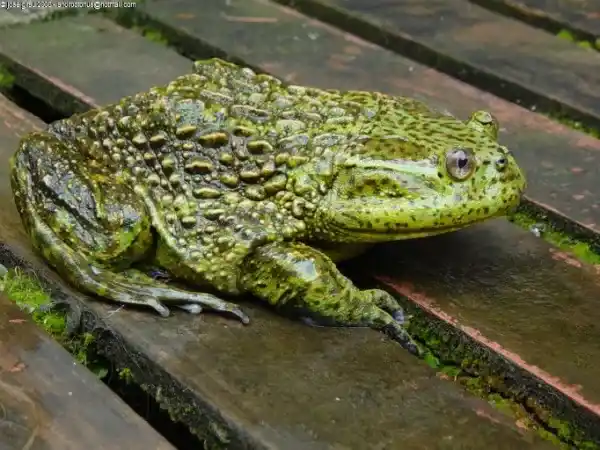
9. Chilean frog ( Calyptocephalella gayi )
Size : The largest amphibian in Chile, usually 20 cm in length, with recorded individuals reaching 75 cm.
Threats : Prey for meat, and competitive pressure from invasive species.
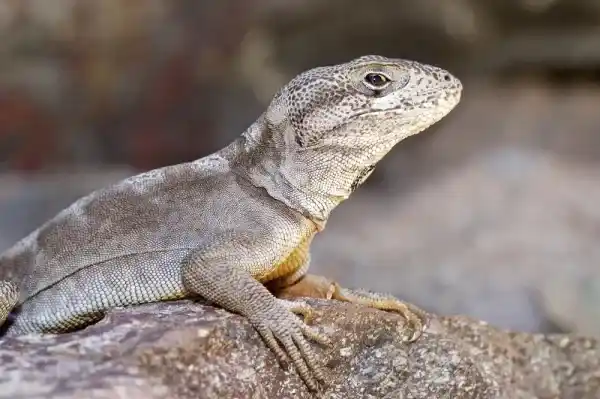
10. Volcanic Monitor Lizard ( Pristidactylus volcanensis )
Characteristics : Strong and sturdy lizards, with little difference in appearance between males and females.
Size : The length from head to cloaca is about 85–95 mm, excluding the tail.
Distribution : Maipo River region and Río Clarillo National Park.
Threats : Tourism development, mining activities, illegal fishing.
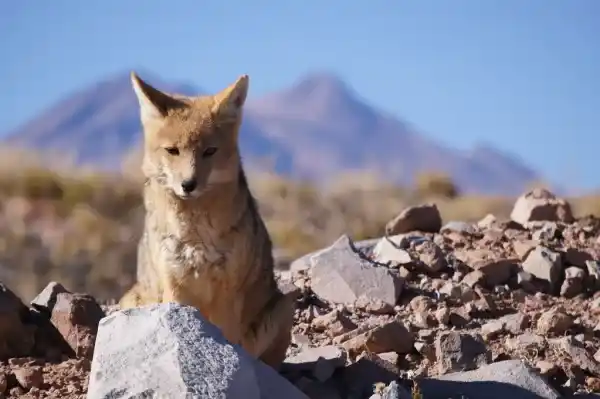
11. Culpeo Fox ( Lycalopex culpaeus )
Other names : Red fox, Chilean fox. The second largest canid in South America.
Size : Weighs up to 9 kg, with a body color of reddish-brown and gray, and white abdomen and mouth and nose.
Threat : Historically, livestock were hunted or poisoned by herders.
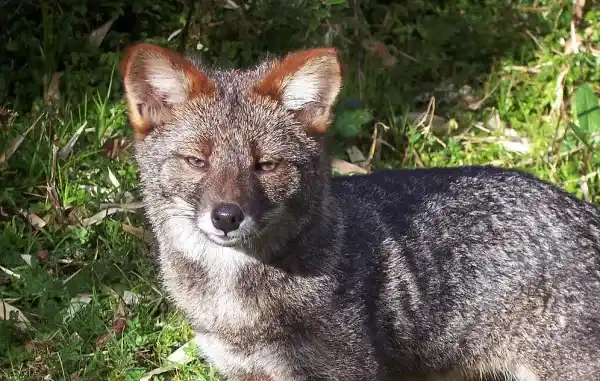
12. Chilean Fox/Darwin's Fox ( Lycalopex fulvipes )
Current status : One of the most endangered canids in the world, with no subspecies.
Size : 50–70 cm in length, 1.8–4 kg in weight, petite in stature.
Quantity : Approximately 650–2,500 .
Threats : habitat destruction, dog attacks, poultry farmer persecution, and even poaching by tourists.
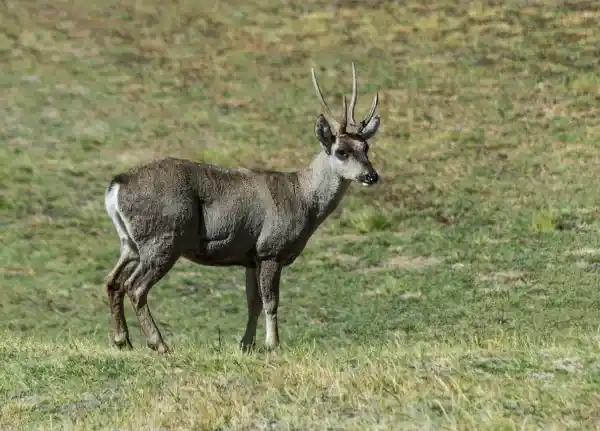
13. Andean deer ( Hippocamelus antisensis )
Alternative name : Taruca.
Size : Smaller than the Nan'an deer, weighing 45–60 kg.
Distinctive features : Males have black V or Y-shaped markings on their foreheads.
Quantity : Only 12,000–17,000 remain.
Threats : Overhunting, competition with livestock for food, and habitat alteration.
How can we help Chile's endangered animals?
Protecting endangered species requires not only government action but also public participation:
Policy level : Strictly restrict hunting, illegal trade and animal exploitation, and increase penalties.
Nature Reserve Development : Establish more nature reserves and national parks to ensure habitat security.
Public responsibility : Reduce environmental pollution and avoid purchasing wild animals or their products.
Education and Public Awareness : Popularize knowledge about endangered animal protection and raise environmental awareness.
Summarize
Chile boasts unique biodiversity, but many animals are on the verge of extinction. From the tiny Arica hummingbird to the massive loggerhead turtle, from the rare Andean cat to the vulnerable Chilean fox, these species are vital components of its natural heritage. Protecting them means protecting the future of Chile's and the planet's ecosystem.
References
Barrio, J., Nuñez, A., Pacheco, L., Regidor, HA, and Fuentes-Allende, N. (2017). *Hippocamelus antisensis*. IUCN Red List of Threatened Species 2017. Link: e.T10053A22158621. https://dx.doi.org/10.2305/IUCN.UK.2017-2.RLTS.T10053A22158621.en