The ability to defeat other animals required a combination of strength, speed, balance, and weaponry. Most theropod dinosaurs relied on these skills and assets to find food, although some theropods appear to have adapted to filter-feeding or herbivorous lifestyles.
Most theropod dinosaurs shared the same overall body structure—a powerful, lightweight frame, two relatively long legs, a sturdy, balancing tail, and sharp claws—for hunting.
However, theropod dinosaurs varied greatly in body size, arm length, skull structure, and claw shape. This suggests that they used different methods to subdue their prey. By carefully observing these characteristics and comparing them with those of modern predators, we can discover what these methods might have been.
How do live predators attack?
Live predators varied greatly in size and weaponry, and used different techniques to attack their prey. Some of these techniques may have been similar to those used by dinosaurs.
Examples include:
Cheetah: Devastating speed and agility
Lions: Use tracking tactics and elements of surprise for group hunting before relying on speed and power.
Crocodiles: primarily rely on ambush and physical strength, possessing immense bite force and enormous teeth.
Eagle: Powerful talons, excellent eyesight, speed, and agility
It's important to remember that most extant carnivores prefer to hunt old, sick, or young animals because these are the easiest and safest prey options. This suggests that large theropods might not have preyed on large, healthy adult herbivores. Fossil evidence supports this, as bite marks have been found on the remains of juvenile dinosaurs, or food preserved in the viscera of large theropods.
Dinosaur Attack
How did different theropod dinosaurs attack each other?
Some theropods, such as Albertosaurus and Giganotosaurus, may have used a "biting and slicing" technique to attack rather than kill outright. This may have helped them prey on large sauropod dinosaurs.
Coelophysis baumannii was a small theropod dinosaur with slender, lightweight bones and a long tail to enhance its attack speed and agility. The mass burial of more than a dozen such dinosaurs suggests they may have been social animals.
Sinornithosaurus was an active and agile species, likely hunting in groups. It was probably adapted for leaping, as its strong tail served as a balancer, allowing for precise targeting and the release of powerful claws. It's difficult to say whether this contributed to attacking prey or leaping between branches.
The Mongolian Velociraptor was a small and agile carnivore. A fossil specimen from Mongolia preserves an individual fighting its presumed prey, the Protoceratops. There is no evidence that it hunted in packs, although some of its close relatives did. The species possessed many bird-like features, including long arms, feathers, and a wedge-shaped bone. It also had a specialized claw on its second toe, which it used to grip the ground while walking. This claw was likely used to pierce or seize prey.
Tyrannosaurus Rex typically possessed a sturdy skull, a massive jaw, and a bulky body. These features likely helped them withstand the impact of struggling prey and provided enough power to crush bones. However, the Tyrannosaurus Rex Alioramus altai from Mongolia differed from other members of its family. It had a long, slender head, a thin jaw, and a lean, agile body—features better suited for hunting smaller prey, using speed instead of brute force.
Use claws
Killing with claws?
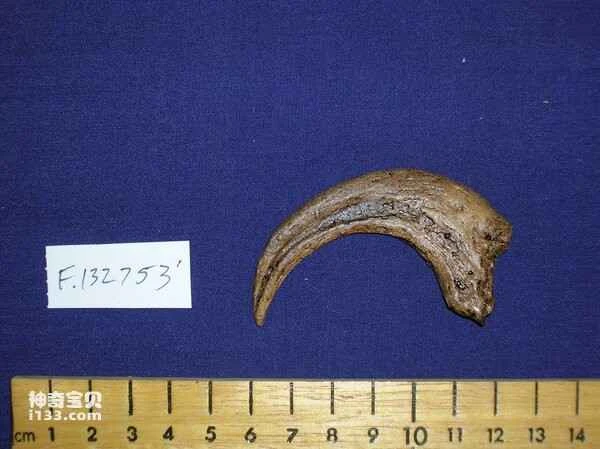
Utahraptor, Velociraptor, and Deinonychus all possessed a specialized second toe (the innermost toe that touched the ground) with a large claw used to kill prey. This toe had a joint that allowed it to move in a wide arc, providing additional downward force to the claw. While most scientists believe this special claw was used to deliver a fatal blow, some think it functioned more like a grappling hook to seize prey.
Are claws for grabbing?
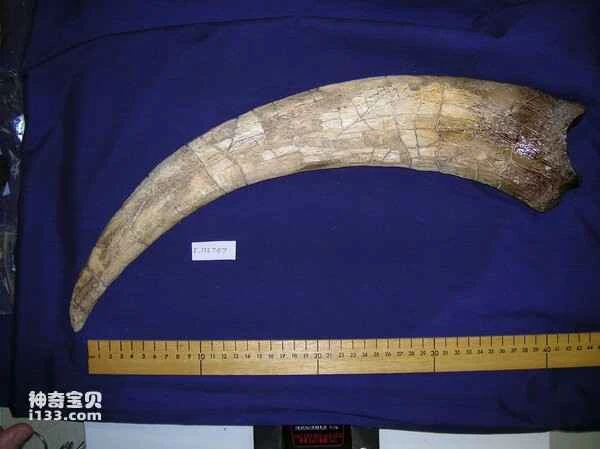
Crocodile lizards had long forelimbs and curved claws. They were well-suited to scooping fish from the water into their mouths, perhaps like some bears do today. Dilophosaurus also possessed long arms and strong claws, which they likely used to help capture prey.
Another theropod dinosaur that may have used long forelimbs and claws to catch food is Bambiraptor. It had first and third fingers that were opposite each other, which allowed it to grasp small prey—an unusual feature seen in only a few other dinosaurs.
Are claws used for suppression?
Allosaurus possessed large, powerful claws on its hands and feet, which it likely used to grab or subdue prey as it killed them with its jaws and teeth. These claws are typical of large theropod dinosaurs.
Some large theropods, such as Carnotaurus and Tyrannosaurus Rex, had large claws but short arms that didn't reach their mouths. These forelimbs may have been small, but their muscles were extremely powerful.
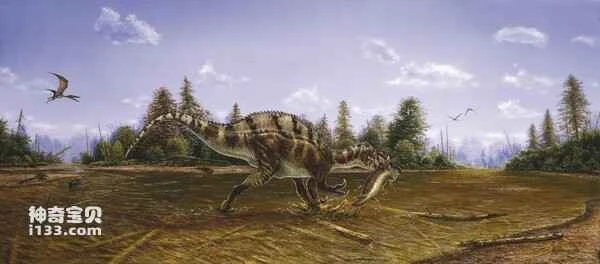
Which theropod dinosaurs did not attack?
The theropod dinosaurs described here have unusual characteristics that suggest they did not track and attack live prey.
Therizinosaurus was a theropod with impressive claws that, while appearing savage, were likely used to strip vegetation or tear apart termite mounds, much like echidnas and monitor lizards do today. Its large and heavy size suggests it was rather slow, and it possessed only small teeth in its beak.
It resembled an ostrich with a beak-like lower jaw and no teeth. It likely fed on plants and insects, like other ornithomimids.
Fossils of the ornithopod have been discovered, and some soft tissues of its lower jaw have been preserved. These tissues resemble those of some living water birds, such as flamingos, which feed by filtering food from sediments in lakes and rivers.
Did you know: Who is smarter, the predator or the prey?
Evidence suggests that theropod dinosaurs may have been more intelligent than their prey. Their brains were typically twice the size of those of herbivores of similar size.