The black mamba (scientific name *Dendroaspis polylepis *) belongs to the family Elapidae, almost all of which are highly venomous snakes. The black mamba is not only one of the most iconic venomous snakes of Africa , but also one of the most dangerous snakes in the world. Besides its potent venom, its size, speed, and attack methods are all striking characteristics.
This article will provide a comprehensive analysis of this fearsome venomous snake, covering its physical characteristics, habitat, hunting habits, behavioral features, reproductive methods, and venom composition .
External features
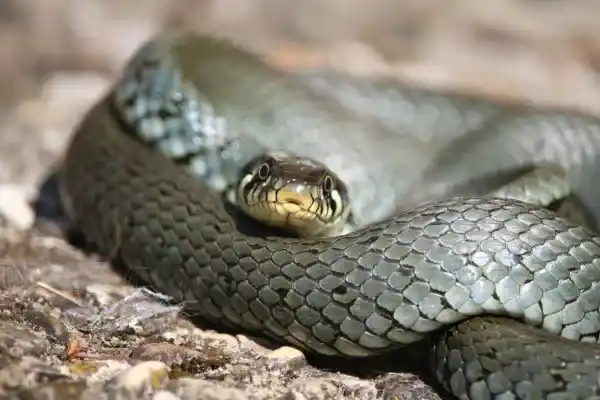
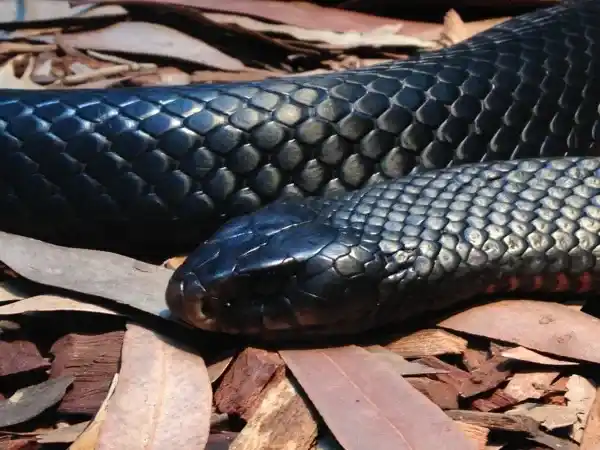
Body color : The back is dark green or grayish-brown, while the abdomen is lighter, white or beige; the most distinctive feature is the deep blue-black inside of the mouth , which is also the origin of the name "Black Mamba".
Body length : Adult black mambas average 2.5 meters in length, with the longest reaching 4.5 meters , making them one of the longest venomous snakes in Africa.
Head shape : The head is long and narrow, and its shape is somewhat like a coffin, hence the name "coffin head".
Habitat
The black mamba is mainly distributed in southern and eastern Africa, including countries such as Congo, Ethiopia, Uganda, Zambia, Tanzania, Malawi, Mozambique, and Kenya.
Common environments : Prefers dry regions, such as savanna and semi-desert areas, usually below 1,000 meters above sea level.
Adaptability : It can survive in rainforests or humid forests, and its distribution altitude can reach 1,600–1,800 meters .
Activity patterns : They mostly live on the ground, inhabiting bushes, caves, and rock crevices; sometimes they also climb trees, especially in densely vegetated environments.
Predation and feeding habits
Black mambas are diurnal predators , primarily hunting:
Small mammals
birds
Reptiles
It uses its extremely fast movement speed and highly lethal venom to capture its prey:
Once it bites its prey, the venom will paralyze or kill the prey within seconds to minutes .
Like most snakes, the black mamba opens its jaws wide and swallows its prey whole, then its digestive system breaks it down and digests it.
Behavioral characteristics
Activity patterns : Most active during the day, and one of the fastest snakes in the world, with a top speed of up to 20 km/h .
Personality : Usually timid, prefers to live alone, but is very territorial .
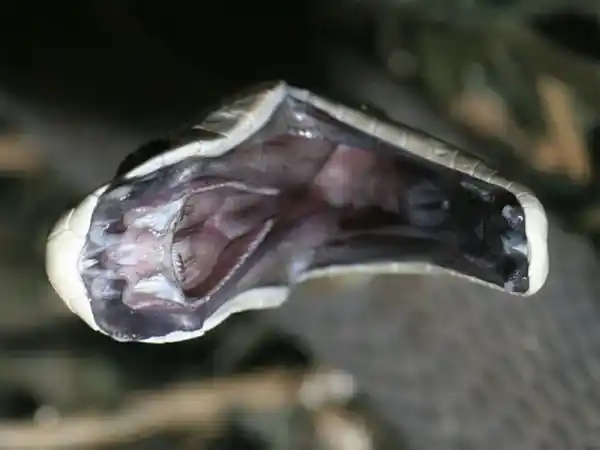
Defensive posture : When threatened, it raises the front of its body, unfolds the skin folds on both sides of its neck (similar to a cobra), and opens its black mouth, hissing as a show of force.
Attack method :
It doesn't attack just once, but rather it will bite repeatedly and rapidly .
Each bite injects a large amount of venom until the prey is completely unable to resist.
Threat to humans : In Africa, the black mamba has caused numerous human deaths and is known as "Africa's deadliest snake".
Reproduction methods
Black mambas breed once a year, usually in the spring:
Courtship : Male snakes will engage in a power struggle, using their bodies to entangle and their heads to fight for mating rights.
Egg laying : After mating, the female snake lays 6–17 eggs in a cave or secluded place.
No parental care : After laying eggs, the female snake does not protect them. The young snakes live independently after about 3 months of hatching and are born with the ability to hunt and defend themselves.
Venom characteristics
Black mamba venom is extremely dangerous, containing:
Neurotoxins : rapidly paralyze the nervous system, leading to respiratory failure.
Cardiotoxins : These act on the heart, causing arrhythmias and even cardiac arrest.
Venom power:
Each bite can inject approximately 100 milligrams of venom .
The lethal dose for adults is only 10–15 mg .
Although the black mamba is one of the deadliest snakes in the world , it is not the most venomous. The most venomous snake in the world is considered to be the inland taipan .
Summarize
The black mamba is one of the most feared venomous snakes in Africa, characterized by its enormous size, incredible speed, alert nature, and deadly venom . Although it is known as a "cold-blooded killer," it does not actively attack humans, typically only displaying aggression in self-defense or to protect its territory.
Understanding the black mamba not only helps us appreciate the awe-inspiring biodiversity in nature, but also reminds us to maintain respect and reverence when interacting with wild animals.