Scientists are increasingly convinced that feathers did not evolve for flight. We know that birds evolved from reptiles. Reptiles (like dinosaurs) initially developed feathers to keep warm and help them attract mates. However, some non-avian feathered dinosaurs could not fly like birds; at most, they would launch themselves into the air and glide from one place to another, rather than actually fly. This point was discussed in the article "There Were No Flying Dinosaurs, We Were All Wrong Before."
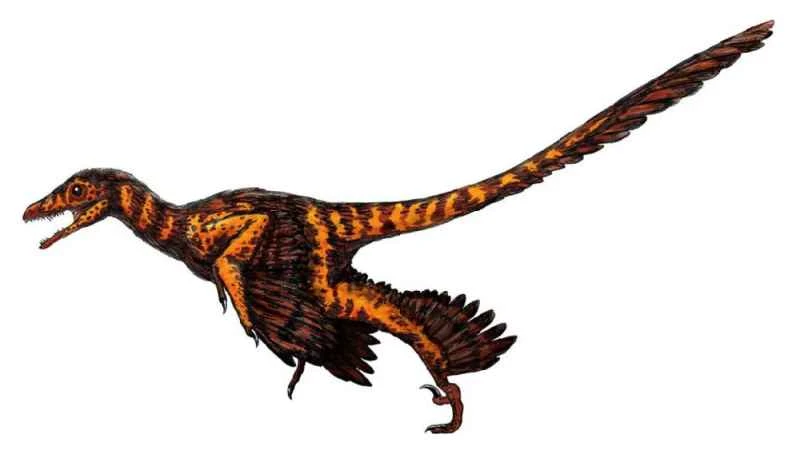
In our conventional understanding, feathers and flight seem closely linked; birds soar freely in the sky with their light feathers, their graceful figures like the sky's exclusive dancers. But can you imagine? Animals evolved feathers not initially for the purpose of flight.
I. Early Forms and Functions of Feather Evolution
Scientists have discovered in their research on prehistoric dinosaur fossils that those prehistoric dinosaurs that later evolved into birds had feathers with a multi-layered structure, like a carefully woven warm "coat" by nature, which played a key role in maintaining body temperature.
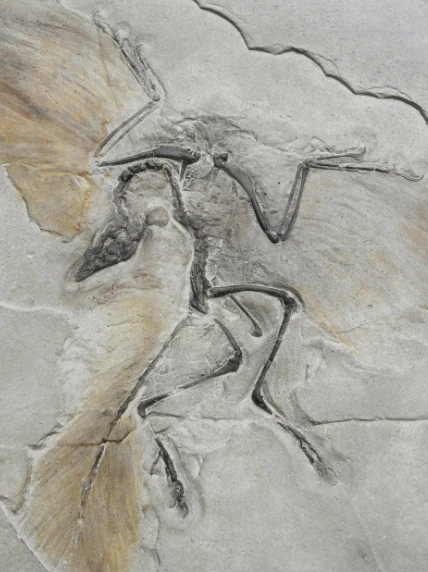
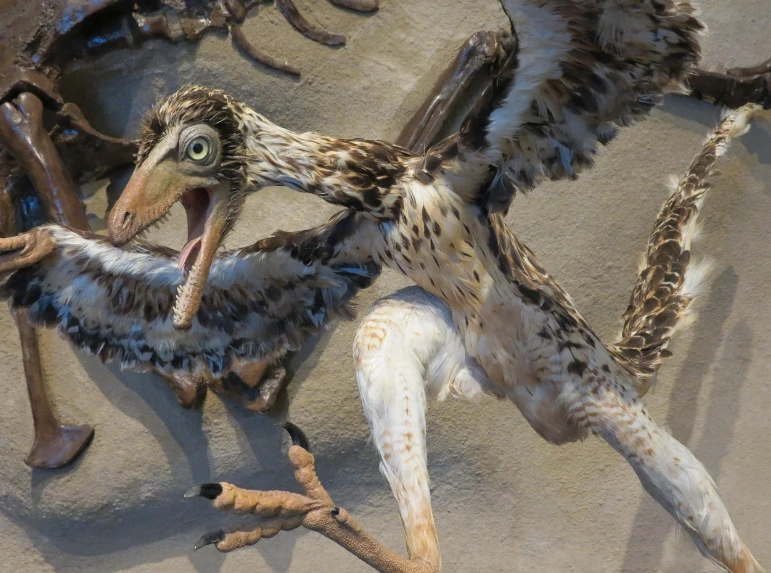
Take Anchiornis huxleyi and Archaeopteryx as examples. These two prehistoric species, which combined features of dinosaurs and birds, had wings that differed greatly from those of modern birds. They were composed of long, layered feathers. These feathers were relatively soft due to their slender shafts. Although they could form a sturdy wing surface, they were far from possessing the soft, aerodynamic structure of modern bird feathers.
The earliest feathers were more like simple insulation devices, helping prehistoric animals maintain their body temperature in cold environments. Imagine these animals with primitive feathers in the ancient, icy wilderness, like being wrapped in a natural blanket, struggling to survive in the cold winds. These feathers, which evolved for warmth, became an important guarantee for their survival in harsh environments.
II. The Long Evolutionary Path from Warmth to Flight
Over millions of years of natural evolutionary selection, feathers have gradually changed. What began as simple, warm feathers began to evolve more complex functions. In this process, feathers first developed features such as display and camouflage.
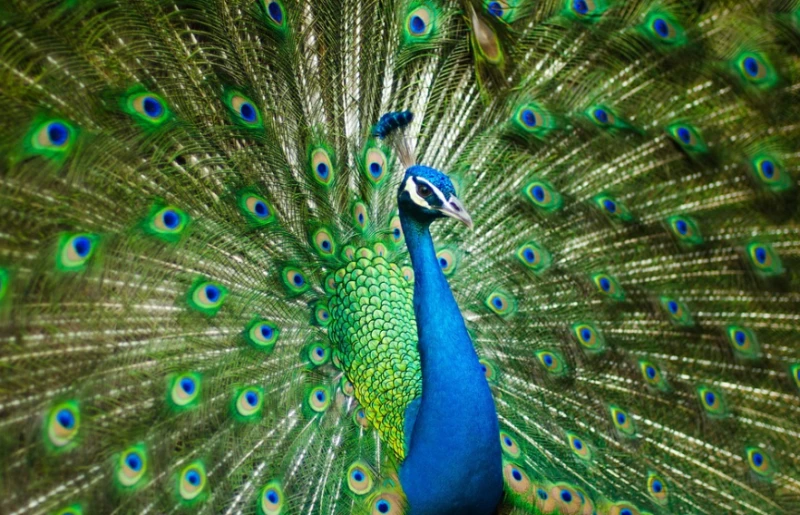
Just like peacocks today, the male peacock's colorful feathers spread out during courtship, resembling a giant rainbow fan, attracting the female peacock's attention. This is a vivid manifestation of the display function of feathers. On the other hand, the colors and patterns of some birds' feathers can blend into the surrounding environment, allowing them to cleverly hide in front of predators. This demonstrates the camouflage function of feathers.
As feathers evolved, the body structure of animals also changed. Their bones gradually became lighter, and their muscles became more developed, all of which created favorable conditions for flight. Animals that originally relied solely on feathers for warmth began to attempt simple flight activities using their feathers. From initially only being able to glide, to later being able to achieve true flight by flapping their wings, this process was filled with countless challenges and opportunities.
III. The Profound Impact of Feather Evolution on Animal Survival and Ecosystems
The evolution of feathers not only changed the way individual animals survived, but also had a profound impact on the entire ecosystem. For animals capable of flight, their range was greatly expanded. They could easily cross mountains, rivers, and oceans to find richer food resources and more suitable habitats. This gave them an advantage in competition with other animals and promoted species differentiation and diversity.
In the ecosystem, flying animals form a unique link. They play an important role in the food chain, acting as both predators and prey. Their existence affects the survival and reproduction of other organisms, maintaining the balance of the ecosystem. For example, some small flying birds feed on insects, effectively controlling insect populations and preventing excessive insect reproduction from damaging plants; while they themselves become prey for large birds of prey, providing them with a food source.
The evolution of feathers is a miraculous process, showcasing the continuous adaptation and evolution of life over countless years. Initially developed for warmth, feathers ultimately led animals to conquer the skies, opening a new chapter in biological evolution. This makes us marvel at the incredible creativity of nature and the endless mysteries of biological evolution.