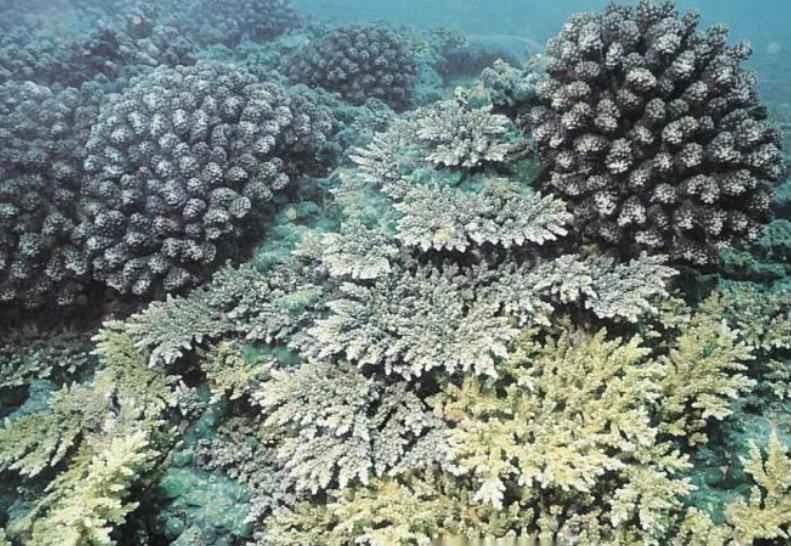
1. Staghorn Coral
Staghorn corals, named for their branching, antler-like growth habit, are coral reefs found in the Indo-Pacific region. They are among the most abundant coral species, including species such as *Sterculia esculenta*, *Sterculia pulvinata*, and *Sterculia rugosa*. Their coral cups are small and simple in structure. Staghorn corals inhabit fast-flowing waters at depths of 0.5-20 meters. Like other corals, they have a symbiotic relationship with zooxanthellae, obtaining 70% of their nutrients through photosynthesis. At night, the coral polyps prey on plankton. The peak reproductive period for staghorn corals occurs in the South Pacific, typically in November.
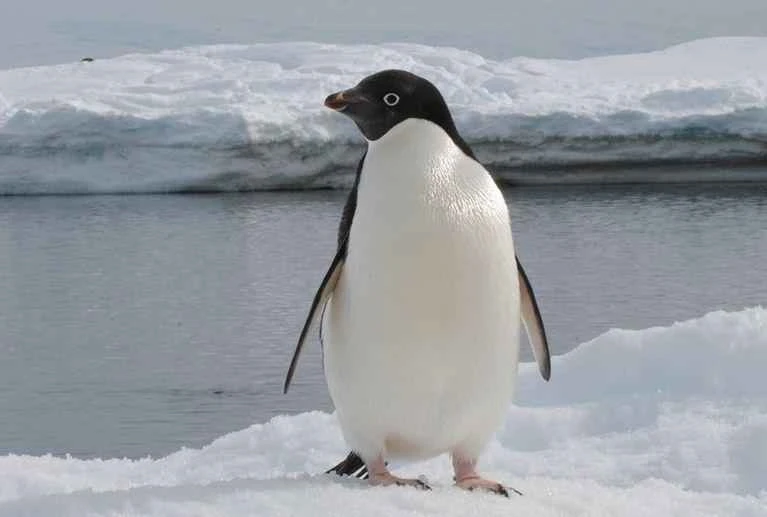
2. Adelie Penguins
Adelie penguins are a medium-sized penguin species, measuring 72-76 cm in length. Like many penguin species, males and females are similar in color and appearance, making them difficult to distinguish. Adelie penguins encircle the Antarctic coast and nearby islands, wintering in the ocean. Antarctic experts believe this is another catastrophic impact of climate change on the Antarctic region. The most severely affected Adelie penguin population is projected to decline by 80%, and if the weather does not improve in the short term, the situation could worsen; the species may disappear from the earth within 10 years.
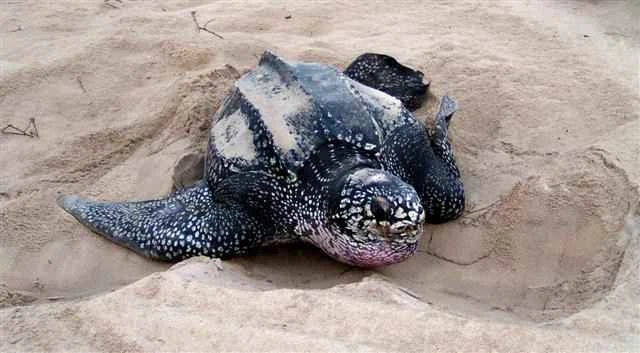
3. Leatherback sea turtle
Leatherback sea turtles are endangered, partly because they frequently get entangled in fishhooks while swimming in the ocean, leading to their deaths. However, these courageous turtles still inhabit oceans around the world. Leatherback sea turtles can grow up to 9 feet long and weigh over 2,000 pounds. Male leatherback sea turtles never leave the ocean, spending their entire lives there, while females only come ashore to build nests and lay eggs.
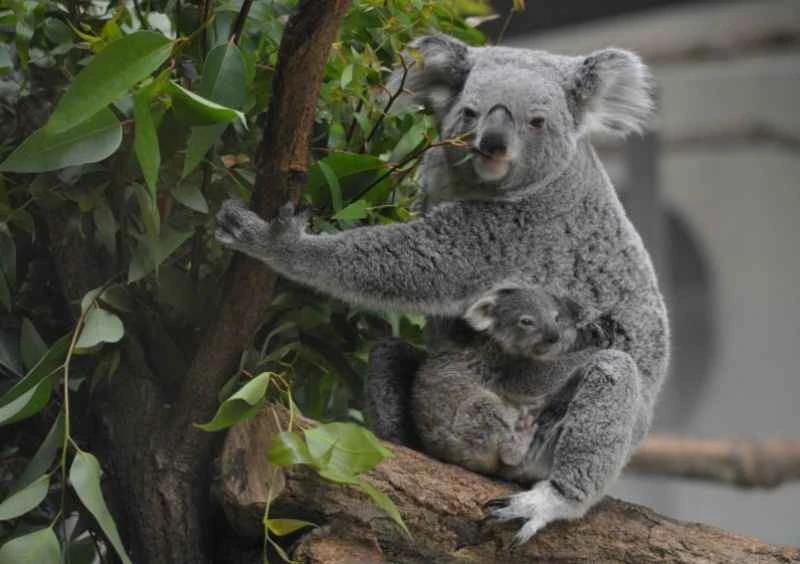
4. Koala
Koalas are plump, with thick, bushy fur and no tails. They spend most of their time in trees, almost their entire lives, perched on eucalyptus trees. They spend much of their day sleeping, less than 10% foraging, and the rest of their time sitting still. Koalas almost never come down to drink water; they feed on eucalyptus leaves, consuming large quantities daily with excellent digestion. Koalas are Australia's national treasure and a unique and precious native arboreal animal. Due to climate change and disease threats, their numbers have drastically declined, and they face functional extinction.
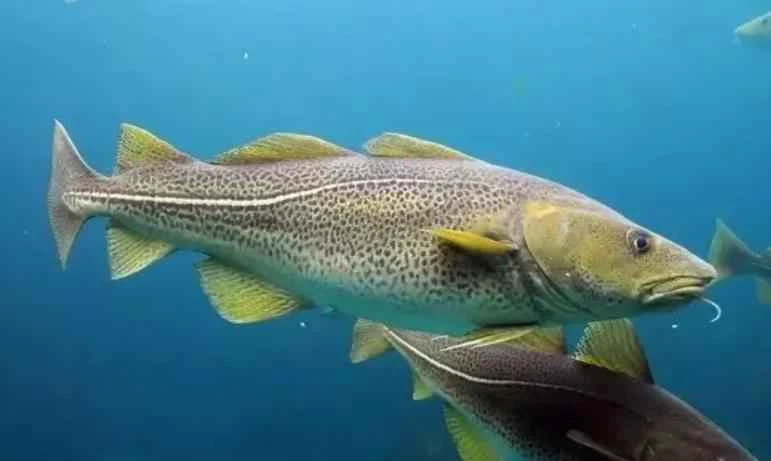
5. Atlantic cod
Atlantic cod is one of the world's most caught fish annually and is a high-value food fish. As a commercial species, its main export countries are Canada, Iceland, Norway, and Russia. In Japan, its main production area is Hokkaido. This fish is also an important species for aquaculture and recreational fishing. It is listed as Vulnerable on the IUCN Red List of Threatened Species (1996 ver 2.3).
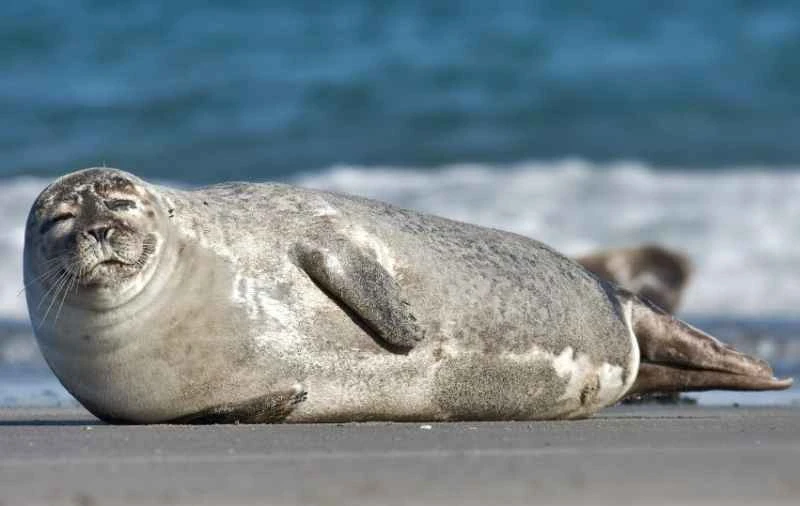
6. Ringed Seal
The ringed seal is a species of seal in the family Phocidae. It is relatively small, with adults having a dark gray back covered in grayish-white rings, and a generally silvery-white belly without dark spots. Ringed seals are excellent divers, typically staying underwater for no more than half an hour. Their diet consists mainly of arthropods such as cod, amphipods, and krill, with the composition varying significantly depending on the season and region. They are common in local habitats but are vulnerable to human threats. It is estimated that the ringed seal in Lake Baikal will be endangered in 5-7 years.
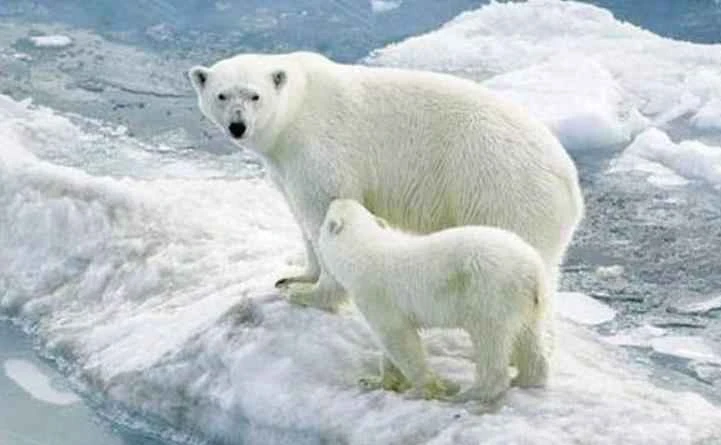
7. Polar bear
Polar bears are distributed throughout the ice-covered waters of the Arctic Circle. In areas where Arctic sea ice melts completely each summer, polar bears are forced to spend several months on land, where they primarily feed on stored fat until the sea freezes again. Polar bears in different regions exhibit very little genetic variation, making them vulnerable to total extinction in the face of climate change crises due to their lack of genetic diversity.
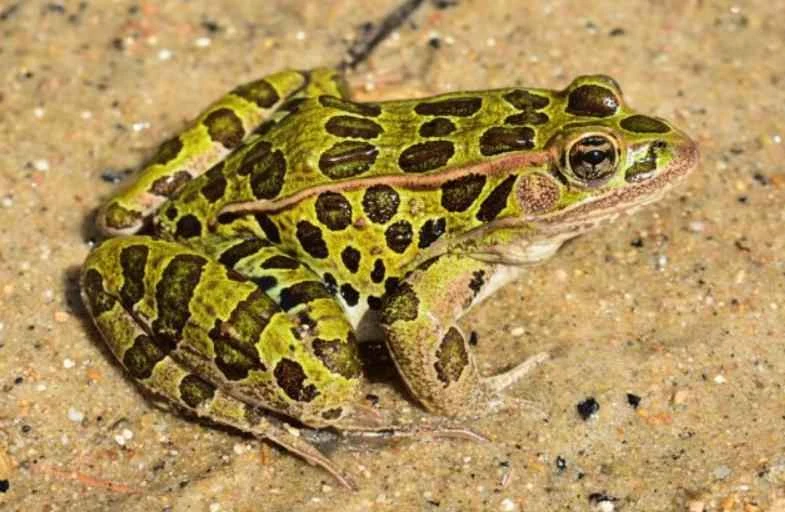
8. Columbia Spotted Frog
The shrinking water bodies in Yellowstone National Park are causing a decline in the population of the Colombian spotted frog. Climate change is also leading to the rapid spread of a deadly chymotrypsin fungus, which is threatening amphibians worldwide. The Colombian spotted frog is an endangered amphibian.
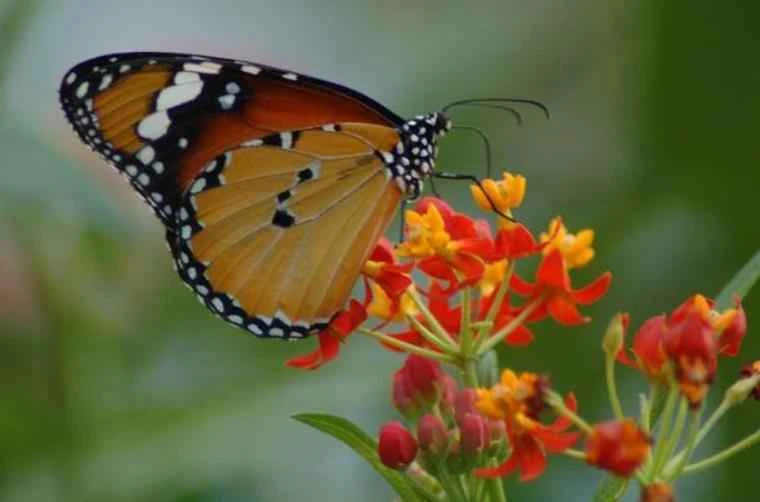
9. Monarch Butterfly
The monarch butterfly is a large butterfly commonly found in North America. In Australia, it's called the Wanderer Bufferfly and is also very common. The monarch butterfly is perhaps the most famous butterfly in the world for two reasons: first, it's incredibly beautiful, often considered the most beautiful butterfly in the world; second, it's the only migratory butterfly. Each year, they fly thousands of kilometers to escape the harsh winters of North America. This habit is unique among insects.