1. Malaria mosquito (nüè wén)
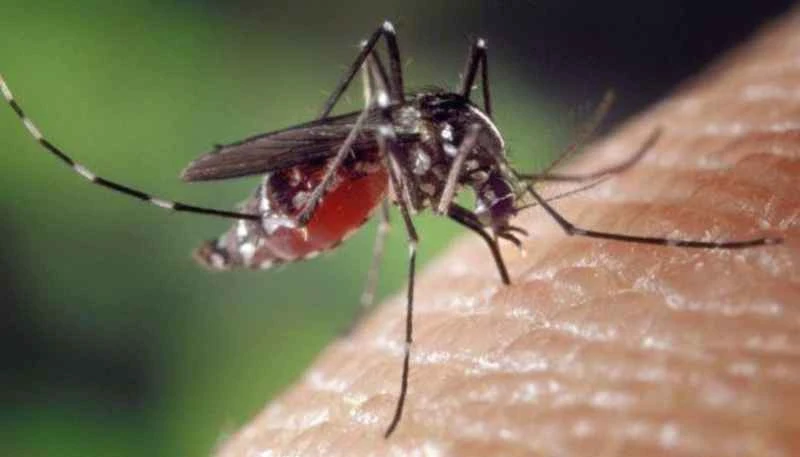
Anopheles mosquitoes are mosquitoes that can cause malaria. They are commonly known as Aedes mosquitoes in southern regions. After biting a human, they can transmit malaria to humans through blood. Malaria, also known as miasma, is a disease transmitted by Anopheles mosquitoes. According to the WHO's "Global Malaria Report 2020," 229 million cases of malaria were reported globally in 2019 alone. A rough estimate suggests that over 490,000 people died from malaria, most of whom were infants and young children in the poorest regions of Africa. All these data indicate that mosquitoes, these inconspicuous little creatures, are arguably the number one killer of humans on Earth.
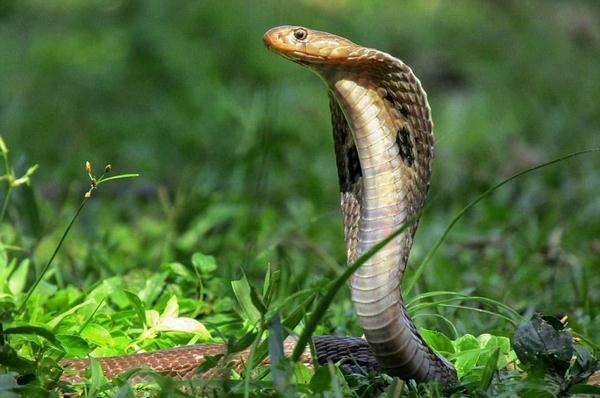
2. Indian cobra
The Indian cobra is a species of snake in the genus *Elaphe* of the family Elapidae. Its venom is a potent neurotoxin that primarily attacks the nerves of the heart, muscles, and respiratory system. Therefore, the wound is not very painful. The toxin blocks the connection between organs and the nervous system, leading to muscle paralysis, respiratory failure, and cardiac arrest. One ounce of Indian cobra venom is worth $9,000. Symptoms of an Indian cobra bite typically include burning pain and numbness at the bite site, followed by unsteady gait, weakness in the limbs, head heaviness and drooping, ptosis, salivation, nausea, vomiting, difficulty swallowing, and slurred speech. This is followed by limb paralysis, weak breathing, and a feeling of suffocation. Death can ultimately result from respiratory center paralysis and heart failure. The time from bite to death can range from 30 minutes to 30 hours.
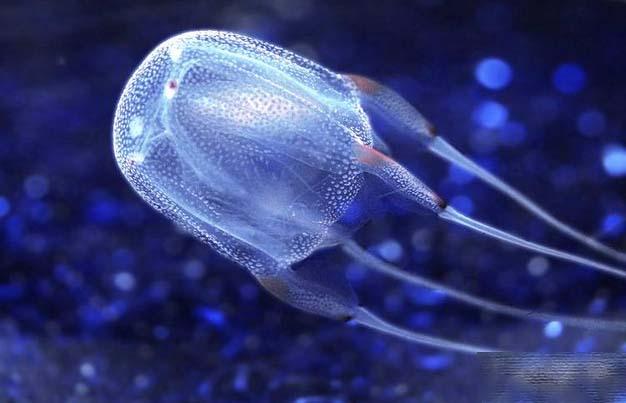
3. Australian box jellyfish
The Australian box jellyfish, also known as the sea wasp or the transparent killer of the ocean, is a type of jellyfish that lives in Australia, northern New Guinea, the Philippines, and Vietnam. They have caused countless injuries and deaths to humans worldwide and are considered the deadliest jellyfish. The box jellyfish is only about 16 inches long and has 24 eyes in four clusters. Its tentacles are covered with thousands of stinging cells that store venom; not only malicious attacks, but even accidental brushes against its shell or skin can stimulate these tiny stingers. If anyone dares to provoke it, it will frantically inject any person or object with the most potent neurotoxin known.
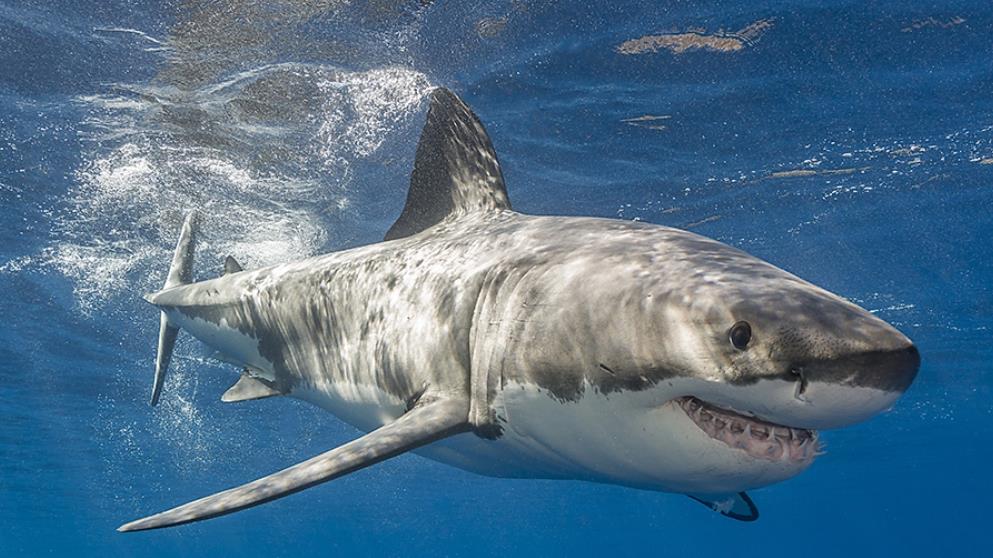
4. Man-eating shark
The man-eating shark is a large and ferocious shark. Its body is spindle-shaped with a relatively thick torso. The head is generally long. There is a depression above and below the base of the tail. It is an active and excellent swimmer, with an average cruising speed of 3.2 kilometers per hour. It can suddenly launch a rapid sprint, sometimes leaping out of the water. It is one of the largest predatory animals. It is ferocious and preys on various fish, sharks, rays, cephalopods, crabs, seabirds, sea turtles, seals, dolphins, whales, and animal carcasses. There are records of it attacking ships and humans, making it one of the most ferocious shark species.
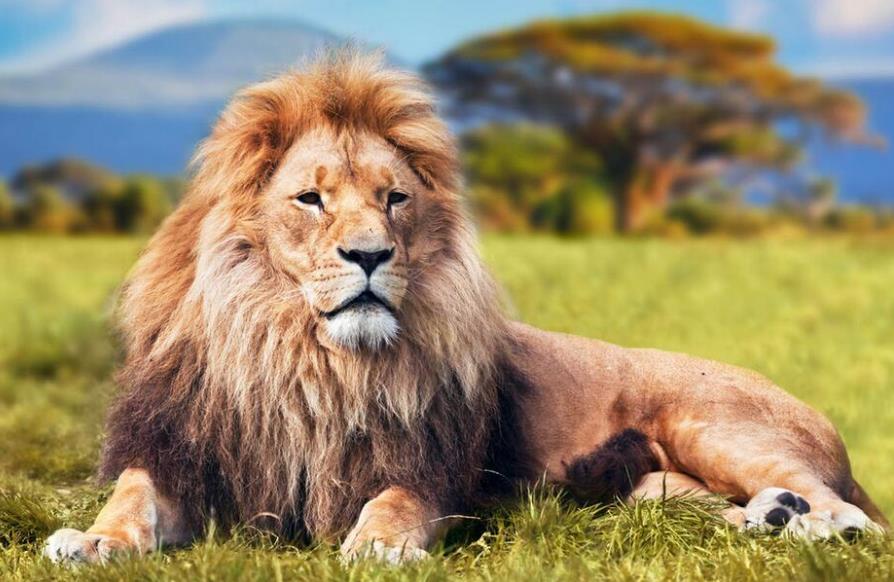
5. Lion
Lions are the largest living cat species by average weight and the only cat species in the world with sexual dimorphism (male and female). They live in tropical savannas and grasslands, and also inhabit shrublands and dry forests. They are carnivorous, often hunting other warm-blooded animals by ambush. They are distributed in the African savanna and India, Asia. In the wild, lions live 10 to 14 years, and in captivity, they live even longer, generally over 20 years. Lion prides have a wide prey range, frequently hunting African buffalo, gazelles, and giraffes, but they prefer to hunt medium to large ungulates such as zebras, impalas, and other types of antelope. Sometimes lions also prey on wild boars and ostriches.
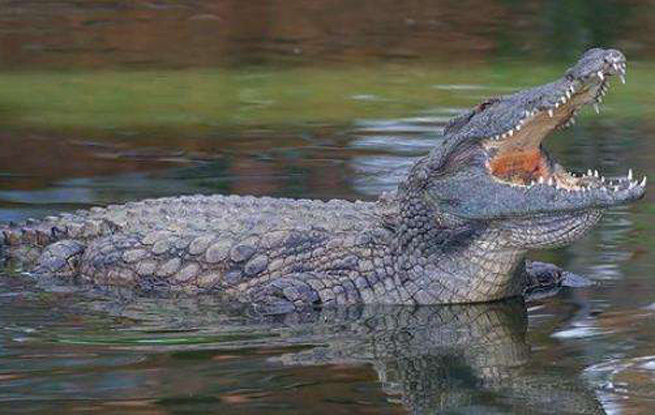
6. Saltwater crocodile
The saltwater crocodile is the largest reptile in the world, with the largest reaching 7 meters in length. Because it is the only crocodile in the order Crocodilia without large scales on its neck and back, it is also known as the "naked-necked crocodile." Saltwater crocodiles are large, ferocious crocodiles, occupying the top of the wetland food chain. Their savage hunting prowess has earned them the reputation of being "cold-blooded killers." The killer's most lethal weapon is its narrow, long, and massive jaws. This jaw, which accounts for one-sixth of the crocodile's body length, possesses immense bite force, approximately 200 kilograms per square centimeter, more than 10 times stronger than a human bite. The saltwater crocodile's greatest economic value lies in its hide, which is used to make leather, among the world's most precious leathers.
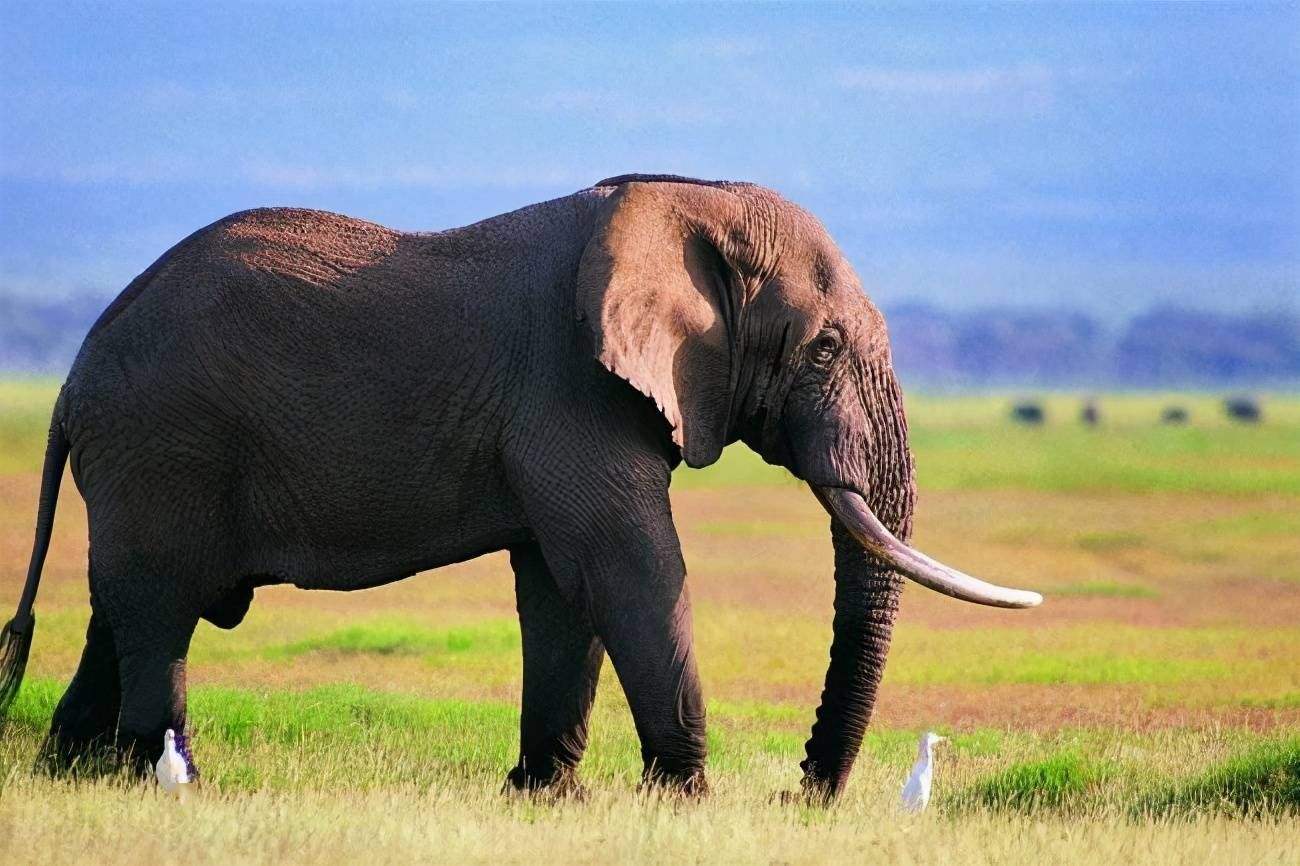
7. Elephant
Elephants are the largest land mammals, feeding on tender leaves, wild fruits, wild grasses, wild vegetables, and tender bamboo shoots. Although strictly herbivorous, their massive size makes them true giants and behemoths in the land animal kingdom. With their long trunks and tusks as weapons, they have no natural predators besides humans. However, they cannot see at night, making them vulnerable to attacks from lion prides. Poaching, driven by the desire for their ivory and hide, has been the greatest threat to elephants' survival since ancient times.
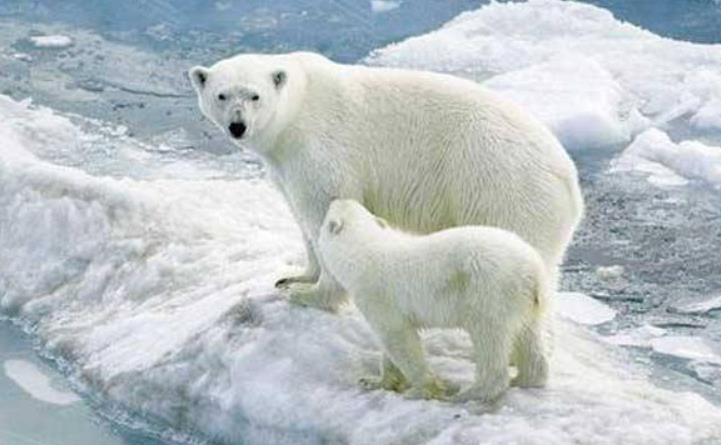
8. Polar bear
Polar bears are the largest land carnivores in the world, generally solitary, spending most of the year (approximately 66.6%) inactive, and the remaining 29.1% on walking and swimming, 1.2% tracking prey, or 2.3% feeding. Polar bears are excellent swimmers and can search for food over a wide area. They are the most carnivorous species, with 98.5% of their diet consisting of meat. Their primary prey includes seals, and even larger species such as walruses and beluga whales. They also prey on seabirds, fish, and small mammals, and sometimes scavenge carrion. In the summer, they occasionally eat berries or plant roots. In late spring and early summer, they also come to the coast to collect seaweed washed ashore to supplement their bodies with essential minerals and vitamins.
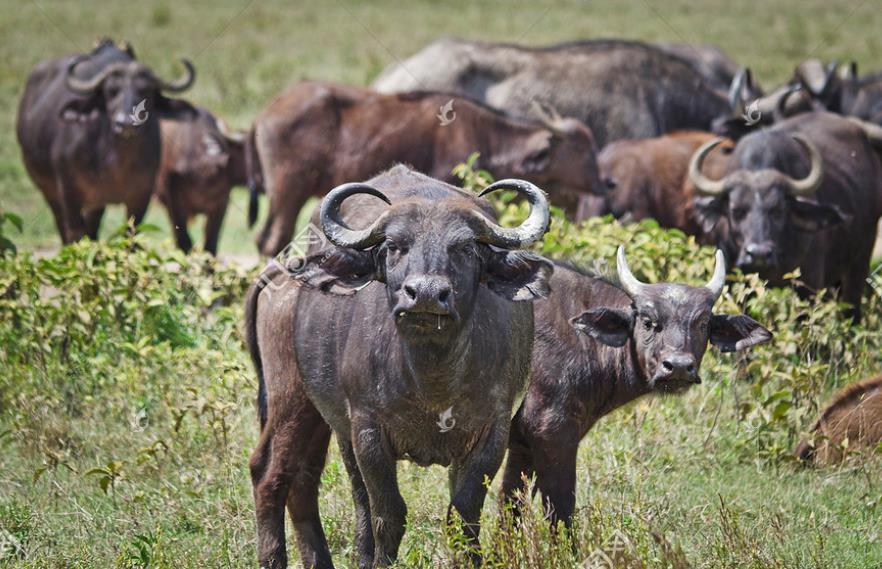
9. African buffalo
African buffalo are herd animals; only old or injured individuals are separated from their herd. The strongest bull in the herd becomes the leader, commanding the herd and enjoying the best fodder. African buffalo are extremely water-dependent, drinking at least once a day and never straying far from a water source. They are nocturnal, avoiding the intense sunlight and heat during the day, often hiding in shady areas or soaking in pools or mud to cool themselves. African buffalo are among the most dangerous animals in Africa (others being elephants, black rhinoceroses, hippos, and crocodiles), being one of the most aggressive and temperamental species, and one of the animals that have caused the most injuries or deaths in Africa. Injured, separated, or mother buffalo with calves are particularly aggressive, as dangerous as lions and leopards.
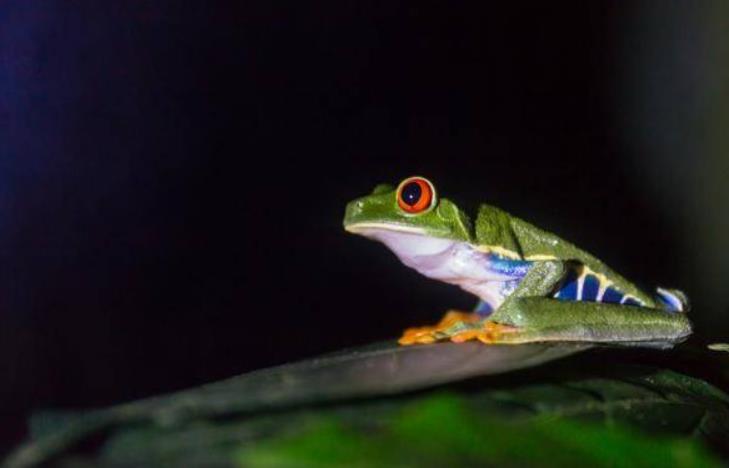
10. Poison Dart Frog
This frog is small in size but very colorful. However, don't be fooled by its beautiful appearance, and certainly don't get too close to it. The poison dart frog lives in the Colombian region and secretes a highly toxic neurotoxin from its back. This toxin can paralyze muscles and respiratory systems, ultimately leading to death. A single small poison dart frog can secrete enough venom to kill 10 people; just 136 micrograms can kill a 68-kilogram person.