Caribou (Rangifer tarandus) and North American caribou are two names for the same species, but they refer to different populations depending on their geographic location and domestication status. This article explores the similarities and differences between caribou and North American caribou, focusing on their ecological roles, conservation status, and dietary uses.
Overview
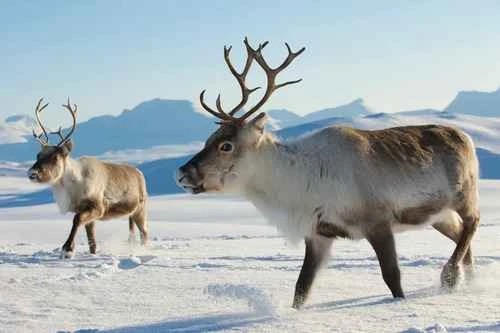
Caribou are typically associated with northern Eurasia, where they were often domesticated by local indigenous peoples. North American caribou, on the other hand, refers to the wild population primarily found in North America. Both are fascinating creatures adapted to cold, harsh environments.
Key differences and similarities
| feature | reindeer | North American caribou |
|---|---|---|
| Geographical range | Northern Eurasia (Scandinavian Peninsula, Russia) | North America (Canada, Alaska) |
| Domestication status | They were typically domesticated for herding. | They are usually wild, but some are semi-domesticated. |
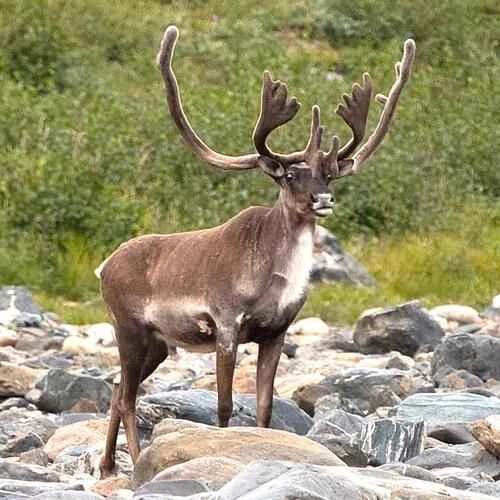
| Physical characteristics | Generally smaller in size, with lighter-colored fur. | Larger in size, with darker fur and a more robust physique. |
| antlers | Both males and females have antlers; reindeer antlers may be larger. | Male deer have antlers; females also have small heads, but are smaller in size. |
| Behavior | More docile due to domestication | More wild, with migratory patterns |
| Protection status | Least Concern (domesticated populations) | Vulnerable (some populations are declining) |
| diet | Mosses, lichens, grasses and shrubs | Mosses, lichens and various tundra vegetation |
| Cultural significance | An integral part of the Sami people and other indigenous cultures | Important to Native American traditions |
Protection status
Caribou are generally classified as "Least Concern" because their captive populations are stable and well cared for by humans. However, wild caribou populations face significant threats, including habitat loss, climate change, and hunting pressure. Some caribou populations are listed as "Vulnerable" or even "Endangered," particularly in areas where human activity has encroached on their migration routes.
Dietary uses
Caribou have traditionally been used by Indigenous peoples for various purposes. They are a source of meat, clothing, and materials for tools and shelter. Their meat is highly nutritious and a staple food in many northern communities.
Reindeer are also hunted for food, providing valuable nutrition to local residents. In some areas, reindeer meat is considered a delicacy and frequently appears in traditional dishes.
While caribou and reindeer are essentially the same species, they exhibit fascinating adaptations to their respective environments and human interactions. Understanding their differences not only enriches our knowledge of biodiversity but also underscores the importance of conserving wild populations. By protecting these remarkable animals, we ensure that future generations can continue to appreciate their beauty and significance in northern ecosystems.