Fish may seem harmless, but some species harbor deadly dangers. From venomous stingers to sharp teeth and even electric shocks, the underwater world is teeming with lurking threats. This article will take you deeper into the world's most dangerous fish, their unique threats, and how to stay safe around them.
Table of contents
What makes fish dangerous?
The world's ten most dangerous fish
Pufferfish
Stonefish
electric eel
Tigerfish
pike
Candiru (ghost butterfly fish)
Great White Shark
Lionfish
Giant Tiger Fish
Bull Shark
The main types of dangers posed by these fish
toxin
Aggressive
electric shock
Predation behavior
Distribution areas of dangerous fish
freshwater
Ocean and coral reefs
How to stay safe around dangerous fish
Frequently Asked Questions about Dangerous Fish
What kinds of fish are considered dangerous?
Fish can be dangerous for various reasons. Understanding these reasons can help us identify which fish pose the greatest threat.
Toxicity : For example, stonefish and lionfish carry venomous spines or toxins as a defense mechanism. These toxins can cause severe pain and even be life-threatening in some cases, with serious consequences if not treated promptly.
Aggressiveness : Some fish, such as tigerfish or bull sharks, are highly aggressive. They will attack when they feel threatened or are protecting their territory, and their powerful bite can cause serious injury.
Electric shock : Some electric fish (such as electric eels) possess special organs that allow them to release powerful electric currents to attack their prey. These strong currents are powerful enough to stun or even kill small animals, and also pose a serious threat to humans.
Predation behavior : Predatory fish such as great white sharks or barracudas hunt with sharp teeth and powerful jaws, which can pose a serious threat to humans.
The world's most dangerous fish
Pufferfish
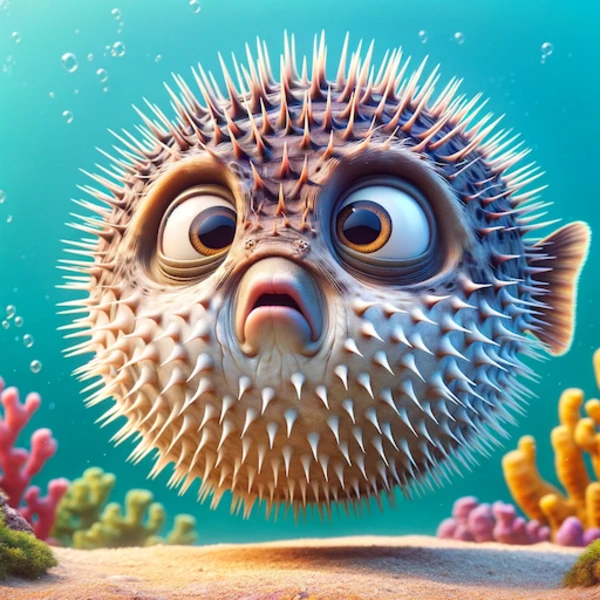
Pufferfish are known for their ability to inflate when startled, but their adorable appearance masks a deadly side. They contain a neurotoxin called tetrodotoxin, which is hundreds of times more toxic than cyanide, and there is currently no known antidote. Despite this, pufferfish remain a popular delicacy in Japan, but only trained chefs can handle them safely; otherwise, accidental ingestion can lead to poisoning.
Stonefish
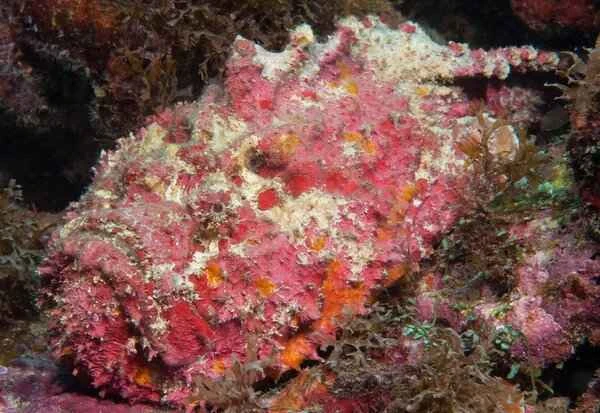
Stonefish are among the most venomous fish in the world, primarily found in the Indo-Pacific region. They possess exceptional camouflage abilities, blending seamlessly into the seabed. If accidentally stepped on, a stonefish's venomous spines will inject a potent toxin, causing intense pain, swelling, and in severe cases, even death. Seek immediate medical attention if stung by a stonefish.
electric eel
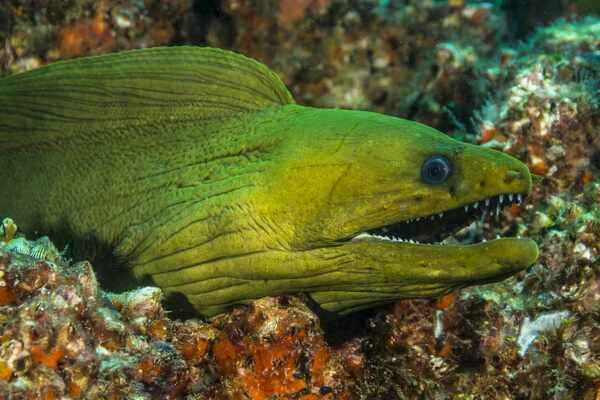
Despite its name containing "eel," the electric eel is actually a type of knife fish. They can generate electric currents of up to 600 volts, which they use for hunting or defense. The powerful electric shock can cause paralysis or even cardiac arrest, posing a significant threat to humans.
Tigerfish
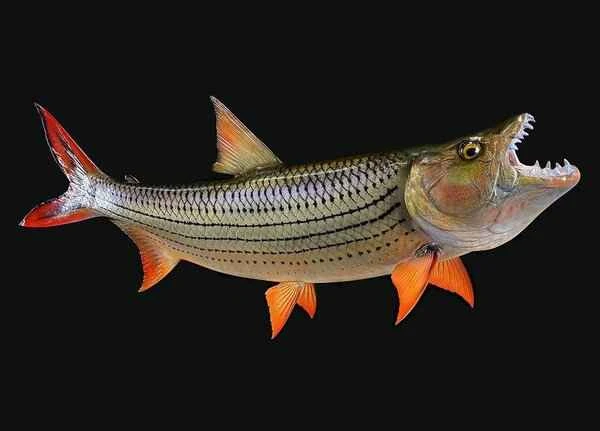
Tigerfish are known for their sharp teeth and ferocious hunting style, and are found in African rivers. They can cause severe lacerations and are highly aggressive, making them extremely dangerous to encounter in the wild.
pike
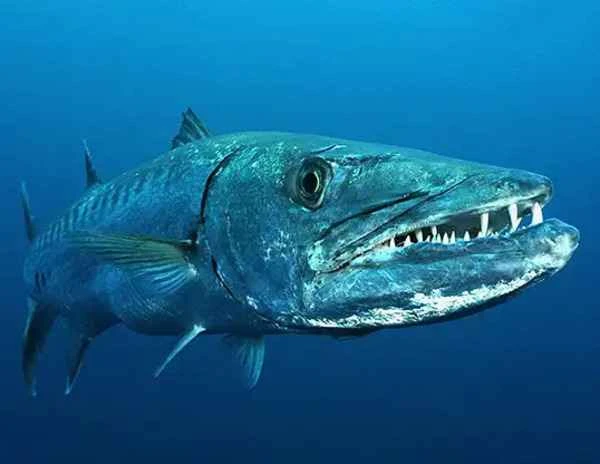
Barracudas are known for their high-speed swimming and sharp teeth. Although they don't usually attack humans unless provoked or driven by curiosity, they may bite. Their speed and bite force can cause serious injury.
Vampire Fish (Kandil)
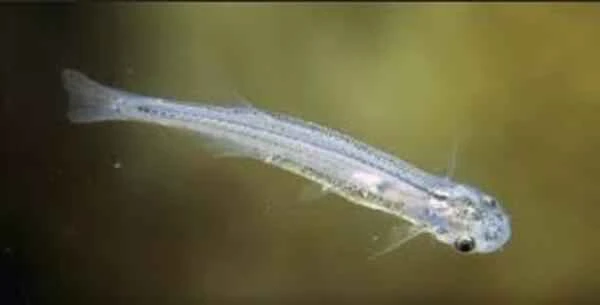
This tiny parasitic fish is known for its "horrifying behavior" and is called the "vampire fish." Candiru can enter the urethra of swimmers in the Amazon River basin, causing severe pain, though rare, and usually requiring medical intervention.
Great White Shark
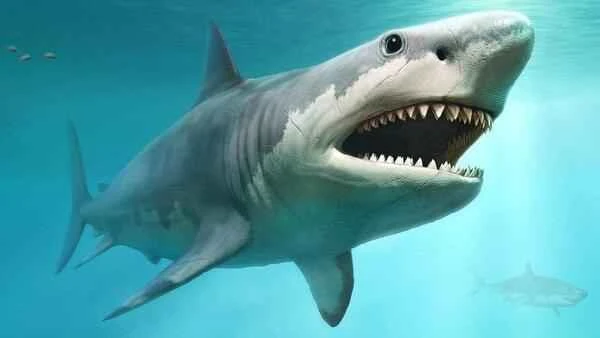
The great white shark is one of the world's most notorious predators. With its powerful body, immense strength, and sharp teeth, it poses a significant threat to marine life. Although attacks on humans are relatively rare, the great white shark remains the species responsible for the most shark attacks.
Lionfish

Lionfish have venomous spines on their dorsal fins. While not fatal to humans, stings can cause severe pain, swelling, and sometimes paralysis. They typically live in coral reefs and feed on small fish.
Giant Tigerfish

The giant tigerfish, found in the Congo River in Africa, is known for its speed and ferocity. Its teeth can be up to two inches long, easily tearing apart its prey, making it a highly threatening fish.
Bull Shark
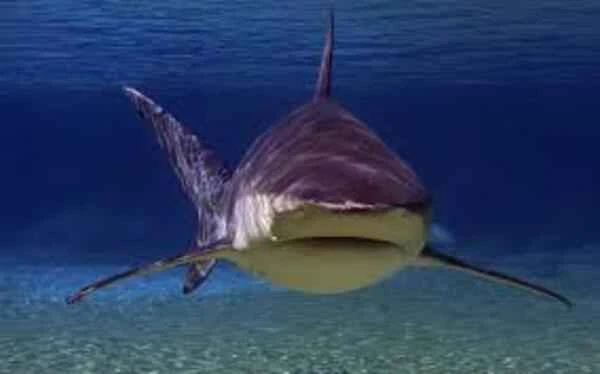
Bull sharks are known for their aggressiveness and can live in both fresh and saltwater. They frequently venture into shallow waters, making them the species most commonly encountered by humans in shark attacks.
The source of danger for these fish
Understanding the potential dangers these fish can pose can help protect yourself:
Toxicity : Fish such as stonefish and lionfish use venomous spines as a defense mechanism. The toxins can cause severe pain and may be life-threatening in severe cases.
Aggressiveness : Aggressive fish such as tigerfish and bull sharks will attack when threatened or provoked, causing serious injury.
Electric shock : Electric eels use electric current to stun their prey, and the high voltage they release can be fatal.
Predation behavior : Top predators like great white sharks and barracudas hunt by instinct and are incredibly powerful.
| Hazard types | Typical fish | Impact on humanity |
|---|---|---|
| toxin | Stonefish | Severe pain, potentially fatal |
| Aggressive | Tigerfish | Severe bite, bodily injury |
| electric shock | electric eel | Coma or paralysis can lead to drowning. |
| Predation behavior | Great White Shark | Fatal bite or attack |
Habitat of dangerous fish
freshwater
Electric eel : Found in the Amazon and Orinoco basins.
Tigerfish : Commonly found in African rivers.
Bull sharks can live in both saltwater and freshwater environments, such as rivers and lakes.
Ocean and coral reefs
Stonefish : Lives in shallow waters of the Indo-Pacific region.
Lionfish : Primarily inhabit coral reefs in the Indo-Pacific region, they have also appeared in the Atlantic Ocean in recent years.
Great white shark : Widely distributed in temperate coastal waters.
How to ensure safety near dangerous fish
Learn about local waters in advance : Before entering unfamiliar waters, learn about the distribution of local fish species, especially when traveling.
Wear protective gear : When swimming in areas where there may be poisonous fish, it is recommended to wear water shoes or gloves to avoid stepping on poisonous fish such as stonefish.
Keep your distance : Do not try to approach or provoke dangerous fish, even if they appear docile.
Manage the injury calmly : If you are stabbed or bitten, try to remain calm and seek medical attention immediately. Panic will only worsen the situation.
Recognizing the symptoms of stings or bites : Identifying the symptoms of stings (such as swelling and discoloration) or bites (such as bleeding) from venomous fish can help you get treatment as soon as possible.
Frequently Asked Questions about Dangerous Fish
Are all poisonous fish deadly?
Not all poisonous fish are fatal, but their stings can cause severe pain and discomfort. Severe stings should be treated with immediate medical attention.
Can pufferfish really cause death?
Yes, pufferfish toxins can be fatal if not handled properly. Only professional chefs can safely handle pufferfish.
What should I do if I get stung by a stonefish?
Immediately immerse the injured area in hot water (the highest temperature the patient can tolerate) to relieve pain and seek medical attention as soon as possible.
Are sharks really a big threat to humans?
Great white shark attacks on humans are extremely rare. Most sharks do not consider humans as prey, and attacks are usually caused by misidentification.
How to identify dangerous fish?
Bright colors, sharp spines, or unusual shapes are often signs of dangerous fish. When encountering unfamiliar fish, it is best to keep your distance and avoid contact.