Marine snails (such as conches and sea anemones) are important members of the class Gastropoda in the phylum Mollusca, widely distributed in marine environments worldwide, from intertidal reefs to deep-sea hydrothermal vents. They possess a variety of colorful, robust, and multifunctional single shells (snail shells): protecting their soft bodies while aiding in respiration, foraging, and locomotion. This article will provide an in-depth introduction to eight of the most representative marine snail species, covering their scientific names, commonly used Chinese names, shell characteristics, distribution areas, ecological habits, economic value, and conservation status, helping you find information about "marine snails" with a simple search.
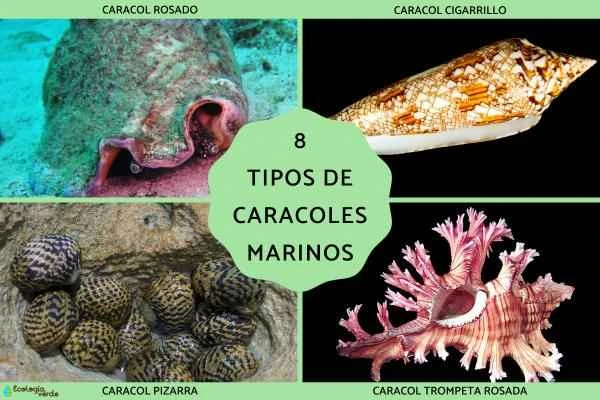
Table of contents
What is a sea snail?
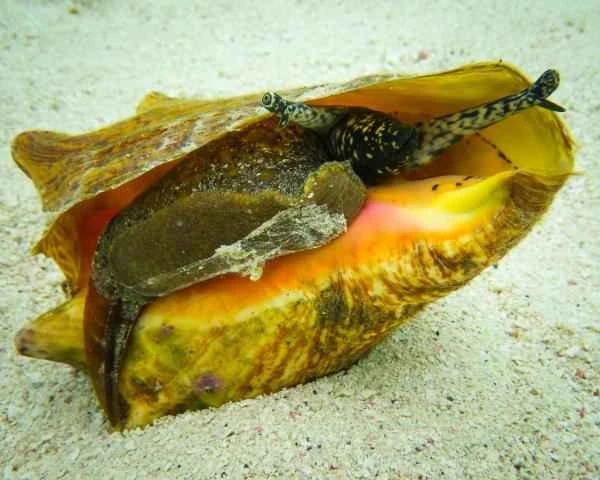
Pink sea snail ( Lobatus gigas )
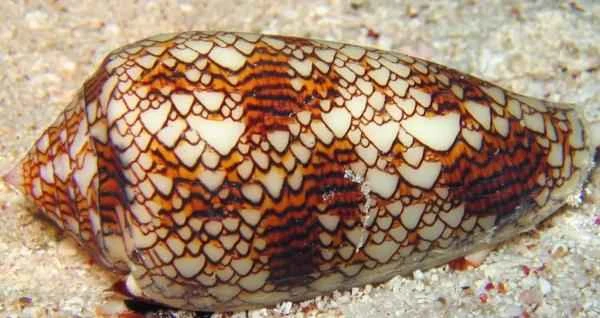
Cigarette snail / Geographical conch ( Conus geographus )
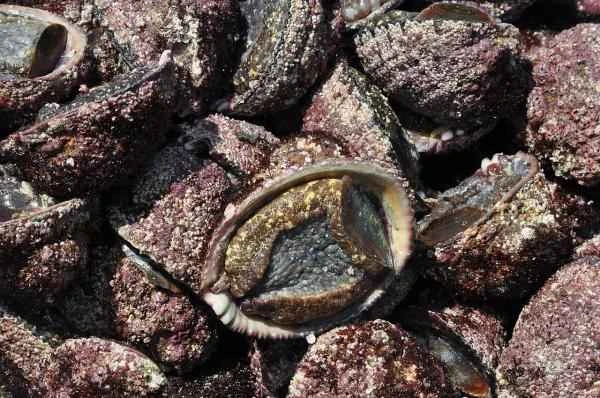
abalone ( Haliotis tuberculata )
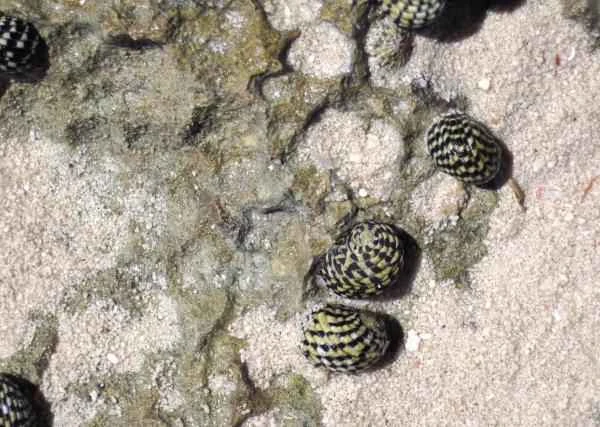
Black and white paraffin snail ( Nerita tessellata )
Chilean anemone snail / "Crazy" snail ( Concholepas concholepas )
Striped Bubble Snail ( Bulla striata )
Australian trumpet snail ( Syrinx aruanus )
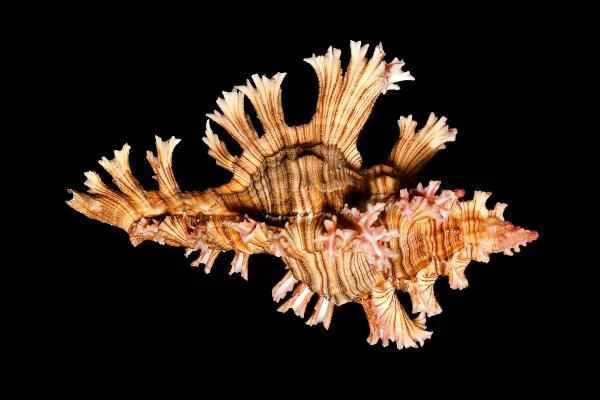
Pink trumpet snail ( Chicoreus palmarosae )
What is a sea snail?
Marine snails belong to the phylum Mollusca, class Gastropoda, and most are classified in the subclass Prosobranchia. They possess the following characteristics:
The three main body parts are responsible for different functions : the muscular foot at the bottom is responsible for movement; the soft outer mantle secretes a hard calcium carbonate shell; and the internal viscera contain digestive, reproductive, and other organs.
Single-shell structure : The spiral or disc-shaped snail shell can effectively protect against predators and environmental threats.
Operaculum : Many species have "doors" that close the shell opening when in danger.
Tentacles and radula : The two pairs of tentacles on the head sense chemical and tactile sensations, while the radula is used to scrape algae or tear prey.
Gill respiration : One or two gill lobes are located in the mantle cavity, enabling underwater respiration.
They play the role of benthic scavengers and hubs of diverse food chains in marine ecosystems, but are also caught by humans because of their beautiful shells or delicious flesh, causing some populations to face survival pressure.
Pink sea snail ( Lobatus gigas )
Shell characteristics : Large conical shell, ranging in color from pale yellow to pink, with a wide opening.
Distribution : The Caribbean Sea, the Gulf of Mexico, and shallow seas along the coast of Central America.
Habits and Consumption : Feeds on algae and seaweed; its flesh is delicious and is a local traditional delicacy (scallop soup, conch salad). Overfishing has led to restrictions on international trade, and it is listed as "Vulnerable" (VU) on the IUCN Red List.
Cigarette snail / Geographical conch ( Conus geographus )
Shell characteristics : conical shape with geographical patterns on the surface; shell length can reach 10 cm.
Distribution : Tropical coral reefs in the Indian Ocean and western Pacific Ocean.
Toxicity and Prey : Possessing retractable fangs, it can inject a lethal neurotoxin in a single shot, hence its common name "cigarette snail"—those poisoned by it only have "the time it takes to smoke a cigarette" left. Its main prey consists of small fish and sea worms.
Abalone ( Haliotis tuberculata )
Shell features : flat disc-shaped, nearly round, with wavy edges and several breathing holes.
Distribution : Shallow reef areas along the Atlantic coast of Europe, the Mediterranean Sea, and the west coast of Africa.
Ecology and Economy : Feeding on algae, snail meat is considered a high-end food, and the shells are often used in handicrafts and jewelry (natural mother-of-pearl). Fishing and habitat destruction have led to a decline in their population in some areas.
Black and white paraffin snail ( Nerita tessellata )
Shell features : Spherical shell with irregular black and white markings, resembling writing on a stone slab.
Distribution : Tropical to subtropical coasts of the western Atlantic Ocean.
Habits : Attached to intertidal reefs, it scrapes off algae and microbial films, helping to control excessive algae growth. Its shell is thick and sturdy, making it difficult for predators to open.
Chilean anemone snail / "Crazy" snail ( Concholepas concholepas )
Shell characteristics : oval-shaped, with rough, spiral-like spines on the shell surface.
Distribution : Subtidal zones and shallow seas along the coasts of Peru and Chile.
Consumption and Scientific Research : Its delicious meat has made it an important economic shellfish; however, overfishing has led to its inclusion in protected management programs. Its hemocyanin shows potential in medical research against bladder and prostate cancer.
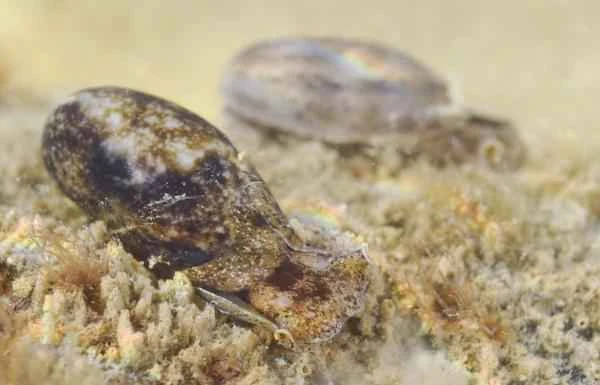
Striped Bubble Snail ( Bulla striata )
Shell features : smooth oval shape, light brown base with alternating light and dark vertical stripes.
Distribution : Sandy bottoms and seagrass beds in shallow Atlantic waters.
Ecological significance : Nocturnal, feeding on tiny benthic invertebrates; empty shells are often used by hermit crabs, demonstrating the additional value of the shell in the food chain.
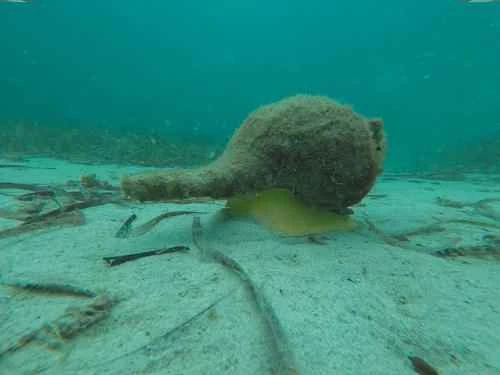
Australian trumpet snail ( Syrinx aruanus )
Shell characteristics : The world's largest single-shelled gastropod, reaching up to 90 cm in length and weighing over 20 kg; it is long and trumpet-shaped.
Distribution : Intertidal sandy bottoms along the coasts of northern Australia, Indonesia, and New Guinea.
Habits : It preys on mollusks and starfish. Due to its huge size, studying its shell growth and salt tolerance mechanisms can inspire biomaterials science.
Pink trumpet snail ( Chicoreus palmarosae )
Shell characteristics : The shell is rose red with branched, protruding spiral spines, and the aperture is deep red.
Distribution : Tropical coral reefs from the Indian Ocean to the western Pacific Ocean.
Habits : They prey on other shellfish. Their shells are often covered with sponges and algae. Their beautiful shells make them a favorite among collectors, but over-collection should be avoided.
Conclusion <br />Marine snails are diverse, enriching marine biodiversity and playing a vital role in human life through food, medicine, and handicrafts. Rational management of fishing, protection of key habitats, and promotion of artificial breeding are crucial to ensuring the sustainable development of these beautiful and unique marine mollusks. For more information on marine animals and ecology, please continue to visit our website's marine biology section.