Foxes (scientific name: *Vulpes *, etc.) belong to the Canidae family and form the Vulpini tribe. They are known for their sharp, elongated snouts, large triangular ears, thick, bushy tails, and agile movements. Globally, there are over 30 species of foxes, each adapted to different ecological environments and lifestyles. This article will provide a detailed overview of 24 representative fox species, covering their scientific names, physical characteristics, distribution areas, habits, and conservation status, allowing you to understand the diverse charm of the fox family.
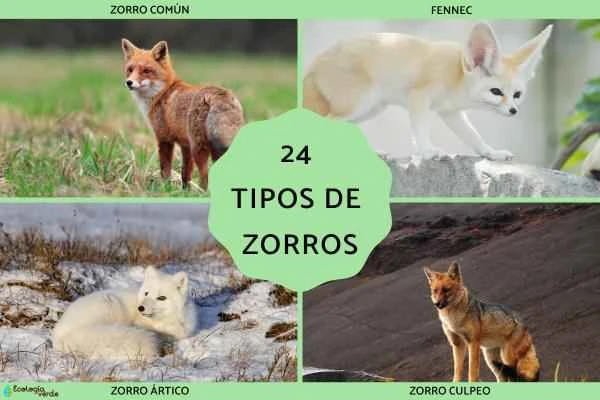
Table of contents
Red Fox ( Vulpes vulpes )
Sand fox/Fennec fox ( Vulpes zerda )
North American sand fox ( Vulpes macrotis )
Andean fox ( Lycalopex culpaeus )
Big-eared fox ( Otocyon megalotis )
Arctic fox ( Alopex lagopus )
Cerdocyon thous
Island fox ( Urocyon littoralis )
Tibetan fox ( Vulpes ferrilata )
Short-eared fox ( Atelocynus microtis )
Darwin's Fox ( Lycalopex fulvipes )
Other common foxes
Red Fox (Vulpes vulpes)
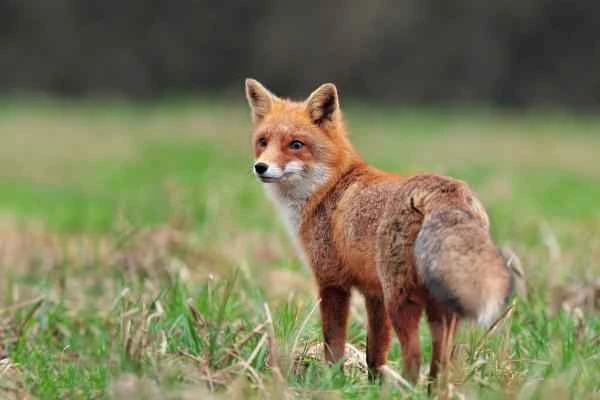
Also known as the red fox, it is the most widely distributed fox, found in almost all ecosystems of the Northern Hemisphere. It can reach 60–75 cm in body length, with a tail nearly 40 cm long, and weighs approximately 4–9 kg. Its fur is mostly reddish-brown, with black paws and ear tips, and a white tail tip. Red foxes are omnivorous, feeding on rodents, small birds, insects, and fruits; they are commonly seen in pairs during the breeding season and are highly adaptable to human settlements. Currently, the global population is stable and it is listed as "Least Concern".
Sand fox/Fennec fox (Vulpes zerda)
Inhabiting the Sahara Desert and arid regions of West Asia, this species is relatively small, with a head and body length of 25–40 cm, a tail length of 20–30 cm, and a weight of 1–1.5 kg. Its fur is light beige, and it is primarily nocturnal, using its large ears to dissipate heat. It mainly feeds on insects, small reptiles, and herbivores, and is adept at digging burrows to escape the heat and predators. Due to habitat degradation and illegal hunting, its conservation status in some areas is fragile.

North American sand fox (Vulpes macrotis)
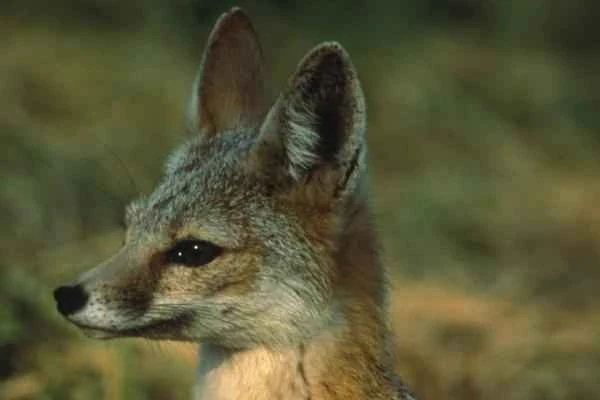
Also known as the "cave fox" or "kitt fox," it is found in the arid grasslands of the southwestern United States and northern Mexico. It measures 37–70 cm in body length, with a tail about 30 cm long. Its fur is light brown to sandy, with a relatively low density. Nocturnal, it inhabits complex underground burrow systems during the day and is highly social, with family members helping each other build nests. Due to habitat loss and the impact of road traffic, it is classified as "near threatened."
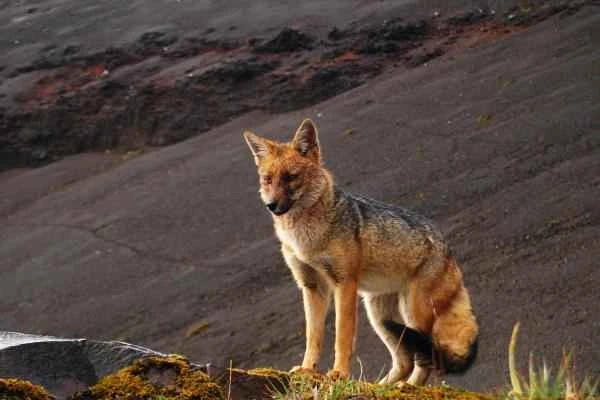
Andean fox (Lycalopex culpaeus)
Also known as the "Courpeo Fox," it originates from the Andes Mountains of South America. It measures 45–92 cm in body length, with a tail length of approximately 35–50 cm. Its fur is grayish-brown or yellowish-brown, sometimes with fine stripes. It is a solitary animal, hunting rodents, birds, lizards, and occasionally young domestic livestock. Its high-altitude environment has made it highly resistant to cold. However, due to hunting and mixed livestock grazing, some subspecies are now threatened.
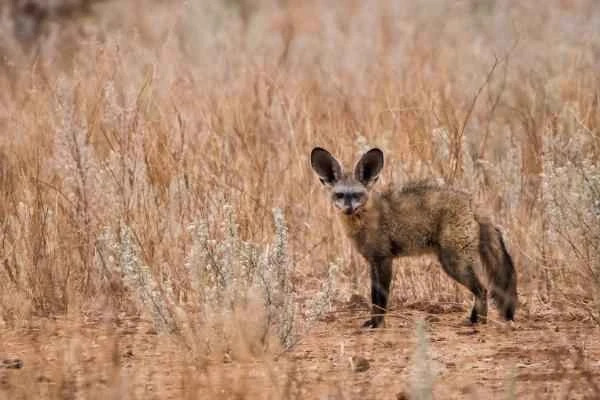
Big-eared fox (Otocyon megalotis)
Distributed in sub-Saharan Africa, with a head and body length of 50–65 cm and a tail length of approximately 25–30 cm. Its most distinctive feature is its exceptionally large ear (up to 15 cm long), used for heat dissipation and catching the sounds of underground insects. It possesses up to 46–50 teeth, adapted to a diet primarily consisting of termites and other insects. It exhibits strong social behavior and complex burrowing systems. It is currently well-protected and listed as "Least Concern".
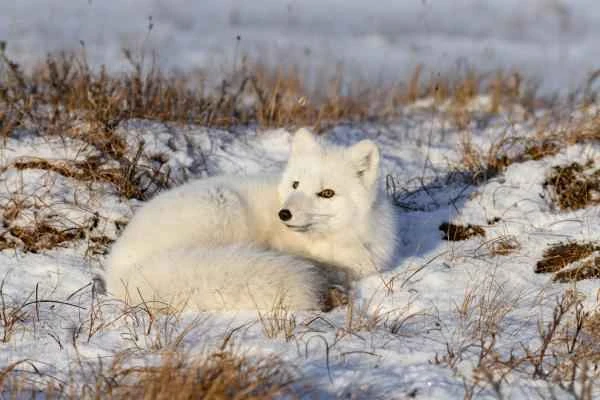
Arctic fox (Alopex lagopus)
Inhabiting coastal and tundra areas within the Arctic Circle, it measures 50–75 cm in body length and 25–35 cm in tail length. Its fur is pure white in winter and turns grayish-brown or brown in summer. It primarily feeds on lemmings, but also hunts birds and consumes carcasses. Due to global warming and melting sea ice, its habitat is increasingly restricted, and it is listed as "Vulnerable."
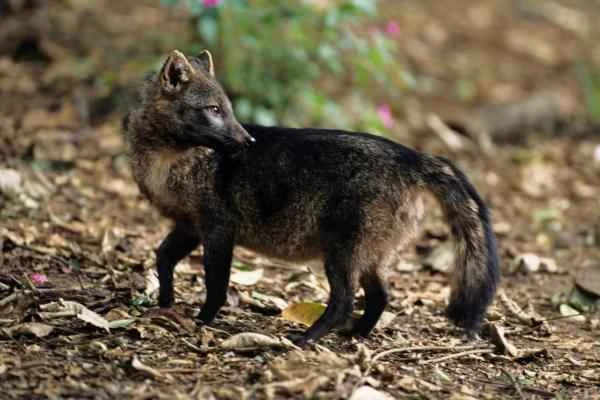
Cerdocyon thous
Common in tropical and subtropical South America, medium-sized (50–65 cm head-body length), with a bushy tail usually curled over its back. Its fur is greyish-brown with black edges. It has an extremely varied diet, including fruits, small animals, and carcasses. Adapted to diverse habitats, it can be found in everything from forests to wetlands. The population is generally stable and it is listed as "Least Concern".
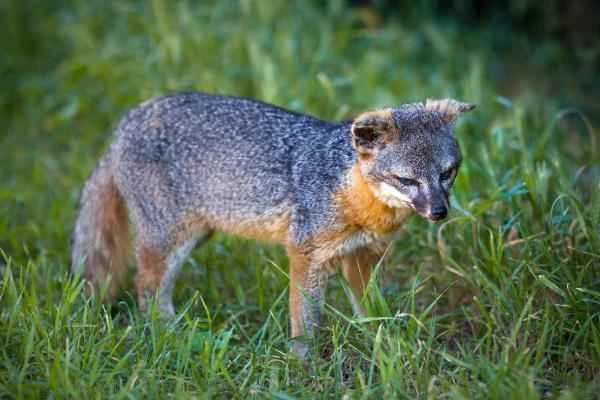
Island fox (Urocyon littoralis)
Found only in the California Islands off the coast of California, USA, this is one of the smallest foxes (head and body length approximately 50 cm). Its fur is grey on the back and brown on the belly, with a tail tip often tinged with black. Due to the fragile island ecosystem, disease and invasive species have led to a sharp decline in its population, resulting in it being listed as "Near Threatened" to "Endangered," with several subspecies under strict protection.
Tibetan fox (Vulpes ferrilata)
Inhabiting the Himalayas and the edge of the Tibetan Plateau, it has a head and body length of 45–65 cm and a tail length of about 30 cm. Its fur is brownish-gray, adapted to high altitudes and harsh conditions. It primarily feeds on small rodents and fruits of snow-covered plants. In sparsely populated areas, its population size is currently unknown; enhanced ecological monitoring is recommended.
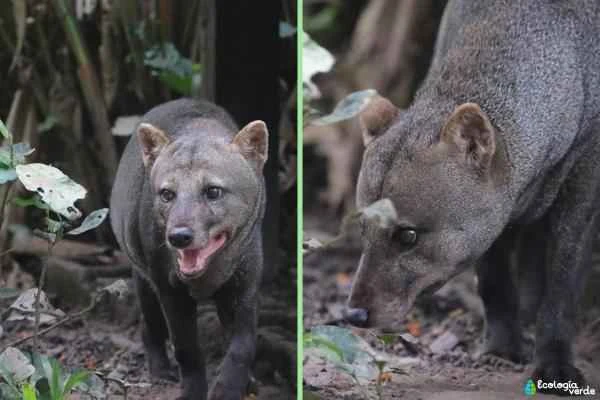
Short-eared fox (Atelocynus microtis)
Also known as the "woodland fox" or "jungle fox," it originates from the Amazon rainforest. It measures 75–100 cm in length (including tail), has shorter ears than other foxes, and its body shape is more canine. Its fur is dark brown, and its limbs are relatively short. It feeds on small mammals, birds, fish, and insects, and is secretive in its habits. Significantly affected by deforestation, it is listed as "Near Threatened."
Darwin's Fox (Lycalopex fulvipes)
Found in the southern islands of Chile, it measures about 60 cm in length, with a tail of 25–30 cm, and has reddish-brown fur. Due to its narrow habitat and extremely scattered distribution, only two isolated populations remain, and it is listed as "critically endangered," mostly protected by law within national parks.
Other common foxes
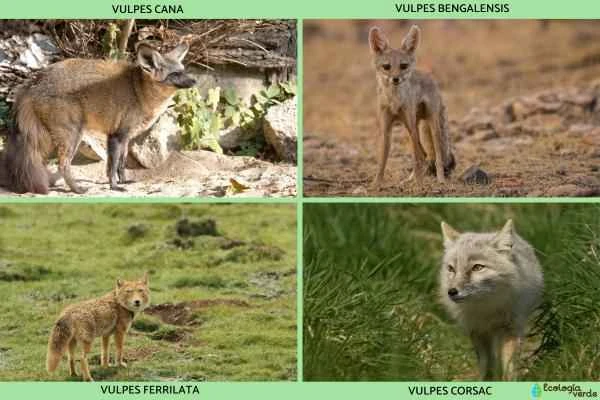
Persian fox/Vulpes cana
Bengal fox (Vulpes bengalensis)
Prairie fox (Vulpes corsac)
Vulpes Velox
Rubel fox (Vulpes rueppellii)
Gray fox (Urocyon cinereoargenteus)
Pamba fox (Lycalopex gymnocercus)
Cameroonian fox (Vulpes chama)
Mouse-fox (Vulpes pallida)
Grey Andean fox (Lycalopex griseus)
Securia fox (Lycalopex sechurae)
Grass fox (Lycalopex vetulus)
Conclusion <br />The fox family is incredibly diverse, ranging from the tundra to the rainforest, from desert foxes to island pygmy foxes, each with its own unique ecological adaptations. Understanding their physical characteristics, distribution ranges, and conservation status helps us better recognize and protect these agile and adorable wild animals. To learn more about wildlife, please visit our website's wildlife section.