The red-eyed tree frog is one of the world's most captivating amphibians. With its vibrant colors and unique characteristics, this species attracts the attention of nature enthusiasts and scientists alike. This article will explore in detail the red-eyed tree frog's habitat, diet, behavior, and conservation status.
What is the red-eyed tree frog?
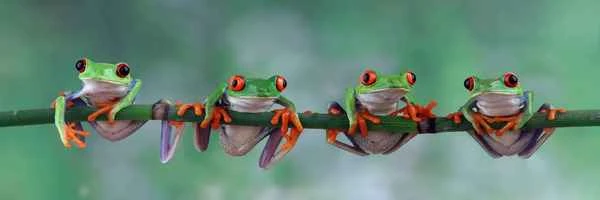
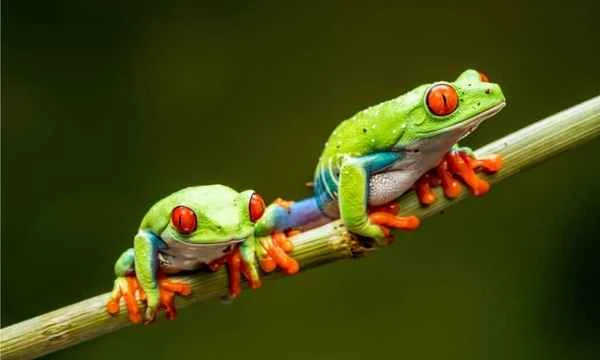
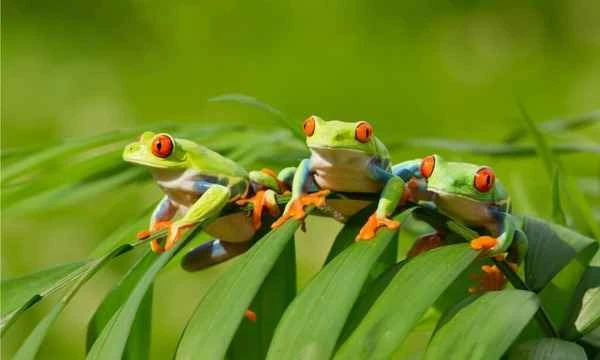
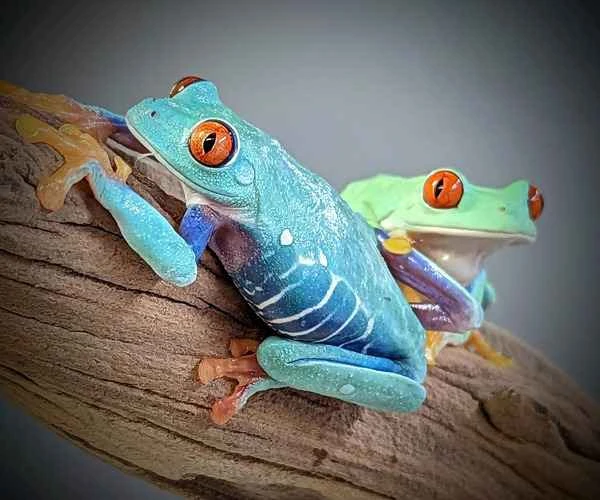
The red-eyed tree frog ( Agalychnis callidryas ) is a small tree frog native to Central America. It is known for its bright green body, large red eyes, and striking blue and yellow stripes on its sides. These features not only make it visually striking but also play an important role in its survival.
Physical characteristics
Color : The bright green body helps frogs camouflage themselves among the leaves and vegetation of the rainforest, protecting them from predators.
Eyes : The big red eyes are not just for decoration; when the red-eyed tree frog feels threatened, they can scare away potential enemies.
Size : Adult red-eyed tree frogs are typically about 5 to 10 centimeters long.
Habitat and Distribution
Red-eyed tree frogs are mainly distributed in the tropical rainforests of Central America, including countries such as Costa Rica, Nicaragua, Honduras, and Panama. They prefer to live in humid environments near ponds, swamps, and streams, where food and breeding grounds are abundant.

Preferred Environment
These frogs prefer to live high in the trees (arboreal) and can camouflage themselves among the leaves. They are most active at night (nocturnal), resting on leaves or branches during the day and waiting to hunt for food at night.
Diet and Predation
The main food of the red-eyed tree frog includes the following insects:
cricket
moth
fly
Grasshopper
Red-eyed tree frogs are opportunistic predators, meaning they will hunt any small prey available. Their long, sticky tongues help them catch insects quickly and efficiently.
Behavior and Reproduction
Mating Ceremony
During the breeding season, male red-eyed tree frogs emit calls to attract females. Their distinctive croaking echoes through the rainforest. After choosing a mate, the females crawl to a suitable spot near the water to lay their eggs.
Egg laying
Females lay their eggs on the underside of leaves above the water's surface. This strategy protects the eggs from predators and ensures the tadpoles fall into the water after hatching. The eggs hatch into tadpoles after about 6 to 10 days, and after several weeks, they develop into adult frogs.
Preserve the status quo
Although the red-eyed tree frog is not currently considered an endangered species, its population faces threats such as habitat loss, climate change, and pollution. Deforestation and agricultural expansion in Central America are major problems, reducing the natural habitat of these beautiful creatures.
What can you do?
You can help protect the red-eyed tree frog and its habitat in the following ways:
Support conservation organizations focused on rainforest protection.
Reduce your carbon footprint to combat climate change.
Advocating for sustainable agricultural practices.
How many red-eyed tree frogs are left in the world?
The exact number of red-eyed tree frogs ( Agalychnis callidryas ) is difficult to determine because they are widely distributed in Central America. However, they are not currently classified as an endangered species. The International Union for Conservation of Nature (IUCN) lists them as "Least Concern," meaning that their populations in their natural habitats are relatively stable.
Nevertheless, red-eyed tree frog populations may be declining in some areas, primarily due to habitat loss, climate change, and pollution. Their primary habitat—tropical rainforests—is threatened by deforestation and agricultural expansion. Therefore, conservation efforts in certain regions are crucial for maintaining healthy red-eyed tree frog populations.
Are red-eyed tree frogs poisonous?
Red-eyed tree frogs are not considered poisonous. They do not produce toxins that can harm predators or humans. However, they do have some chemical defense mechanisms that help them avoid predation. When threatened, their bright colors can warn potential predators that they are not a suitable food source.
While the red-eyed tree frog itself is not poisonous, it's important to note that some other amphibians and reptiles may be. If you encounter frogs in the wild, it's best to observe them from a distance and avoid direct contact, as some frogs can absorb toxins through their skin.
In summary, red-eyed tree frogs are relatively common and non-venomous, but their populations are threatened and require attention and conservation efforts to ensure their survival in the wild.
The red-eyed tree frog is not only a beautiful symbol of the rainforest but also an integral part of its ecosystem. By understanding this amazing species and the challenges it faces, we can take steps to ensure its survival in future generations. Whether you are a nature lover, a student, or simply curious about wildlife, the red-eyed tree frog is a fascinating creature worth learning about.